

The Future of Construction: Japanese Standard Flanges in Innovative Designs
Release time:
2025-12-29
The Future of Construction: Japanese Standard Flanges in Innovative Designs Introduction: Revolutionizing the Construction Industry In the rapidly evolving world of construction, innovation is key. As we look toward the future, **Japanese standard flanges** are emerging as a crucial component that is shaping modern architectural designs and engineering practices. These specialized fittings not onl

The Future of Construction: Japanese Standard Flanges in Innovative Designs
Introduction: Revolutionizing the Construction Industry
In the rapidly evolving world of construction, innovation is key. As we look toward the future, **Japanese standard flanges** are emerging as a crucial component that is shaping modern architectural designs and engineering practices. These specialized fittings not only enhance structural integrity but also streamline assembly processes, making them indispensable in contemporary construction.
Understanding Japanese Standard Flanges
Japanese standard flanges are designed according to strict national specifications, ensuring high quality and consistency. They are widely used in piping systems across various industries, including construction, oil and gas, and manufacturing. The unique design features and material properties of these flanges contribute to their growing popularity.
What Are Japanese Standard Flanges?
Japanese standard flanges refer to a set of flange specifications established by Japanese industrial standards (JIS). These flanges come in various types, including **slip-on flanges**, **weld neck flanges**, and **blind flanges**, each serving distinct functions.
Key Specifications of Japanese Standard Flanges
The **specifications** of Japanese standard flanges typically include dimensions, material grades, and pressure ratings. Common materials used include carbon steel, stainless steel, and alloy steel, which provide durability and resistance to corrosion, making them suitable for various environments.
The Role of Flanges in Modern Construction
Flanges play a pivotal role in the construction industry, serving as critical junctions for connecting pipes, valves, pumps, and other equipment. Their importance cannot be overstated, as they facilitate the efficient transport of fluids and gases, ensuring safety and functionality in construction projects.
Benefits of Using Japanese Standard Flanges
The utilization of Japanese standard flanges offers several benefits:
- **Enhanced Safety:** These flanges are designed to withstand high pressure and temperature, reducing the risk of failures and accidents.
- **Improved Efficiency:** Their standardized dimensions allow for quick and easy installation, minimizing project timelines.
- **Versatile Applications:** Japanese standard flanges can be used in various systems, from **HVAC** to **water treatment**, making them highly versatile.
Innovative Designs in Flange Applications
With advancements in technology, innovative designs are emerging that enhance the functionality of flanges. These designs often incorporate features that allow for better alignment, increased load-bearing capacity, and improved sealing capabilities.
Case Studies: Innovative Uses of Japanese Standard Flanges
To illustrate the effectiveness of Japanese standard flanges, we can look at several case studies that showcase their application in innovative projects.
Case Study 1: High-Rise Building Construction
In the construction of a recent high-rise building in Tokyo, Japanese standard flanges were utilized in the plumbing and HVAC systems. The flanges enabled seamless connections between pipes and fixtures, ensuring efficient flow and reducing potential leaks. Additionally, the standardized design facilitated a faster assembly process, allowing the project to be completed ahead of schedule.
Case Study 2: Industrial Plant Expansion
During an industrial plant expansion project, engineers opted for Japanese standard flanges in the chemical processing systems. The durability of these flanges under high-pressure conditions ensured the safety and reliability of the operation. The use of standardized dimensions also simplified the procurement process, allowing for a more streamlined supply chain.
The Future Trends of Japanese Standard Flanges in Construction
As we look toward the future, several trends are emerging that will influence the use of Japanese standard flanges in construction.
Increased Demand for Sustainability
With growing environmental concerns, there is a rising demand for sustainable construction materials. Japanese standard flanges made from recycled materials or those with low environmental impact are likely to gain popularity.
Integration of Smart Technologies
The integration of smart technologies, such as sensors and IoT devices, into flange designs is on the horizon. These innovations can offer real-time monitoring of pressure and temperature, providing valuable data for maintenance and safety.
Choosing the Right Japanese Standard Flanges
Selecting the appropriate flanges for a project requires careful consideration of various factors.
Factors to Consider
- **Material Compatibility:** Ensure that the flange material is compatible with the fluids and environmental conditions it will encounter.
- **Pressure Ratings:** Choose flanges that meet or exceed the pressure requirements of the system.
- **Installation Requirements:** Consider the ease of installation and whether specialized tools are needed.
Where to Source Japanese Standard Flanges
Finding reliable suppliers for Japanese standard flanges is crucial. Look for manufacturers that adhere to JIS standards and provide certifications for their products. Online marketplaces and local distributors can also be valuable resources.
FAQs About Japanese Standard Flanges
1. What are the main types of Japanese standard flanges?
Japanese standard flanges include **slip-on, weld neck, blind, and threaded flanges** among others. Each type serves specific applications based on connection needs.
2. How do I determine the right size of flange for my project?
The flange size should match the pipe diameter and pressure rating requirements. Consult engineering standards and specifications for guidance.
3. Are Japanese standard flanges suitable for high-pressure applications?
Yes, Japanese standard flanges are designed to withstand high pressure, but it is essential to select the correct type and material for your specific application.
4. Can Japanese standard flanges be used in corrosive environments?
Flanges made from **stainless steel** or other corrosion-resistant materials are suitable for use in corrosive environments, ensuring longevity and safety.
5. How can I ensure the quality of Japanese standard flanges?
Look for flanges that come with certification from recognized standards organizations and choose reputable suppliers.
Conclusion: The Path Forward for Japanese Standard Flanges
As we navigate the future of construction, Japanese standard flanges are set to play an increasingly vital role in the industry's evolution. Their innovative designs, versatility, and adherence to high-quality standards position them as essential components in modern construction practices. By understanding their applications and benefits, stakeholders can harness the full potential of these flanges in creating safer, more efficient, and sustainable structures. As the demand for sophisticated construction solutions grows, embracing the advancements in flange technology will be crucial for staying ahead in this competitive field.
Latest developments
Quality Standards in the Forging of Stainless Steel Products: Ensuring Excellence in Metallurgy
Quality Standards in the Forging of Stainless Steel Products Table of Contents Introduction to Stainless Steel Forging The Importance of Quality Standards in Forging Types of Stainless Steel Used in Forging Common Forging Processes in Stainless Steel Manufacturing Quality Assurance Methodologies in Stainless Steel Forging Testing and Certification of Stainless Steel Products Global
Understanding Non-Standard Flanges: A Key Component in Architectural Applications
Non-standard flanges are specialized components that deviate from conventional sizing and design specifications. Unlike standard flanges, which adhere to established dimensions and pressure ratings, non-standard flanges are custom-made to meet unique project requirements. These flanges are crucial in various architectural and construction applications, particularly when dealing with unconventional
The Importance of Quality Control for Japanese Standard Flanges: Ensuring Durability and Reliability
The Importance of Quality Control for Japanese Standard Flanges In the construction and manufacturing sectors, the significance of quality control cannot be overstated, especially for components as crucial as flanges. Japanese standard flanges, known for their precision and durability, require stringent quality control measures to meet the demands of various applications. This article delves into
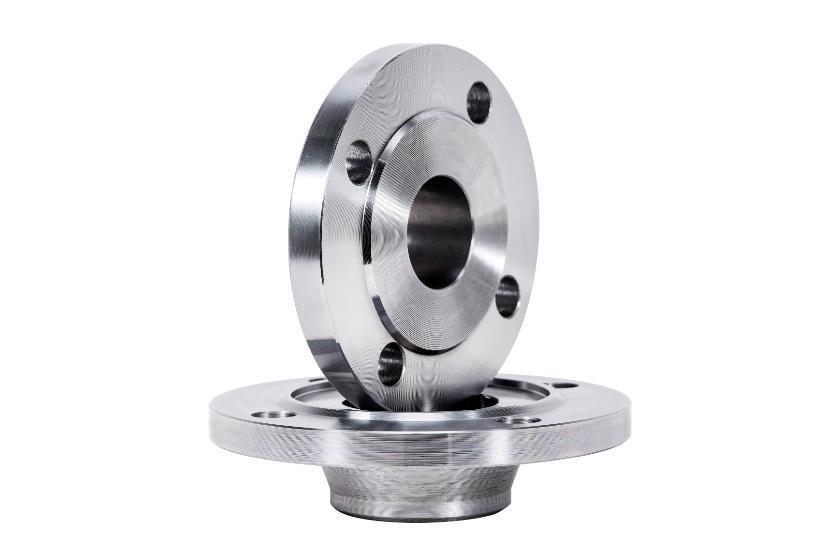
Understanding American Standard Flange in Construction and Decoration Materials
American standard flanges are critical components in the field of construction and decorative materials, particularly in piping systems. These flanges adhere to specific standards established by organizations such as the American National Standards Institute (ANSI) and the American Society of Mechanical Engineers (ASME). Their design and specifications are essential for ensuring compatibility and
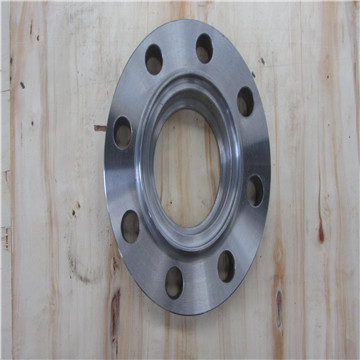
Exploring the Advantages of Using Threaded Flanges in HVAC Systems
Exploring the Advantages of Using Threaded Flanges in HVAC Systems Table of Contents 1. Introduction to Threaded Flanges in HVAC 2. Understanding Threaded Flanges 3. Benefits of Using Threaded Flanges in HVAC Systems 3.1 Superior Sealing Capability 3.2 Ease of Installation and Maintenance 3.3 Cost-Effectiveness 3.4 Versatility i

The Essential Guide to Flanged Connections in Building and Decorative Materials
Flanged connections are vital components in the construction and decorative materials sector, especially in the context of piping systems and fittings. Understanding their function, design, and application can significantly enhance the efficiency and reliability of installations. A flanged connection involves two flanges, which are flat pieces of material with holes for bolts. These flanges are bo
Shandong Xinhao Forging Co.,Ltd.
Tel:+86-15098858482
WeChat: 543983004
Email:xinhaoflange@gmail.com
Whatsapp:8615098858482
Website:www.xhflange.com

TikTok