

Understanding High Neck Flanges: Essential Insights for Professionals in the Construction and Decoration Industry
Release time:
2026-01-13
High neck flanges are essential components in piping systems, primarily used in various applications within the construction and decoration materials industry. These flanges are characterized by their extended neck, which enhances their ability to handle higher pressures and temperatures compared to standard flanges. This unique design provides a tighter seal and increases the overall integrity of
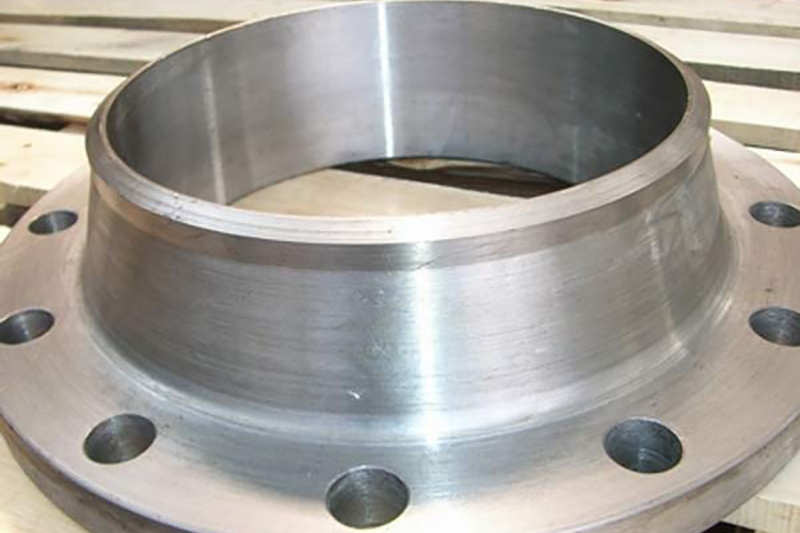
One of the primary functions of high neck flanges is to facilitate the connection of pipes in a secure and reliable manner. Their design allows for easier alignment and installation, which can significantly reduce the time and labor required in construction projects. Additionally, high neck flanges can accommodate various pipe sizes and materials, offering versatility in different applications, from residential plumbing to industrial piping systems.
Another critical advantage of high neck flanges is their compatibility with different sealing methods. They can be used in conjunction with various gaskets and sealing compounds, ensuring a leak-proof connection that is essential in high-pressure environments. This feature is particularly important in industries such as oil and gas, chemical processing, and water treatment, where the integrity of the piping system is paramount.
Professionals in the construction and decoration materials sector should also consider the material properties of high neck flanges. These flanges are typically made from a range of materials, including stainless steel, carbon steel, and other alloys, each offering distinct advantages in terms of corrosion resistance, strength, and durability. Selecting the appropriate material is crucial, as it directly impacts the performance and longevity of the flanges in specific applications.
When specifying high neck flanges for a project, it is essential to consider factors such as pressure ratings, temperature ranges, and the specific requirements of the piping system. Consulting with manufacturers or suppliers can provide valuable insights and recommendations tailored to the specific needs of a project.
In conclusion, high neck flanges play a pivotal role in the construction and decoration materials industry, particularly in piping applications. Their unique design and compatibility with various sealing methods make them an excellent choice for professionals seeking reliable, high-performance solutions. Understanding the advantages and specifications of high neck flanges will enhance decision-making processes, ultimately resulting in successful project outcomes.
Latest developments
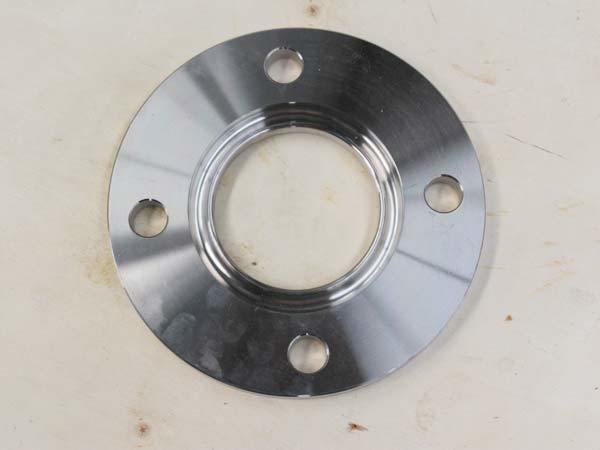
Flat Flanges in Fire Protection Systems: A Comprehensive Overview
Flat Flanges in Fire Protection Systems: A Comprehensive Overview Introduction to Flat Flanges in Fire Protection In the realm of fire protection systems, **flat flanges** serve as fundamental components that ensure the seamless connection and functionality of piping systems. These flanges play a crucial role in maintaining pressure and facilitating the smooth flow of fire suppression agents. Unde
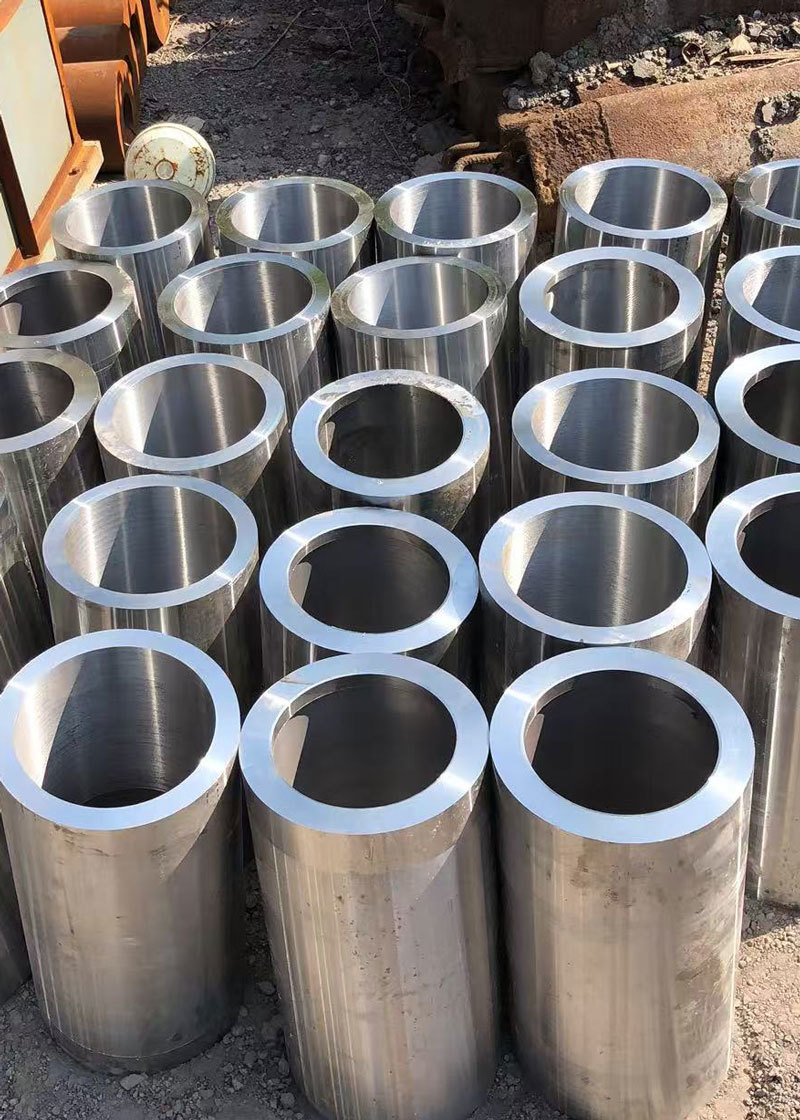
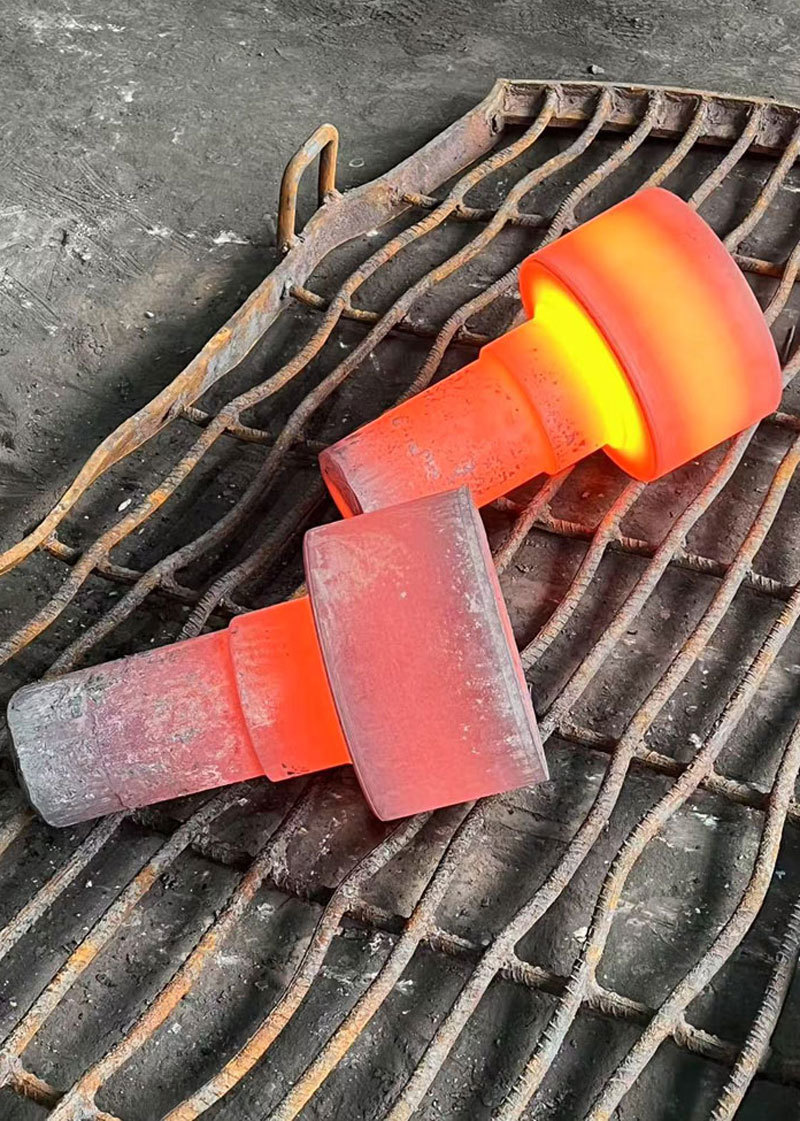
Steel industries forgings represent a crucial aspect of manufacturing within the construction sector, particularly when it comes to durable and high-quality materials. Forging is a process that involves shaping metal using localized compressive forces, resulting in products that boast enhanced strength and integrity. This technique is especially important in the construction and decorative materia
Quality Standards in the Forging of Stainless Steel Products: Ensuring Excellence in Metallurgy
Quality Standards in the Forging of Stainless Steel Products Table of Contents Introduction to Stainless Steel Forging The Importance of Quality Standards in Forging Types of Stainless Steel Used in Forging Common Forging Processes in Stainless Steel Manufacturing Quality Assurance Methodologies in Stainless Steel Forging Testing and Certification of Stainless Steel Products Global
Understanding Non-Standard Flanges: A Key Component in Architectural Applications
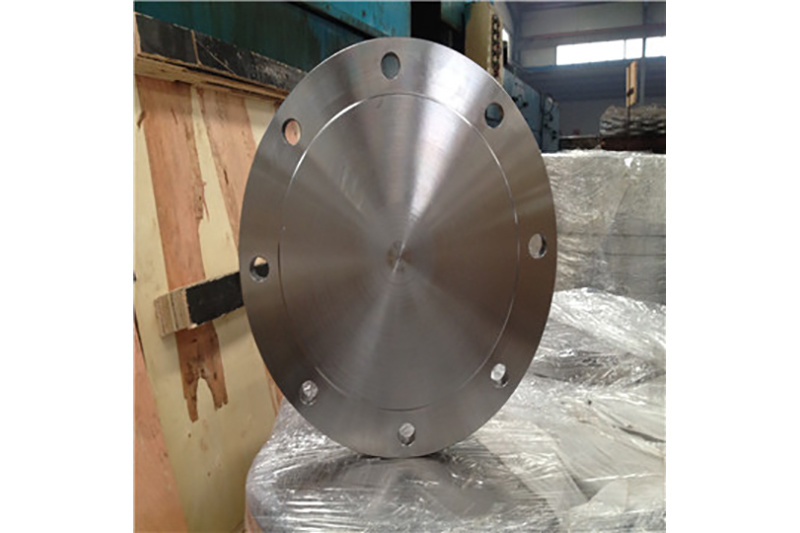
Non-standard flanges are specialized components that deviate from conventional sizing and design specifications. Unlike standard flanges, which adhere to established dimensions and pressure ratings, non-standard flanges are custom-made to meet unique project requirements. These flanges are crucial in various architectural and construction applications, particularly when dealing with unconventional
The Importance of Quality Control for Japanese Standard Flanges: Ensuring Durability and Reliability
The Importance of Quality Control for Japanese Standard Flanges In the construction and manufacturing sectors, the significance of quality control cannot be overstated, especially for components as crucial as flanges. Japanese standard flanges, known for their precision and durability, require stringent quality control measures to meet the demands of various applications. This article delves into
Understanding American Standard Flange in Construction and Decoration Materials
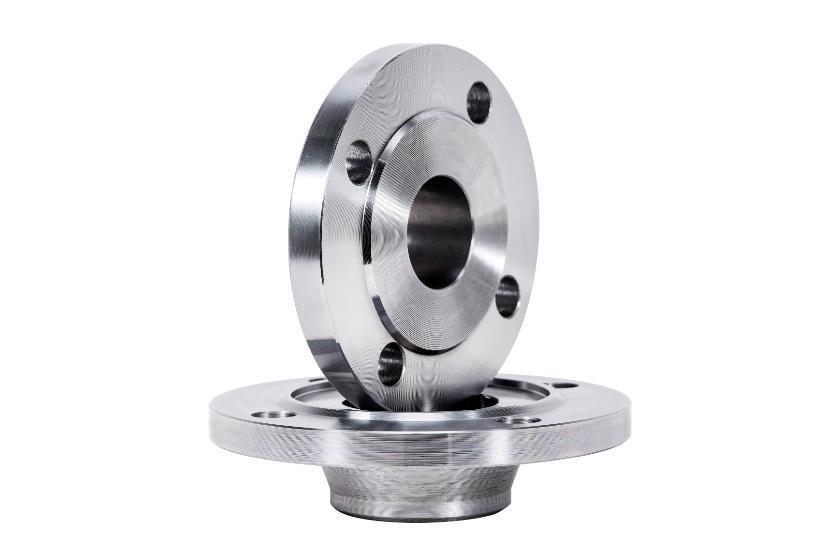
American standard flanges are critical components in the field of construction and decorative materials, particularly in piping systems. These flanges adhere to specific standards established by organizations such as the American National Standards Institute (ANSI) and the American Society of Mechanical Engineers (ASME). Their design and specifications are essential for ensuring compatibility and
Shandong Xinhao Forging Co.,Ltd.
Tel:+86-15098858482
WeChat: 543983004
Email:xinhaoflange@gmail.com
Whatsapp:8615098858482
Website:www.xhflange.com

TikTok