

Understanding Non-Standard Flanges: Essential Insights for Construction and Decoration
Release time:
2026-05-02
Non-standard flanges play a pivotal role in the construction and decoration materials sector, particularly when it comes to piping systems. Unlike standard flanges, which conform to widely accepted dimensions and specifications, non-standard flanges are designed to meet specific requirements dictated by unique project needs or particular installation scenarios. This adaptability makes them an esse

One of the primary advantages of non-standard flanges is their capability to accommodate unique geometries or sizes. In many instances, construction sites may have limitations or specifications that cannot be met by standard flange sizes. Non-standard flanges can be crafted to fit irregularly shaped pipes or to facilitate connections that standard flanges simply cannot handle. This flexibility is particularly beneficial in renovation projects where existing structures may not conform to current standards.
When selecting non-standard flanges, it is crucial to consider material compatibility. Non-standard flanges can be manufactured from a variety of materials, including stainless steel, carbon steel, and various alloys. The choice of material not only affects the flange's strength and durability but also influences its resistance to corrosion and temperature fluctuations. Therefore, it is essential to match the flange material with the specific conditions it will face in its environment.
Another aspect to consider is the design and manufacturing process of non-standard flanges. These flanges can be custom-designed to fit specific dimensions, shapes, and pressure ratings. This customizability often involves collaborating with manufacturers who specialize in bespoke solutions. Engineers and project managers must communicate clearly about their requirements to ensure that the final product meets the necessary standards for safety and performance.
Furthermore, installation of non-standard flanges may require specialized knowledge and tools. Proper installation is critical to prevent leaks and ensure the integrity of the piping system. Therefore, it may be advisable to engage professionals who have experience working with non-standard flanges, as they can ensure that the installation process adheres to best practices and regulatory requirements.
In conclusion, non-standard flanges are an indispensable part of modern construction, offering bespoke solutions that enhance system performance. By understanding their advantages, material choices, and the importance of proper installation, professionals in the building and decoration materials industry can effectively leverage non-standard flanges to meet their specific project needs. This knowledge not only facilitates smoother project execution but also contributes to the overall safety and reliability of piping systems.
Latest developments
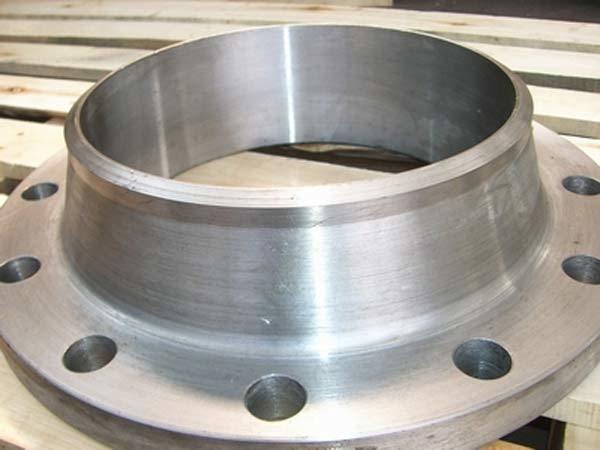
Understanding High Neck Flanges: Essential Components in Construction and Decorative Materials
High neck flanges are vital components in various piping systems, particularly within the construction and decorative materials sectors. These flanges are characterized by their elongated neck, which serves several important functions in ensuring system integrity and performance. Understanding high neck flanges’ design and application can significantly benefit professionals involved in piping inst
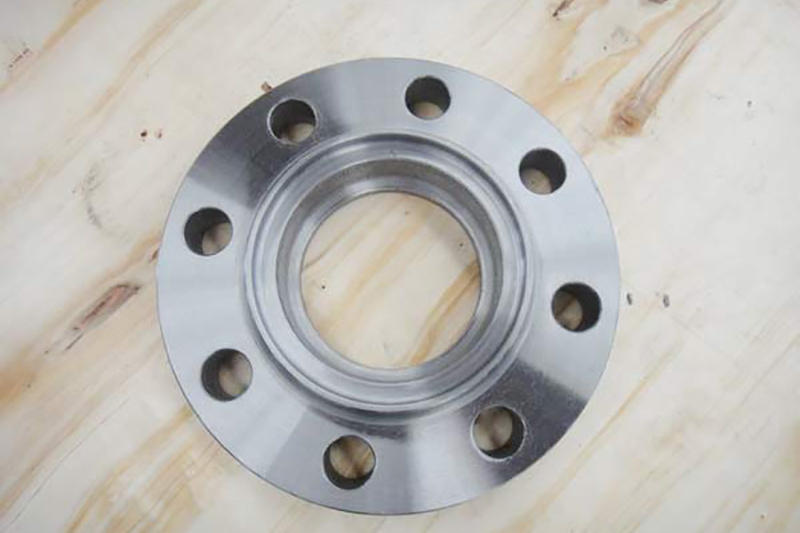
The Science Behind Flat Flange Designs: Understanding Functionality
The Science Behind Flat Flange Designs: Understanding Functionality In the world of construction and decorative materials, **flat flanges** serve as crucial components that ensure the stability and integrity of various structures. Understanding the science behind flat flange designs can significantly enhance our appreciation of their functionality and application. This article delves deeply into t
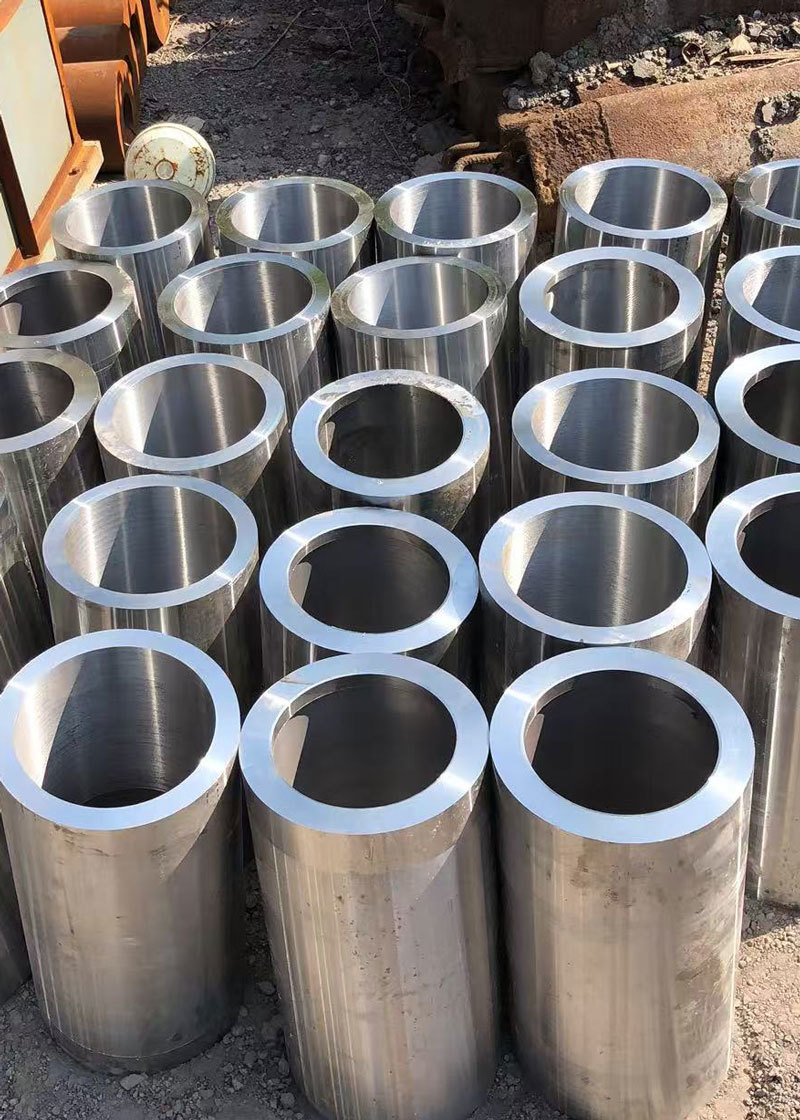
Exploring the Role of Forgings in the Steel Industries
Forgings play a pivotal role in the steel industries, particularly in the manufacturing of components utilized in construction and decorative materials. This process involves shaping steel through deformation, which significantly enhances its mechanical properties compared to other manufacturing techniques such as casting. By understanding the benefits and applications of forgings, professionals c

The Historical Evolution of Stainless Steel Forging Methods: A Comprehensive Analysis
The Historical Evolution of Stainless Steel Forging Methods Introduction to Stainless Steel Forging Stainless steel forging has come a long way since its inception in the early 20th century. This process involves shaping stainless steel through the application of compressive forces, resulting in enhanced mechanical properties and durability. Understanding the evolution of these forging methods is

Understanding Non-Standard Flanges: Essential Insights for the Construction and Decoration Industry
Non-standard flanges are integral components in piping systems, primarily used to connect pipes, valves, and other equipment. Unlike standard flanges, which adhere to widely accepted dimensions and specifications, non-standard flanges are custom-made to fit specific project requirements. This customization is often necessary when dealing with unique designs, unusual materials, or specific pressure
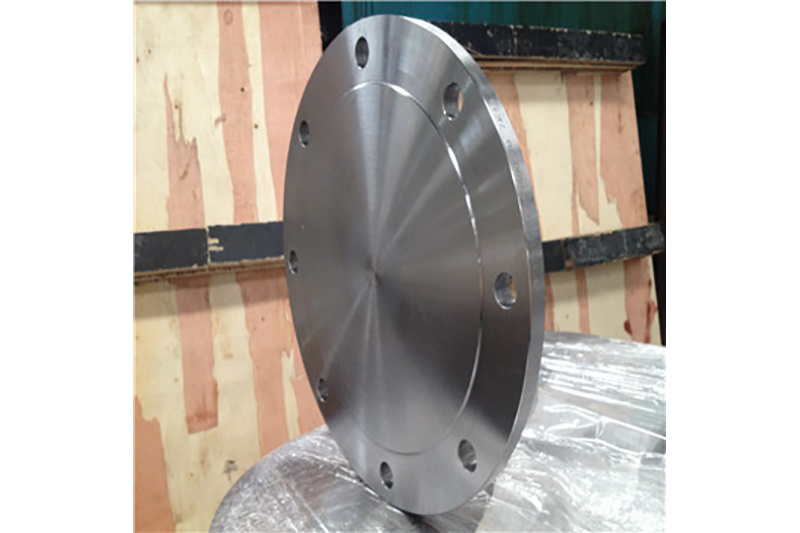
Incorporating Japanese Standard Flanges into Your Design Plans: A Comprehensive Guide
Incorporating Japanese Standard Flanges into Your Design Plans: A Comprehensive Guide Table of Contents Introduction to Japanese Standard Flanges Understanding Flanges: Types and Functions What Are Japanese Standard Flanges? Applications of Japanese Standard Flanges in Various Industries Benefits of Using Japanese Standard Flanges Design Integration: How to
Shandong Xinhao Forging Co.,Ltd.
Tel:+86-15098858482
WeChat: 543983004
Email:xinhaoflange@gmail.com
Whatsapp:8615098858482
Website:www.xhflange.com

TikTok