


Understanding Forgings in the Steel Industry: Key Insights for Construction and Decorative Materials
Release time:
2026-05-08
The steel industry, particularly in the realm of forgings, plays a crucial role in the construction and decorative materials sector. Steel forgings are produced by shaping heated steel through the application of compressive forces, ensuring high strength, durability, and reliability. This process creates a superior material compared to other manufacturing methods such as casting, due to its fine g
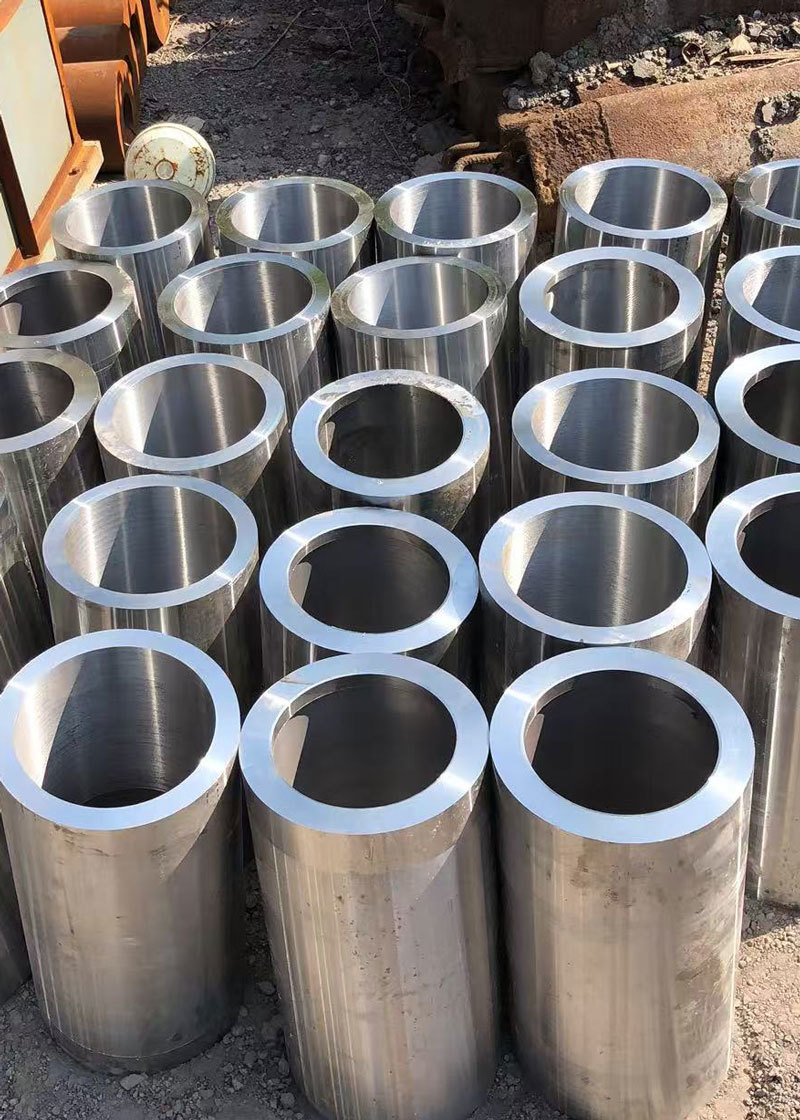
One of the primary advantages of steel forgings is their ability to withstand high levels of stress and impact. This characteristic makes them ideal for construction applications where structural integrity is paramount. Components such as beams, frames, and connectors benefit from the resilience offered by forged steel, ensuring longevity and safety in various building projects. Furthermore, the controlled manufacturing process of steel forgings allows for tailored solutions, providing flexibility in meeting specific engineering requirements.
In addition to strength, steel forgings exhibit excellent fatigue resistance. This is particularly important in dynamic environments, such as bridges or high-rise buildings, where materials are subjected to continuous stress. The uniform grain flow achieved through forging contributes to this property, making forged components less prone to failure over time. For architects and engineers, this means a reliable choice when designing structures that need to endure various loads and conditions.
The forging process typically involves several techniques, including open-die forging, closed-die forging, and ring forging, each serving distinct applications depending on the desired shape and size of the final product. Open-die forging is often used for large components, while closed-die forging allows for more intricate designs. Understanding these techniques can aid construction professionals in selecting the most appropriate method for their projects, optimizing both performance and cost-efficiency.
Moreover, steel forgings can be further enhanced through heat treatment and surface finishing processes. Heat treatment improves hardness and wear resistance, while surface treatments can protect against corrosion, a vital consideration in construction and decorative applications. These processes not only extend the lifespan of the components but also enhance their aesthetic appeal, making them suitable for visible architectural elements.
As the steel industry continues to innovate, incorporating advanced technology such as computer modeling and automation in the forging process, the potential for creating even more complex and efficient designs increases. This evolution is particularly beneficial for the construction sector, where precision and quality are critical.
In conclusion, understanding the significance of steel forgings is essential for professionals in the construction and decorative materials industry. Their superior strength, fatigue resistance, and adaptability make them a vital choice for a wide range of applications, ensuring that structures remain safe and visually appealing over time. By leveraging the advantages of steel forgings, industry professionals can enhance their projects and contribute to a more robust built environment.
Latest developments

The Essential Guide to Flanged Connections in Building and Decorative Materials
Flanged connections are vital components in the construction and decorative materials sector, especially in the context of piping systems and fittings. Understanding their function, design, and application can significantly enhance the efficiency and reliability of installations. A flanged connection involves two flanges, which are flat pieces of material with holes for bolts. These flanges are bo
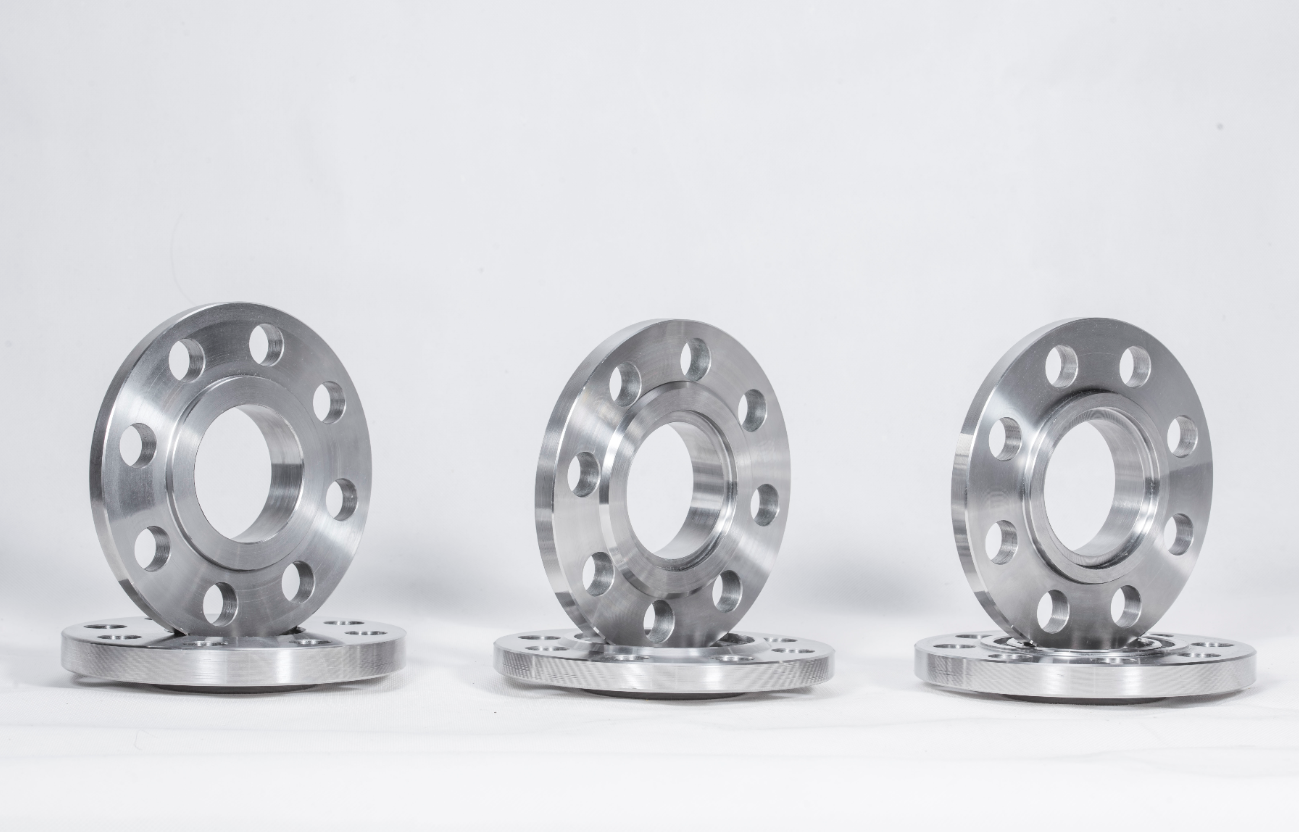
Sliding Flanges: Essential Components for Pipe Expansion and Contraction
Sliding Flanges: Essential Components for Pipe Expansion and Contraction Understanding Sliding Flanges: An Overview Sliding flanges are crucial components in piping systems, specifically designed to accommodate the expansion and contraction of pipes. These specialized flanges enable pipes to maintain a secure connection even when subjected to thermal changes. Expansion and contraction are natura
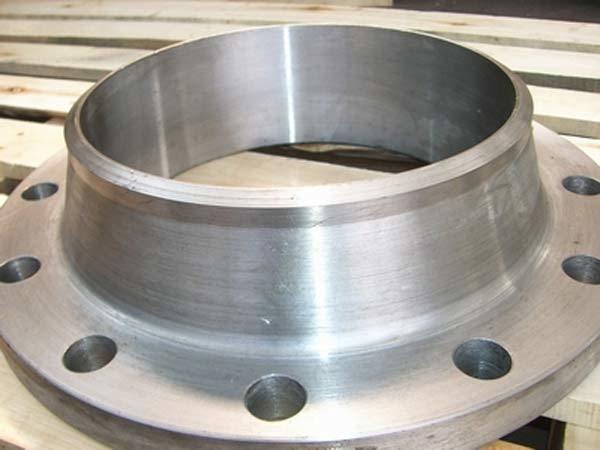
Understanding High Neck Flanges: Essential Components in Construction and Decorative Materials
High neck flanges are vital components in various piping systems, particularly within the construction and decorative materials sectors. These flanges are characterized by their elongated neck, which serves several important functions in ensuring system integrity and performance. Understanding high neck flanges’ design and application can significantly benefit professionals involved in piping inst
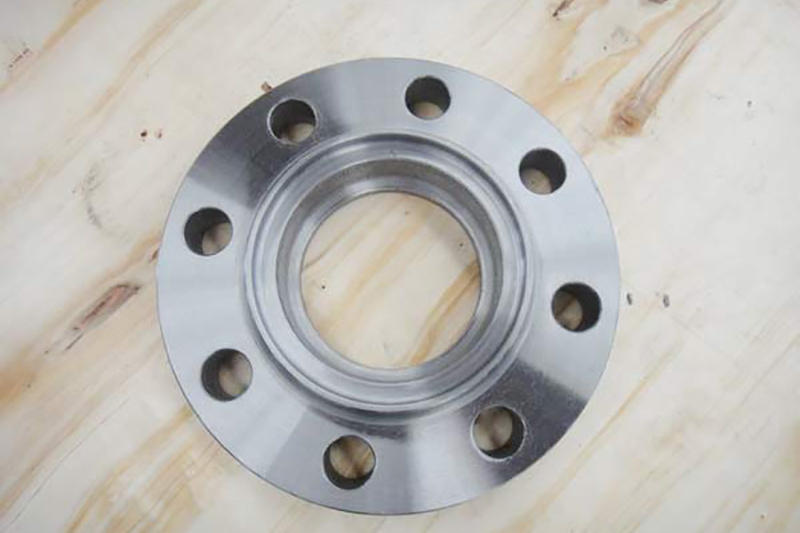
The Science Behind Flat Flange Designs: Understanding Functionality
The Science Behind Flat Flange Designs: Understanding Functionality In the world of construction and decorative materials, **flat flanges** serve as crucial components that ensure the stability and integrity of various structures. Understanding the science behind flat flange designs can significantly enhance our appreciation of their functionality and application. This article delves deeply into t
Exploring the Role of Forgings in the Steel Industries
Forgings play a pivotal role in the steel industries, particularly in the manufacturing of components utilized in construction and decorative materials. This process involves shaping steel through deformation, which significantly enhances its mechanical properties compared to other manufacturing techniques such as casting. By understanding the benefits and applications of forgings, professionals c

The Historical Evolution of Stainless Steel Forging Methods: A Comprehensive Analysis
The Historical Evolution of Stainless Steel Forging Methods Introduction to Stainless Steel Forging Stainless steel forging has come a long way since its inception in the early 20th century. This process involves shaping stainless steel through the application of compressive forces, resulting in enhanced mechanical properties and durability. Understanding the evolution of these forging methods is
Shandong Xinhao Forging Co.,Ltd.
Tel:+86-15098858482
WeChat: 543983004
Email:xinhaoflange@gmail.com
Whatsapp:8615098858482
Website:www.xhflange.com

TikTok