

Flat Flanges in Water Supply Systems: Ensuring Reliability and Performance
Release time:
2026-05-13
Flat Flanges in Water Supply Systems: Ensuring Reliability and Performance Table of Contents Introduction to Flat Flanges Benefits of Flat Flanges in Water Supply Systems Understanding Flat Flange Specifications Installation Process for Flat Flanges Maintenance Practices for Flat Flanges Common Issues with Flat Flanges and Solutions Flat Flanges vs. Other Flange Types

Flat Flanges in Water Supply Systems: Ensuring Reliability and Performance
Table of Contents
- Introduction to Flat Flanges
- Benefits of Flat Flanges in Water Supply Systems
- Understanding Flat Flange Specifications
- Installation Process for Flat Flanges
- Maintenance Practices for Flat Flanges
- Common Issues with Flat Flanges and Solutions
- Flat Flanges vs. Other Flange Types
- Conclusion
- Frequently Asked Questions
Introduction to Flat Flanges
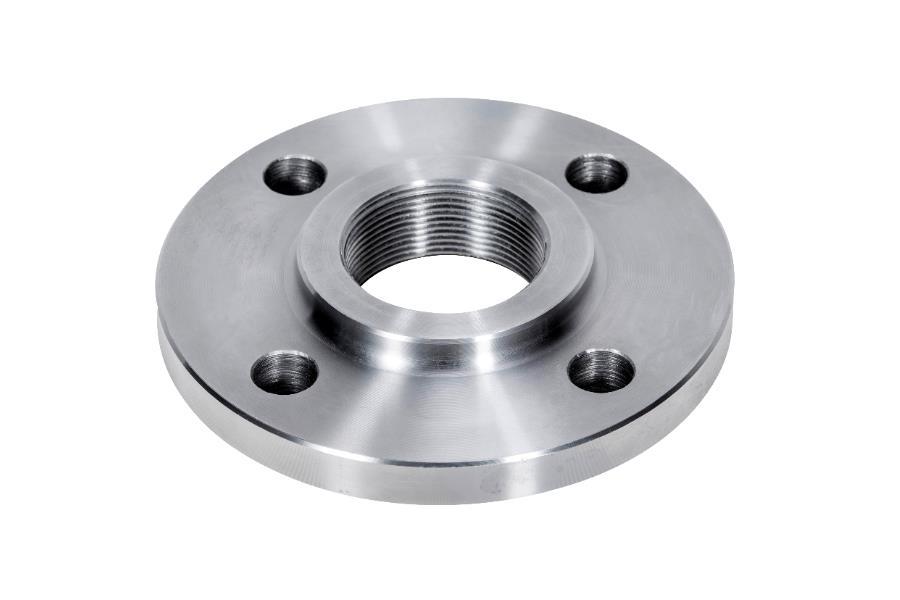
Flat flanges are essential components in water supply systems, providing a secure connection for pipes and ensuring the integrity of the entire system. These flanges offer a flat sealing surface that facilitates a strong bond, making them ideal for various applications, including residential plumbing, industrial water supply, and municipal infrastructure. Understanding the significance of flat flanges is crucial for anyone involved in the design, installation, or maintenance of water supply systems.
Benefits of Flat Flanges in Water Supply Systems
Flat flanges present numerous advantages in water supply systems:
1. Enhanced Sealing Capability
Due to their flat surface, these flanges provide a more reliable sealing capability compared to other types of flanges. This characteristic minimizes the risk of leaks, which is crucial in maintaining system integrity.
2. Easy Installation
The installation process for flat flanges is relatively straightforward. They can be easily aligned and bolted together, making them a preferred choice for contractors looking for efficiency.
3. Versatility
Flat flanges can accommodate various pipe sizes and materials, making them suitable for diverse applications within water supply systems.
4. Cost-Effective
Given their durability and ease of installation, flat flanges offer a cost-effective solution for water supply systems, reducing both material and labor costs.
5. Corrosion Resistance
Many flat flanges are made from corrosion-resistant materials, enhancing their lifespan and reducing the frequency of replacements.
Understanding Flat Flange Specifications
To select the right flat flanges for your water supply system, it is essential to understand their specifications:
1. Material Types
Flat flanges are available in various materials, including stainless steel, carbon steel, and plastic. Each material has its specific benefits and applications.
2. Pressure Ratings
Different flat flanges come with varying pressure ratings, indicating their suitability for high-pressure applications. It is vital to match the flange's pressure rating with the system's requirements.
3. Dimensions
Flat flanges come in multiple sizes. Common dimensions include diameter and thickness, which need to align with the pipes they are connecting.
4. Standards and Certifications
Ensure that the flat flanges you select comply with industry standards, such as ANSI, ASME, or ISO. Certified flanges ensure reliability and performance.
Installation Process for Flat Flanges
A proper installation of flat flanges is crucial to ensure the efficiency of water supply systems. Follow these steps for optimal installation:
1. Preparation
Begin by preparing the surfaces of the flanges and the pipe ends. Clean any dirt or debris to ensure a proper seal.
2. Alignment
Align the flat flanges with the corresponding pipes. Ensure that the bolt holes are evenly spaced and aligned.
3. Securing
Insert the bolts through the aligned holes and tighten them gradually in a criss-cross pattern to ensure even distribution of pressure.
4. Final Check
After tightening, conduct a visual inspection to confirm that the flanges are properly aligned and secured, ensuring there are no gaps that could lead to leaks.
Maintenance Practices for Flat Flanges
Regular maintenance of flat flanges is crucial to ensure long-term performance. Consider these practices:
1. Inspection
Conduct periodic inspections to identify any signs of wear, corrosion, or misalignment. Early detection can prevent more significant issues later.
2. Tightening Bolts
Regularly check the tightness of the bolts. Over time, vibrations and pressure can loosen them, leading to leaks.
3. Cleaning
Keep the flanges clean from debris and corrosive materials. Regular cleaning can extend the life of the flanges and maintain system efficiency.
4. Replacement
If you notice significant wear or damage, consider replacing the flat flanges promptly to prevent failure in the water supply system.
Common Issues with Flat Flanges and Solutions
Flat flanges can encounter several issues that may affect their performance. Here are some common problems and their solutions:
1. Leakage
*Solution*: Ensure proper torque specifications during installation and regularly check for bolt tightness. Replacing worn gaskets can also help.
2. Corrosion
*Solution*: Use corrosion-resistant materials and apply protective coatings. Regular inspections can catch issues early.
3. Misalignment
*Solution*: Proper alignment during installation is crucial. Use alignment tools to ensure the flanges are properly positioned.
4. Bolts Loosening
*Solution*: Utilize lock washers or proper bolt tightening techniques to keep bolts secure over time.
Flat Flanges vs. Other Flange Types
When considering flat flanges, it is essential to understand how they compare to other flange types:
1. Weld Neck Flanges
Weld neck flanges are ideal for high-pressure applications but require more complex installation and welding.
2. Slip-On Flanges
While simpler to install than weld neck flanges, slip-on flanges may not provide the same level of sealing as flat flanges.
3. Blind Flanges
Used to seal off ends of piping systems, blind flanges do not connect pipes but are crucial for system maintenance.
Flat flanges present a balanced solution between performance, cost, and ease of use compared to these alternatives.
Conclusion
Flat flanges are critical components in ensuring the reliability and efficiency of water supply systems. Their benefits, including enhanced sealing capability, ease of installation, and versatility, make them a preferred choice for contractors and engineers alike. By understanding their specifications, installation processes, maintenance practices, and common issues, we can ensure that these flanges perform optimally, safeguarding our water supply infrastructure.
Frequently Asked Questions
1. What is the primary purpose of flat flanges in water supply systems?
Flat flanges provide a secure and reliable connection between pipes, preventing leaks and ensuring system integrity.
2. How do I choose the right material for flat flanges?
Selecting the right material depends on the application, pressure requirements, and environmental conditions. Stainless steel is often used for its corrosion resistance.
3. What should I do if I notice a leak in a flat flange connection?
You should inspect the bolts for tightness and check for signs of wear on the gasket. If necessary, replace the gasket and retighten the bolts.
4. How often should I conduct maintenance on flat flanges?
Regular maintenance should be conducted at least once a year or more frequently in high-stress systems.
5. Are flat flanges suitable for high-pressure water supply systems?
Yes, flat flanges can be used in high-pressure systems, provided they are selected with the appropriate pressure rating and material.
With this detailed guide on flat flanges, water supply systems can achieve higher reliability and performance, ensuring a steady and safe water supply for all users.
Previous
Latest developments
Flat Flanges in Water Supply Systems: Ensuring Reliability and Performance
Flat Flanges in Water Supply Systems: Ensuring Reliability and Performance Table of Contents Introduction to Flat Flanges Benefits of Flat Flanges in Water Supply Systems Understanding Flat Flange Specifications Installation Process for Flat Flanges Maintenance Practices for Flat Flanges Common Issues with Flat Flanges and Solutions Flat Flanges vs. Other Flange Types
Understanding Forgings in the Steel Industry: Key Insights for Construction and Decorative Materials
The steel industry, particularly in the realm of forgings, plays a crucial role in the construction and decorative materials sector. Steel forgings are produced by shaping heated steel through the application of compressive forces, ensuring high strength, durability, and reliability. This process creates a superior material compared to other manufacturing methods such as casting, due to its fine g

Understanding Non-Standard Flanges: Essential Insights for Construction and Decoration
Non-standard flanges play a pivotal role in the construction and decoration materials sector, particularly when it comes to piping systems. Unlike standard flanges, which conform to widely accepted dimensions and specifications, non-standard flanges are designed to meet specific requirements dictated by unique project needs or particular installation scenarios. This adaptability makes them an esse
American Standard flanges play a crucial role in various construction and piping applications, particularly in the realm of plumbing and piping systems. These flanges conform to specific dimensional standards set by the American National Standards Institute (ANSI), ensuring compatibility and reliability in connections. Understanding the specifications and applications of American Standard flanges
How to Properly Torque Threaded Flanges for Maximum Strength
How to Properly Torque Threaded Flanges for Maximum Strength In the world of construction and decoration, the integrity of your connections plays a vital role in ensuring durability and reliability. When dealing with threaded flanges, proper torque application is essential for achieving maximum strength and preventing failures. This article delves into the nuances of torquing threaded flanges, off
Understanding Flanged Connections: A Key Component in Construction and Decorative Materials
Flanged connections are mechanical joints that allow two sections of piping or equipment to be securely joined together. They consist of two flanges, usually made from metal or plastic, that are bolted together, creating a reliable and leak-proof seal. This type of connection is fundamental in various applications, including plumbing, HVAC systems, and chemical processing, where the integrity of t
Shandong Xinhao Forging Co.,Ltd.
Tel:+86-15098858482
WeChat: 543983004
Email:xinhaoflange@gmail.com
Whatsapp:8615098858482
Website:www.xhflange.com

TikTok