

Understanding Flanged Connections: A Key Component in Construction and Decorative Materials
Release time:
2026-04-20
Flanged connections are mechanical joints that allow two sections of piping or equipment to be securely joined together. They consist of two flanges, usually made from metal or plastic, that are bolted together, creating a reliable and leak-proof seal. This type of connection is fundamental in various applications, including plumbing, HVAC systems, and chemical processing, where the integrity of t
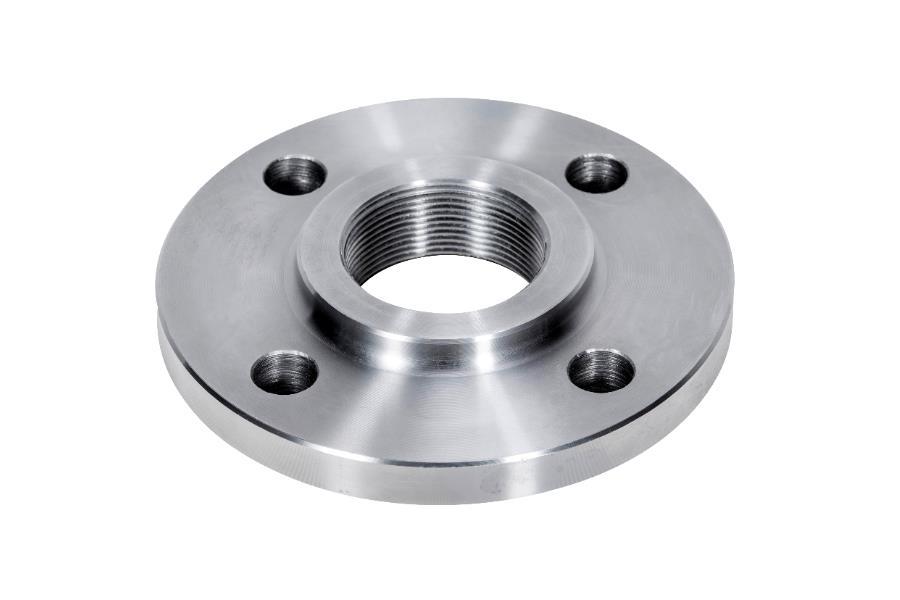
One of the primary advantages of flanged connections is their ease of installation and disassembly. Unlike welded connections, which require significant skill and equipment, flanged joints can be assembled and disassembled with simple hand tools. This feature is particularly beneficial for maintenance and repairs, as it minimizes downtime and labor costs. Additionally, flanged connections are adaptable; they can accommodate thermal expansion and contraction, which is crucial in environments subject to temperature fluctuations.
Flanged connections can be categorized into several types, including raised face, flat face, and ring-type joint flanges. Each type has its unique design and applications. For instance, raised face flanges are commonly used in high-pressure systems due to their enhanced sealing surface, which helps prevent leaks. On the other hand, flat face flanges are typically used in low-pressure applications and are designed to be used with gaskets that ensure a tight seal.
When selecting flanged connections for your projects, it's essential to consider factors such as the material compatibility, pressure ratings, and temperature limits. The choice of materials for the flanges and gaskets can significantly affect the overall performance and longevity of the connection. For example, stainless steel flanges are preferred in corrosive environments due to their resistance to rust and corrosion, while plastic flanges may be suitable for lower pressure systems.
In summary, flanged connections are a pivotal element in the construction and decorative materials industry. Understanding their types, advantages, and proper selection criteria can greatly enhance the efficiency and safety of piping systems. By utilizing the right flanged connection, professionals can ensure robust and reliable infrastructure that meets the demands of modern construction challenges. Whether you are involved in design, installation, or maintenance, a thorough grasp of flanged connections will empower you to make informed decisions that benefit your projects.
Previous
Latest developments
Understanding Flanged Connections: A Key Component in Construction and Decorative Materials
Flanged connections are mechanical joints that allow two sections of piping or equipment to be securely joined together. They consist of two flanges, usually made from metal or plastic, that are bolted together, creating a reliable and leak-proof seal. This type of connection is fundamental in various applications, including plumbing, HVAC systems, and chemical processing, where the integrity of t

Optimizing Your Pipe Systems with Sliding Flanges: Essential Tips and Tricks for Maximum Efficiency
Optimizing Your Pipe Systems with Sliding Flanges: Essential Tips and Tricks Table of Contents 1. Introduction to Sliding Flanges 2. Key Benefits of Using Sliding Flanges 3. Common Applications of Sliding Flanges in Pipe Systems 4. Installation Tips for Sliding Flanges 5. Maintenance Strategies for Sliding Flanges 6. Troubleshooting Common Issues with Sliding Flanges 7
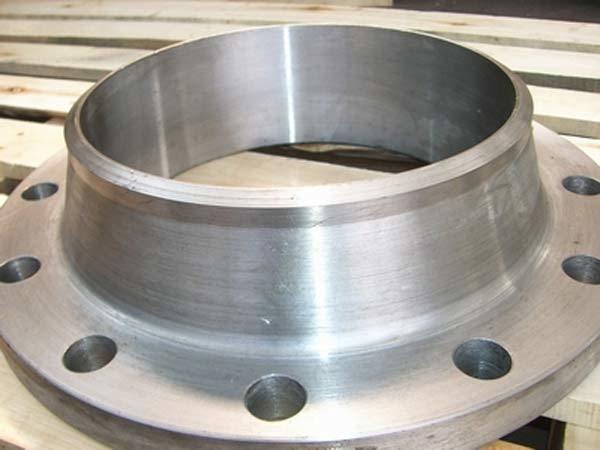
Understanding High Neck Flanges: Essential Components in Construction and Decoration
High neck flanges are specialized fittings used primarily in piping systems to connect pipe sections, valves, and other equipment. They are characterized by a raised neck, which provides additional support and stability, making them an excellent choice for high-pressure applications. The design of high neck flanges allows for improved alignment during installation, ensuring a secure and leak-proof
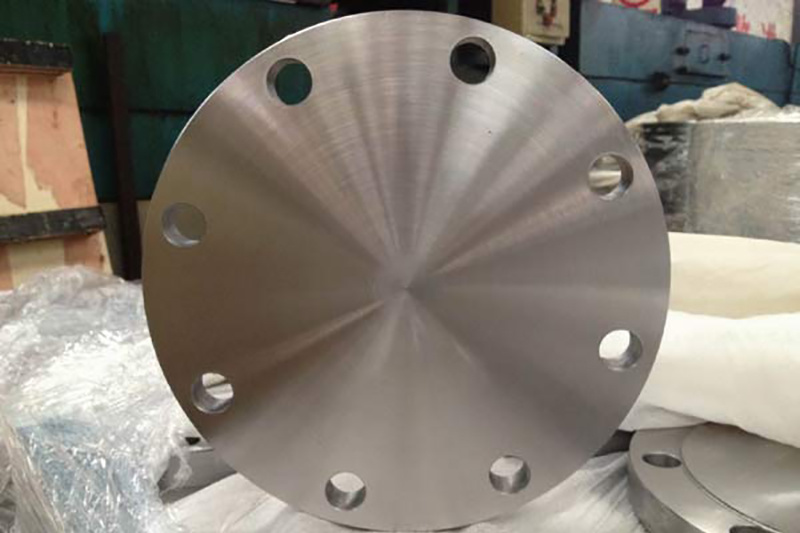
Comparing Materials for Flat Flanges: Which is Right for You?
Comparing Materials for Flat Flanges: Which is Right for You? When it comes to construction and decorative projects, selecting the right materials is crucial for ensuring durability, efficiency, and aesthetic appeal. One essential component in many piping systems is the flat flange. The choice of material for flat flanges can significantly impact the functionality and longevity of the systems they
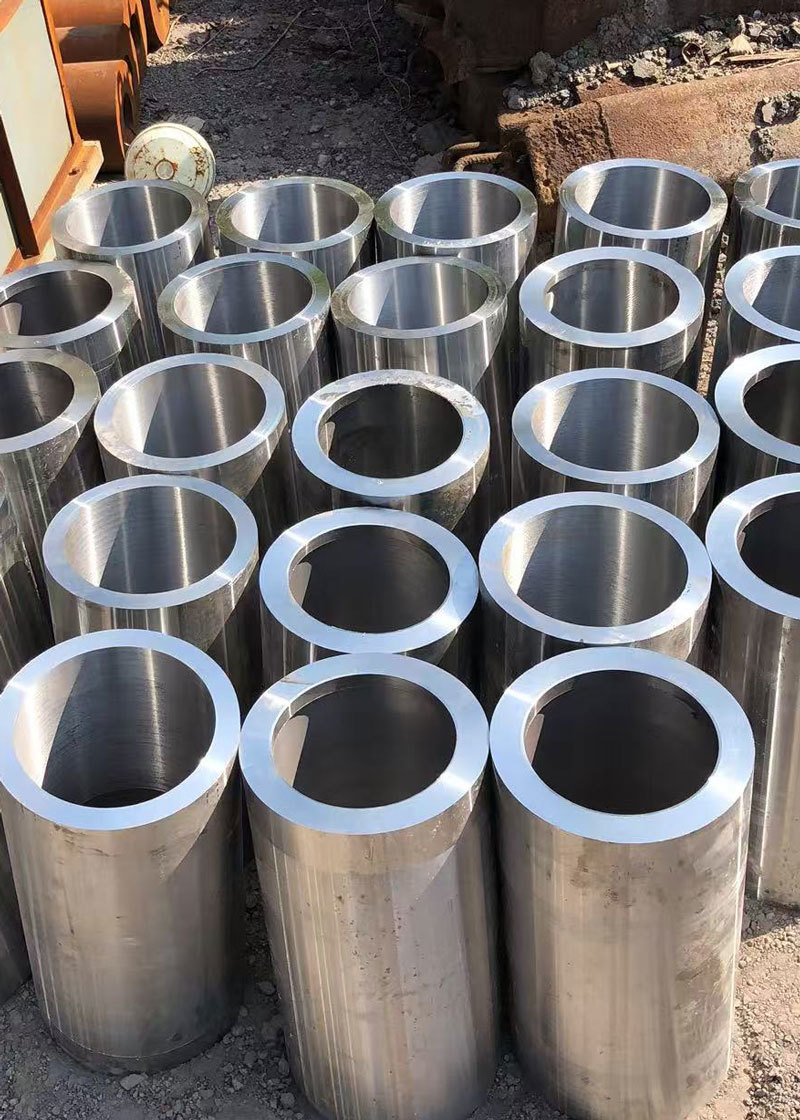
Understanding the Role of Forgings in the Steel Industry: A Key Component for Structural Excellence
In the steel industry, forgings play an essential role, especially in applications related to construction and decorative materials. Steel forgings are created through a process that involves shaping heated metal using compressive forces. This method results in a material that possesses superior mechanical properties, making it ideal for demanding applications within the architectural sector. One
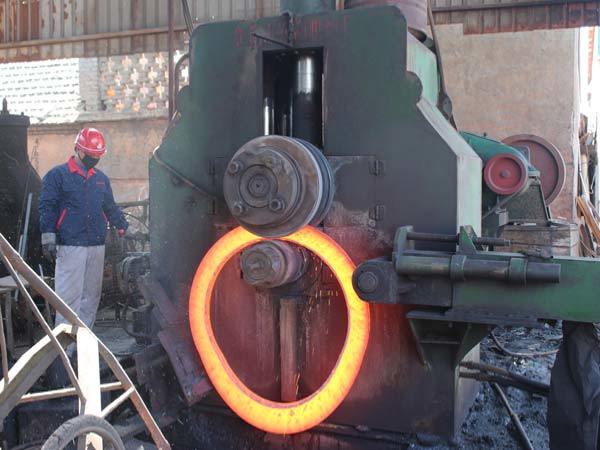
Understanding the Cost-Efficiency of Forged Stainless Steel: A Comprehensive Guide
Understanding the Cost-Efficiency of Forged Stainless Steel Table of Contents 1. Introduction to Forged Stainless Steel 2. What is Forged Stainless Steel? 3. Benefits of Forged Stainless Steel 4. Cost Analysis of Forged Stainless Steel 5. Applications of Forged Stainless Steel 6. Comparison with Other Materials 7. Maintenance and Longevity of Forged Stainless Steel
Shandong Xinhao Forging Co.,Ltd.
Tel:+86-15098858482
WeChat: 543983004
Email:xinhaoflange@gmail.com
Whatsapp:8615098858482
Website:www.xhflange.com

TikTok