

Understanding the Role of Forgings in the Steel Industry: A Key Component for Structural Excellence
Release time:
2026-04-08
In the steel industry, forgings play an essential role, especially in applications related to construction and decorative materials. Steel forgings are created through a process that involves shaping heated metal using compressive forces. This method results in a material that possesses superior mechanical properties, making it ideal for demanding applications within the architectural sector. One
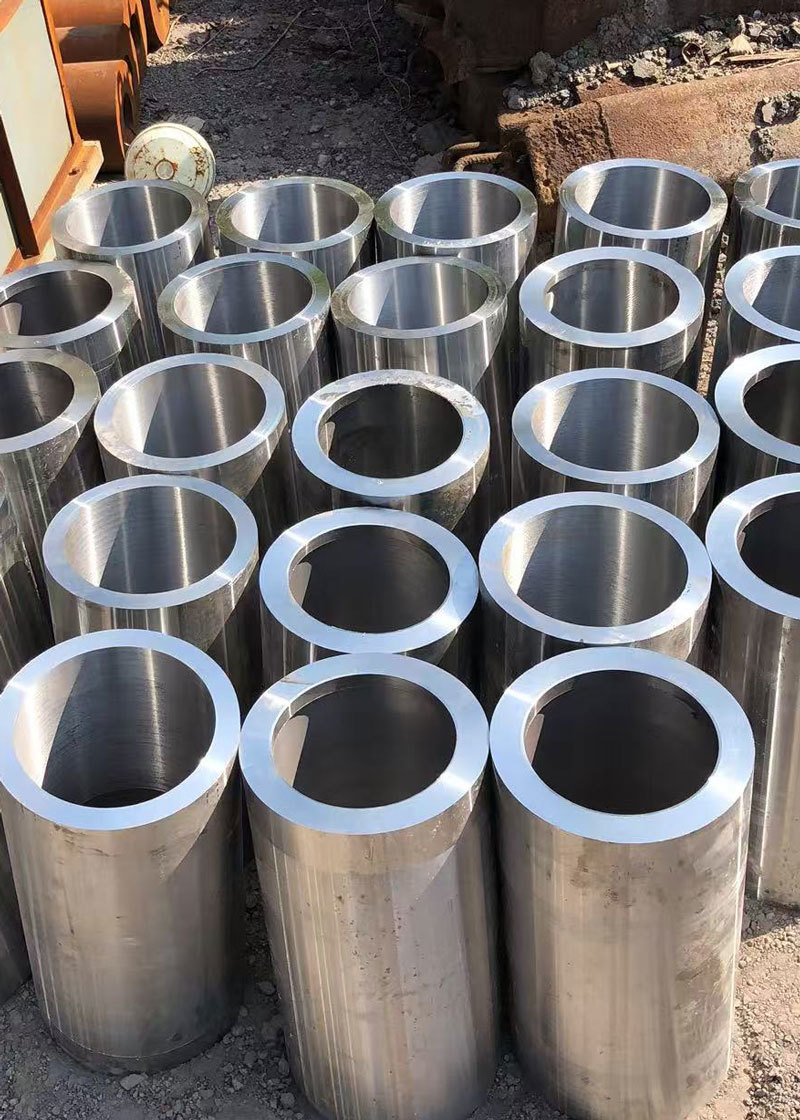
One of the primary advantages of steel forgings lies in their strength and durability. The forging process aligns the grain structure of the steel, enhancing its tensile strength and fatigue resistance. This characteristic is especially critical in structural applications where safety and reliability are paramount. For instance, components such as beams, brackets, and connectors, which are essential in buildings and bridges, often utilize forged steel to withstand heavy loads and extreme environmental conditions.
Moreover, steel forgings allow for a high degree of customization. Manufacturers can produce complex shapes and sizes tailored to specific design requirements, making them versatile for various architectural projects. This flexibility not only meets but often exceeds the design expectations in modern construction, where aesthetics and functionality must coexist harmoniously.
Another notable aspect of steel forgings is their ability to undergo post-forging treatments, such as heat treatment and surface finishing. These processes further enhance the properties of the forgings, improving their corrosion resistance and overall performance. In environments exposed to moisture or harsh chemicals, treated forgings can prolong the lifespan of structural components significantly, reducing maintenance costs over time.
In terms of sustainability, the steel forging process can also be more environmentally friendly compared to other manufacturing methods. By utilizing recycled steel and producing less waste, the forging industry contributes to a more sustainable approach to material sourcing and production. This aligns with the growing emphasis on eco-friendly practices in the construction industry.
In conclusion, the significance of steel industries forgings cannot be overstated. Their combination of strength, durability, and customization capabilities makes them a vital component in construction and decorative applications. As architects and builders continue to push the boundaries of design and innovation, the use of forged steel components will undoubtedly play a crucial role in shaping the future of the built environment. Understanding the advantages and applications of steel forgings will empower industry professionals to make informed decisions that enhance both the performance and aesthetics of their projects.
Previous
Latest developments
Understanding the Role of Forgings in the Steel Industry: A Key Component for Structural Excellence
In the steel industry, forgings play an essential role, especially in applications related to construction and decorative materials. Steel forgings are created through a process that involves shaping heated metal using compressive forces. This method results in a material that possesses superior mechanical properties, making it ideal for demanding applications within the architectural sector. One
Understanding the Cost-Efficiency of Forged Stainless Steel: A Comprehensive Guide
Understanding the Cost-Efficiency of Forged Stainless Steel Table of Contents 1. Introduction to Forged Stainless Steel 2. What is Forged Stainless Steel? 3. Benefits of Forged Stainless Steel 4. Cost Analysis of Forged Stainless Steel 5. Applications of Forged Stainless Steel 6. Comparison with Other Materials 7. Maintenance and Longevity of Forged Stainless Steel
Understanding Non-Standard Flanges: A Comprehensive Guide for Professionals
In the construction and decorative materials sector, non-standard flanges are often necessary when standard-sized flanges do not meet specific project requirements. These flanges are custom-designed to accommodate unique dimensions, shapes, or pressure ratings, ensuring compatibility with various piping systems and enhancing system performance. One of the primary reasons for using non-standard fla
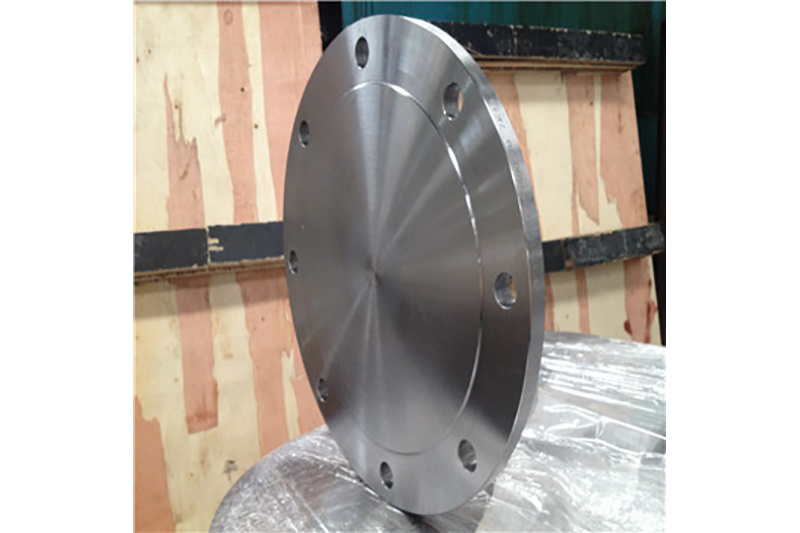
Why Japanese Standard Flanges Are Essential for HVAC Systems
Why Japanese Standard Flanges Are Essential for HVAC Systems Table of Contents Introduction to Japanese Standard Flanges The Importance of Flanges in HVAC Systems Overview of Japanese Standards for Flanges Types of Japanese Standard Flanges Used in HVAC Benefits of Using Japanese Standard Flanges Installation Guidelines for Japanese Standard Flanges Maintenance Practic
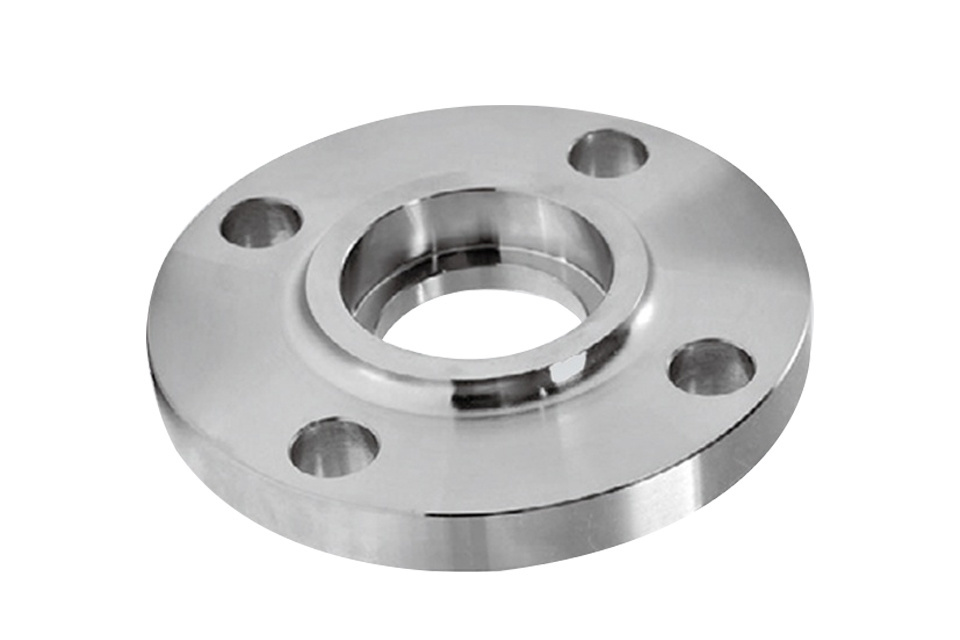
American standard flanges play a pivotal role in the construction and plumbing industries, serving as essential connectors for pipes, valves, and other equipment. These flanges adhere to the American National Standards Institute (ANSI) specifications, ensuring consistency and compatibility in various applications. When selecting American standard flanges, it is crucial to understand their types,
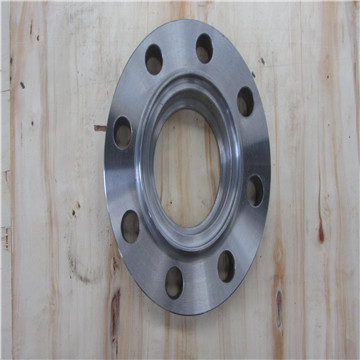
The Environmental Impact of Using Threaded Flanges in Construction
The Environmental Impact of Using Threaded Flanges in Construction Understanding Threaded Flanges and Their Role in Construction Threaded flanges are essential components in various piping systems, facilitating the connection of pipes, valves, and other equipment. These flanges are characterized by their internal threads, allowing for easy assembly and disassembly without welding. In the construct
Shandong Xinhao Forging Co.,Ltd.
Tel:+86-15098858482
WeChat: 543983004
Email:xinhaoflange@gmail.com
Whatsapp:8615098858482
Website:www.xhflange.com

TikTok