

Understanding the Cost-Efficiency of Forged Stainless Steel: A Comprehensive Guide
Release time:
2026-04-05
Understanding the Cost-Efficiency of Forged Stainless Steel Table of Contents 1. Introduction to Forged Stainless Steel 2. What is Forged Stainless Steel? 3. Benefits of Forged Stainless Steel 4. Cost Analysis of Forged Stainless Steel 5. Applications of Forged Stainless Steel 6. Comparison with Other Materials 7. Maintenance and Longevity of Forged Stainless Steel
Understanding the Cost-Efficiency of Forged Stainless Steel
Table of Contents
- 1. Introduction to Forged Stainless Steel
- 2. What is Forged Stainless Steel?
- 3. Benefits of Forged Stainless Steel
- 4. Cost Analysis of Forged Stainless Steel
- 5. Applications of Forged Stainless Steel
- 6. Comparison with Other Materials
- 7. Maintenance and Longevity of Forged Stainless Steel
- 8. Conclusion
- 9. FAQs about Forged Stainless Steel
1. Introduction to Forged Stainless Steel
Forged stainless steel has become increasingly popular within various industries due to its unique properties and cost-efficiency. Understanding this type of material requires a deep dive into its manufacturing processes, advantages, and its comparative performance against other materials. This article will provide an in-depth analysis of forged stainless steel, showcasing why it is the preferred choice for many applications.
2. What is Forged Stainless Steel?
Forged stainless steel refers to a category of stainless steel that has been shaped through deformation under high pressure. This method enhances the material's strength and durability, making it suitable for challenging conditions. Forging can be achieved through various processes, including hot forging and cold forging, each offering different benefits depending on the application.
2.1 The Forging Process
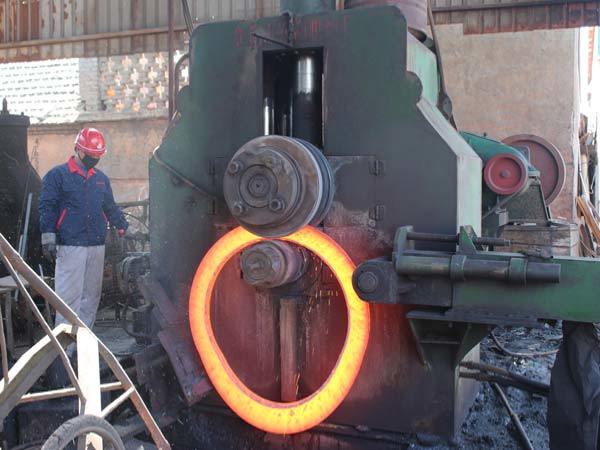
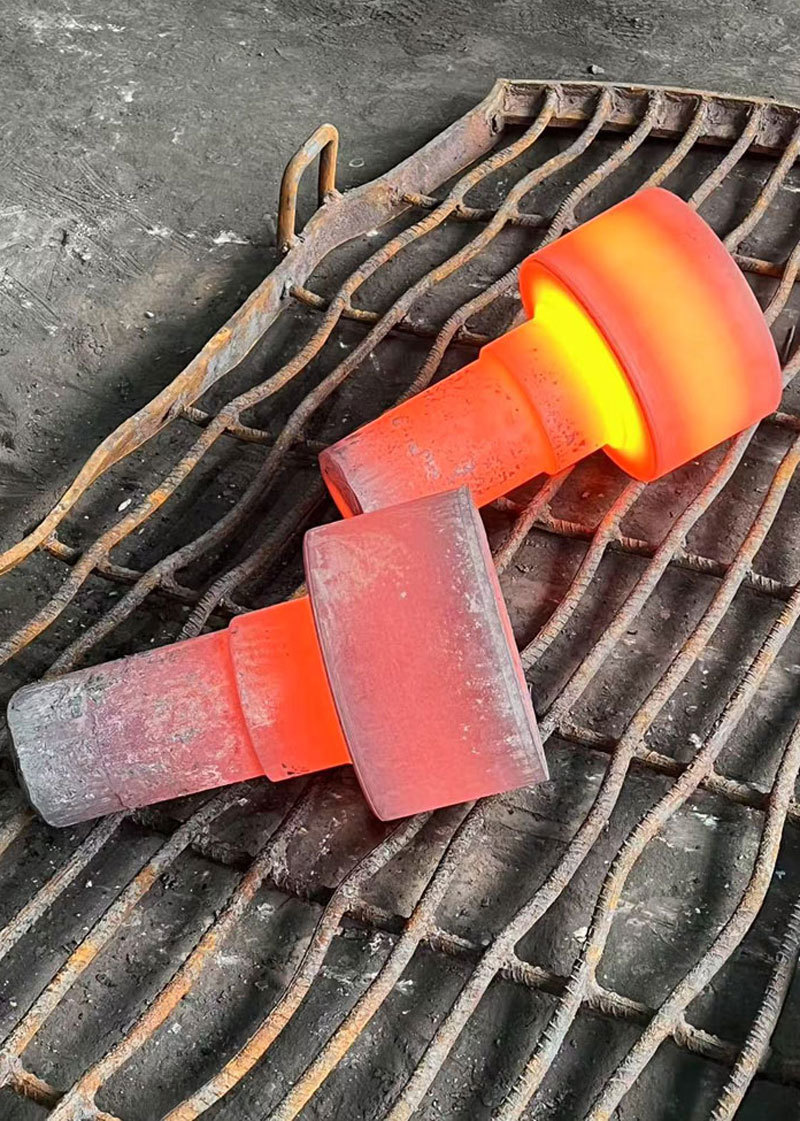
The forging process involves several stages, starting with heating the stainless steel to a malleable state. Once heated, the steel is subjected to immense pressure, which alters its shape while aligning its internal structure. This results in improved mechanical properties and a reduction in defects compared to cast alternatives.
2.2 Types of Forged Stainless Steel
There are different grades of forged stainless steel, including austenitic, ferritic, and martensitic steels. Each type offers unique properties:
- **Austenitic stainless steel**: Known for its corrosion resistance and formability.
- **Ferritic stainless steel**: Offers good stress corrosion resistance and is less expensive.
- **Martensitic stainless steel**: Known for its high strength and hardness.
3. Benefits of Forged Stainless Steel
The advantages of using forged stainless steel extend beyond mere strength. Here are some key benefits:
3.1 Enhanced Strength and Durability
Forged stainless steel exhibits superior strength compared to cast materials, making it an ideal choice for applications requiring high tensile strength.
3.2 Corrosion Resistance
This material is highly resistant to corrosive environments, which increases its lifespan in industries such as chemical processing and marine applications.
3.3 Cost-Effective in the Long Run
While the initial investment may be higher than other materials, the longevity and reduced maintenance costs associated with forged stainless steel make it a cost-effective option over time.
4. Cost Analysis of Forged Stainless Steel
Understanding the cost of forged stainless steel involves examining not just the material cost but also the long-term benefits.
4.1 Initial Costs vs. Long-Term Savings
The initial costs of forged stainless steel can be higher due to the manufacturing process. However, factors such as lower replacement rates and reduced downtime in production due to durability contribute to significant long-term savings.
4.2 Factors Influencing Cost
Several factors influence the overall cost of forged stainless steel, including:
- **Raw material prices**: Fluctuations in nickel and chromium prices can impact costs.
- **Manufacturing process**: Different forging techniques come with varying expenses.
- **Labor costs**: Skilled labor for the forging process can also influence final pricing.
5. Applications of Forged Stainless Steel
The versatility of forged stainless steel allows it to be utilized across various industries, including:
5.1 Aerospace Industry
In aerospace, the strength-to-weight ratio of forged stainless steel makes it an essential component for aircraft parts.
5.2 Oil and Gas Sector
Forged stainless steel is commonly used for valves and fittings in oil and gas applications due to its ability to withstand extreme environments.
5.3 Medical Equipment
The material's corrosion resistance and strength make it ideal for surgical instruments and implants.
6. Comparison with Other Materials
When comparing forged stainless steel to other materials, such as cast iron and aluminum, several advantages become apparent.
6.1 Forged Stainless Steel vs. Cast Iron
While cast iron is less expensive, forged stainless steel offers superior tensile strength and corrosion resistance, making it a better option for high-stress applications.
6.2 Forged Stainless Steel vs. Aluminum
Aluminum may be lighter, but forged stainless steel provides greater strength and longevity, particularly in demanding conditions.
7. Maintenance and Longevity of Forged Stainless Steel
Maintaining forged stainless steel is relatively easy, primarily due to its corrosion resistance. Regular cleaning with mild detergents can ensure its longevity. Additionally, periodic inspections can help identify any wear and tear before it becomes a more significant issue.
7.1 Longevity in Harsh Environments
Forged stainless steel is particularly advantageous in harsh environments, as its resistance to rust and degradation minimizes the need for frequent replacements.
7.2 Eco-Friendly Considerations
The longevity of forged stainless steel also contributes to sustainability efforts, as it requires fewer replacements and thereby reduces waste over time.
8. Conclusion
In summary, forged stainless steel is a material that excels in cost-efficiency when considering its durability, corrosion resistance, and the long-term savings it provides. Understanding its unique properties and applications can help industries make informed decisions regarding material selection. The initial investment in forged stainless steel often pays off in decreased maintenance costs and prolonged service life, making it a preferred choice across various sectors.
9. FAQs about Forged Stainless Steel
What is the main advantage of forged stainless steel?
The primary advantage of forged stainless steel is its superior strength and durability, which makes it suitable for high-stress applications.
How does forged stainless steel differ from cast stainless steel?
Forged stainless steel is created through deformation under pressure, resulting in a denser and stronger material, while cast stainless steel is made by pouring molten metal into molds, which can lead to defects.
Is forged stainless steel more expensive than other materials?
While the initial costs may be higher than some alternatives, the long-term savings from durability and reduced maintenance make it a cost-effective choice.
Can forged stainless steel be recycled?
Yes, forged stainless steel is highly recyclable, which makes it an environmentally friendly option.
What industries commonly use forged stainless steel?
Common industries include aerospace, oil and gas, medical equipment, and construction, among others.
By focusing on the specific attributes and advantages of forged stainless steel, this article provides a comprehensive resource for understanding its cost-efficiency and applications.
Latest developments
Quality Standards in the Forging of Stainless Steel Products: Ensuring Excellence in Metallurgy
Quality Standards in the Forging of Stainless Steel Products Table of Contents Introduction to Stainless Steel Forging The Importance of Quality Standards in Forging Types of Stainless Steel Used in Forging Common Forging Processes in Stainless Steel Manufacturing Quality Assurance Methodologies in Stainless Steel Forging Testing and Certification of Stainless Steel Products Global
Understanding Non-Standard Flanges: A Key Component in Architectural Applications
Non-standard flanges are specialized components that deviate from conventional sizing and design specifications. Unlike standard flanges, which adhere to established dimensions and pressure ratings, non-standard flanges are custom-made to meet unique project requirements. These flanges are crucial in various architectural and construction applications, particularly when dealing with unconventional
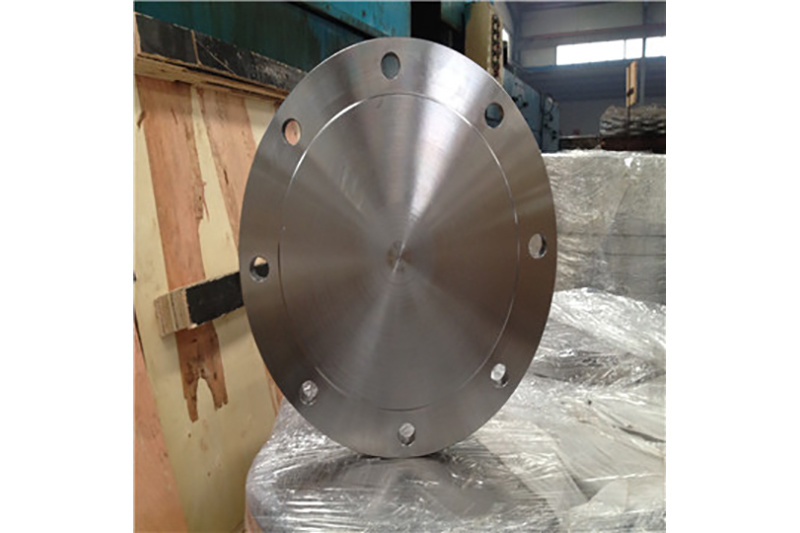
The Importance of Quality Control for Japanese Standard Flanges: Ensuring Durability and Reliability
The Importance of Quality Control for Japanese Standard Flanges In the construction and manufacturing sectors, the significance of quality control cannot be overstated, especially for components as crucial as flanges. Japanese standard flanges, known for their precision and durability, require stringent quality control measures to meet the demands of various applications. This article delves into
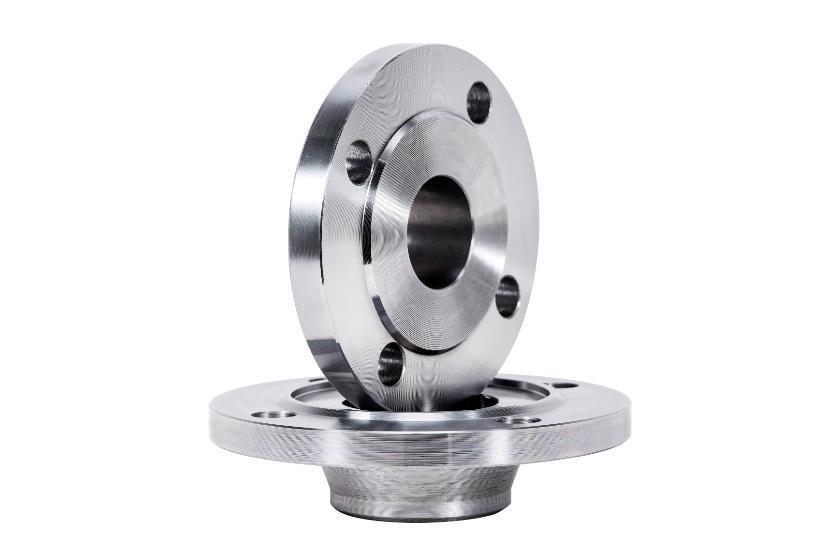
Understanding American Standard Flange in Construction and Decoration Materials
American standard flanges are critical components in the field of construction and decorative materials, particularly in piping systems. These flanges adhere to specific standards established by organizations such as the American National Standards Institute (ANSI) and the American Society of Mechanical Engineers (ASME). Their design and specifications are essential for ensuring compatibility and
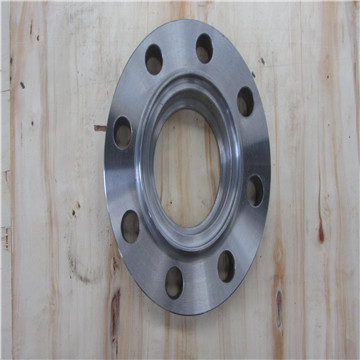
Exploring the Advantages of Using Threaded Flanges in HVAC Systems
Exploring the Advantages of Using Threaded Flanges in HVAC Systems Table of Contents 1. Introduction to Threaded Flanges in HVAC 2. Understanding Threaded Flanges 3. Benefits of Using Threaded Flanges in HVAC Systems 3.1 Superior Sealing Capability 3.2 Ease of Installation and Maintenance 3.3 Cost-Effectiveness 3.4 Versatility i

The Essential Guide to Flanged Connections in Building and Decorative Materials
Flanged connections are vital components in the construction and decorative materials sector, especially in the context of piping systems and fittings. Understanding their function, design, and application can significantly enhance the efficiency and reliability of installations. A flanged connection involves two flanges, which are flat pieces of material with holes for bolts. These flanges are bo
Shandong Xinhao Forging Co.,Ltd.
Tel:+86-15098858482
WeChat: 543983004
Email:xinhaoflange@gmail.com
Whatsapp:8615098858482
Website:www.xhflange.com

TikTok