


Comparing Materials for Flat Flanges: Which is Right for You?
Release time:
2026-04-11
Comparing Materials for Flat Flanges: Which is Right for You? When it comes to construction and decorative projects, selecting the right materials is crucial for ensuring durability, efficiency, and aesthetic appeal. One essential component in many piping systems is the flat flange. The choice of material for flat flanges can significantly impact the functionality and longevity of the systems they
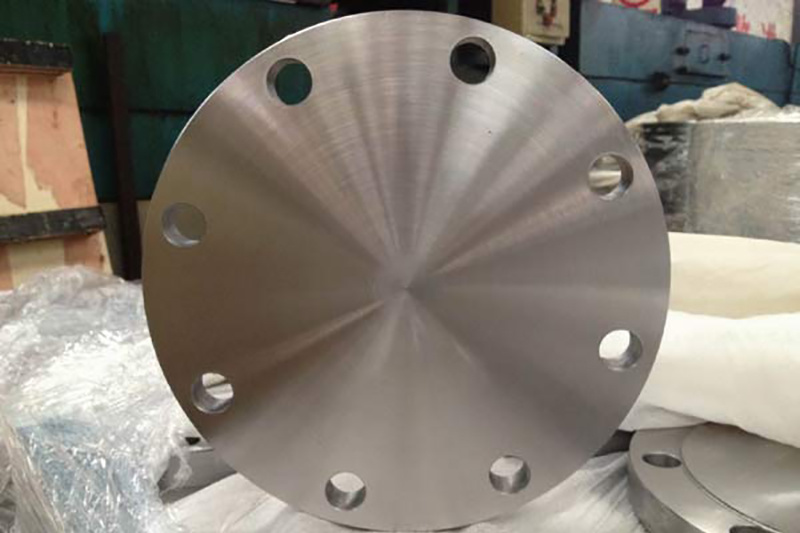
Comparing Materials for Flat Flanges: Which is Right for You?
When it comes to construction and decorative projects, selecting the right materials is crucial for ensuring durability, efficiency, and aesthetic appeal. One essential component in many piping systems is the flat flange. The choice of material for flat flanges can significantly impact the functionality and longevity of the systems they are used within. In this article, we will delve into various materials used for flat flanges, comparing their properties, advantages, and best-use scenarios.
Table of Contents
- 1. Introduction to Flat Flanges
- 2. The Importance of Material Selection
- 3. Common Materials Used for Flat Flanges
- 3.1 Steel Flanges
- 3.2 Stainless Steel Flanges
- 3.3 Cast Iron Flanges
- 3.4 Plastic Flanges
- 3.5 Composite Flanges
- 4. Factors to Consider When Choosing Flange Material
- 5. Applications of Different Flange Materials
- 6. Cost Considerations for Flat Flange Materials
- 7. Maintenance and Longevity of Flat Flanges
- 8. Conclusion
- 9. Frequently Asked Questions
1. Introduction to Flat Flanges
Flat flanges serve as critical components that allow for the connection of pipes, fittings, and other equipment in various installations. They are designed to provide a seal and support the piping system, ensuring seamless fluid transfer. The effectiveness and reliability of a flat flange depend significantly on the material from which it is made.
2. The Importance of Material Selection
Selecting the appropriate material for flat flanges is imperative to the overall success of any project. The wrong choice can lead to leaks, system failures, and costly repairs. Each material offers unique properties that cater to specific applications, environments, and load requirements. Understanding these characteristics will enable you to choose the most suitable flat flange material for your needs.
3. Common Materials Used for Flat Flanges
3.1 Steel Flanges
Steel flanges are among the most widely used in various industries due to their strength and resilience. They are capable of withstanding high pressure and temperature, making them suitable for heavy-duty applications. Steel flanges can be coated or galvanized to resist corrosion, extending their lifespan in challenging environments.
3.2 Stainless Steel Flanges
Stainless steel flanges are an excellent choice for applications that require resistance to corrosion and oxidation. They maintain their structural integrity in harsh conditions, including exposure to chemicals and moisture. Stainless steel flanges come in various grades, allowing you to select a type that meets specific project requirements.
3.3 Cast Iron Flanges
Known for their durability and ability to withstand high pressures, cast iron flanges are often utilized in plumbing and drainage systems. They are relatively cost-effective and provide excellent vibration and sound dampening characteristics. However, cast iron flanges can be more brittle than other materials, so they are not always suitable for high-stress applications.
3.4 Plastic Flanges
Plastic flanges, such as those made from PVC or CPVC, are lightweight and resistant to corrosion. They are ideal for chemical applications and environments where metal flanges may corrode. However, plastic flanges generally have lower strength and pressure ratings compared to metal alternatives, making them suitable for specific applications only.
3.5 Composite Flanges
Composite flanges combine materials like fiberglass and resin to create a lightweight yet strong option. These flanges are designed to withstand harsh chemical environments and are typically used in industries such as wastewater treatment and chemical processing. Their resistance to corrosion and chemical attack makes them an excellent choice for specialized applications.
4. Factors to Consider When Choosing Flange Material
When selecting the right material for flat flanges, several factors must be taken into account:
- Pressure and Temperature Ratings: Ensure the material can handle the operational pressures and temperatures of your system.
- Corrosion Resistance: Assess the environment in which the flanges will operate to choose a material that resists corrosion.
- Weight and Installation: Consider the weight of the material, as it can affect installation and support requirements.
- Cost: Evaluate the budget for your project and compare the costs of different materials.
- Availability: Confirm that the chosen material is readily available in your region.
5. Applications of Different Flange Materials
Each material has its own set of applications:
- Steel Flanges: Used in high-pressure piping systems, including oil and gas, petrochemical, and industrial applications.
- Stainless Steel Flanges: Common in food processing, pharmaceutical, and marine applications due to their hygiene and corrosion resistance.
- Cast Iron Flanges: Often found in municipal water systems, HVAC, and drainage systems.
- Plastic Flanges: Ideal for chemical processing, water treatment, and agricultural applications.
- Composite Flanges: Frequently used in corrosive environments such as chemical plants and waste management facilities.
6. Cost Considerations for Flat Flange Materials
The cost of flat flanges varies widely based on the material, size, and manufacturing process. Steel flanges tend to be more affordable, while stainless steel and composite options can be significantly more expensive. Consider not only the initial purchase price but also the long-term costs associated with maintenance, replacements, and operational efficiency.
7. Maintenance and Longevity of Flat Flanges
Maintenance requirements vary depending on the material chosen. For instance, stainless steel and plastic flanges generally require less maintenance compared to cast iron or steel flanges, which may need regular inspections for corrosion. Understanding the longevity of the material is also critical; while some may have a higher upfront cost, they can save you money in the long run through reduced maintenance and extended lifespan.
8. Conclusion
Choosing the right material for flat flanges is essential for the success of your construction or decorative project. By carefully analyzing the properties, benefits, and applications of steel, stainless steel, cast iron, plastic, and composite flanges, you can make an informed decision that aligns with your specific needs and budget. Always consider factors such as pressure ratings, corrosion resistance, and long-term costs to ensure your choice stands the test of time.
9. Frequently Asked Questions
What is the most commonly used material for flat flanges?
The most commonly used material for flat flanges is steel, due to its strength and versatility in various applications.
Are stainless steel flanges more expensive than other materials?
Yes, stainless steel flanges tend to be more expensive than steel or cast iron options, but they offer superior corrosion resistance and durability in harsh environments.
Can plastic flanges be used in high-pressure applications?
Plastic flanges are generally not suitable for high-pressure applications due to their lower strength ratings compared to metal flanges.
How do I maintain my flat flanges?
Maintenance typically includes regular inspections for signs of corrosion or wear, especially for metal flanges. Cleaning and tightening bolts may also be necessary to ensure a secure seal.
What factors should I consider when selecting flange materials for outdoor use?
When selecting flange materials for outdoor use, consider factors such as UV resistance, corrosion resistance, and temperature fluctuations that may affect the material's integrity over time.
Latest developments
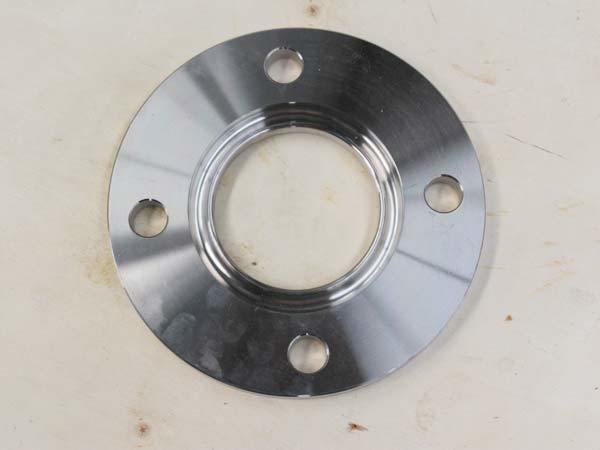
Flat Flanges in Fire Protection Systems: A Comprehensive Overview
Flat Flanges in Fire Protection Systems: A Comprehensive Overview Introduction to Flat Flanges in Fire Protection In the realm of fire protection systems, **flat flanges** serve as fundamental components that ensure the seamless connection and functionality of piping systems. These flanges play a crucial role in maintaining pressure and facilitating the smooth flow of fire suppression agents. Unde
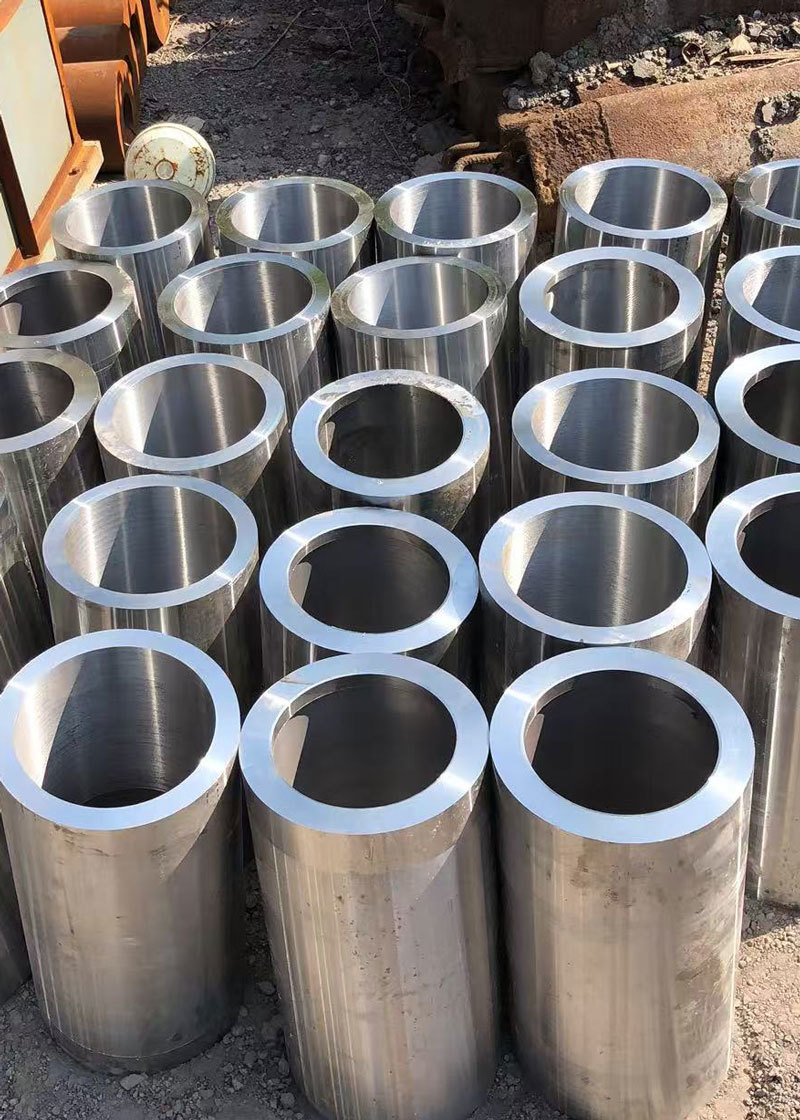
Steel industries forgings represent a crucial aspect of manufacturing within the construction sector, particularly when it comes to durable and high-quality materials. Forging is a process that involves shaping metal using localized compressive forces, resulting in products that boast enhanced strength and integrity. This technique is especially important in the construction and decorative materia
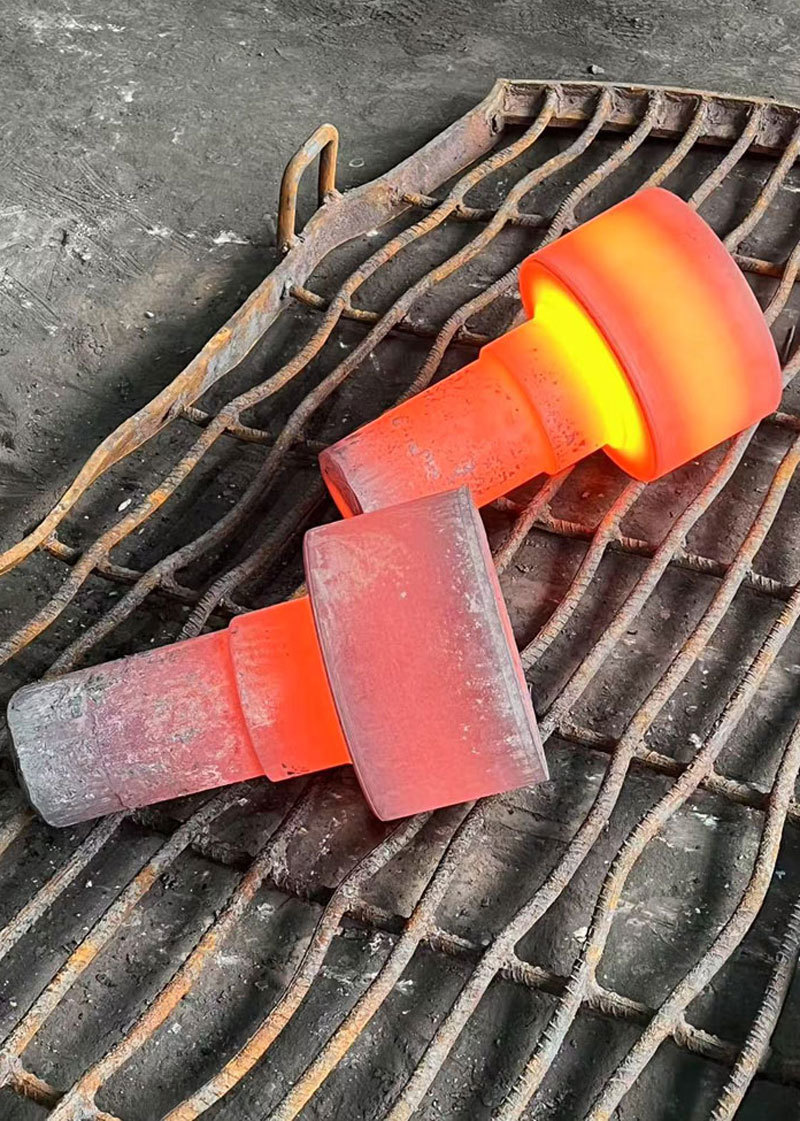
Quality Standards in the Forging of Stainless Steel Products: Ensuring Excellence in Metallurgy
Quality Standards in the Forging of Stainless Steel Products Table of Contents Introduction to Stainless Steel Forging The Importance of Quality Standards in Forging Types of Stainless Steel Used in Forging Common Forging Processes in Stainless Steel Manufacturing Quality Assurance Methodologies in Stainless Steel Forging Testing and Certification of Stainless Steel Products Global
Understanding Non-Standard Flanges: A Key Component in Architectural Applications
Non-standard flanges are specialized components that deviate from conventional sizing and design specifications. Unlike standard flanges, which adhere to established dimensions and pressure ratings, non-standard flanges are custom-made to meet unique project requirements. These flanges are crucial in various architectural and construction applications, particularly when dealing with unconventional
The Importance of Quality Control for Japanese Standard Flanges: Ensuring Durability and Reliability
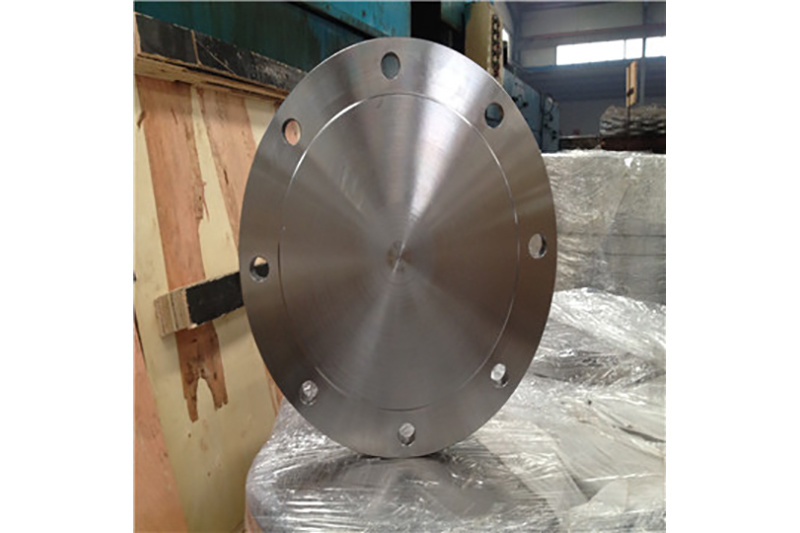
The Importance of Quality Control for Japanese Standard Flanges In the construction and manufacturing sectors, the significance of quality control cannot be overstated, especially for components as crucial as flanges. Japanese standard flanges, known for their precision and durability, require stringent quality control measures to meet the demands of various applications. This article delves into
Understanding American Standard Flange in Construction and Decoration Materials
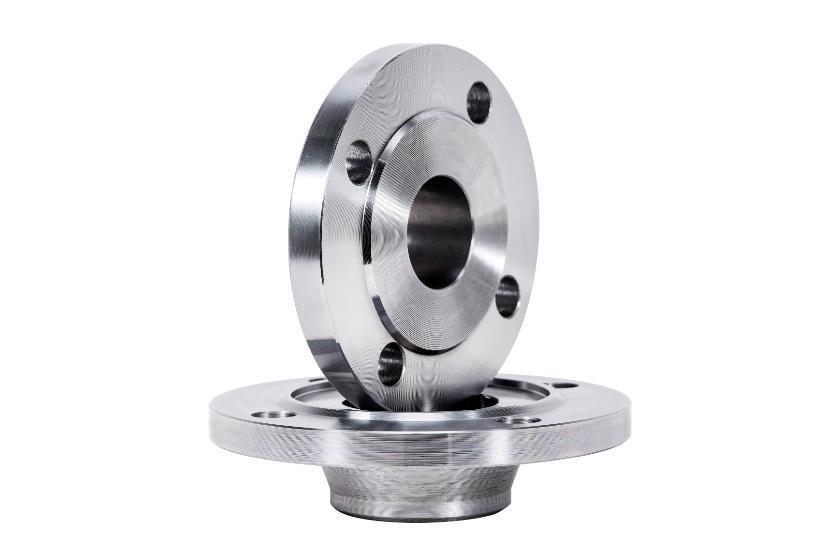
American standard flanges are critical components in the field of construction and decorative materials, particularly in piping systems. These flanges adhere to specific standards established by organizations such as the American National Standards Institute (ANSI) and the American Society of Mechanical Engineers (ASME). Their design and specifications are essential for ensuring compatibility and
Shandong Xinhao Forging Co.,Ltd.
Tel:+86-15098858482
WeChat: 543983004
Email:xinhaoflange@gmail.com
Whatsapp:8615098858482
Website:www.xhflange.com

TikTok