

Understanding High Neck Flanges: Essential Components in Construction and Decoration
Release time:
2026-04-14
High neck flanges are specialized fittings used primarily in piping systems to connect pipe sections, valves, and other equipment. They are characterized by a raised neck, which provides additional support and stability, making them an excellent choice for high-pressure applications. The design of high neck flanges allows for improved alignment during installation, ensuring a secure and leak-proof
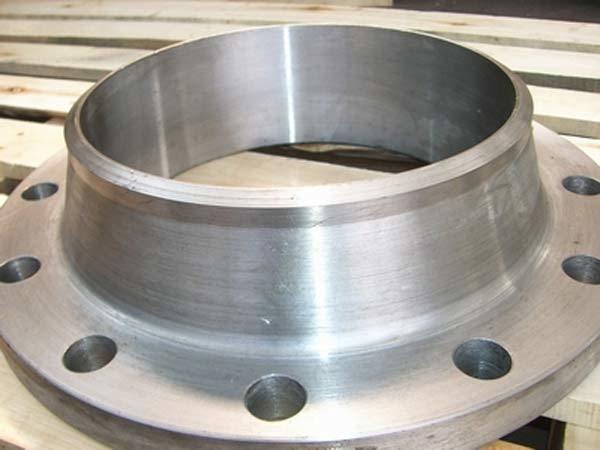
One of the primary functions of high neck flanges is to accommodate thermal expansion and contraction in piping systems. As temperatures fluctuate, pipes can expand or contract, leading to potential leaks or failures at connection points. The high neck design helps to mitigate these risks by providing a more robust and flexible connection. This feature is particularly beneficial in environments where temperature variations are significant, such as industrial facilities or outdoor installations.
In addition to their functional benefits, high neck flanges also play a role in enhancing the overall aesthetic of a piping system. The clean, smooth lines of these flanges can contribute to a more polished appearance, which is especially important in decorative applications where visible piping is a consideration. Whether in a commercial building, a residential renovation, or an artistic installation, high neck flanges can seamlessly integrate into the design while maintaining their essential functional properties.
When selecting high neck flanges, it's important to consider the materials that best suit your project’s requirements. Common materials include stainless steel, carbon steel, and plastic, each offering varying levels of durability, resistance to corrosion, and weight. The choice of material can significantly impact not only the performance but also the longevity of the piping system.
Moreover, high neck flanges are available in a variety of sizes and pressure ratings, making them versatile for different applications. This adaptability allows engineers and builders to use them in a range of scenarios, from simple plumbing systems to complex industrial setups.
In conclusion, understanding high neck flanges is vital for anyone involved in construction and decoration projects. Their unique design and functional benefits play a significant role in ensuring the integrity and aesthetic appeal of piping systems. By choosing the right high neck flange for your application, you can enhance both the performance and visual impact of your project, contributing to its overall success. As you embark on your next construction endeavor, remember the importance of these essential components in achieving a reliable and attractive result.
Latest developments

Understanding High Neck Flanges: Essential Components for Construction and Decorating Materials
High neck flanges are specialized fittings used in piping systems to connect pipes, valves, pumps, and other equipment. They are characterized by a raised or "high" neck that extends from the flange face. This design feature affects the way the flange fits into the overall piping system, providing advantages in terms of strength and stability. One of the key benefits of high neck flanges is their
Flat Flanges in Fire Protection Systems: A Comprehensive Overview
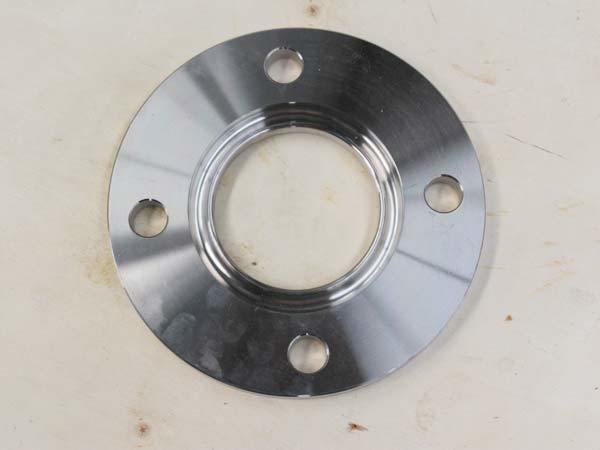
Flat Flanges in Fire Protection Systems: A Comprehensive Overview Introduction to Flat Flanges in Fire Protection In the realm of fire protection systems, **flat flanges** serve as fundamental components that ensure the seamless connection and functionality of piping systems. These flanges play a crucial role in maintaining pressure and facilitating the smooth flow of fire suppression agents. Unde
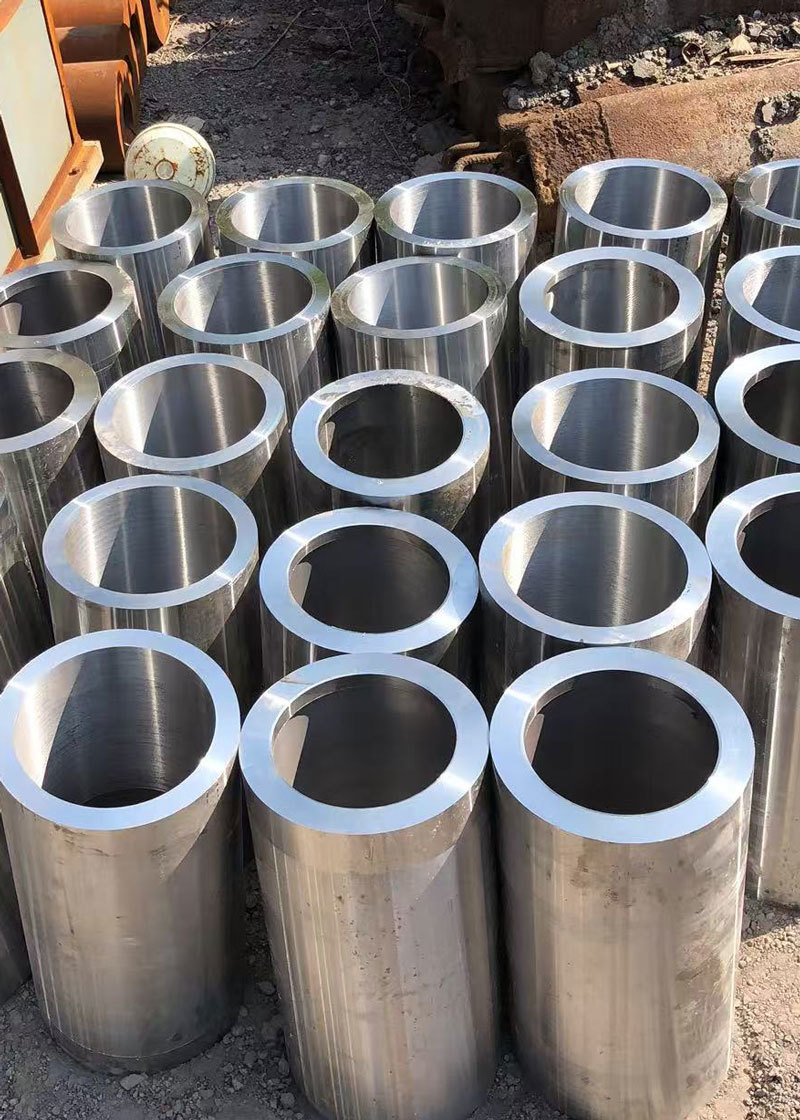
Steel industries forgings represent a crucial aspect of manufacturing within the construction sector, particularly when it comes to durable and high-quality materials. Forging is a process that involves shaping metal using localized compressive forces, resulting in products that boast enhanced strength and integrity. This technique is especially important in the construction and decorative materia
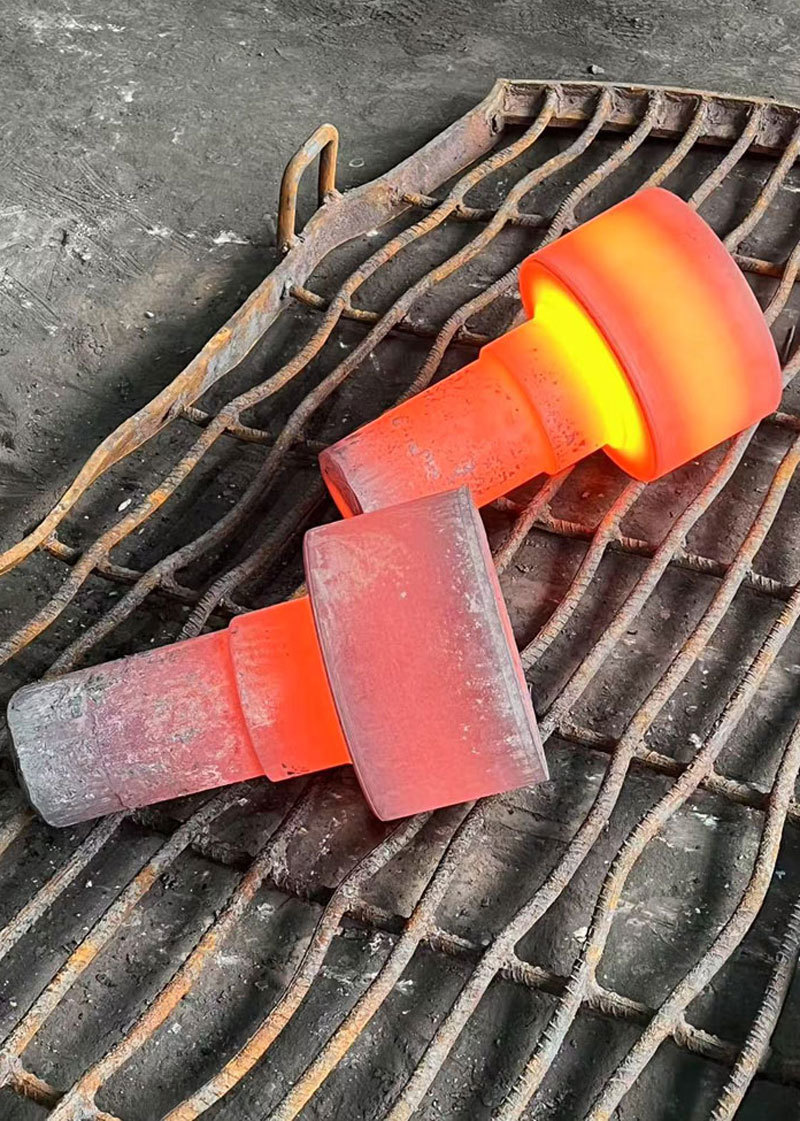
Quality Standards in the Forging of Stainless Steel Products: Ensuring Excellence in Metallurgy
Quality Standards in the Forging of Stainless Steel Products Table of Contents Introduction to Stainless Steel Forging The Importance of Quality Standards in Forging Types of Stainless Steel Used in Forging Common Forging Processes in Stainless Steel Manufacturing Quality Assurance Methodologies in Stainless Steel Forging Testing and Certification of Stainless Steel Products Global
Understanding Non-Standard Flanges: A Key Component in Architectural Applications
Non-standard flanges are specialized components that deviate from conventional sizing and design specifications. Unlike standard flanges, which adhere to established dimensions and pressure ratings, non-standard flanges are custom-made to meet unique project requirements. These flanges are crucial in various architectural and construction applications, particularly when dealing with unconventional
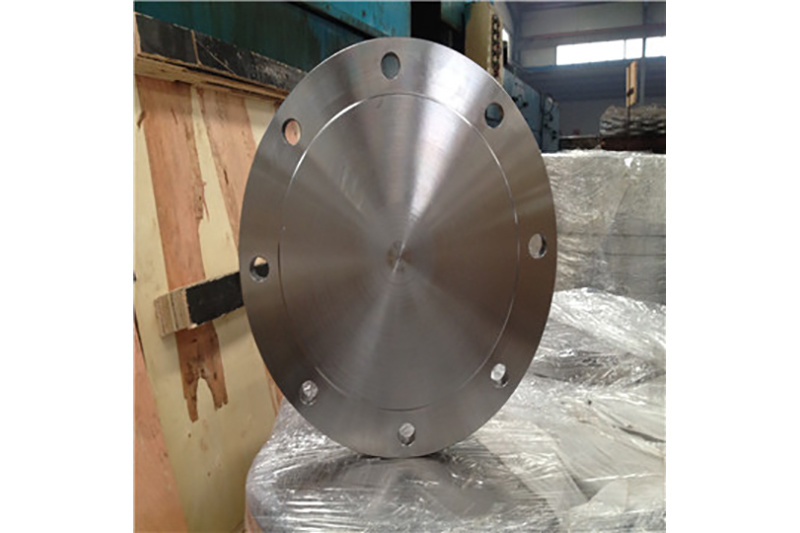
The Importance of Quality Control for Japanese Standard Flanges: Ensuring Durability and Reliability
The Importance of Quality Control for Japanese Standard Flanges In the construction and manufacturing sectors, the significance of quality control cannot be overstated, especially for components as crucial as flanges. Japanese standard flanges, known for their precision and durability, require stringent quality control measures to meet the demands of various applications. This article delves into
Shandong Xinhao Forging Co.,Ltd.
Tel:+86-15098858482
WeChat: 543983004
Email:xinhaoflange@gmail.com
Whatsapp:8615098858482
Website:www.xhflange.com

TikTok