

Optimizing Your Pipe Systems with Sliding Flanges: Essential Tips and Tricks for Maximum Efficiency
Release time:
2026-04-17
Optimizing Your Pipe Systems with Sliding Flanges: Essential Tips and Tricks Table of Contents 1. Introduction to Sliding Flanges 2. Key Benefits of Using Sliding Flanges 3. Common Applications of Sliding Flanges in Pipe Systems 4. Installation Tips for Sliding Flanges 5. Maintenance Strategies for Sliding Flanges 6. Troubleshooting Common Issues with Sliding Flanges 7

Optimizing Your Pipe Systems with Sliding Flanges: Essential Tips and Tricks
Table of Contents
- 1. Introduction to Sliding Flanges
- 2. Key Benefits of Using Sliding Flanges
- 3. Common Applications of Sliding Flanges in Pipe Systems
- 4. Installation Tips for Sliding Flanges
- 5. Maintenance Strategies for Sliding Flanges
- 6. Troubleshooting Common Issues with Sliding Flanges
- 7. Case Studies: Successful Implementations of Sliding Flanges
- 8. Conclusion
- 9. Frequently Asked Questions (FAQs)
1. Introduction to Sliding Flanges
Sliding flanges are crucial components in pipe systems that allow for flexibility and ease of maintenance. Unlike traditional fixed flanges, sliding flanges consist of a body that can slide along the pipe, which accommodates thermal expansion and contraction. This feature is particularly valuable in high-temperature and high-pressure systems, where movement is inevitable.
The purpose of this article is to provide a comprehensive understanding of sliding flanges, how they work, and the best practices for optimizing your pipe systems. We will delve into their benefits, applications, installation techniques, and maintenance strategies.
2. Key Benefits of Using Sliding Flanges
Incorporating sliding flanges into your piping system can offer numerous benefits:
2.1 Flexibility and Expansion Accommodation
One of the primary advantages of sliding flanges is their ability to accommodate thermal expansion. As temperatures rise, pipes naturally expand. Sliding flanges allow this movement without causing stress on the joints, reducing the risk of leaks or failures.
2.2 Ease of Installation and Maintenance
Sliding flanges simplify the installation process, especially in tight spaces where traditional flanges may pose challenges. Furthermore, their design allows for quick disassembly and reassembly, making routine maintenance easier and less time-consuming.
2.3 Enhanced Structural Integrity
By minimizing stress on welded or bolted joints, sliding flanges contribute to the overall structural integrity of the piping system. This feature is particularly important in systems subjected to vibrations or dynamic loads.
2.4 Cost-Effectiveness
While the initial investment in sliding flanges may be higher than traditional options, the long-term savings from reduced maintenance and replacement costs make them a cost-effective choice for many applications.
3. Common Applications of Sliding Flanges in Pipe Systems
Sliding flanges are versatile components employed across various industries. Here are some common applications:
3.1 Oil and Gas Industry
In the oil and gas sector, sliding flanges are frequently used in transportation pipelines, where the ability to accommodate thermal expansion is critical. They help maintain the integrity of the pipeline under fluctuating temperatures and pressures.
3.2 Water Treatment Plants
Water treatment facilities utilize sliding flanges in their piping systems to manage the expansion and contraction caused by temperature changes in treated water. Their ease of maintenance is also beneficial in these frequently serviced systems.
3.3 Chemical Processing
Chemical processing plants benefit from the flexibility of sliding flanges, which helps contain the stresses induced by chemical heat exchanges. This application ensures a safer and more reliable operation.
3.4 HVAC Systems
Heating, ventilation, and air conditioning (HVAC) systems often employ sliding flanges to connect ductwork. This flexibility allows for efficient airflow management while accommodating system adjustments over time.
4. Installation Tips for Sliding Flanges
Proper installation of sliding flanges is essential for maximizing their performance. Here are key tips to consider:
4.1 Choose the Right Size and Material
Selecting the appropriate size and material for your sliding flanges is critical. Ensure compatibility with both the pipe diameter and the material to prevent corrosion or failure.
4.2 Ensure Proper Alignment
Achieving correct alignment during installation is vital. Misalignment can lead to uneven stress distribution, compromising the flange’s integrity. Use alignment tools to ensure precision.
4.3 Use Correct Fastening Techniques
Employ proper tightening techniques when securing the flanges. Over-tightening can damage the flange or the pipe, while under-tightening can lead to leaks. A torque wrench is recommended for accurate results.
4.4 Sealants and Gaskets
Incorporate high-quality gaskets and sealants suitable for the operating conditions. These components help prevent leaks and enhance the overall seal integrity of the joint.
5. Maintenance Strategies for Sliding Flanges
To ensure long-lasting performance, regular maintenance of sliding flanges is essential. Here are effective strategies:
5.1 Routine Inspections
Conduct periodic inspections to identify signs of wear, corrosion, or misalignment. Early detection of issues can prevent costly repairs and downtime.
5.2 Lubrication
Regular lubrication of the sliding mechanism can reduce friction, ensuring smooth operation. Use appropriate lubricants recommended for your specific application.
5.4 Cleaning
Keep the flanges clean by removing debris, dirt, and corrosion. Contaminants can compromise the seal and lead to leaks. Use suitable cleaning agents that won't damage the materials.
5.4 Replacement of Worn Components
If any part of the sliding flange shows signs of significant wear or damage, promptly replace it to maintain system integrity and prevent failures.
6. Troubleshooting Common Issues with Sliding Flanges
Despite their advantages, sliding flanges can encounter issues. Here’s how to troubleshoot common problems:
6.1 Leaks at the Flange Joint
If a leak occurs, check the tightness of the bolts and the condition of the gasket. Replacing worn gaskets and ensuring proper torque can typically resolve this issue.
6.2 Misalignment Symptoms
Signs of misalignment include unusual vibrations and uneven wear. To correct this, re-align the flanges using appropriate tools and techniques.
6.3 Excessive Wear
If wear is excessive, evaluate the lubrication schedule and the type of operating conditions. Adjusting these factors can help extend the life of the flanges.
7. Case Studies: Successful Implementations of Sliding Flanges
Examining real-world applications can provide insights into the effective use of sliding flanges. Here are two case studies:
7.1 Case Study 1: Oil Pipeline Expansion
In a major oil pipeline expansion project, engineers integrated sliding flanges to accommodate thermal fluctuations. The result was a marked reduction in maintenance costs and enhanced system reliability over several years.
7.2 Case Study 2: Municipal Water Treatment
A municipal water treatment facility replaced traditional flanges with sliding flanges in their main piping system. This change led to a decrease in downtime due to maintenance, proving the effectiveness of sliding flanges in high-stress environments.
8. Conclusion
Optimizing your piping systems with sliding flanges can significantly enhance performance, reliability, and longevity. Their ability to accommodate thermal expansion, ease of installation, and maintenance advantages make them a superior choice in various applications. By following best practices for installation and maintenance, and addressing common issues promptly, you can ensure your pipe systems function efficiently for years to come. Embrace the potential of sliding flanges and transform your piping infrastructure today.
9. Frequently Asked Questions (FAQs)
9.1 What are sliding flanges?
Sliding flanges are pipe fittings that allow for movement along the pipe, accommodating thermal expansion and contraction.
9.2 What industries commonly use sliding flanges?
Sliding flanges are widely used in the oil and gas industry, water treatment plants, chemical processing, and HVAC systems.
9.3 How do I install sliding flanges properly?
Ensure proper alignment, choose the right size and material, use correct fastening techniques, and incorporate suitable gaskets and sealants during installation.
9.4 What maintenance is required for sliding flanges?
Regular inspections, lubrication, cleaning, and timely replacement of worn components are essential for maintaining sliding flanges.
9.5 What should I do if I encounter a leak at a sliding flange joint?
Check the tightness of the bolts and the gasket condition. Replacing worn gaskets and ensuring proper torque can typically resolve leaks.
By implementing the strategies discussed in this article, you can effectively optimize your pipe systems with sliding flanges, ensuring safety, efficiency, and longevity in your operations.
Previous
Latest developments
Optimizing Your Pipe Systems with Sliding Flanges: Essential Tips and Tricks for Maximum Efficiency
Optimizing Your Pipe Systems with Sliding Flanges: Essential Tips and Tricks Table of Contents 1. Introduction to Sliding Flanges 2. Key Benefits of Using Sliding Flanges 3. Common Applications of Sliding Flanges in Pipe Systems 4. Installation Tips for Sliding Flanges 5. Maintenance Strategies for Sliding Flanges 6. Troubleshooting Common Issues with Sliding Flanges 7
Understanding High Neck Flanges: Essential Components in Construction and Decoration
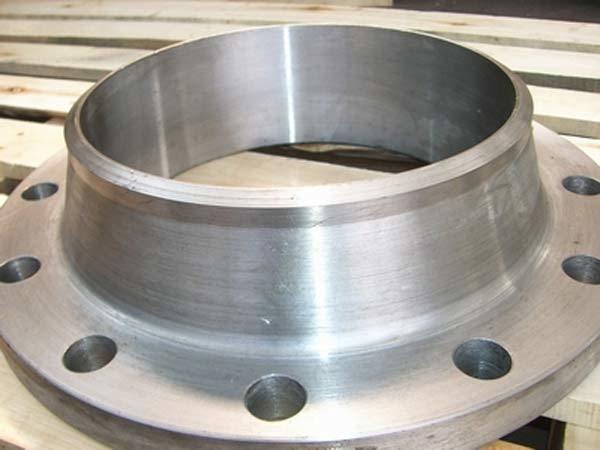
High neck flanges are specialized fittings used primarily in piping systems to connect pipe sections, valves, and other equipment. They are characterized by a raised neck, which provides additional support and stability, making them an excellent choice for high-pressure applications. The design of high neck flanges allows for improved alignment during installation, ensuring a secure and leak-proof
Comparing Materials for Flat Flanges: Which is Right for You?
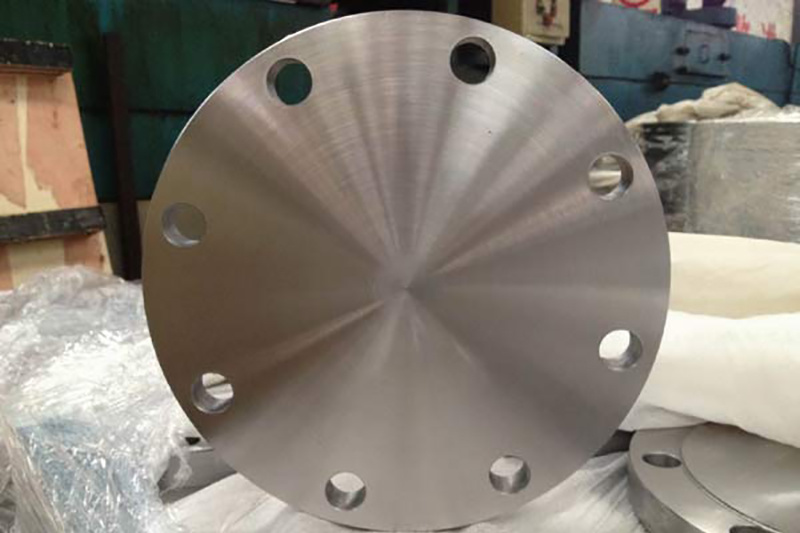
Comparing Materials for Flat Flanges: Which is Right for You? When it comes to construction and decorative projects, selecting the right materials is crucial for ensuring durability, efficiency, and aesthetic appeal. One essential component in many piping systems is the flat flange. The choice of material for flat flanges can significantly impact the functionality and longevity of the systems they
Understanding the Role of Forgings in the Steel Industry: A Key Component for Structural Excellence
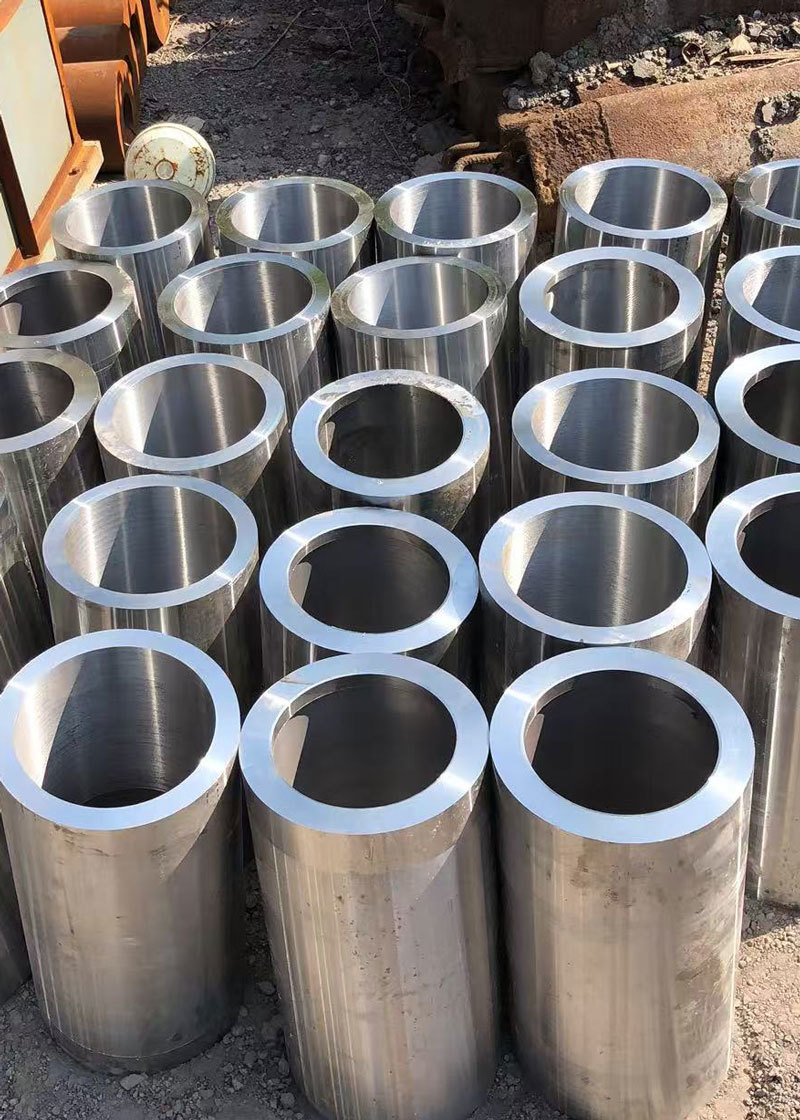
In the steel industry, forgings play an essential role, especially in applications related to construction and decorative materials. Steel forgings are created through a process that involves shaping heated metal using compressive forces. This method results in a material that possesses superior mechanical properties, making it ideal for demanding applications within the architectural sector. One
Understanding the Cost-Efficiency of Forged Stainless Steel: A Comprehensive Guide
Understanding the Cost-Efficiency of Forged Stainless Steel Table of Contents 1. Introduction to Forged Stainless Steel 2. What is Forged Stainless Steel? 3. Benefits of Forged Stainless Steel 4. Cost Analysis of Forged Stainless Steel 5. Applications of Forged Stainless Steel 6. Comparison with Other Materials 7. Maintenance and Longevity of Forged Stainless Steel
Understanding Non-Standard Flanges: A Comprehensive Guide for Professionals
In the construction and decorative materials sector, non-standard flanges are often necessary when standard-sized flanges do not meet specific project requirements. These flanges are custom-designed to accommodate unique dimensions, shapes, or pressure ratings, ensuring compatibility with various piping systems and enhancing system performance. One of the primary reasons for using non-standard fla
Shandong Xinhao Forging Co.,Ltd.
Tel:+86-15098858482
WeChat: 543983004
Email:xinhaoflange@gmail.com
Whatsapp:8615098858482
Website:www.xhflange.com

TikTok