

Sliding Flanges: Essential Components for Pipe Expansion and Contraction
Release time:
2026-09-15
Sliding Flanges: Essential Components for Pipe Expansion and Contraction Understanding Sliding Flanges: An Overview Sliding flanges are crucial components in piping systems, specifically designed to accommodate the expansion and contraction of pipes. These specialized flanges enable pipes to maintain a secure connection even when subjected to thermal changes. Expansion and contraction are natura
Sliding Flanges: Essential Components for Pipe Expansion and Contraction
Understanding Sliding Flanges: An Overview
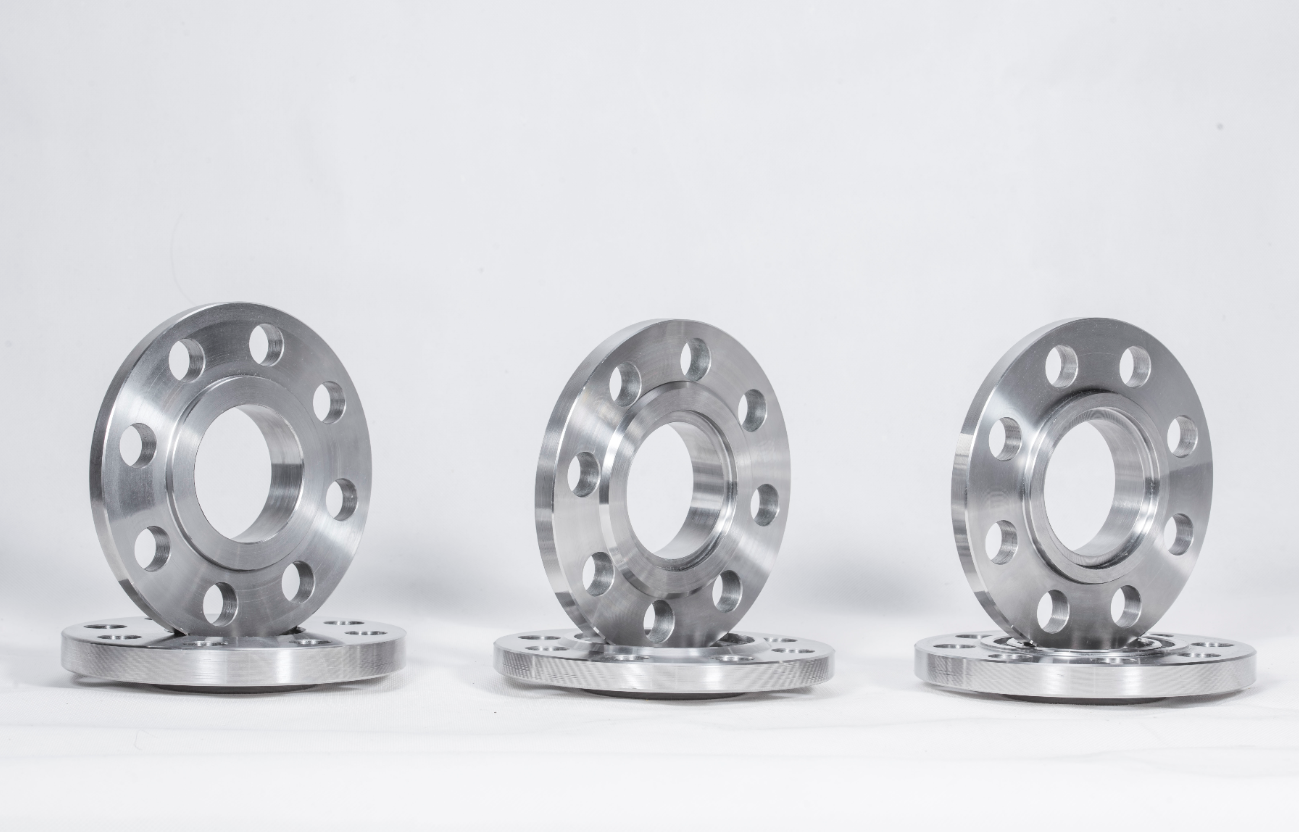
Sliding flanges are crucial components in piping systems, specifically designed to accommodate the expansion and contraction of pipes. These specialized flanges enable pipes to maintain a secure connection even when subjected to thermal changes. Expansion and contraction are natural phenomena in any piping system, primarily due to temperature fluctuations, pressure changes, and other environmental factors. By utilizing sliding flanges, industries can ensure the integrity and longevity of their piping systems, minimizing the risk of leaks and failures.
The Importance of Pipe Expansion and Contraction Management
When pipes experience temperature changes, they can expand or contract, leading to potential issues such as stress fractures, leaks, and equipment failure. Managing these changes is critical in maintaining system efficiency and safety. The use of sliding flanges provides a flexible solution that accommodates these natural movements without compromising the integrity of the entire piping system.
Key Benefits of Using Sliding Flanges
1. **Flexibility**: Sliding flanges allow for movement along the pipe axis, providing the necessary flexibility to handle thermal expansion and contraction.
2. **Reduced Stress**: By accommodating pipe movement, sliding flanges significantly reduce stress on the piping system, extending its lifespan.
3. **Leak Prevention**: Properly installed sliding flanges minimize the risk of leaks, ensuring that the system operates smoothly and efficiently.
4. **Ease of Installation**: Their design simplifies the installation process, making it easier for technicians to achieve secure connections.
5. **Compatibility**: Sliding flanges are compatible with various pipe materials and sizes, making them versatile components in diverse applications.
Components of Sliding Flanges
To fully grasp the functionality of sliding flanges, it is essential to understand their key components:
Flange Body
The flange body serves as the primary structural element, providing strength and durability. It is typically made from robust materials such as stainless steel, carbon steel, or other alloys compatible with the piping system.
Sliding Mechanism
The sliding mechanism allows the flange to move along the pipe axis. This design typically includes a groove or track feature that facilitates smooth movement, enabling the flange to expand or contract as needed.
Sealing Gasket
A sealing gasket is crucial for preventing leaks at the joint between the flange and the pipe. This gasket material must be compatible with the fluid being transported, ensuring a secure seal under varying pressure and temperature conditions.
Types of Sliding Flanges
There are various types of sliding flanges designed to meet the specific needs of different applications. Understanding these types can aid in selecting the appropriate flange for a given project.
Fixed Sliding Flanges
Fixed sliding flanges provide a secure connection while allowing limited axial movement. They are commonly used in systems where minimal expansion or contraction occurs.
Movable Sliding Flanges
Movable sliding flanges offer greater flexibility by accommodating significant axial movement. These flanges are ideal for systems subjected to frequent thermal fluctuations.
Custom Sliding Flanges
For specialized applications, custom sliding flanges can be manufactured to meet specific requirements regarding size, material, and design. This customization ensures optimal performance in unique environments.
Applications of Sliding Flanges
Sliding flanges are utilized across various industries due to their adaptability and functionality. Some common applications include:
Oil and Gas Industry
In the oil and gas sector, sliding flanges are essential for maintaining the integrity of pipelines. These flanges help manage the thermal expansion of fluids transported at high temperatures and pressures.
Chemical Processing
Chemical processing plants often use sliding flanges in their piping systems to handle corrosive substances safely. The ability to expand and contract without compromising the seal is crucial in such environments.
Water and Wastewater Management
In water treatment facilities, sliding flanges play a vital role in ensuring a reliable and leak-free operation. Their flexibility allows for adjustments due to changes in water temperature and pressure.
HVAC Systems
Heating, ventilation, and air conditioning (HVAC) systems benefit from sliding flanges to manage the expansion and contraction of ductwork, ensuring optimal airflow and energy efficiency.
Installation Best Practices for Sliding Flanges
Proper installation is key to maximizing the performance of sliding flanges. Here are some best practices to follow:
Preparation of Pipe Ends
Before installation, ensure that the pipe ends are clean and free from debris. This preparation ensures a proper connection and seal.
Alignment and Positioning
Align the sliding flange with the pipe, ensuring that it is positioned correctly to allow for desired movement. Misalignment can lead to stress and potential failures.
Secure Fastening
Use appropriate fasteners and tools to secure the sliding flange tightly. Ensure that the sealing gasket is properly seated and free of damage to prevent leaks.
Inspection and Testing
After installation, conduct a thorough inspection and pressure test to ensure that the sliding flange is functioning correctly and that there are no leaks.
Maintenance Tips for Sliding Flanges
To prolong the life of sliding flanges, regular maintenance is essential. Consider the following tips:
Routine Inspections
Perform regular inspections to check for signs of wear, corrosion, or leaks. Early detection of issues can prevent costly repairs or downtime.
Lubrication of Sliding Mechanisms
Keep the sliding mechanisms lubricated to ensure smooth movement. Use appropriate lubricants that are compatible with the materials involved.
Gasket Replacement
Monitor the condition of the sealing gasket and replace it as needed. A damaged gasket can lead to leaks and system inefficiencies.
Cost Considerations for Sliding Flanges
When budgeting for sliding flanges, several factors influence the overall cost, including:
Material Selection
The choice of material significantly impacts the cost. Stainless steel flanges may be more expensive but offer superior durability in corrosive environments.
Customization Requirements
Custom sliding flanges may incur additional costs due to manufacturing and design specifications. Evaluate whether standard options can meet your needs to manage expenses effectively.
Installation Costs
Consider the costs associated with installation, including labor and equipment. Proper installation is vital for optimal performance, so investing in skilled technicians is advisable.
Frequently Asked Questions (FAQs)
1. What materials are sliding flanges typically made from?
Sliding flanges are commonly made from stainless steel, carbon steel, and various alloys. The choice of material depends on the application and environmental conditions.
2. How do sliding flanges differ from fixed flanges?
Sliding flanges allow for axial movement to accommodate thermal expansion and contraction, whereas fixed flanges provide a rigid connection without movement.
3. Can sliding flanges be used in high-pressure applications?
Yes, sliding flanges can be designed for high-pressure applications, but it is essential to select appropriate materials and designs to ensure safety and performance.
4. How often should sliding flanges be inspected?
Routine inspections should be conducted regularly, at least annually, or more frequently in harsh environments to identify any signs of wear or leaks.
5. What are the signs of a failing sliding flange?
Common signs of a failing sliding flange include leaks, unusual noises during operation, and visible signs of corrosion or wear.
Conclusion
In summary, sliding flanges are essential components for managing the expansion and contraction of pipes in various industrial applications. Their flexibility and durability make them invaluable for ensuring the integrity and longevity of piping systems. By understanding their functionality, installation best practices, and maintenance requirements, industries can enhance their operational efficiency, minimize risks, and save costs in the long run. Whether in oil and gas, chemical processing, or HVAC systems, sliding flanges play a pivotal role in ensuring safe and efficient operations.
Previous
Latest developments
Sliding Flanges: Essential Components for Pipe Expansion and Contraction
Sliding Flanges: Essential Components for Pipe Expansion and Contraction Understanding Sliding Flanges: An Overview Sliding flanges are crucial components in piping systems, specifically designed to accommodate the expansion and contraction of pipes. These specialized flanges enable pipes to maintain a secure connection even when subjected to thermal changes. Expansion and contraction are natura
Understanding High Neck Flanges: Essential Components in Construction and Decorative Materials
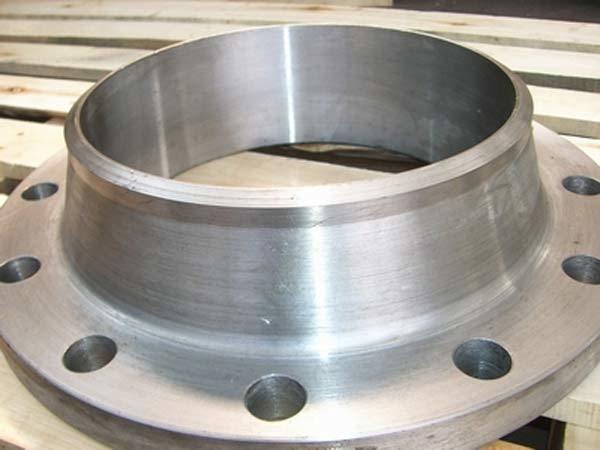
High neck flanges are vital components in various piping systems, particularly within the construction and decorative materials sectors. These flanges are characterized by their elongated neck, which serves several important functions in ensuring system integrity and performance. Understanding high neck flanges’ design and application can significantly benefit professionals involved in piping inst
The Science Behind Flat Flange Designs: Understanding Functionality
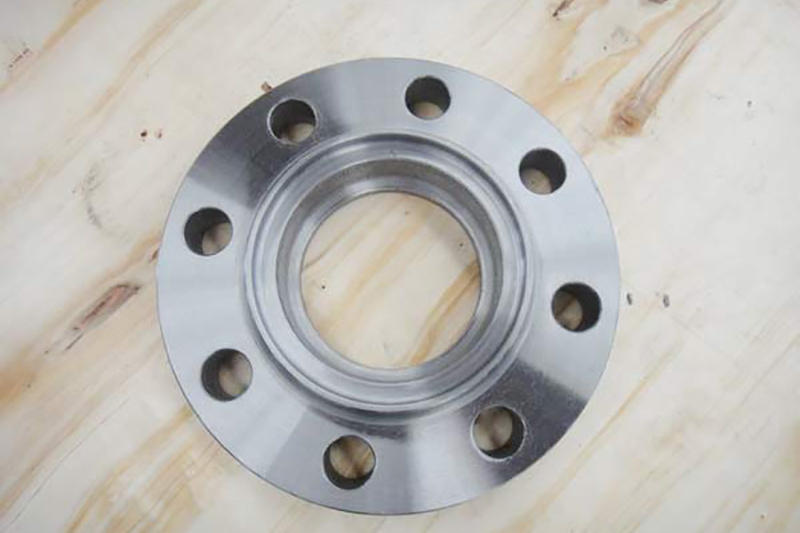
The Science Behind Flat Flange Designs: Understanding Functionality In the world of construction and decorative materials, **flat flanges** serve as crucial components that ensure the stability and integrity of various structures. Understanding the science behind flat flange designs can significantly enhance our appreciation of their functionality and application. This article delves deeply into t
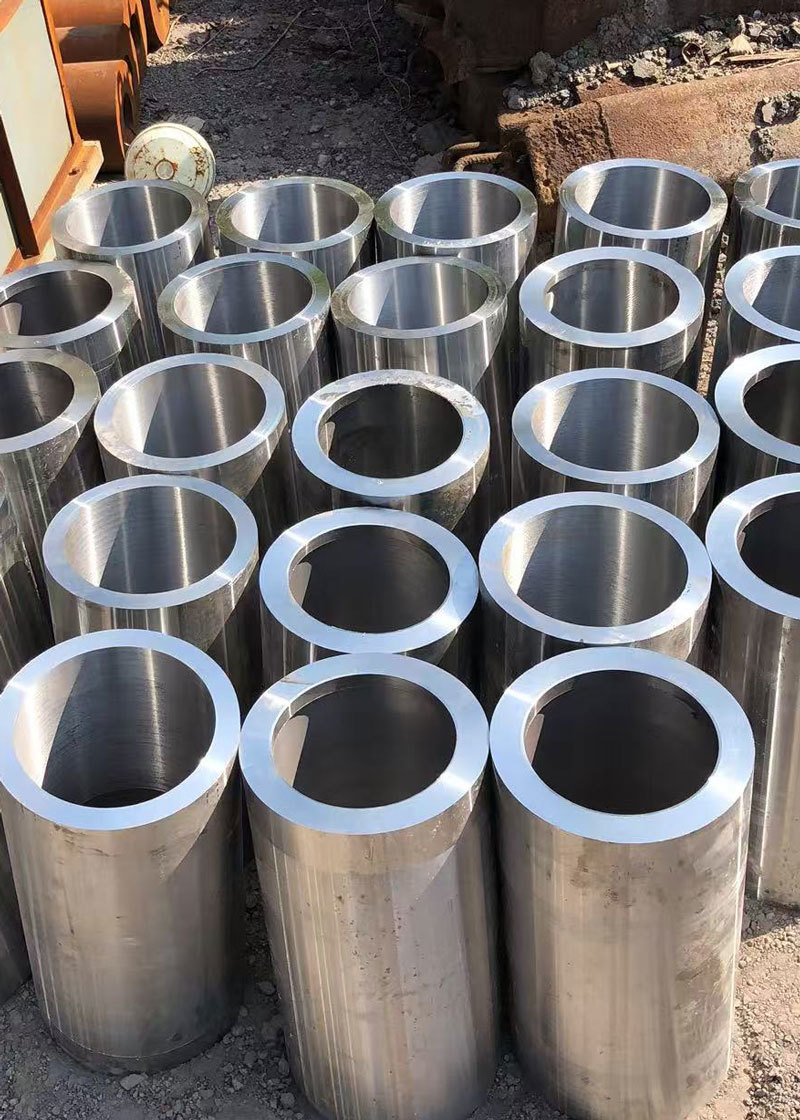
Exploring the Role of Forgings in the Steel Industries
Forgings play a pivotal role in the steel industries, particularly in the manufacturing of components utilized in construction and decorative materials. This process involves shaping steel through deformation, which significantly enhances its mechanical properties compared to other manufacturing techniques such as casting. By understanding the benefits and applications of forgings, professionals c

The Historical Evolution of Stainless Steel Forging Methods: A Comprehensive Analysis
The Historical Evolution of Stainless Steel Forging Methods Introduction to Stainless Steel Forging Stainless steel forging has come a long way since its inception in the early 20th century. This process involves shaping stainless steel through the application of compressive forces, resulting in enhanced mechanical properties and durability. Understanding the evolution of these forging methods is

Understanding Non-Standard Flanges: Essential Insights for the Construction and Decoration Industry
Non-standard flanges are integral components in piping systems, primarily used to connect pipes, valves, and other equipment. Unlike standard flanges, which adhere to widely accepted dimensions and specifications, non-standard flanges are custom-made to fit specific project requirements. This customization is often necessary when dealing with unique designs, unusual materials, or specific pressure
Shandong Xinhao Forging Co.,Ltd.
Tel:+86-15098858482
WeChat: 543983004
Email:xinhaoflange@gmail.com
Whatsapp:8615098858482
Website:www.xhflange.com

TikTok