

The Compatibility of Flat Flanges with Various Pipe Types: A Comprehensive Guide
Release time:
2026-06-10
The Compatibility of Flat Flanges with Various Pipe Types Introduction: Understanding Flat Flanges in Piping Systems In the realm of construction and decorative materials, particularly in the piping industry, **flat flanges** play a pivotal role. These essential components facilitate connections between various pipe types, ensuring a secure and leak-free performance. However, understanding the com
The Compatibility of Flat Flanges with Various Pipe Types
Introduction: Understanding Flat Flanges in Piping Systems
In the realm of construction and decorative materials, particularly in the piping industry, **flat flanges** play a pivotal role. These essential components facilitate connections between various pipe types, ensuring a secure and leak-free performance. However, understanding the compatibility of flat flanges with different pipe types is crucial for optimizing system efficiency and longevity. In this guide, we will explore the intricacies of flange compatibility, focusing on critical aspects like materials, designs, and applications.
Table of Contents
- What Are Flat Flanges?
- Types of Pipes Compatible with Flat Flanges
- The Importance of Material Compatibility
- Design Considerations for Flat Flanges
- Applications of Flat Flanges in Various Industries
- Proper Installation Techniques for Flat Flanges
- Maintenance and Inspection of Flange Connections
- Frequently Asked Questions
What Are Flat Flanges?
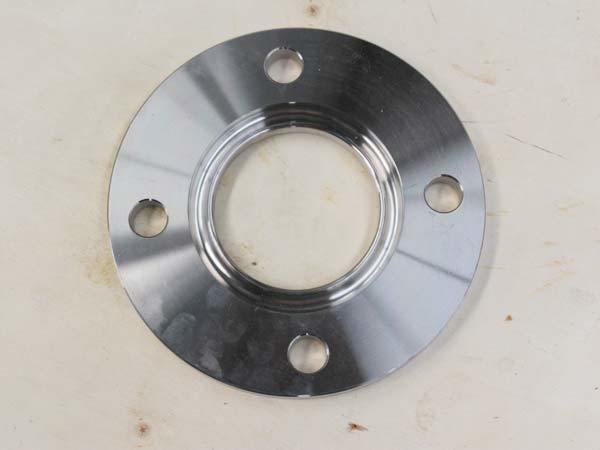
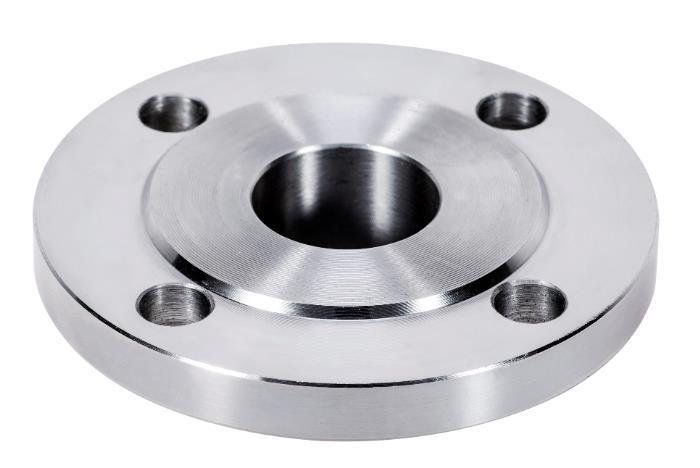
Flat flanges are circular plates with a drilled hole at the center, designed to connect pipes, valves, and other equipment in **piping systems**. They are typically used in conjunction with a **gasket** to create a tight seal, preventing fluid leakage. The **design** of flat flanges allows for easy assembly and disassembly, making them a popular choice in various applications.
These flanges come in various sizes and are often manufactured from different materials to suit specific environments and operational demands. Understanding the function and design of flat flanges is fundamental to selecting the right type for any piping application.
Types of Pipes Compatible with Flat Flanges
Flat flanges are versatile and can be used with a wide array of pipe types. Here are some of the most commonly compatible pipe types:
1. **Steel Pipes**
Steel pipes are a staple in the construction industry, known for their durability and strength. Flat flanges made from carbon steel are commonly used due to their high tensile strength and ability to handle high pressure and temperature fluctuations.
2. **PVC Pipes**
Polyvinyl chloride (PVC) pipes are favored in plumbing and drainage systems. Flat flanges designed for PVC applications ensure a secure connection while minimizing the risk of leaks.
3. **Copper Pipes**
Often utilized in residential plumbing, copper pipes require flat flanges that can withstand corrosion. These flanges must be compatible with copper materials to maintain system integrity.
4. **Stainless Steel Pipes**
Stainless steel pipes are resistant to corrosion and high temperatures, making them ideal for various industrial applications. Flat flanges designed for stainless steel provide robustness and reliability.
5. **Ductile Iron Pipes**
Ductile iron pipes are known for their strength and impact resistance. They require flat flanges designed to handle their specific dimensions and weight.
The Importance of Material Compatibility
When selecting flat flanges, material compatibility is critical. The choice of materials affects both the performance and longevity of the piping system. Here are some key considerations:
1. **Corrosion Resistance**
Different materials exhibit varying levels of corrosion resistance. For instance, stainless steel flanges are preferable in corrosive environments, while carbon steel may suffice in less aggressive settings.
2. **Temperature Tolerance**
The temperature range for which the flange material is rated must align with the operational conditions of the fluid being transported. Materials must withstand thermal expansion without compromising the seal.
3. **Pressure Ratings**
Flanges come with specified pressure ratings. It's essential to match the flange material and design to the pressure requirements of the piping system to prevent failure.
4. **Compatibility with Gaskets**
Selecting the correct gasket material is just as important as choosing the flange material. The gasket must be compatible with both the fluid within the pipes and the flange material.
Design Considerations for Flat Flanges
The design of flat flanges plays a significant role in their compatibility with various pipe types. Several factors must be considered:
1. **Bolt Hole Patterns**
The bolt hole pattern must align with the corresponding pipe fittings or components. Standardized designs, such as those conforming to ANSI or ASME specifications, facilitate compatibility across various systems.
2. **Flange Thickness**
The thickness of the flat flange affects its overall strength and pressure handling capabilities. Choosing the appropriate thickness is essential for maintaining structural integrity under operational conditions.
3. **Face Finish**
The face finish of flat flanges can influence the quality of the seal. Smooth finishes generally provide better sealing capabilities while minimizing wear on gaskets.
Applications of Flat Flanges in Various Industries
Flat flanges are utilized across a wide spectrum of industries, each with unique requirements. Here are a few notable applications:
1. **Oil and Gas Industry**
In oil and gas applications, flat flanges connect pipelines and other equipment, ensuring the safe transport of hydrocarbons. The high-pressure and corrosive nature of these environments necessitate robust materials.
2. **Water and Wastewater Treatment**
Flat flanges are commonly used in water treatment facilities, connecting pipes that transport potable water and wastewater. Their reliability in preventing leaks is critical to ensuring safe water distribution.
3. **Chemical Processing Plants**
In chemical processing, flat flanges are essential for connecting pipes that handle various chemicals. Material compatibility is crucial to prevent reactions that could compromise system integrity.
4. **HVAC Systems**
In HVAC applications, flat flanges secure ductwork and piping, facilitating the efficient transport of air and fluids. Proper flange design ensures effective performance in heating and cooling systems.
Proper Installation Techniques for Flat Flanges
The installation of flat flanges is a critical step in ensuring a secure and leak-free connection. Here are some best practices:
1. **Surface Preparation**
Ensure that both flange faces are clean and free of debris. Surface preparation helps in achieving a proper seal and prevents leaks.
2. **Gasket Placement**
Position the gasket evenly between the flanges, ensuring it is compatible with both the flange material and the fluid being transported.
3. **Bolt Tightening Sequence**
Tighten bolts in a cross-pattern to evenly distribute pressure across the flange connection. This technique helps to prevent warping or distortion of the flange.
4. **Torque Specifications**
Follow the manufacturer's torque specifications to ensure that the bolts are tightened to the correct pressure. Over-tightening can lead to flange failure.
Maintenance and Inspection of Flange Connections
Regular maintenance and inspection are vital for ensuring the longevity and performance of flange connections. Here are key practices:
1. **Visual Inspections**
Routine visual inspections can help identify signs of wear, corrosion, or leakage. Addressing issues promptly can prevent costly repairs.
2. **Leak Testing**
Conduct periodic leak tests, especially in high-pressure systems. Early detection of leaks is essential for maintaining system integrity.
3. **Replacement of Worn Gaskets**
Gaskets should be replaced at the first signs of wear to avoid compromising the seal. Ensure that replacement gaskets are compatible with the fluid being handled.
4. **Documentation and Records**
Maintain detailed records of inspections, maintenance work, and any replacements made. This documentation can assist in future troubleshooting and compliance with industry regulations.
Frequently Asked Questions
1. **What materials are flat flanges made from?**
Flat flanges can be made from various materials, including carbon steel, stainless steel, PVC, and ductile iron, depending on the application requirements.
2. **How do I choose the right flat flange for my pipe?**
Consider factors such as material compatibility, pressure ratings, and the specific requirements of the fluid being transported when selecting a flat flange.
3. **Can flat flanges be reused?**
Yes, flat flanges can be reused if they are in good condition. However, gaskets should always be replaced to ensure a proper seal.
4. **What is the importance of flange thickness?**
Flange thickness affects its strength and pressure handling capabilities. Choosing the correct thickness is essential for maintaining structural integrity.
5. **How often should I inspect my flange connections?**
Regular inspections should be conducted based on the operational conditions of the system, but at least annually to ensure ongoing reliability.
Conclusion
Understanding the compatibility of flat flanges with various pipe types is crucial for ensuring the efficiency and reliability of piping systems. By considering factors such as materials, design, and application, users can make informed decisions that enhance system performance. Proper installation and regular maintenance further ensure that flat flanges contribute effectively to the integrity of piping systems across numerous industries. Whether in oil and gas, water treatment, or HVAC applications, the right flat flange choices can lead to safer, more efficient operations.
Latest developments
Exploring the Role of Forgings in the Steel Industries
Forgings play a pivotal role in the steel industries, particularly in the manufacturing of components utilized in construction and decorative materials. This process involves shaping steel through deformation, which significantly enhances its mechanical properties compared to other manufacturing techniques such as casting. By understanding the benefits and applications of forgings, professionals c

The Historical Evolution of Stainless Steel Forging Methods: A Comprehensive Analysis
The Historical Evolution of Stainless Steel Forging Methods Introduction to Stainless Steel Forging Stainless steel forging has come a long way since its inception in the early 20th century. This process involves shaping stainless steel through the application of compressive forces, resulting in enhanced mechanical properties and durability. Understanding the evolution of these forging methods is

Understanding Non-Standard Flanges: Essential Insights for the Construction and Decoration Industry
Non-standard flanges are integral components in piping systems, primarily used to connect pipes, valves, and other equipment. Unlike standard flanges, which adhere to widely accepted dimensions and specifications, non-standard flanges are custom-made to fit specific project requirements. This customization is often necessary when dealing with unique designs, unusual materials, or specific pressure
Incorporating Japanese Standard Flanges into Your Design Plans: A Comprehensive Guide
Incorporating Japanese Standard Flanges into Your Design Plans: A Comprehensive Guide Table of Contents Introduction to Japanese Standard Flanges Understanding Flanges: Types and Functions What Are Japanese Standard Flanges? Applications of Japanese Standard Flanges in Various Industries Benefits of Using Japanese Standard Flanges Design Integration: How to
Understanding American Standard Flanges: A Comprehensive Guide for Professionals
When it comes to piping systems, the American standard flange plays a pivotal role in ensuring reliable connections between various components. These flanges, adhering to specific dimensions and standards, are essential for creating secure joints that can withstand pressure and temperature variations in numerous applications. American standard flanges are typically made from materials such as carb
Mastering DIY: Essential Tips for Working with Threaded Flanges at Home
Mastering DIY: Essential Tips for Working with Threaded Flanges at Home Table of Contents Understanding Threaded Flanges: A Comprehensive Overview The Importance of Threaded Flanges in Home Projects Essential Tools and Materials for Working with Threaded Flanges Preparation Steps Before Starting Your Project Step-by-Step Guide to Installing Threaded Flanges Common Mistakes
Shandong Xinhao Forging Co.,Ltd.
Tel:+86-15098858482
WeChat: 543983004
Email:xinhaoflange@gmail.com
Whatsapp:8615098858482
Website:www.xhflange.com

TikTok