

The Role of Forgings in the Steel Industry: A Comprehensive Overview
Release time:
2026-06-07
In the realm of steel industries, forgings play a crucial role that often goes unnoticed. Forging is a manufacturing process that involves shaping metal using compressive forces, which can be applied through hammering, pressing, or rolling. This method is particularly important for creating strong and durable components used in various applications, including construction and decorative materials.

One of the primary advantages of forgings in the steel industry is the enhancement of mechanical properties. When steel undergoes the forging process, its internal structure is refined, resulting in improved strength, ductility, and toughness. This is essential for applications where structural integrity is paramount, such as in buildings and infrastructure. Forged steel components are less likely to fail under stress, making them a preferred choice for architects and engineers.
Additionally, forgings allow for greater design flexibility. The process can produce complex shapes and sizes that are often required in construction projects. This versatility means that steel manufacturers can cater to specific client needs, creating custom solutions that enhance both functionality and aesthetics. Whether it’s decorative railings or load-bearing beams, forged steel components can meet diverse architectural demands.
The steel industry is also increasingly focusing on sustainability. Forgings can be produced with minimal waste and can utilize recycled materials, aligning with the growing trend of eco-friendly building practices. This not only helps in reducing the environmental impact of construction activities but also promotes the use of sustainable materials in building projects.
Moreover, the use of forgings can lead to cost savings in the long run. While the initial investment might be higher than other manufacturing methods, the durability and reduced maintenance needs of forged components can offset these costs. Builders and contractors are likely to appreciate the long-term benefits of using high-quality forged steel materials in their projects.
In conclusion, the significance of forgings in the steel industry cannot be overstated. Their ability to enhance strength, provide design flexibility, and promote sustainability makes them a valuable choice for various applications in the construction and decorative materials sector. As the industry continues to evolve, the role of steel industries forgings will undoubtedly remain at the forefront of innovation and quality in building materials. For anyone involved in construction or material sourcing, understanding the advantages of forgings can lead to more informed decisions and successful projects.
Previous
Latest developments
The Role of Forgings in the Steel Industry: A Comprehensive Overview
In the realm of steel industries, forgings play a crucial role that often goes unnoticed. Forging is a manufacturing process that involves shaping metal using compressive forces, which can be applied through hammering, pressing, or rolling. This method is particularly important for creating strong and durable components used in various applications, including construction and decorative materials.
Key Considerations in the Forging of Stainless Steel Parts: A Comprehensive Guide
Key Considerations in the Forging of Stainless Steel Parts Table of Contents 1. Introduction to Stainless Steel Forging 2. Understanding Stainless Steel: Composition and Properties 3. Benefits of Forging Stainless Steel Parts 4. The Forging Process: Step-by-Step Breakdown 5. Key Considerations in Designing Forged Parts 6. Quality Control in Forging Stainless Steel 7. C
Understanding Non-Standard Flanges: Key Insights for Building and Decoration Professionals
Non-standard flanges play a crucial role in the building and decoration materials sector, particularly in piping systems where conventional dimensions do not suffice. These specialized flanges are custom-made to meet specific project requirements, ensuring seamless integration within various architectural designs and operational parameters. Understanding the characteristics and applications of non
The Advantages of Using Japanese Standard Flanges in Water Supply Systems
The Advantages of Using Japanese Standard Flanges in Water Supply Systems In today's rapidly evolving construction industry, choosing the right components for water supply systems is crucial for ensuring efficiency, safety, and longevity. Among the various fittings available in the market, **Japanese standard flanges** stand out due to their exceptional quality and design. This article delves into
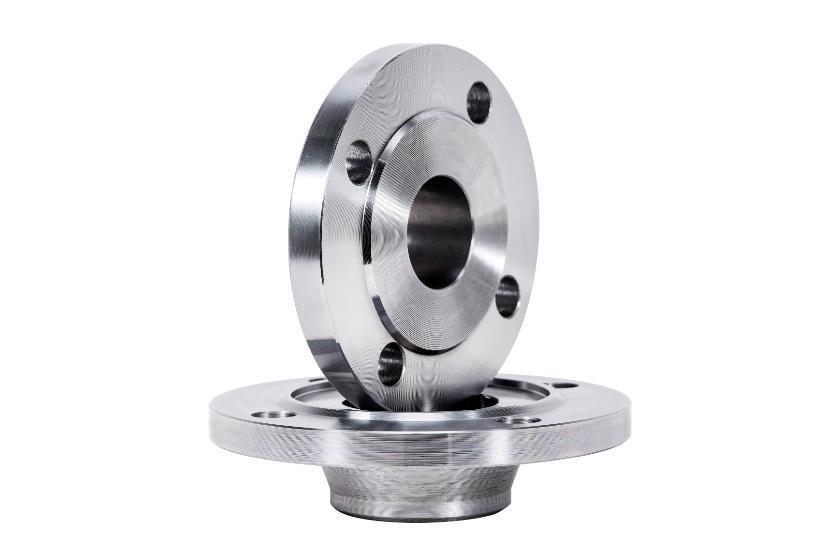
Understanding American Standard Flanges: Key Insights for Your Construction Needs
American standard flanges are pivotal components in the construction and plumbing industries, serving as critical connectors between sections of piping, valves, and other equipment. Understanding the specifics of these flanges can significantly enhance your project’s integrity and efficiency. Flanges come in various types and standards, but the American National Standards Institute (ANSI) governs
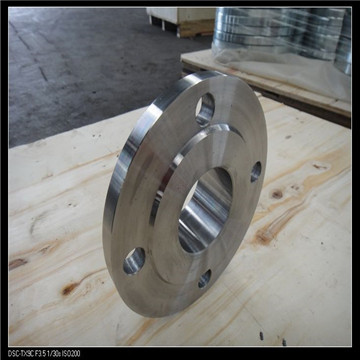
Threaded Flanges: The Unsung Heroes of Pipeline Systems
Threaded Flanges: The Unsung Heroes of Pipeline Systems Table of Contents 1. Introduction to Threaded Flanges 2. What Are Threaded Flanges? 3. Benefits of Using Threaded Flanges 4. Types of Threaded Flanges 5. Applications of Threaded Flanges 6. Installation and Maintenance of Threaded Flanges 7. Common Mistakes to Avoid with Threaded Flanges 8. Comparison with Other Types of Flan
Shandong Xinhao Forging Co.,Ltd.
Tel:+86-15098858482
WeChat: 543983004
Email:xinhaoflange@gmail.com
Whatsapp:8615098858482
Website:www.xhflange.com

TikTok