

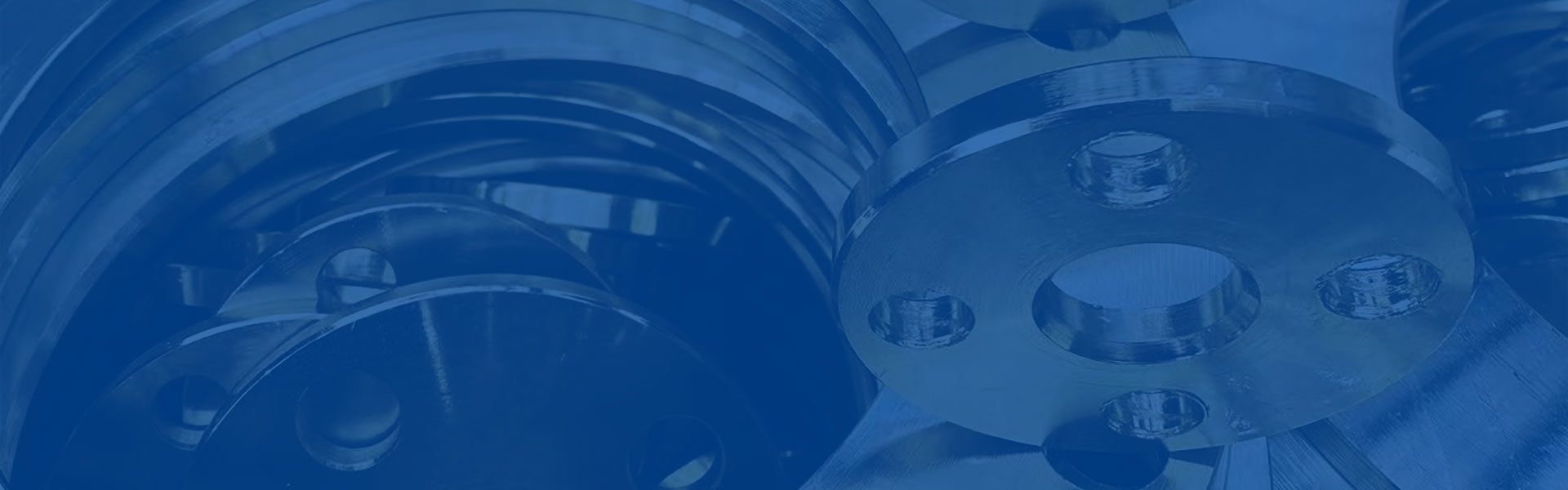
Threaded Flanges: The Unsung Heroes of Pipeline Systems
Release time:
2026-05-23
Threaded Flanges: The Unsung Heroes of Pipeline Systems Table of Contents 1. Introduction to Threaded Flanges 2. What Are Threaded Flanges? 3. Benefits of Using Threaded Flanges 4. Types of Threaded Flanges 5. Applications of Threaded Flanges 6. Installation and Maintenance of Threaded Flanges 7. Common Mistakes to Avoid with Threaded Flanges 8. Comparison with Other Types of Flan
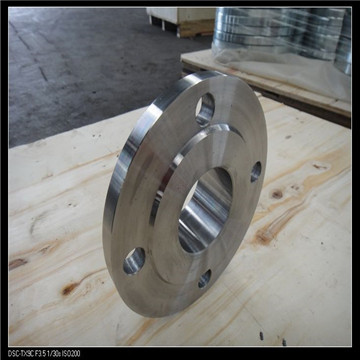
Threaded Flanges: The Unsung Heroes of Pipeline Systems
Table of Contents
- 1. Introduction to Threaded Flanges
- 2. What Are Threaded Flanges?
- 3. Benefits of Using Threaded Flanges
- 4. Types of Threaded Flanges
- 5. Applications of Threaded Flanges
- 6. Installation and Maintenance of Threaded Flanges
- 7. Common Mistakes to Avoid with Threaded Flanges
- 8. Comparison with Other Types of Flanges
- 9. Conclusion
- 10. Frequently Asked Questions (FAQs)
1. Introduction to Threaded Flanges
In the vast world of pipeline systems, **threaded flanges** often remain overlooked, yet they play a pivotal role in ensuring seamless connections between piping components. These flanges not only allow for quick disassembly but also provide a reliable seal to maintain the integrity of the system. For engineers and contractors alike, understanding the nuances of threaded flanges can lead to significantly improved project outcomes.
2. What Are Threaded Flanges?
Threaded flanges are a type of flange that features internal threads, allowing them to be screwed onto the external threads of a pipe or fitting. This design facilitates a strong connection without the need for welding, making them particularly useful in applications where welding may not be feasible or practical. They are available in a variety of materials, including stainless steel, carbon steel, and other alloys, offering versatility in various environments and conditions.
2.1 Key Components of Threaded Flanges
The primary components of threaded flanges include:
- **Flange body**: The main part that provides the connection area.
- **Threads**: Internal grooves that allow for secure attachment to pipes.
- **Bolt holes**: Designed for securing the flange with bolts, if necessary.
3. Benefits of Using Threaded Flanges
The advantages of threaded flanges are manifold, making them an excellent choice for diverse applications.
3.1 Ease of Installation
One of the standout benefits is their **ease of installation**. Since they can be screwed onto pipes without specialized equipment, installation is often quicker than other flange types.
3.2 Reduced Need for Welding
Welding can introduce complications such as distortion and the need for additional safety measures. Threaded flanges minimize these risks, making them a safer alternative in many situations.
3.3 Cost-Effectiveness
The reduced installation time and labor costs associated with threaded flanges can lead to significant savings, particularly in large-scale projects.
3.4 Versatility
Threaded flanges are suitable for various applications, including low-pressure systems, chemical processing, and even high-temperature environments, depending on the material used.
4. Types of Threaded Flanges
Understanding the different types of threaded flanges available can aid in selecting the right one for your project.
4.1 Standard Threaded Flanges
These are the most common type, designed to fit standard piping sizes and specifications.
4.2 Blind Threaded Flanges
Used to seal off the end of a piping system, **blind threaded flanges** do not have a central hole, making them ideal for closing off sections of a pipeline.
4.3 Socket Weld Threaded Flanges
These flanges are designed for socket welding, providing a dual connection option for enhanced security.
5. Applications of Threaded Flanges
Threaded flanges find usage across various sectors, showcasing their versatility.
5.1 Oil and Gas Industry
In oil and gas applications, where the integrity of connections is paramount, threaded flanges ensure reliable performance under high pressures.
5.2 Chemical Processing
The chemical industry often employs threaded flanges for their ability to accommodate a range of substances without compromising safety.
5.3 HVAC Systems
In heating, ventilation, and air conditioning systems, threaded flanges are commonly used to connect ductwork efficiently.
6. Installation and Maintenance of Threaded Flanges
Proper installation and maintenance are crucial for the longevity and performance of threaded flanges.
6.1 Installation Guidelines
- Ensure that the pipe and flange threads are clean and free from debris.
- Apply a suitable thread sealant to prevent leaks.
- Align the flange with the pipe and screw it on tightly, ensuring a snug fit.
6.2 Regular Maintenance
Periodic inspections should be conducted to check for signs of wear, corrosion, or leaking. Any damaged flanges should be replaced promptly to maintain system integrity.
7. Common Mistakes to Avoid with Threaded Flanges
Even seasoned professionals can make errors when working with threaded flanges. Here are some common pitfalls to watch out for.
7.1 Over-Tightening
While it might seem logical to tighten flanges as much as possible, over-tightening can cause thread damage, leading to leaks.
7.2 Ignoring Material Compatibility
Always ensure that the flange material is compatible with the pipeline material and the substances being transported to prevent corrosion or failure.
7.3 Neglecting Regular Inspections
Failing to regularly inspect threaded flanges can lead to unnoticed wear and tear, which can escalate into major issues down the line.
8. Comparison with Other Types of Flanges
When it comes to selecting flanges, understanding the differences can help make informed decisions.
8.1 Threaded Flanges vs. Welded Flanges
Welded flanges provide a more permanent connection but require specialized skills and equipment for installation. In contrast, threaded flanges are more accessible and easier to install.
8.2 Threaded Flanges vs. Slip-On Flanges
Slip-on flanges are slid onto the pipe and welded in place, making them suitable for higher pressure applications, while threaded flanges are better for low-pressure systems.
9. Conclusion
Threaded flanges may not always take center stage in discussions about pipeline systems, but they are undeniably essential. Their unique design, ease of use, and reliability make them a go-to choice for many applications. By understanding the benefits, types, and best practices associated with threaded flanges, professionals can ensure the success and safety of their pipeline projects.
10. Frequently Asked Questions (FAQs)
10.1 What is a threaded flange?
A threaded flange is a type of flange with internal threads that allows it to be screwed onto the external threads of a pipe or fitting, providing a secure connection.
10.2 Where are threaded flanges commonly used?
Threaded flanges are commonly used in industries like oil and gas, chemical processing, and HVAC systems, where reliable sealing and ease of installation are essential.
10.3 How do I install a threaded flange?
To install a threaded flange, ensure the threads are clean, apply a thread sealant, and screw it onto the pipe, tightening to ensure a snug fit.
10.4 What maintenance do threaded flanges require?
Regular inspections for wear, corrosion, and leaks are crucial, along with prompt replacement of any damaged flanges.
10.5 Can I use threaded flanges in high-pressure applications?
Threaded flanges are generally better suited for low to medium-pressure applications. For high-pressure systems, consider using welded or slip-on flanges for enhanced security.
Latest developments
Quality Standards in the Forging of Stainless Steel Products: Ensuring Excellence in Metallurgy
Quality Standards in the Forging of Stainless Steel Products Table of Contents Introduction to Stainless Steel Forging The Importance of Quality Standards in Forging Types of Stainless Steel Used in Forging Common Forging Processes in Stainless Steel Manufacturing Quality Assurance Methodologies in Stainless Steel Forging Testing and Certification of Stainless Steel Products Global
Understanding Non-Standard Flanges: A Key Component in Architectural Applications
Non-standard flanges are specialized components that deviate from conventional sizing and design specifications. Unlike standard flanges, which adhere to established dimensions and pressure ratings, non-standard flanges are custom-made to meet unique project requirements. These flanges are crucial in various architectural and construction applications, particularly when dealing with unconventional
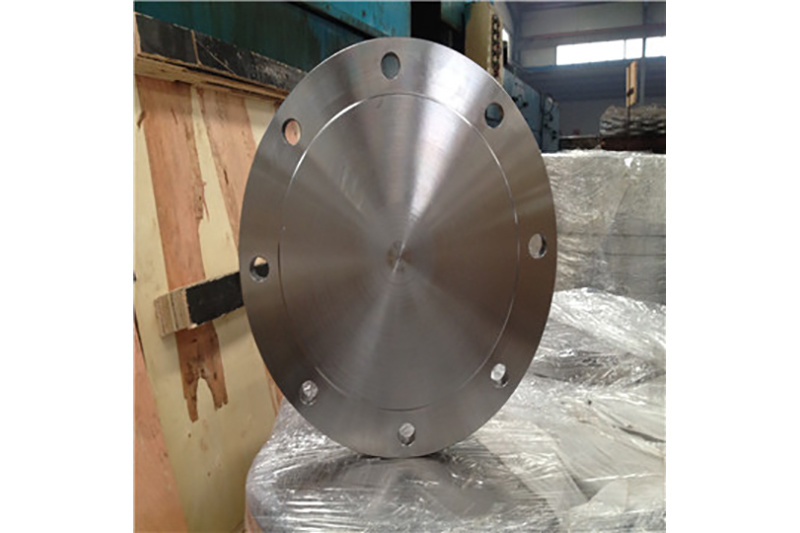
The Importance of Quality Control for Japanese Standard Flanges: Ensuring Durability and Reliability
The Importance of Quality Control for Japanese Standard Flanges In the construction and manufacturing sectors, the significance of quality control cannot be overstated, especially for components as crucial as flanges. Japanese standard flanges, known for their precision and durability, require stringent quality control measures to meet the demands of various applications. This article delves into
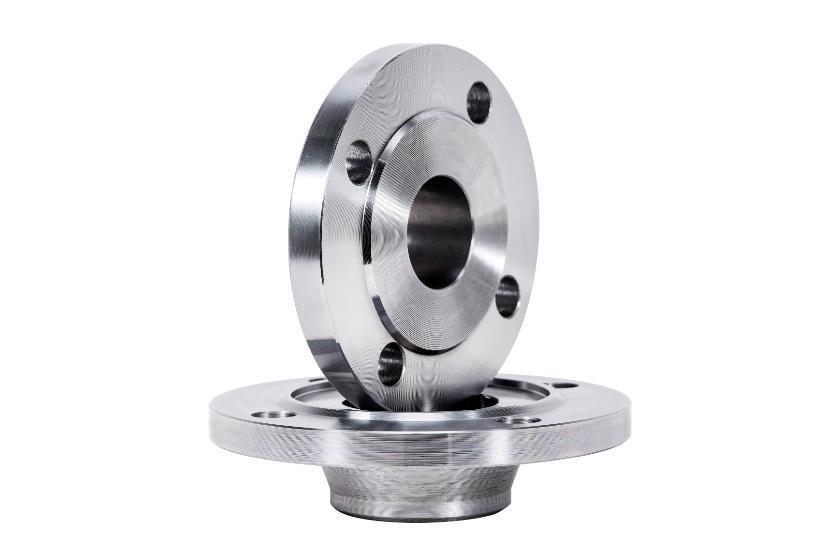
Understanding American Standard Flange in Construction and Decoration Materials
American standard flanges are critical components in the field of construction and decorative materials, particularly in piping systems. These flanges adhere to specific standards established by organizations such as the American National Standards Institute (ANSI) and the American Society of Mechanical Engineers (ASME). Their design and specifications are essential for ensuring compatibility and
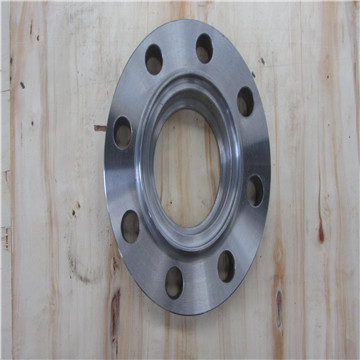
Exploring the Advantages of Using Threaded Flanges in HVAC Systems
Exploring the Advantages of Using Threaded Flanges in HVAC Systems Table of Contents 1. Introduction to Threaded Flanges in HVAC 2. Understanding Threaded Flanges 3. Benefits of Using Threaded Flanges in HVAC Systems 3.1 Superior Sealing Capability 3.2 Ease of Installation and Maintenance 3.3 Cost-Effectiveness 3.4 Versatility i

The Essential Guide to Flanged Connections in Building and Decorative Materials
Flanged connections are vital components in the construction and decorative materials sector, especially in the context of piping systems and fittings. Understanding their function, design, and application can significantly enhance the efficiency and reliability of installations. A flanged connection involves two flanges, which are flat pieces of material with holes for bolts. These flanges are bo
Shandong Xinhao Forging Co.,Ltd.
Tel:+86-15098858482
WeChat: 543983004
Email:xinhaoflange@gmail.com
Whatsapp:8615098858482
Website:www.xhflange.com

TikTok