

Why Forged Stainless Steel is the Preferred Choice in Oil & Gas: A Comprehensive Analysis
Release time:
2026-05-14
Why Forged Stainless Steel is the Preferred Choice in Oil & Gas Introduction to Forged Stainless Steel in the Oil & Gas Industry The oil and gas sector operates in some of the harshest environments known to man, where equipment must withstand extreme temperatures, high pressures, and corrosive substances. In this context, **forged stainless steel** emerges as a crucial material, offering unparal
Why Forged Stainless Steel is the Preferred Choice in Oil & Gas
Introduction to Forged Stainless Steel in the Oil & Gas Industry
The oil and gas sector operates in some of the harshest environments known to man, where equipment must withstand extreme temperatures, high pressures, and corrosive substances. In this context, **forged stainless steel** emerges as a crucial material, offering unparalleled durability and performance. This article explores why forged stainless steel has become the material of choice in the oil and gas industry, examining its properties, applications, and benefits.
Understanding Forged Stainless Steel
What is Forged Stainless Steel?
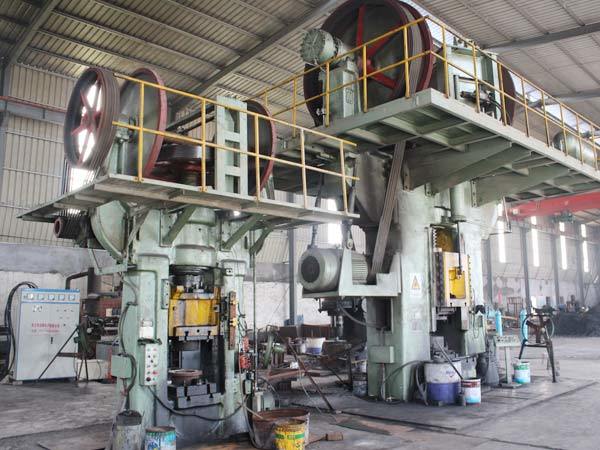
Forged stainless steel is created through a process that involves shaping the metal using localized compressive forces. This technique results in a material that exhibits enhanced strength and integrity compared to its cast counterparts. The forging process aligns the grain structure of the steel, producing a more robust end product that can withstand challenging conditions.
The Composition of Forged Stainless Steel
Typically, forged stainless steel is composed of iron, chromium, nickel, and other alloying elements. The most common grades utilized in the oil and gas industry include **AISI 304**, **AISI 316**, and **AISI 321**. The addition of chromium provides corrosion resistance, while nickel enhances toughness.
Key Properties of Forged Stainless Steel
Corrosion Resistance
One of the standout features of forged stainless steel is its exceptional corrosion resistance. The chromium content forms a passive layer of chromium oxide on the surface, shielding the metal from rust and deterioration. This property is particularly vital in oil and gas applications, where exposure to saltwater, acids, and other corrosive agents is prevalent.
High Strength and Durability
Forged stainless steel possesses superior mechanical properties, including high tensile strength and fatigue resistance. Its ability to withstand extreme stress and strain makes it ideal for critical components such as valves, pumps, and fittings, which are subjected to significant forces during operations.
Temperature and Pressure Tolerance
The oil and gas industry often operates at elevated temperatures and pressures. Forged stainless steel can maintain its performance in these adverse conditions, making it suitable for high-pressure environments such as subsea applications and offshore drilling rigs.
Applications of Forged Stainless Steel in Oil & Gas
Downstream Applications
In downstream processes, forged stainless steel is used in various equipment, including refineries and petrochemical plants. Its durability ensures that pipes, fittings, and valves can handle the transportation of refined products safely and efficiently.
Midstream Applications
Forged stainless steel plays a crucial role in midstream operations, particularly in pipeline construction. Its strength and resistance to deformation under pressure are key factors that contribute to the integrity of pipelines transporting crude oil and natural gas over long distances.
Upstream Applications
In upstream operations, which include exploration and production, forged stainless steel components are essential. Equipment such as blowout preventers and drilling rigs require materials that can endure the rigors of extraction processes, where temperatures and pressures fluctuate significantly.
Advantages of Choosing Forged Stainless Steel
Enhanced Safety Features
The oil and gas sector prioritizes safety, and forged stainless steel contributes significantly to this goal. Its reliable integrity reduces the risk of equipment failure, which can lead to catastrophic accidents, environmental damage, and financial losses.
Cost-Effectiveness Over Time
While the initial investment in forged stainless steel components may be higher than that of alternative materials, the long-term benefits far outweigh the costs. Its durability and reduced maintenance requirements lead to lower operational expenses over time, making it a cost-effective choice.
Versatility in Design and Construction
Forged stainless steel can be tailored to meet specific requirements, allowing for versatility in design. Whether it’s custom fittings or specialized valves, the adaptability of forged stainless steel ensures that it can be employed in various applications within the oil and gas industry.
Environmental Considerations
Sustainability of Forged Stainless Steel
The production of forged stainless steel is more energy-efficient compared to other steel-making processes. Additionally, stainless steel is 100% recyclable, making it an environmentally friendly option in a sector increasingly focused on sustainability.
Reducing Environmental Impact
Using forged stainless steel can help minimize leaks and spills in oil and gas operations. By reducing the likelihood of equipment failures, companies can mitigate their environmental impact and adhere to stricter regulations regarding pollution and waste management.
Challenges and Considerations
Limitations of Forged Stainless Steel
Despite its advantages, forged stainless steel is not without limitations. It may not perform as well in certain specialized applications where alternative materials, like carbon steel or titanium, may be advantageous. Understanding these limitations is crucial for engineers and decision-makers in the industry.
Cost Implications in Procurement
The upfront cost of forged stainless steel can be a barrier for some companies. However, considering the overall lifecycle cost and performance benefits can help justify the investment, leading to better decision-making in procurement strategies.
Future Trends in Forged Stainless Steel Usage
Technological Advancements
Innovation in manufacturing processes continues to enhance the properties of forged stainless steel. Advancements such as additive manufacturing and improved alloy formulations are expected to expand its applications and effectiveness in the oil and gas sector.
Integration with Smart Technologies
The integration of smart technologies into the oil and gas industry is on the rise. Forged stainless steel components equipped with sensors for monitoring pressure, temperature, and corrosion levels are likely to become commonplace, enhancing operational efficiency and safety.
Conclusion
In summary, **forged stainless steel** stands out as the preferred choice for applications within the oil and gas sector due to its remarkable properties, including corrosion resistance, high strength, and operational durability. Its role in ensuring safety, reducing long-term costs, and adapting to environmental considerations makes it a strategic material for the industry's future. As technological advancements continue to evolve, the demand for forged stainless steel in oil and gas operations is anticipated to grow, further solidifying its importance in this critical field.
FAQs
1. What are the main benefits of using forged stainless steel in oil and gas operations?
The primary benefits include exceptional corrosion resistance, high strength, durability, and suitability for high-temperature and high-pressure environments.
2. How does forged stainless steel compare to cast stainless steel?
Forged stainless steel generally exhibits superior mechanical properties due to its refined grain structure, making it stronger and more resilient than cast stainless steel.
3. What are common applications of forged stainless steel in the oil and gas industry?
Common applications include valves, pumps, fittings, and various equipment used in upstream, midstream, and downstream operations.
4. Is forged stainless steel more environmentally friendly than other materials?
Yes, forged stainless steel is 100% recyclable and its production processes are more energy-efficient, making it a more sustainable choice in the industry.
5. What challenges might companies face when using forged stainless steel?
Challenges include higher initial costs and limitations in some specialized applications where alternative materials may be more suitable. Understanding these factors is essential for effective decision-making.
Previous
Latest developments
Why Forged Stainless Steel is the Preferred Choice in Oil & Gas: A Comprehensive Analysis
Why Forged Stainless Steel is the Preferred Choice in Oil & Gas Introduction to Forged Stainless Steel in the Oil & Gas Industry The oil and gas sector operates in some of the harshest environments known to man, where equipment must withstand extreme temperatures, high pressures, and corrosive substances. In this context, **forged stainless steel** emerges as a crucial material, offering unparal
Understanding High Neck Flanges: Essential Components for Efficient Pipeline Systems
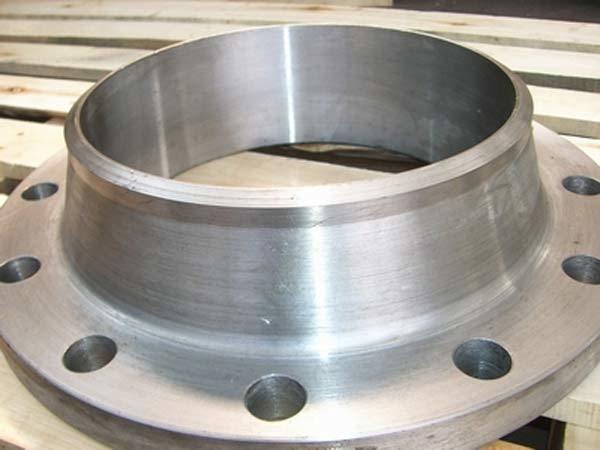
High neck flanges, also known as long neck flanges, are critical components used in the joining of pipes and fittings in various industrial applications. Their design features an extended neck that provides a greater distance between the flange face and the pipe. This unique characteristic makes high neck flanges an essential choice for many engineering and construction projects. One of the primar

Flat Flanges in Water Supply Systems: Ensuring Reliability and Performance
Flat Flanges in Water Supply Systems: Ensuring Reliability and Performance Table of Contents Introduction to Flat Flanges Benefits of Flat Flanges in Water Supply Systems Understanding Flat Flange Specifications Installation Process for Flat Flanges Maintenance Practices for Flat Flanges Common Issues with Flat Flanges and Solutions Flat Flanges vs. Other Flange Types
Understanding Forgings in the Steel Industry: Key Insights for Construction and Decorative Materials
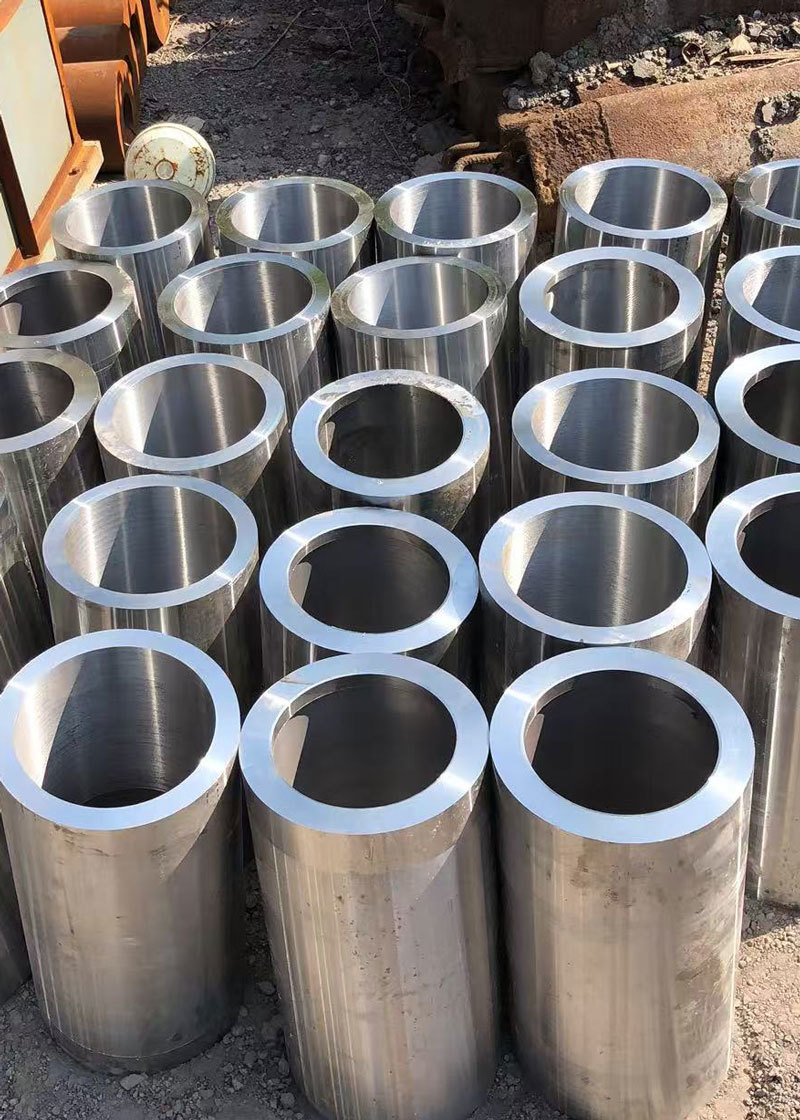
The steel industry, particularly in the realm of forgings, plays a crucial role in the construction and decorative materials sector. Steel forgings are produced by shaping heated steel through the application of compressive forces, ensuring high strength, durability, and reliability. This process creates a superior material compared to other manufacturing methods such as casting, due to its fine g

Understanding Non-Standard Flanges: Essential Insights for Construction and Decoration
Non-standard flanges play a pivotal role in the construction and decoration materials sector, particularly when it comes to piping systems. Unlike standard flanges, which conform to widely accepted dimensions and specifications, non-standard flanges are designed to meet specific requirements dictated by unique project needs or particular installation scenarios. This adaptability makes them an esse
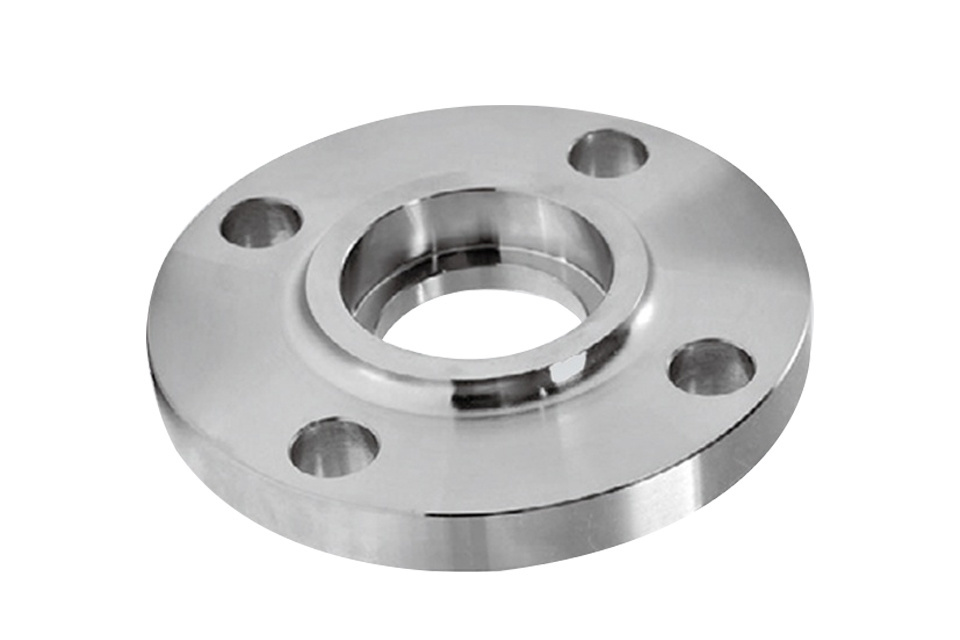
American Standard flanges play a crucial role in various construction and piping applications, particularly in the realm of plumbing and piping systems. These flanges conform to specific dimensional standards set by the American National Standards Institute (ANSI), ensuring compatibility and reliability in connections. Understanding the specifications and applications of American Standard flanges
Shandong Xinhao Forging Co.,Ltd.
Tel:+86-15098858482
WeChat: 543983004
Email:xinhaoflange@gmail.com
Whatsapp:8615098858482
Website:www.xhflange.com

TikTok