

The Connection Between Sliding Flanges and Structural Integrity: Ensuring Safety and Performance in Construction
Release time:
2026-05-17
The Connection Between Sliding Flanges and Structural Integrity Introduction In the realm of construction and industrial applications, the integrity of structures is paramount. Understanding the connection between **sliding flanges** and structural integrity is essential for engineers, architects, and contractors alike. **Sliding flanges** serve as critical components that enhance the adaptability

The Connection Between Sliding Flanges and Structural Integrity
Introduction
In the realm of construction and industrial applications, the integrity of structures is paramount. Understanding the connection between **sliding flanges** and structural integrity is essential for engineers, architects, and contractors alike. **Sliding flanges** serve as critical components that enhance the adaptability and strength of various structures, ensuring they can withstand various loads and environmental conditions.
This article delves into the intricate relationship between sliding flanges and structural integrity, examining their types, applications, advantages, and best practices. By the end of this comprehensive guide, readers will have a thorough understanding of how to effectively utilize sliding flanges to bolster structural integrity in their projects.
Table of Contents
1. Understanding Sliding Flanges
2. The Role of Sliding Flanges in Structural Integrity
3. Types of Sliding Flanges
3.1 Standard Sliding Flanges
3.2 Sliding Flanges with Gaskets
3.3 Custom Sliding Flanges
4. Applications of Sliding Flanges in Construction
5. Advantages of Using Sliding Flanges
6. Best Practices for Installation and Maintenance
7. Common Challenges and Solutions
8. FAQs About Sliding Flanges and Structural Integrity
9. Conclusion
1. Understanding Sliding Flanges
Sliding flanges are mechanical elements used to connect pipes, beams, or structural components. Unlike fixed flanges, sliding flanges allow for relative motion between connected parts, accommodating thermal expansion and contraction, vibration, and other dynamic forces. This flexibility is crucial for maintaining the overall structural integrity of a system, particularly in environments where temperature changes or dynamic loading conditions are prevalent.
2. The Role of Sliding Flanges in Structural Integrity
The primary role of sliding flanges in structural integrity is to provide a reliable connection that can adapt to changes in the environment without compromising strength. They act as a buffer, absorbing stresses and strains that might otherwise lead to structural failure. By allowing for movement, sliding flanges help prevent cracks, leaks, and other damages that could jeopardize the integrity of a structure.
Moreover, sliding flanges can significantly improve the durability of a system. They reduce the risk of fatigue and wear, ensuring that connections remain secure over time. This is particularly important in industries where safety is a top priority, such as oil and gas, chemical processing, and construction.
3. Types of Sliding Flanges
Sliding flanges come in various types, each designed to meet specific requirements. Understanding these types can help professionals choose the right flange for their projects.
3.1 Standard Sliding Flanges
Standard sliding flanges are the most commonly used type. They feature a simple design that allows for easy installation and maintenance. Typically made from durable materials like carbon steel or stainless steel, these flanges are suitable for a wide range of applications.
3.2 Sliding Flanges with Gaskets
Sliding flanges with gaskets offer enhanced sealing capabilities, making them ideal for systems that handle fluids or gases. The gasket material, often rubber or PTFE, provides a tight seal, preventing leaks that could otherwise compromise structural integrity.
3.3 Custom Sliding Flanges
Custom sliding flanges can be designed to meet specific project requirements. This may include unique dimensions, materials, or performance characteristics. Custom flanges are beneficial when standard options do not adequately address a project's needs.
4. Applications of Sliding Flanges in Construction
Sliding flanges are utilized across various sectors in construction:
- **Piping Systems**: In industrial piping systems, sliding flanges accommodate thermal expansion, preventing stress on pipes.
- **Structural Frameworks**: In building construction, sliding flanges connect beams, allowing for movement and reducing the risk of structural failure.
- **Bridges**: Sliding flanges are critical in bridge construction, enabling the structure to adapt to traffic loads and environmental changes.
- **Mechanical Equipment**: In machinery, sliding flanges facilitate movement while maintaining secure connections.
5. Advantages of Using Sliding Flanges
The use of sliding flanges presents numerous advantages:
1. **Flexibility**: Sliding flanges allow for relative motion, accommodating thermal expansion and contraction.
2. **Durability**: By reducing stress on connections, sliding flanges can prolong the lifespan of structures.
3. **Enhanced Sealing**: With the option of gaskets, sliding flanges can provide superior sealing capabilities, preventing leaks.
4. **Cost-Effectiveness**: The ability to absorb stress can reduce maintenance costs and prevent costly repairs.
6. Best Practices for Installation and Maintenance
To ensure sliding flanges perform effectively, adhering to best practices in installation and maintenance is crucial:
- **Proper Alignment**: Ensure that flanges are aligned correctly during installation to prevent undue stress on the connections.
- **Use of Gaskets**: When applicable, always employ gaskets to enhance sealing capabilities.
- **Regular Inspections**: Conduct regular inspections to identify wear, corrosion, or other issues that could impact performance.
- **Follow Manufacturer Guidelines**: Always adhere to the manufacturer's specifications for installation and maintenance.
7. Common Challenges and Solutions
While sliding flanges offer many benefits, they can also present challenges:
- **Misalignment**: This can lead to stress and connection failure. Solution: Use alignment tools during installation to ensure proper fit.
- **Corrosion**: Particularly in harsh environments, corrosion can weaken flanges. Solution: Choose corrosion-resistant materials and apply protective coatings.
- **Wear and Tear**: Over time, flanges may experience wear. Solution: Implement regular maintenance checks and replace components as needed.
8. FAQs About Sliding Flanges and Structural Integrity
1. What is a sliding flange?
A sliding flange is a mechanical connection that allows for movement between connected parts, accommodating changes in temperature and pressure.
2. Why are sliding flanges important for structural integrity?
Sliding flanges help absorb stresses and strains, preventing structural failure and enhancing the durability of connections.
3. How do sliding flanges differ from fixed flanges?
Unlike fixed flanges, sliding flanges allow for movement and flexibility, making them suitable for dynamic applications.
4. Can sliding flanges be customized?
Yes, sliding flanges can be designed to meet specific project requirements, including unique dimensions and materials.
5. What maintenance practices are recommended for sliding flanges?
Regular inspections, proper alignment during installation, and adherence to manufacturer guidelines are key maintenance practices.
9. Conclusion
The connection between sliding flanges and structural integrity is a vital aspect of modern construction and engineering. By understanding the various types, applications, and advantages of sliding flanges, professionals can make informed decisions that enhance the safety and performance of their structures. Implementing best practices for installation and maintenance further ensures that sliding flanges function optimally, contributing to the longevity and reliability of critical systems. In an industry where safety and efficiency are paramount, leveraging the benefits of sliding flanges is not just advantageous but essential for successful project outcomes.
Previous
Latest developments
The Connection Between Sliding Flanges and Structural Integrity Introduction In the realm of construction and industrial applications, the integrity of structures is paramount. Understanding the connection between **sliding flanges** and structural integrity is essential for engineers, architects, and contractors alike. **Sliding flanges** serve as critical components that enhance the adaptability
Why Forged Stainless Steel is the Preferred Choice in Oil & Gas: A Comprehensive Analysis
Why Forged Stainless Steel is the Preferred Choice in Oil & Gas Introduction to Forged Stainless Steel in the Oil & Gas Industry The oil and gas sector operates in some of the harshest environments known to man, where equipment must withstand extreme temperatures, high pressures, and corrosive substances. In this context, **forged stainless steel** emerges as a crucial material, offering unparal
Understanding High Neck Flanges: Essential Components for Efficient Pipeline Systems
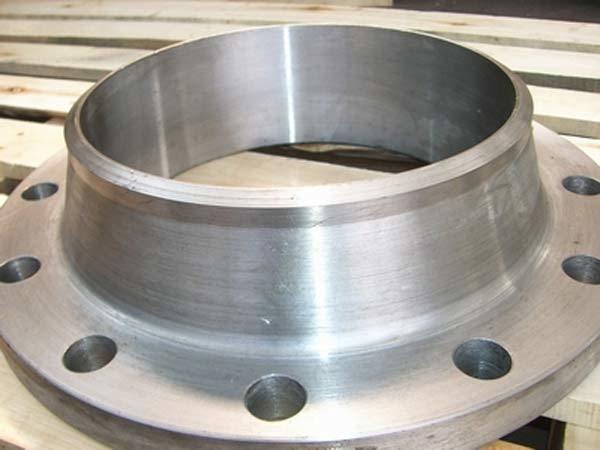
High neck flanges, also known as long neck flanges, are critical components used in the joining of pipes and fittings in various industrial applications. Their design features an extended neck that provides a greater distance between the flange face and the pipe. This unique characteristic makes high neck flanges an essential choice for many engineering and construction projects. One of the primar

Flat Flanges in Water Supply Systems: Ensuring Reliability and Performance
Flat Flanges in Water Supply Systems: Ensuring Reliability and Performance Table of Contents Introduction to Flat Flanges Benefits of Flat Flanges in Water Supply Systems Understanding Flat Flange Specifications Installation Process for Flat Flanges Maintenance Practices for Flat Flanges Common Issues with Flat Flanges and Solutions Flat Flanges vs. Other Flange Types
Understanding Forgings in the Steel Industry: Key Insights for Construction and Decorative Materials
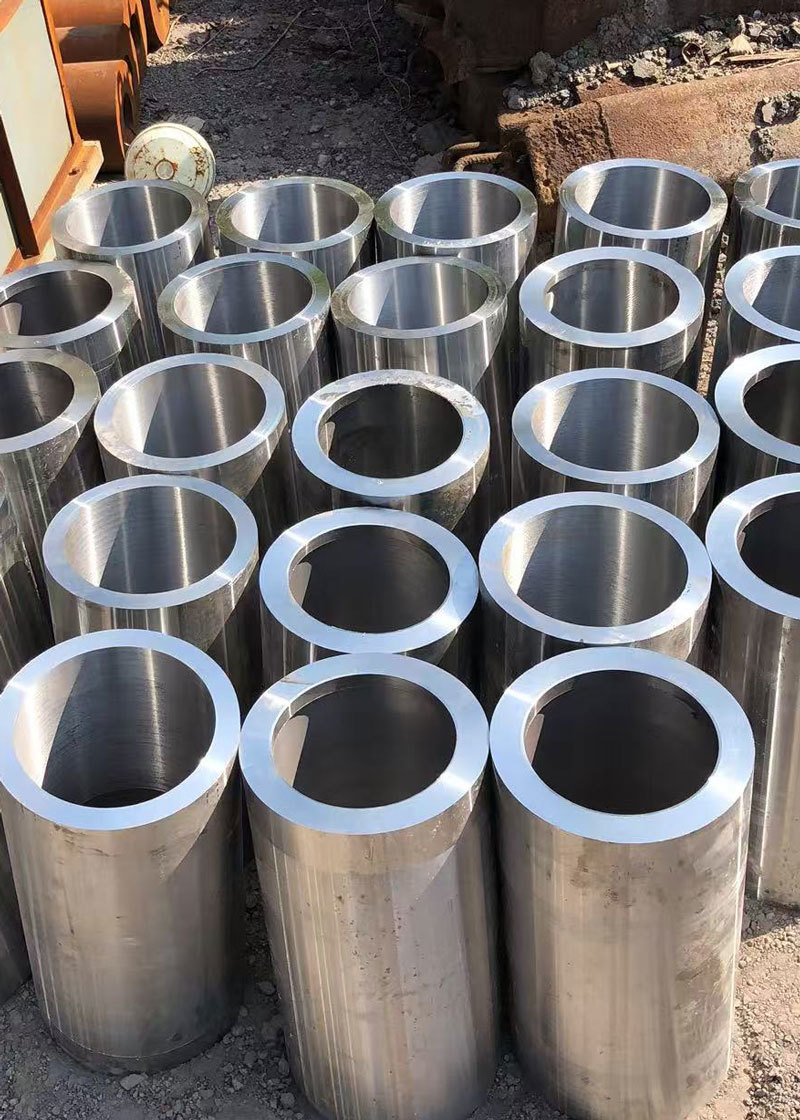
The steel industry, particularly in the realm of forgings, plays a crucial role in the construction and decorative materials sector. Steel forgings are produced by shaping heated steel through the application of compressive forces, ensuring high strength, durability, and reliability. This process creates a superior material compared to other manufacturing methods such as casting, due to its fine g

Understanding Non-Standard Flanges: Essential Insights for Construction and Decoration
Non-standard flanges play a pivotal role in the construction and decoration materials sector, particularly when it comes to piping systems. Unlike standard flanges, which conform to widely accepted dimensions and specifications, non-standard flanges are designed to meet specific requirements dictated by unique project needs or particular installation scenarios. This adaptability makes them an esse
Shandong Xinhao Forging Co.,Ltd.
Tel:+86-15098858482
WeChat: 543983004
Email:xinhaoflange@gmail.com
Whatsapp:8615098858482
Website:www.xhflange.com

TikTok