

Understanding Non-Standard Flanges: Key Insights for Building and Decoration Professionals
Release time:
2026-06-01
Non-standard flanges play a crucial role in the building and decoration materials sector, particularly in piping systems where conventional dimensions do not suffice. These specialized flanges are custom-made to meet specific project requirements, ensuring seamless integration within various architectural designs and operational parameters. Understanding the characteristics and applications of non
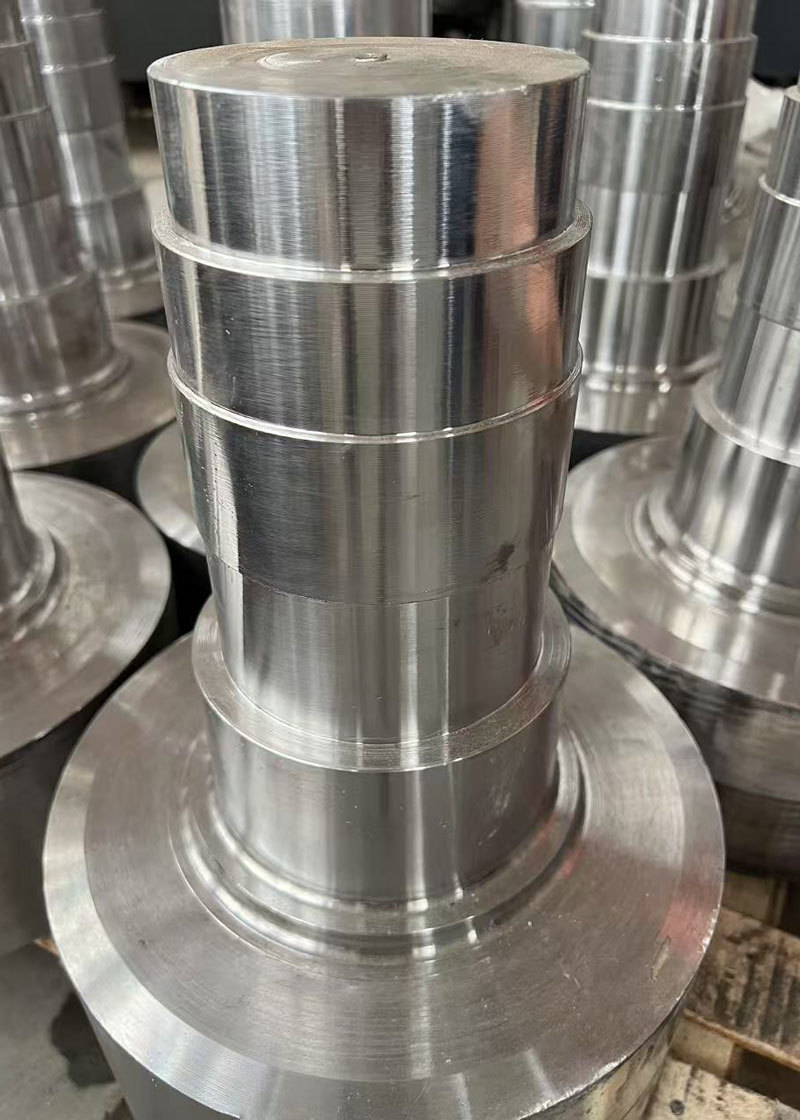
One of the primary reasons for utilizing non-standard flanges is to accommodate unique piping layouts or to connect components that require specific alignment. Standard flanges come in predetermined sizes and shapes, which may not suit every application. Non-standard options provide flexibility, allowing designers and engineers to create solutions tailored to their specific needs. This adaptability is particularly beneficial in complex installations where space constraints or unique configurations are present.
In terms of design, non-standard flanges can vary widely in diameter, thickness, and bolt hole arrangement. This variability allows for precise fitting and sealing, which is critical in preventing leaks and ensuring the integrity of the piping system. When designing non-standard flanges, consider factors such as the material compatibility, pressure ratings, and environmental conditions that may affect performance.
Furthermore, non-standard flanges are often used in industries that require stringent quality standards, such as chemical processing, water treatment, and oil and gas. In these sectors, the ability to customize flanges helps mitigate risks associated with system failures, ensuring that installations are capable of withstanding demanding operational conditions.
Collaboration with experienced manufacturers is essential when sourcing non-standard flanges. It is vital to provide them with accurate specifications, including intended application, pressure requirements, and any relevant standards. Manufacturers with expertise in this area can offer valuable insights and recommendations, facilitating the selection of the most suitable designs for your project.
In addition to their practical applications, non-standard flanges can also contribute to aesthetic considerations in building and decoration projects. Designers may opt for custom finishes or shapes that enhance the overall visual appeal of installations. This dual functionality—serving both structural and aesthetic purposes—makes non-standard flanges a versatile choice.
In conclusion, non-standard flanges are integral components in the building and decoration materials domain, especially for piping systems requiring tailored solutions. By understanding their applications, design considerations, and the importance of collaboration with manufacturers, professionals can ensure successful project outcomes while maintaining high standards of performance and safety.
Latest developments
A Beginner's Comprehensive Guide to Understanding Sliding Flanges in Plumbing
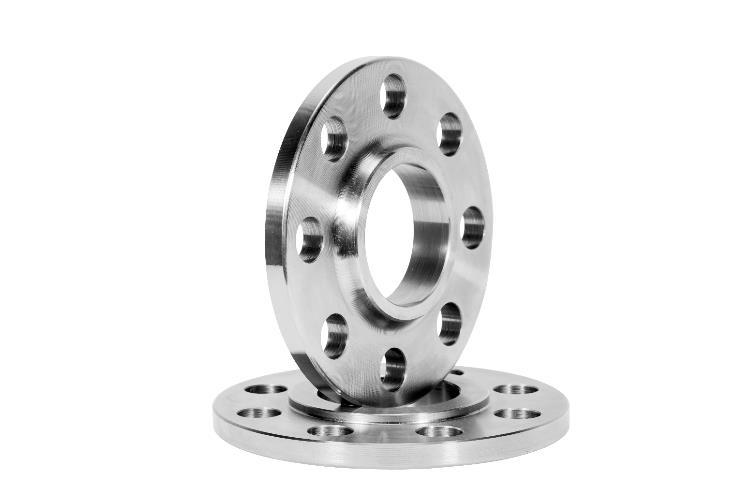
A Beginner's Comprehensive Guide to Understanding Sliding Flanges in Plumbing Table of Contents What Are Sliding Flanges? The Importance of Sliding Flanges in Plumbing Systems Design and Structure of Sliding Flanges Types of Sliding Flanges Used in Plumbing Advantages of Using Sliding Flanges Installation Process for Sliding Flanges Maintenance Tips for Sliding Flanges Common Misc

Understanding High Neck Flanges: Essential Components for Construction and Decorating Materials
High neck flanges are specialized fittings used in piping systems to connect pipes, valves, pumps, and other equipment. They are characterized by a raised or "high" neck that extends from the flange face. This design feature affects the way the flange fits into the overall piping system, providing advantages in terms of strength and stability. One of the key benefits of high neck flanges is their
Flat Flanges in Fire Protection Systems: A Comprehensive Overview
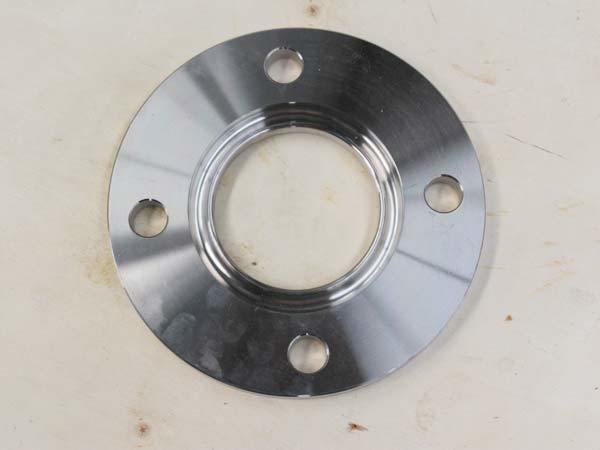
Flat Flanges in Fire Protection Systems: A Comprehensive Overview Introduction to Flat Flanges in Fire Protection In the realm of fire protection systems, **flat flanges** serve as fundamental components that ensure the seamless connection and functionality of piping systems. These flanges play a crucial role in maintaining pressure and facilitating the smooth flow of fire suppression agents. Unde
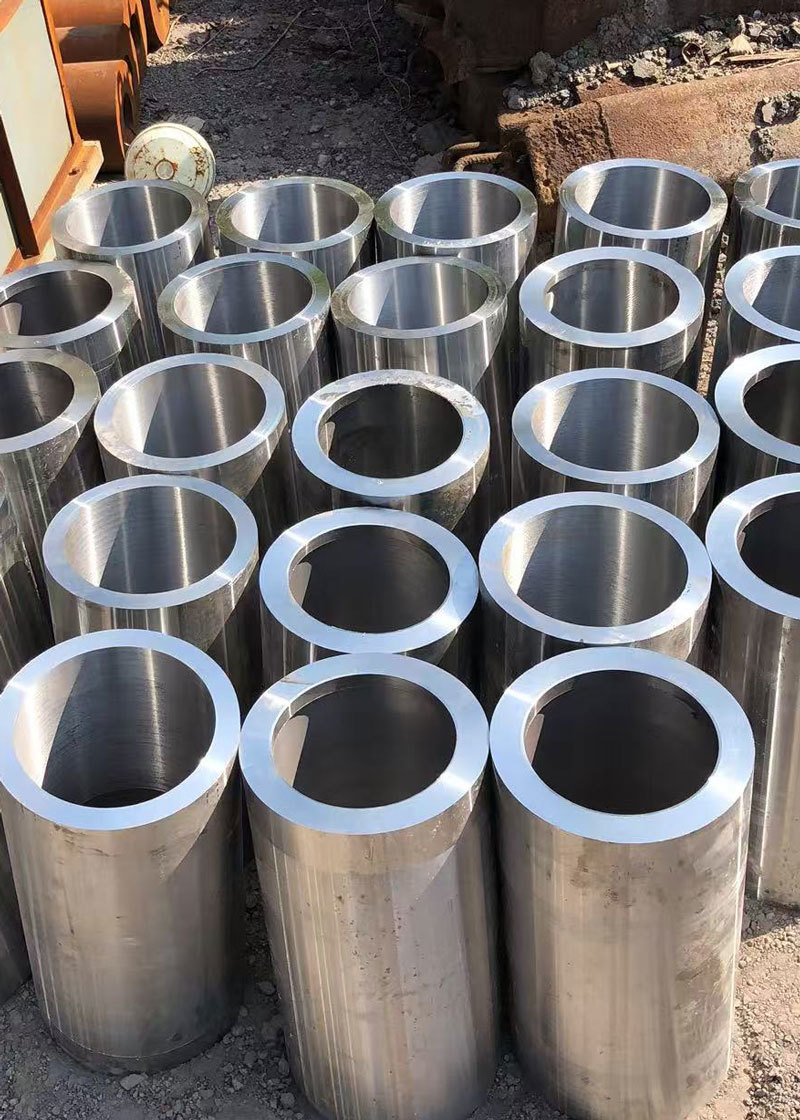
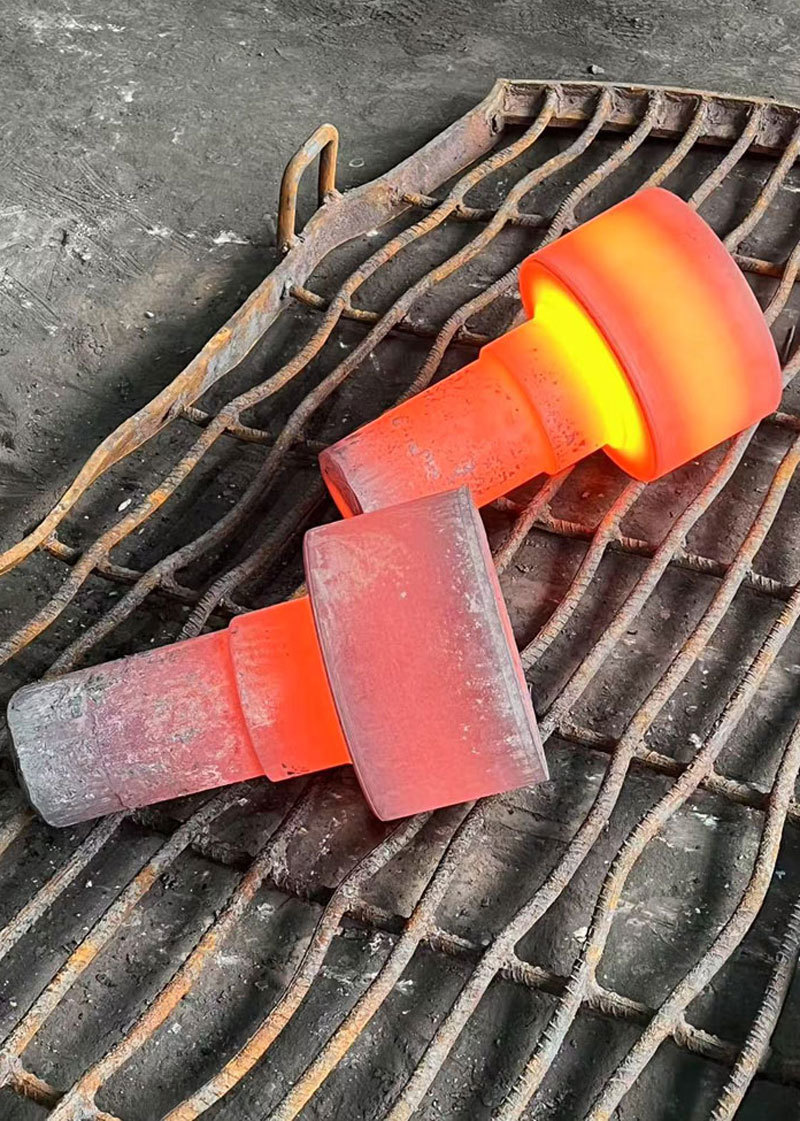
Steel industries forgings represent a crucial aspect of manufacturing within the construction sector, particularly when it comes to durable and high-quality materials. Forging is a process that involves shaping metal using localized compressive forces, resulting in products that boast enhanced strength and integrity. This technique is especially important in the construction and decorative materia
Quality Standards in the Forging of Stainless Steel Products: Ensuring Excellence in Metallurgy
Quality Standards in the Forging of Stainless Steel Products Table of Contents Introduction to Stainless Steel Forging The Importance of Quality Standards in Forging Types of Stainless Steel Used in Forging Common Forging Processes in Stainless Steel Manufacturing Quality Assurance Methodologies in Stainless Steel Forging Testing and Certification of Stainless Steel Products Global
Understanding Non-Standard Flanges: A Key Component in Architectural Applications
Non-standard flanges are specialized components that deviate from conventional sizing and design specifications. Unlike standard flanges, which adhere to established dimensions and pressure ratings, non-standard flanges are custom-made to meet unique project requirements. These flanges are crucial in various architectural and construction applications, particularly when dealing with unconventional
Shandong Xinhao Forging Co.,Ltd.
Tel:+86-15098858482
WeChat: 543983004
Email:xinhaoflange@gmail.com
Whatsapp:8615098858482
Website:www.xhflange.com

TikTok