

The Advantages of Using Japanese Standard Flanges in Water Supply Systems
Release time:
2026-05-29
The Advantages of Using Japanese Standard Flanges in Water Supply Systems In today's rapidly evolving construction industry, choosing the right components for water supply systems is crucial for ensuring efficiency, safety, and longevity. Among the various fittings available in the market, **Japanese standard flanges** stand out due to their exceptional quality and design. This article delves into
The Advantages of Using Japanese Standard Flanges in Water Supply Systems
In today's rapidly evolving construction industry, choosing the right components for water supply systems is crucial for ensuring efficiency, safety, and longevity. Among the various fittings available in the market, **Japanese standard flanges** stand out due to their exceptional quality and design. This article delves into the numerous advantages of using Japanese standard flanges in water supply systems, addressing their unique features, benefits, and applications. By the end, you will understand why incorporating these flanges can significantly enhance your plumbing projects.
Table of Contents
- 1. Introduction to Japanese Standard Flanges
- 2. Superior Quality and Manufacturing Standards
- 3. Optimal Materials Used in Japanese Flanges
- 4. Innovative Design Features of Japanese Standard Flanges
- 5. Easy Installation and Maintenance
- 6. Compatibility with Various Pipe Systems
- 7. Cost-Effectiveness and Long-Term Savings
- 8. Environmental Considerations
- 9. Conclusion
- 10. Frequently Asked Questions
1. Introduction to Japanese Standard Flanges
Flanges are essential components in water supply systems, serving as connectors between pipes, valves, pumps, and other equipment. **Japanese standard flanges**, rooted in rigorous engineering principles, have gained widespread acclaim for their reliability and performance. With a combination of traditional craftsmanship and modern technology, these flanges offer outstanding benefits that make them an ideal choice for various applications in plumbing and water management.
2. Superior Quality and Manufacturing Standards
One of the most compelling reasons to use Japanese standard flanges is their **superior quality**. Japanese manufacturers adhere to strict quality control measures throughout the production process. This commitment to excellence ensures that every flange meets international standards, such as JIS (Japanese Industrial Standards). The result is a product that guarantees **durability**, minimizes the risk of leaks, and withstands high-pressure conditions.
3. Optimal Materials Used in Japanese Flanges
The choice of materials for flanges significantly influences their performance. Japanese standard flanges are typically made from high-grade stainless steel, carbon steel, or alloy steel. These materials offer exceptional **corrosion resistance**, ensuring that the flanges maintain their integrity even in harsh environments. Additionally, the use of advanced coatings and treatments further enhances their longevity, making them suitable for a variety of water supply systems.
4. Innovative Design Features of Japanese Standard Flanges
Japanese standard flanges incorporate innovative design features that contribute to their effectiveness in water supply systems. Some of these features include:
4.1 Precision Engineering
With a focus on precision engineering, Japanese flanges are designed to fit perfectly with other system components, reducing the risk of misalignment and potential failures.
4.2 Variety of Sizes and Types
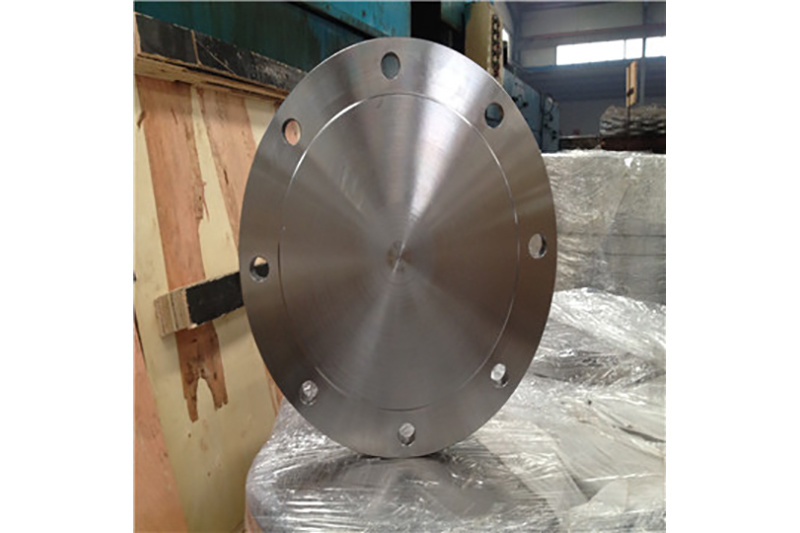
Japanese standard flanges come in a wide range of sizes and types, including **slip-on**, **weld neck**, and **blind flanges**, allowing for flexibility in installation and application.
4.3 Enhanced Sealing Mechanisms
Many Japanese flanges feature advanced sealing mechanisms, such as **gaskets** made from high-quality materials, which provide a reliable barrier against leaks.
5. Easy Installation and Maintenance
Another advantage of using Japanese standard flanges is their ease of installation. The precise manufacturing processes ensure that the flanges fit seamlessly with corresponding pipes and fittings, which simplifies the assembly process. Additionally, regular maintenance is straightforward, as these flanges require minimal upkeep while retaining their effectiveness over time.
6. Compatibility with Various Pipe Systems
Japanese standard flanges are designed to be compatible with various pipe systems, including those used in **industrial**, **commercial**, and **residential** applications. This compatibility ensures that they can be integrated into existing systems without the need for extensive modifications. Whether you are working with PVC, steel, or other materials, Japanese flanges provide a versatile solution for your plumbing needs.
7. Cost-Effectiveness and Long-Term Savings
While the initial investment in Japanese standard flanges may be higher than lower-quality alternatives, their durability and reliability lead to **significant long-term savings**. By reducing the frequency of replacements and repairs, these flanges ultimately lower overall project costs. Additionally, their efficiency in preventing leaks can save substantial amounts in water bills over time.
8. Environmental Considerations
In an era where environmental sustainability is paramount, choosing **Japanese standard flanges** aligns with eco-friendly practices. Their durability reduces waste, as fewer replacements are needed, and their materials can often be recycled at the end of their lifespan. By improving the efficiency of water supply systems, these flanges also contribute to the conservation of a vital resource.
9. Conclusion
In conclusion, the advantages of using Japanese standard flanges in water supply systems are clear. From their superior quality and precise engineering to their compatibility with various systems and long-term cost savings, these flanges represent a smart investment for any plumbing project. By selecting Japanese standard flanges, you not only enhance the reliability and efficiency of your water supply systems but also contribute to sustainable practices in the construction industry.
10. Frequently Asked Questions
10.1 What are Japanese standard flanges?
Japanese standard flanges are high-quality fittings designed to connect pipes and other components in water supply systems, manufactured according to rigorous Japanese industrial standards.
10.2 What materials are used in Japanese standard flanges?
Japanese standard flanges are typically made from stainless steel, carbon steel, or alloy steel, providing excellent durability and corrosion resistance.
10.3 Are Japanese standard flanges easy to install?
Yes, Japanese standard flanges are designed for easy installation and require minimal maintenance, making them a user-friendly option for plumbing systems.
10.4 How do Japanese standard flanges compare to other flange types?
Japanese standard flanges offer superior quality and performance, adhering to strict manufacturing standards which often surpass those of other flange types.
10.5 Can Japanese standard flanges be used in residential applications?
Absolutely! Japanese standard flanges are versatile and compatible with various pipe systems, making them suitable for both residential and commercial applications.
By understanding and utilizing the advantages of Japanese standard flanges, you can ensure that your water supply systems operate efficiently and effectively for years to come.
Latest developments

Understanding High Neck Flanges: Essential Components for Construction and Decorating Materials
High neck flanges are specialized fittings used in piping systems to connect pipes, valves, pumps, and other equipment. They are characterized by a raised or "high" neck that extends from the flange face. This design feature affects the way the flange fits into the overall piping system, providing advantages in terms of strength and stability. One of the key benefits of high neck flanges is their
Flat Flanges in Fire Protection Systems: A Comprehensive Overview
Flat Flanges in Fire Protection Systems: A Comprehensive Overview Introduction to Flat Flanges in Fire Protection In the realm of fire protection systems, **flat flanges** serve as fundamental components that ensure the seamless connection and functionality of piping systems. These flanges play a crucial role in maintaining pressure and facilitating the smooth flow of fire suppression agents. Unde
Steel industries forgings represent a crucial aspect of manufacturing within the construction sector, particularly when it comes to durable and high-quality materials. Forging is a process that involves shaping metal using localized compressive forces, resulting in products that boast enhanced strength and integrity. This technique is especially important in the construction and decorative materia
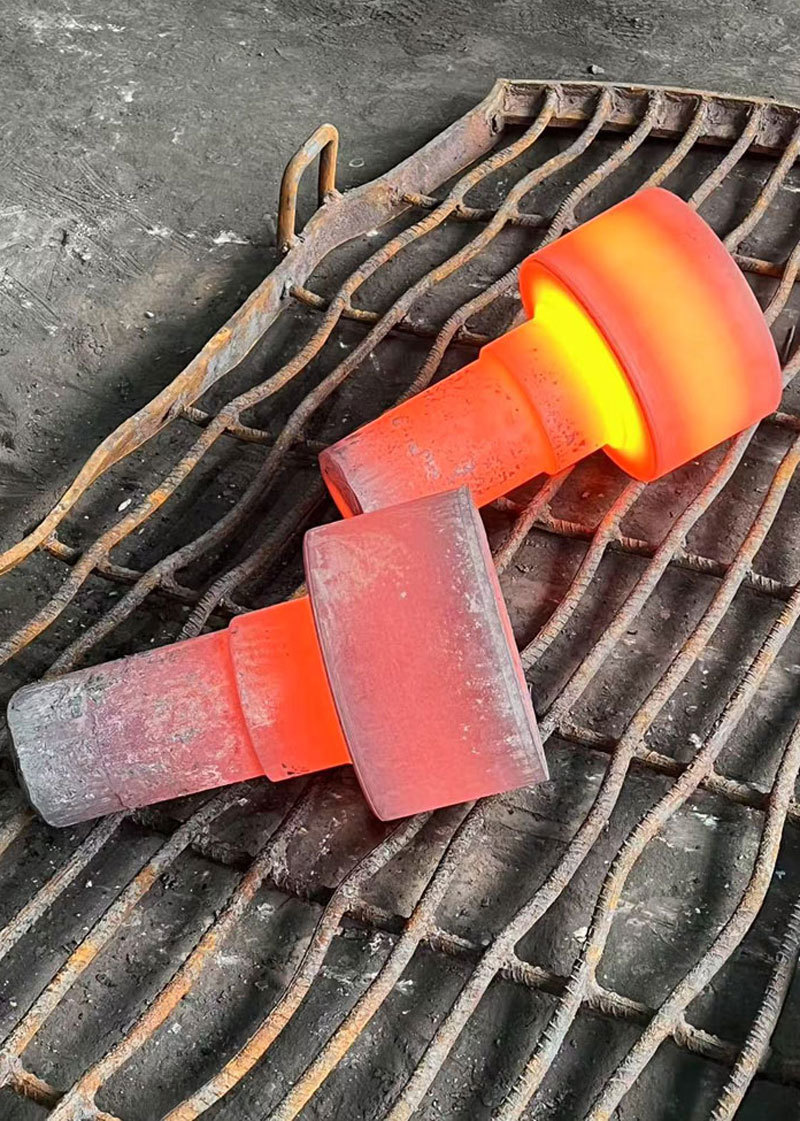
Quality Standards in the Forging of Stainless Steel Products: Ensuring Excellence in Metallurgy
Quality Standards in the Forging of Stainless Steel Products Table of Contents Introduction to Stainless Steel Forging The Importance of Quality Standards in Forging Types of Stainless Steel Used in Forging Common Forging Processes in Stainless Steel Manufacturing Quality Assurance Methodologies in Stainless Steel Forging Testing and Certification of Stainless Steel Products Global
Understanding Non-Standard Flanges: A Key Component in Architectural Applications
Non-standard flanges are specialized components that deviate from conventional sizing and design specifications. Unlike standard flanges, which adhere to established dimensions and pressure ratings, non-standard flanges are custom-made to meet unique project requirements. These flanges are crucial in various architectural and construction applications, particularly when dealing with unconventional
The Importance of Quality Control for Japanese Standard Flanges: Ensuring Durability and Reliability
The Importance of Quality Control for Japanese Standard Flanges In the construction and manufacturing sectors, the significance of quality control cannot be overstated, especially for components as crucial as flanges. Japanese standard flanges, known for their precision and durability, require stringent quality control measures to meet the demands of various applications. This article delves into
Shandong Xinhao Forging Co.,Ltd.
Tel:+86-15098858482
WeChat: 543983004
Email:xinhaoflange@gmail.com
Whatsapp:8615098858482
Website:www.xhflange.com

TikTok