

An Insight into Steel Industries Forgings: Enhancing Structural Integrity
Release time:
2026-07-08
Steel industries forgings play a crucial role in the construction and architectural sectors, providing essential components that enhance the structural integrity of various projects. Forging is a manufacturing process where metal is shaped by applying compressive forces, resulting in a material that boasts superior mechanical properties compared to other processing methods. This enhancement in str
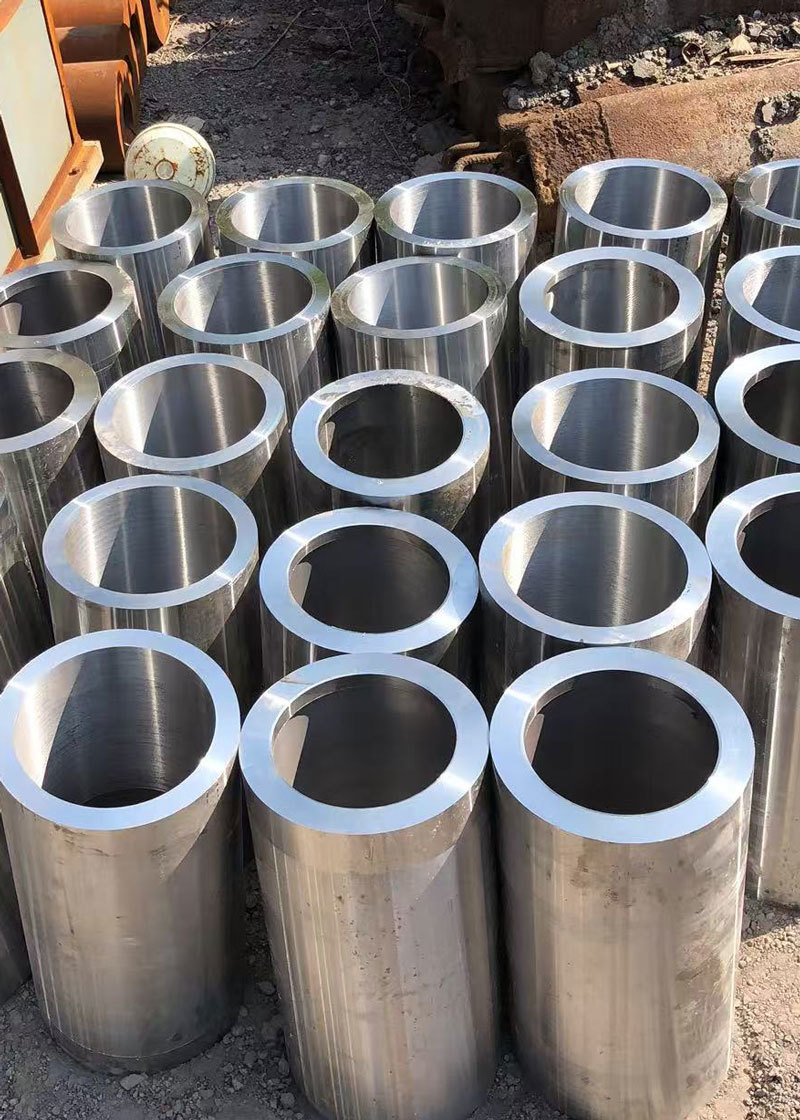
One of the primary benefits of using forged steel materials is their ability to withstand extreme conditions. Forgings can endure high temperatures, resist corrosion, and offer excellent fatigue resistance, making them ideal for use in components subjected to heavy loads and dynamic stresses. In the context of building and construction, this translates to increased safety and reliability of structural elements such as beams, columns, and brackets.
Steel industries forgings are also highly versatile. They can be produced in various shapes and sizes, allowing for customization to meet specific design requirements. This adaptability is crucial in architectural projects, where unique designs often demand tailored solutions. From intricate decorative elements to robust structural supports, forged steel can be engineered to fit a wide array of applications within the building sector.
Moreover, the forging process enhances the grain structure of steel, leading to improved toughness and ductility. These characteristics are essential in construction, as they allow materials to absorb energy and deform without breaking, which is particularly valuable in regions prone to seismic activity. By utilizing forged steel materials, architects and engineers can create structures that not only meet regulatory standards but also provide enhanced safety for occupants.
Sustainability is another consideration in today's construction practices, and steel industries forgings align well with eco-friendly initiatives. Steel is a recyclable material, and the forging process often generates less waste compared to other methods. By incorporating forged steel into building materials, construction professionals can contribute to sustainable practices while maintaining high-performance standards.
In summary, steel industries forgings are integral to the construction and architectural domains. Their unmatched strength, versatility, and ability to enhance structural integrity make them a preferred choice for many applications. As the construction industry continues to evolve, the adoption of forged steel materials will likely increase, fostering innovative designs and safe, durable structures that stand the test of time. Understanding the importance of these materials can empower professionals to make informed decisions that benefit their projects and the broader community.
Latest developments
Mastering DIY: Essential Tips for Working with Threaded Flanges at Home
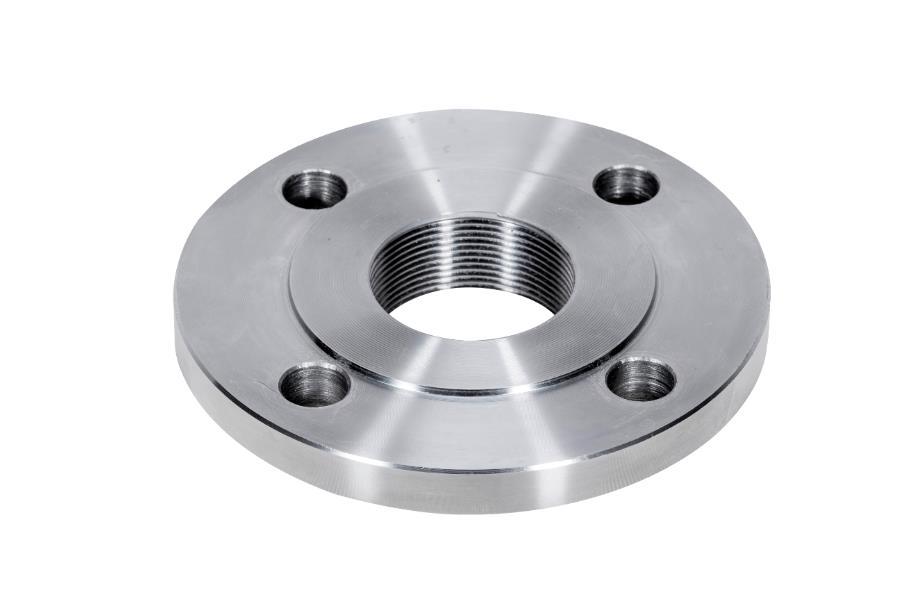
Mastering DIY: Essential Tips for Working with Threaded Flanges at Home Table of Contents Understanding Threaded Flanges: A Comprehensive Overview The Importance of Threaded Flanges in Home Projects Essential Tools and Materials for Working with Threaded Flanges Preparation Steps Before Starting Your Project Step-by-Step Guide to Installing Threaded Flanges Common Mistakes
Understanding Flanged Connections in Building and Decoration Materials
Flanged connections are a fundamental component in piping systems within the construction and decoration materials sector. These connections consist of two flanges, which are typically flat pieces of metal that are bolted together, creating a secure joint. This method of joining pipes, valves, and fittings is favored due to its reliability, ease of maintenance, and ability to handle high pressure
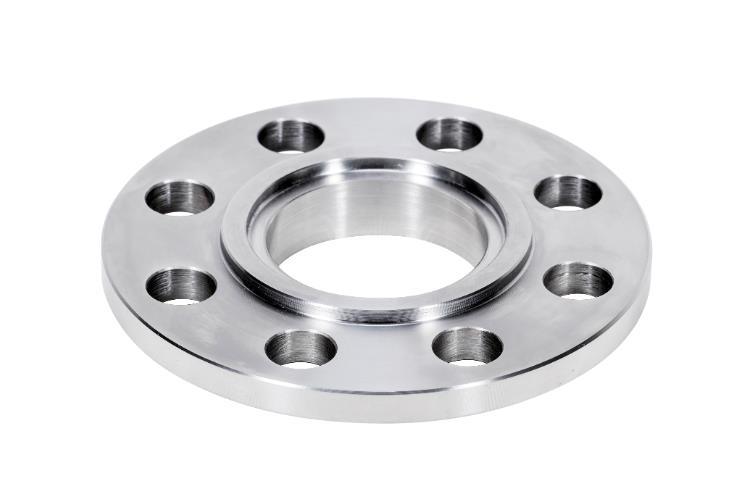
The Advantages of Sliding Flanges in High-Pressure Applications
The Advantages of Sliding Flanges in High-Pressure Applications Table of Contents 1. Understanding Sliding Flanges 2. Importance of Sliding Flanges in High-Pressure Systems 3. Key Benefits of Sliding Flanges 3.1 Flexibility and Adjustability 3.2 Stress Reduction on Piping 3.3 Enhanced Sealing Capabilities 4. Applications of Sliding Flanges 5. Installation

Understanding High Neck Flanges: Essential Components for Construction and Decorative Materials
High neck flanges are critical components in various piping systems used in the construction and decorative materials industry. They are designed to connect pipes, valves, pumps, and other equipment, ensuring a secure and leak-proof seal. The high neck design distinguishes them from standard flanges, as they feature a longer neck that helps to accommodate thicker materials and provides additional
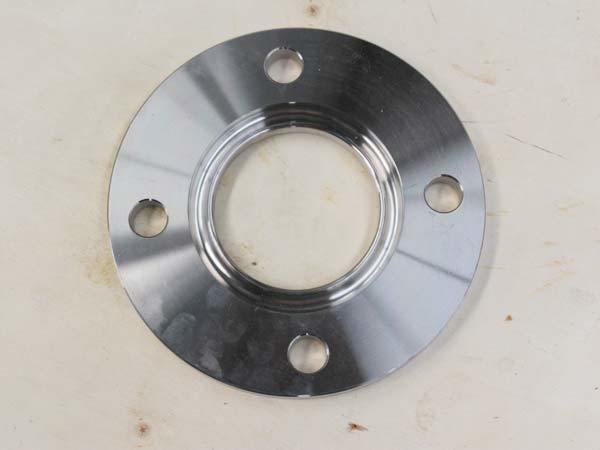
How to Maintain Your Flat Flanges for Longevity: Essential Tips for Optimal Performance
How to Maintain Your Flat Flanges for Longevity Flanges are essential components in piping and plumbing systems, facilitating connections in various applications. Among these, **flat flanges** are widely used due to their ease of installation and maintenance. However, to ensure their longevity and optimal performance, proper care and maintenance are paramount. In this article, we will delve into e

The Role of Steel Industries Forgings in Construction and Decorative Materials
In the construction and decorative materials sector, the importance of steel industries forgings cannot be overstated. Forging is a manufacturing process that involves shaping metal using localized compressive forces, which results in products that boast enhanced mechanical properties. This method is particularly relevant for the steel industry, where forgings are integral in creating components u
Shandong Xinhao Forging Co.,Ltd.
Tel:+86-15098858482
WeChat: 543983004
Email:xinhaoflange@gmail.com
Whatsapp:8615098858482
Website:www.xhflange.com

TikTok