

Flat Flanges: The Essential Component for Robust Mechanical Connections
Release time:
2026-07-11
Flat Flanges: The Essential Component for Robust Mechanical Connections Table of Contents 1. Introduction to Flat Flanges 2. Understanding the Functionality of Flat Flanges 3. Types of Flat Flanges 3.1 Standard Flat Flanges 3.2 Slip-on Flanges 3.3 Blind Flanges 3.4 Weld Neck Flanges 4. Applications of Flat Flanges in Various Industries 5. Benefits of Using Flat Flanges 6. Ins
Flat Flanges: The Essential Component for Robust Mechanical Connections
Table of Contents
1. Introduction to Flat Flanges
2. Understanding the Functionality of Flat Flanges
3. Types of Flat Flanges
3.1 Standard Flat Flanges
3.2 Slip-on Flanges
3.3 Blind Flanges
3.4 Weld Neck Flanges
4. Applications of Flat Flanges in Various Industries
5. Benefits of Using Flat Flanges
6. Installation Techniques for Flat Flanges
6.1 Preparing the Joint
6.2 Aligning the Flange
6.3 Securing with Bolts
7. Common Issues and Troubleshooting Tips
8. FAQ Section
9. Conclusion
1. Introduction to Flat Flanges
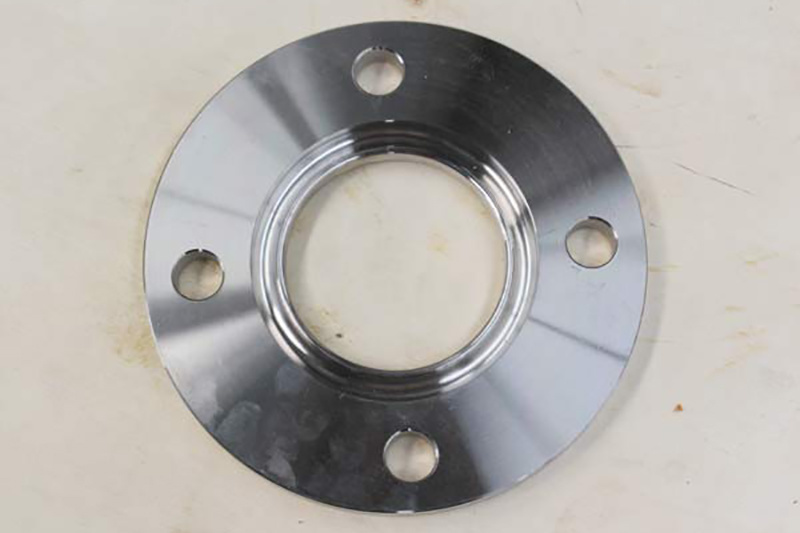
Flat flanges are integral components used in a variety of mechanical systems. They serve as connectors between pipes, valves, pumps, and other equipment, ensuring that fluid transfer occurs smoothly and without leaks. **Understanding the design, types, and applications** of flat flanges is essential for anyone involved in mechanical engineering, construction, or maintenance of piping systems. This article delves deep into the world of flat flanges, elaborating on their significance and functionality.
2. Understanding the Functionality of Flat Flanges
Flat flanges function primarily as connectors in mechanical assemblies, providing a robust interface for joining two components. When bolted together, they create a tight seal that prevents the escape of gases or liquids, absorbing pressure and stress from the connected structures. This functionality is crucial for ensuring the safety and reliability of systems, especially in high-pressure environments.
3. Types of Flat Flanges
Flat flanges come in various types, each suited for specific applications and materials. Understanding these different types is essential to select the right flange for your project.
3.1 Standard Flat Flanges
Standard flat flanges are the most common type used in piping systems. They feature a flat surface and are typically machined from materials like steel, stainless steel, or plastic. Their design allows for easy installation and removal, making them ideal for maintenance purposes.
3.2 Slip-on Flanges
Slip-on flanges are designed to slide over the pipe, providing a simple and effective way to connect two sections of piping. They are particularly useful in applications where alignment is critical since they can be rotated to achieve the desired position before securing.
3.3 Blind Flanges
Blind flanges are solid discs that serve as closures for the ends of pipes. They are essential in systems requiring temporary or permanent sealing. Blind flanges help maintain pressure within pipelines, making them a vital component in pressure vessel applications.
3.4 Weld Neck Flanges
Weld neck flanges are characterized by a long neck that is welded to the pipe. This design provides additional strength and is particularly effective in high-pressure applications. The gradual transition from the neck to the flange helps reduce stress concentrations, making weld neck flanges a popular choice in heavy-duty environments.
4. Applications of Flat Flanges in Various Industries
Flat flanges find applications across multiple industries, including:
- **Oil and Gas**: Used extensively for connecting pipelines and equipment in drilling and refining processes.
- **Water Treatment**: Essential for creating tight seals in water distribution systems.
- **Chemical Processing**: Employed in reactors and pipelines to handle various chemicals safely.
- **Construction**: Used in structural applications to connect beams and columns securely.
Each industry relies on flat flanges for durability and safety, underscoring their importance in mechanical connections.
5. Benefits of Using Flat Flanges
Integrating flat flanges into mechanical systems offers numerous advantages:
- **Ease of Installation**: Flat flanges are straightforward to install, requiring minimal tools and equipment.
- **Versatility**: They are compatible with various materials and can be used in different applications across industries.
- **Cost-Effectiveness**: The use of flat flanges can reduce assembly time and costs associated with complex coupling systems.
- **Leak Prevention**: When properly installed, flat flanges create a reliable seal, minimizing the risk of leaks.
These benefits make flat flanges a preferred choice in many engineering applications.
6. Installation Techniques for Flat Flanges
Proper installation of flat flanges is crucial for ensuring that mechanical connections function effectively. Here are some key installation techniques:
6.1 Preparing the Joint
Before installing flat flanges, it’s vital to prepare the joint surfaces by cleaning them to remove any dirt, rust, or old sealants. This ensures a smooth contact area for optimal sealing.
6.2 Aligning the Flange
Next, the flanges must be aligned correctly. Misalignment can lead to stress and potential failure. It is essential to use alignment tools and ensure that the bolt holes of both flanges match up precisely.
6.3 Securing with Bolts
Once the flanges are aligned, they can be secured using bolts. It’s important to apply the correct torque to avoid over-tightening, which can warp the flanges, or under-tightening, which can lead to leaks. Following the manufacturer’s specifications for torque settings is crucial during this step.
7. Common Issues and Troubleshooting Tips
While flat flanges are reliable, issues can arise if they are not installed or maintained properly. Here are common problems and their solutions:
- **Leakage**: Often caused by improper installation or worn gaskets. Regular maintenance and inspection can help identify potential leaks before they escalate.
- **Corrosion**: Exposure to harsh environments can lead to corrosion. Using corrosion-resistant materials or coatings can mitigate this risk.
- **Misalignment**: Misalignment can cause excessive stress and premature failure. Ensure proper alignment during installation and consider using flexible connectors to absorb movement.
Addressing these issues promptly can extend the lifespan of the flanges and maintain the integrity of the mechanical connections.
8. FAQ Section
What materials are commonly used for flat flanges?
Flat flanges can be made from various materials, including carbon steel, stainless steel, plastic, and bronze, depending on the application requirements and environmental conditions.
How do I know which type of flange to use?
The type of flange to use depends on the application, pressure requirements, and the materials being connected. Consulting with a manufacturer or engineer can help determine the best choice.
Can flat flanges be reused?
Flat flanges can often be reused if they are not damaged or warped. However, it’s essential to inspect them for wear and replace gaskets to ensure a proper seal.
What is the importance of torque specifications during installation?
Following torque specifications is crucial as it ensures that the connection is secure without risking damage to the flange. Improper torque can lead to leaks or flange failure.
Are there alternatives to flat flanges?
Yes, alternatives to flat flanges include threaded fittings, welded connections, and mechanical couplings. The choice depends on the application and system requirements.
9. Conclusion
Flat flanges play a vital role in creating secure and reliable mechanical connections across various industries. Their versatility, ease of installation, and ability to prevent leaks make them an essential component in many piping systems. Understanding the different types of flat flanges, their applications, and installation methods can greatly enhance the effectiveness and safety of mechanical assemblies. By adhering to proper installation techniques and maintaining flanges regularly, you can ensure their longevity and functionality, contributing to the success of your projects and operations.
Latest developments
Flat Flanges: The Essential Component for Robust Mechanical Connections
Flat Flanges: The Essential Component for Robust Mechanical Connections Table of Contents 1. Introduction to Flat Flanges 2. Understanding the Functionality of Flat Flanges 3. Types of Flat Flanges 3.1 Standard Flat Flanges 3.2 Slip-on Flanges 3.3 Blind Flanges 3.4 Weld Neck Flanges 4. Applications of Flat Flanges in Various Industries 5. Benefits of Using Flat Flanges 6. Ins
An Insight into Steel Industries Forgings: Enhancing Structural Integrity
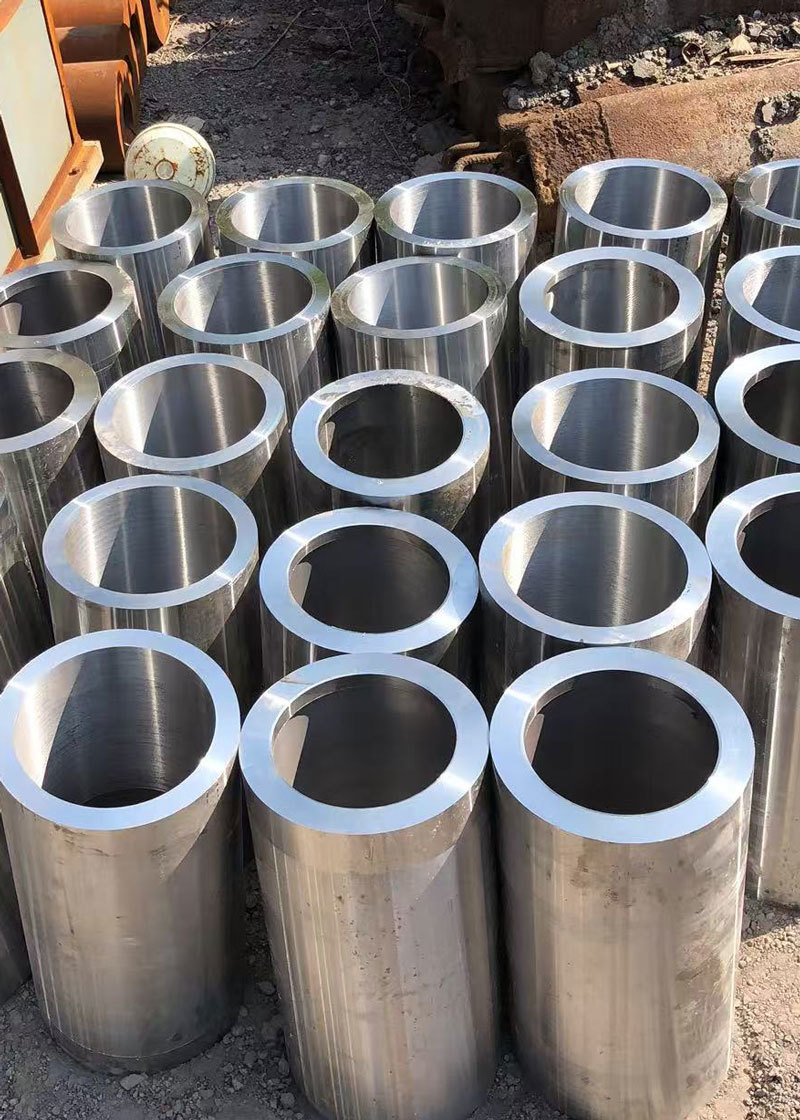
Steel industries forgings play a crucial role in the construction and architectural sectors, providing essential components that enhance the structural integrity of various projects. Forging is a manufacturing process where metal is shaped by applying compressive forces, resulting in a material that boasts superior mechanical properties compared to other processing methods. This enhancement in str
The Importance of Quality Control in Stainless Steel Forging: Ensuring Excellence and Reliability
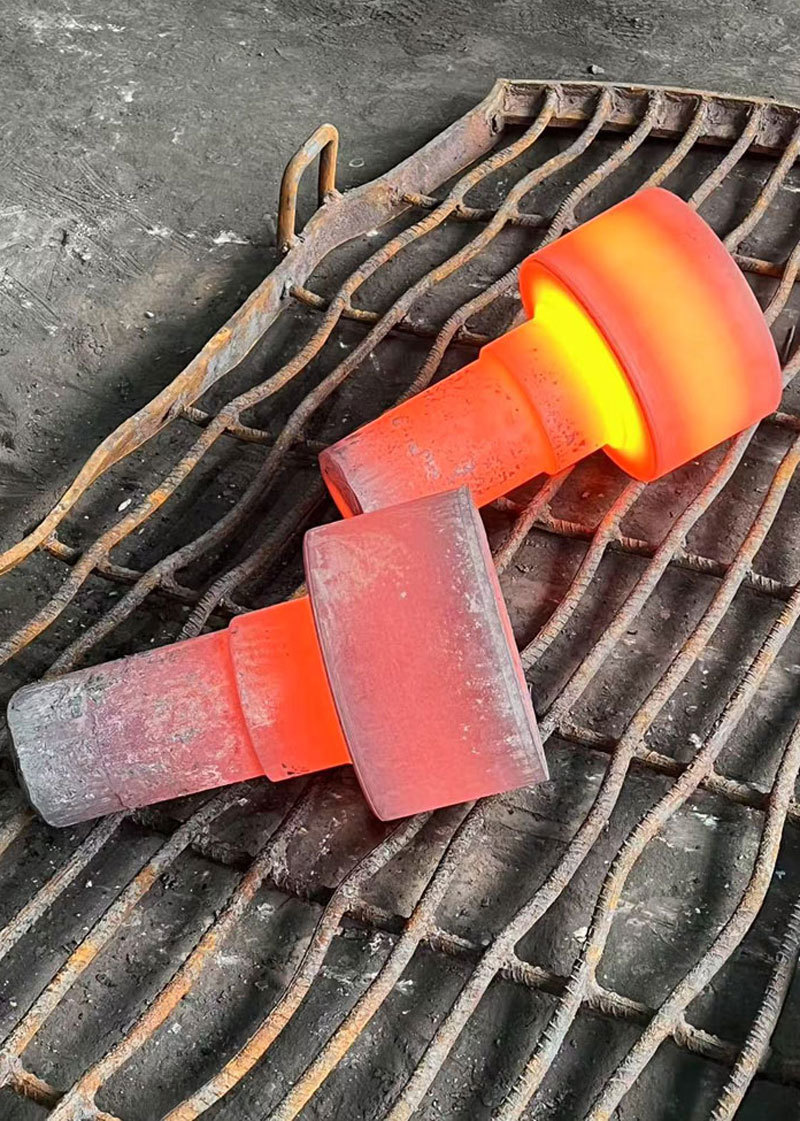
The Importance of Quality Control in Stainless Steel Forging Stainless steel forging is a pivotal process in the metallurgical industry, widely recognized for its strength, durability, and resistance to corrosion. The demand for high-quality stainless steel products continues to rise across various sectors, including automotive, aerospace, medical, and construction. In this article, we will explor
Understanding Non-Standard Flanges: A Key Component in Building and Decorative Materials
Non-standard flanges are crucial components used in piping systems that do not conform to commonly accepted dimensions or specifications. These flanges are often tailored to meet unique project requirements, making them essential in various applications within the construction and decorative materials sectors. Unlike standard flanges, which are manufactured according to established norms, non-stan

Japanese Standard Flanges: The Backbone of Reliable Pipeline Networks
Introduction to Japanese Standard Flanges In the world of construction and pipeline systems, **Japanese standard flanges** serve as a fundamental component for achieving secure and leak-proof connections. These flanges, known for their high-quality manufacturing standards and precision, are vital for a variety of industries, including oil and gas, water management, and various industrial applicati
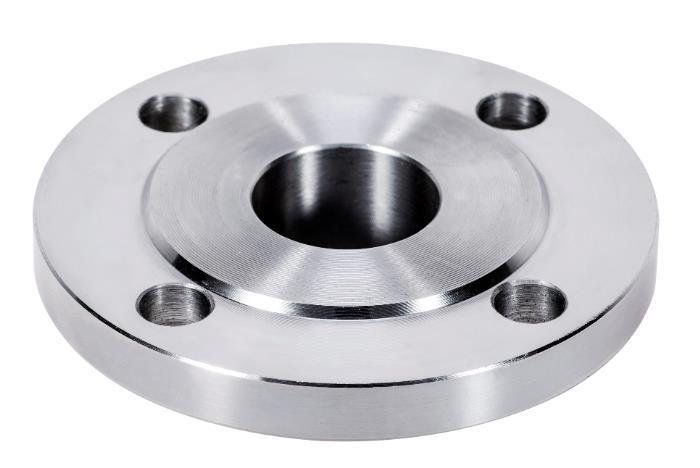
Understanding American Standard Flanges: Essential Components for Reliable Pipe Connections
--- American standard flanges are critical components in the construction and decorative materials sector, particularly in the realm of piping systems. These flanges serve as connectors that allow for the joining of pipes, valves, and other equipment, ensuring a secure and leak-proof interface. Understanding the characteristics and applications of American standard flanges can greatly enhance the
Shandong Xinhao Forging Co.,Ltd.
Tel:+86-15098858482
WeChat: 543983004
Email:xinhaoflange@gmail.com
Whatsapp:8615098858482
Website:www.xhflange.com

TikTok