

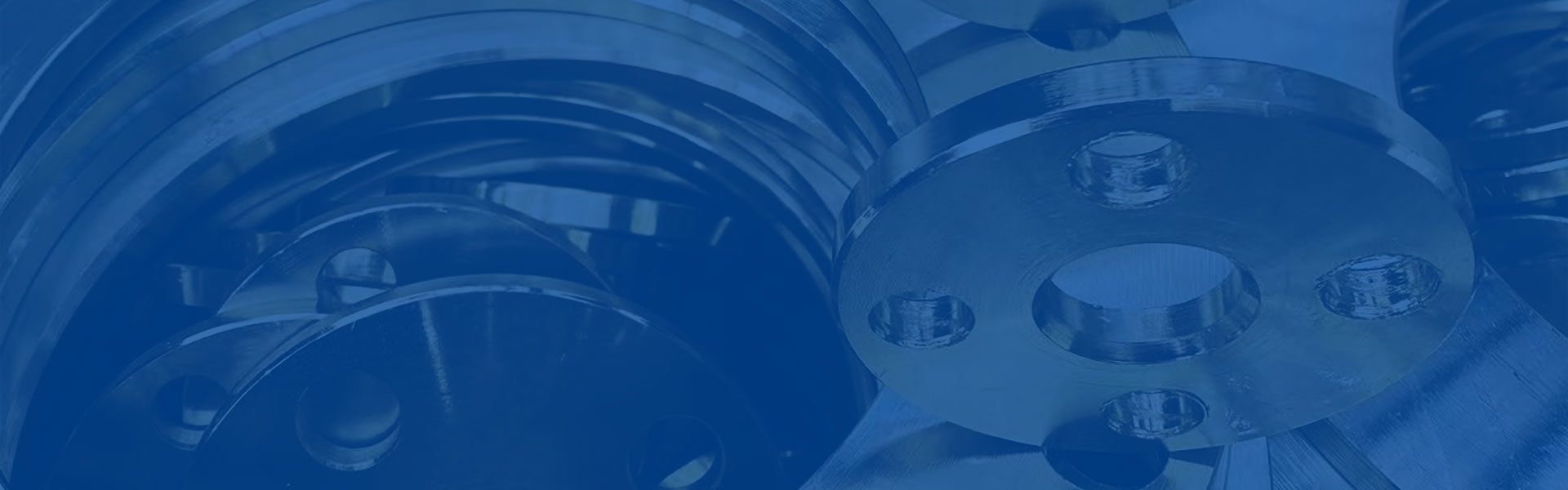
Japanese Standard Flanges: The Backbone of Reliable Pipeline Networks
Release time:
2026-06-29
Introduction to Japanese Standard Flanges In the world of construction and pipeline systems, **Japanese standard flanges** serve as a fundamental component for achieving secure and leak-proof connections. These flanges, known for their high-quality manufacturing standards and precision, are vital for a variety of industries, including oil and gas, water management, and various industrial applicati

Introduction to Japanese Standard Flanges
In the world of construction and pipeline systems, **Japanese standard flanges** serve as a fundamental component for achieving secure and leak-proof connections. These flanges, known for their high-quality manufacturing standards and precision, are vital for a variety of industries, including oil and gas, water management, and various industrial applications. Understanding the significance of these components will help professionals make informed decisions and ensure the longevity and reliability of their pipeline networks.
What Are Japanese Standard Flanges?
Japanese standard flanges refer to flanges that comply with the specifications set forth by Japanese Industrial Standards (JIS). These flanges are designed to connect pipes, valves, pumps, and other equipment in a robust and reliable manner. The design incorporates specific dimensions, materials, and pressure ratings that align with the operational needs of various applications.
Key Specifications of Japanese Standard Flanges
Japanese standard flanges are characterized by several key specifications that ensure their effectiveness and reliability:
- Dimension Standards: Japanese flanges typically adhere to JIS dimensions, which dictate the diameter, thickness, and bolt hole placement.
- Material Quality: Common materials include carbon steel, stainless steel, and alloy materials, selected based on the intended application and environmental conditions.
- Pressure Ratings: Flanges are available in various pressure ratings, making them suitable for high-pressure applications without compromising safety.
- Surface Finishes: The surface finish is critical for sealing effectiveness and corrosion resistance, often featuring a smooth finish to enhance gasket performance.
Benefits of Using Japanese Standard Flanges
The advantages of Japanese standard flanges extend beyond mere connection points in a pipeline. Here are some significant benefits:
1. High Manufacturing Standards
Japanese flanges are manufactured under strict quality control measures, ensuring that they consistently meet high standards of durability, safety, and performance.
2. Versatile Applications
These flanges can be used across various industries, including petrochemical, food processing, pharmaceuticals, and construction, making them a versatile choice for engineers and construction professionals.
3. Enhanced Safety
The robust design of Japanese standard flanges minimizes the risk of leaks and failures, which is paramount in high-pressure environments where safety is a top priority.
4. Cost-Efficiency
While the initial investment may be higher compared to other flange types, the durability and reliability of Japanese standard flanges often lead to lower maintenance costs and reduced downtime.
Common Applications of Japanese Standard Flanges
Japanese standard flanges are utilized in various applications, showcasing their versatility:
1. Oil and Gas Industry
In the oil and gas sector, flanges connect pipelines carrying crude oil, natural gas, and other fluids under high pressure, ensuring safe and efficient transport.
2. Water Supply and Wastewater Treatment
Flanges play a crucial role in municipal water supply systems and wastewater treatment facilities, where maintaining a leak-free system is vital for public health and environmental safety.
3. Chemical Processing
In chemical plants, flanges connect equipment and pipelines that handle aggressive chemicals, requiring materials that can withstand corrosion and pressure.
4. HVAC Systems
Heating, ventilation, and air conditioning systems also rely on flanges to connect various components, ensuring the efficient movement of air and the effective functioning of the system.
Choosing the Right Japanese Standard Flange
Selecting the appropriate Japanese standard flange for your project involves several considerations:
1. Understanding Your Application
Identify the specific requirements of your application, including pressure ratings, temperature ranges, and the types of fluids being transported.
2. Material Selection
Choose a material that suits the environmental conditions and media being transported. For example, stainless steel is often preferred for corrosive environments.
3. Compliance with Standards
Ensure that the flanges you select comply with the relevant Japanese Industrial Standards, as this guarantees their reliability and performance.
4. Consulting with Experts
When in doubt, consult with industry experts or engineers who can provide valuable insights and recommendations based on their experience.
Installation Best Practices for Japanese Standard Flanges
Proper installation of flanges is crucial for ensuring a secure and leak-free connection. Here are some best practices:
1. Surface Preparation
Before installation, ensure that the surfaces of the flange and the mating pipe are clean and free of debris. This step is essential for achieving a proper seal.
2. Using Gaskets
Always use the appropriate gasket material based on the application. Gaskets provide an additional sealing layer that helps prevent leaks.
3. Torque Specifications
Follow the manufacturer's torque specifications when tightening bolts. Over-tightening can lead to damage, while under-tightening can result in leaks.
4. Regular Inspections
Conduct periodic inspections of flange connections to ensure they remain secure and free of leaks. Early detection of issues can prevent costly repairs and downtime.
Maintenance of Japanese Standard Flanges
Maintaining Japanese standard flanges is essential for prolonging their lifespan and ensuring the reliability of pipeline networks:
1. Routine Checks
Implement a routine inspection schedule to monitor the condition of flanges, gaskets, and bolts. Look for signs of wear, corrosion, or leaks.
2. Cleaning
Regularly clean flanges to remove dirt, grime, and corrosion that could compromise their integrity. Use appropriate cleaning agents that won’t damage the flange material.
3. Replacing Worn Components
If you notice any signs of wear or damage during inspections, replace the affected components promptly to maintain system integrity.
4. Documenting Maintenance Activities
Keep detailed records of maintenance activities, inspections, and performed repairs. This documentation can help track the performance and lifespan of flanges over time.
FAQs About Japanese Standard Flanges
1. What is the difference between Japanese standard flanges and other flange standards?
Japanese standard flanges follow specific JIS specifications, which may differ in dimensions, material requirements, and pressure ratings from other standards like ANSI or DIN.
2. How do I know which material is suitable for my application?
Consider factors such as the type of fluid being transported, temperature, pressure, and environmental conditions. Consult with experts if needed.
3. Can I use Japanese standard flanges in high-temperature applications?
Yes, but it is crucial to select flanges made from materials that can withstand high temperatures. Check the specifications for temperature ratings.
4. What are the most common materials used for Japanese standard flanges?
The most commonly used materials include carbon steel, stainless steel, and alloy materials, each chosen based on the specific application requirements.
5. How often should I inspect my flange connections?
It is advisable to perform routine inspections regularly, ideally every three to six months, depending on the application and operational conditions.
Conclusion
Japanese standard flanges play an invaluable role in the construction and maintenance of reliable pipeline networks. Their high manufacturing standards, versatile applications, and robust design make them a preferred choice for professionals across various industries. By understanding their specifications, benefits, and best practices for installation and maintenance, we can ensure that our pipeline systems remain safe, efficient, and leak-free. Investing in quality Japanese standard flanges is not merely a choice; it's a commitment to operational excellence and safety in every project.
Latest developments

Understanding High Neck Flanges: Essential Components for Construction and Decorative Materials
High neck flanges are critical components in various piping systems used in the construction and decorative materials industry. They are designed to connect pipes, valves, pumps, and other equipment, ensuring a secure and leak-proof seal. The high neck design distinguishes them from standard flanges, as they feature a longer neck that helps to accommodate thicker materials and provides additional
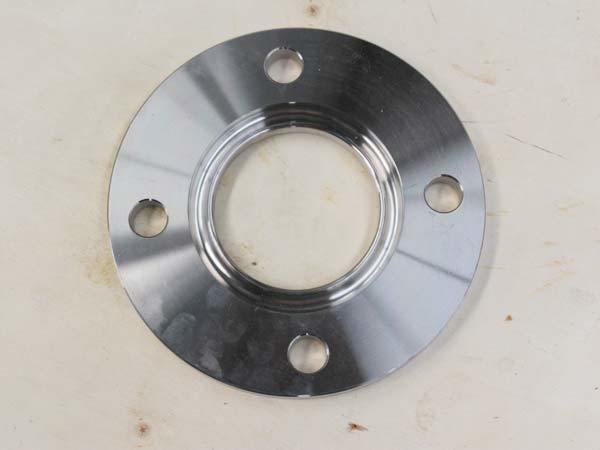
How to Maintain Your Flat Flanges for Longevity: Essential Tips for Optimal Performance
How to Maintain Your Flat Flanges for Longevity Flanges are essential components in piping and plumbing systems, facilitating connections in various applications. Among these, **flat flanges** are widely used due to their ease of installation and maintenance. However, to ensure their longevity and optimal performance, proper care and maintenance are paramount. In this article, we will delve into e

The Role of Steel Industries Forgings in Construction and Decorative Materials
In the construction and decorative materials sector, the importance of steel industries forgings cannot be overstated. Forging is a manufacturing process that involves shaping metal using localized compressive forces, which results in products that boast enhanced mechanical properties. This method is particularly relevant for the steel industry, where forgings are integral in creating components u

Forging Stainless Steel: Techniques for Optimal Quality
Forging Stainless Steel: Techniques for Optimal Quality Table of Contents 1. Introduction to Forging Stainless Steel 2. What is Stainless Steel? 3. The Importance of Forging in Stainless Steel 4. Key Forging Techniques for Stainless Steel 4.1 Open Die Forging 4.2 Closed Die Forging 4.3 Upset Forging 4.4 Swaging 5. The Forging P
--- In the realm of construction and decorative materials, the term **non-standard flange** refers to flanges that do not conform to established or widely accepted industry dimensions and specifications. These flanges are custom-made to meet unique project requirements or to fit specific piping configurations that standard flanges cannot accommodate. Understanding non-standard flanges is crucial f
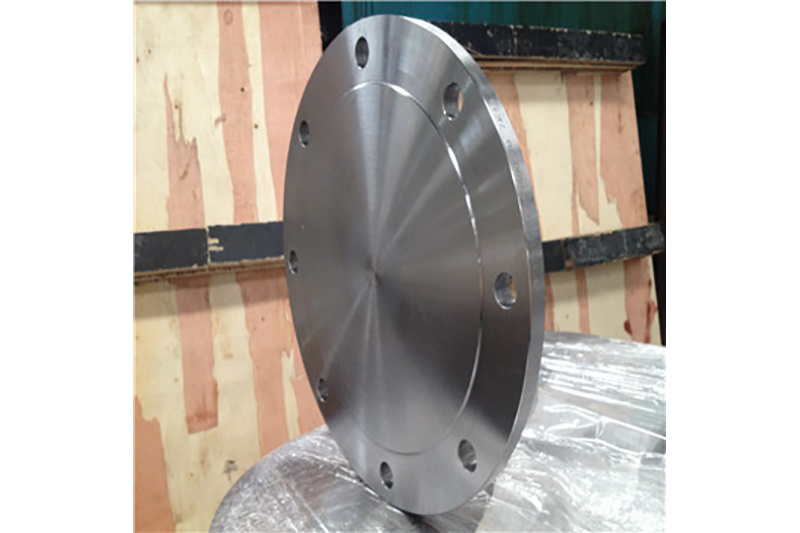
Key Features of Japanese Standard Flanges You Should Know
Key Features of Japanese Standard Flanges You Should Know Table of Contents 1. Introduction to Japanese Standard Flanges 2. Importance of Flanges in Construction 3. Design Specifications of Japanese Standard Flanges 4. Material Types Used in Japanese Standard Flanges 5. The Manufacturing Process of Japanese Standard Flanges 6. Standards and Certifications for Japanese Flan
Shandong Xinhao Forging Co.,Ltd.
Tel:+86-15098858482
WeChat: 543983004
Email:xinhaoflange@gmail.com
Whatsapp:8615098858482
Website:www.xhflange.com

TikTok