

Understanding Non-Standard Flanges: A Key Component in Building and Decorative Materials
Release time:
2026-07-02
Non-standard flanges are crucial components used in piping systems that do not conform to commonly accepted dimensions or specifications. These flanges are often tailored to meet unique project requirements, making them essential in various applications within the construction and decorative materials sectors. Unlike standard flanges, which are manufactured according to established norms, non-stan
One of the primary advantages of non-standard flanges is their adaptability. In construction projects, there are often situations where standard components do not fit due to architectural constraints or unique design specifications. Non-standard flanges provide a solution by allowing designers and engineers to customize the flange specifications to align perfectly with the project's requirements. This flexibility not only enhances the efficiency of installation but also reduces the risk of potential failures due to ill-fitting components.
In terms of materials, non-standard flanges can be produced from a variety of substances, including stainless steel, carbon steel, and plastic. The choice of material typically depends on the application's requirements, such as temperature, pressure, and the type of fluids being transported. For instance, in environments where corrosion is a concern, stainless steel non-standard flanges may be favored for their durability and resistance to harsh conditions.
The manufacturing process for non-standard flanges often involves advanced techniques such as CNC machining and custom forging. These methods allow for precise fabrication, ensuring that the flanges meet the exact specifications needed for optimal performance. Additionally, manufacturers may work closely with clients during the design phase to ensure that every detail is addressed, from the bolt hole pattern to the flange thickness.
When considering the use of non-standard flanges, it is essential to collaborate with experienced suppliers who understand the intricacies involved in manufacturing and implementing these components. A knowledgeable partner can provide valuable insights into material selection, design options, and compliance with relevant standards and regulations.
In conclusion, non-standard flanges are indispensable in the construction and decorative materials industry, offering tailored solutions that address unique project challenges. Their adaptability, diverse material options, and advanced manufacturing processes make them a preferred choice for professionals aiming to achieve both functionality and aesthetic appeal in their projects. Understanding the role of non-standard flanges can significantly enhance the overall success of construction endeavors, leading to more efficient and effective outcomes.
Latest developments
Understanding Non-Standard Flanges: A Key Component in Building and Decorative Materials
Non-standard flanges are crucial components used in piping systems that do not conform to commonly accepted dimensions or specifications. These flanges are often tailored to meet unique project requirements, making them essential in various applications within the construction and decorative materials sectors. Unlike standard flanges, which are manufactured according to established norms, non-stan

Japanese Standard Flanges: The Backbone of Reliable Pipeline Networks
Introduction to Japanese Standard Flanges In the world of construction and pipeline systems, **Japanese standard flanges** serve as a fundamental component for achieving secure and leak-proof connections. These flanges, known for their high-quality manufacturing standards and precision, are vital for a variety of industries, including oil and gas, water management, and various industrial applicati
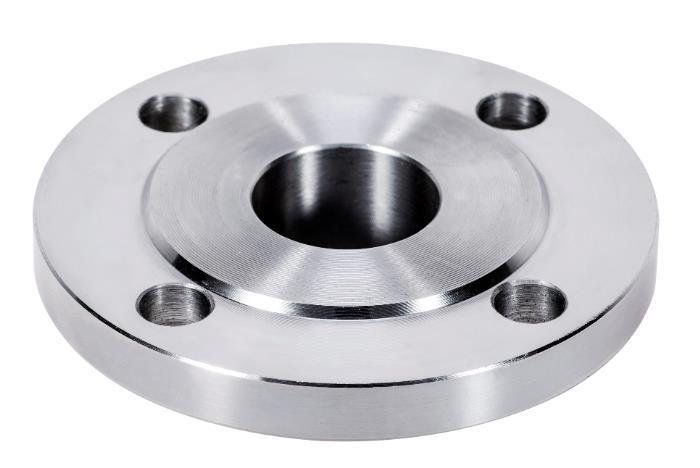
Understanding American Standard Flanges: Essential Components for Reliable Pipe Connections
--- American standard flanges are critical components in the construction and decorative materials sector, particularly in the realm of piping systems. These flanges serve as connectors that allow for the joining of pipes, valves, and other equipment, ensuring a secure and leak-proof interface. Understanding the characteristics and applications of American standard flanges can greatly enhance the
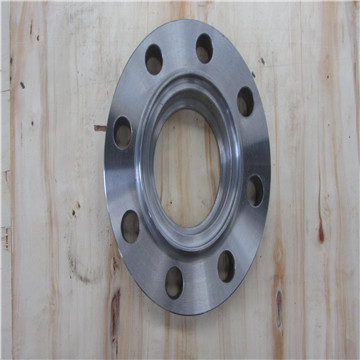
Leveraging Threaded Flanges for Enhanced Safety in Structural Engineering
Leveraging Threaded Flanges for Enhanced Safety in Structures Table of Contents 1. Introduction to Threaded Flanges 2. Importance of Safety in Structural Engineering 3. What are Threaded Flanges? 4. Benefits of Using Threaded Flanges 4.1 Enhanced Safety Standards 4.2 Cost-Effectiveness and Efficiency 4.3 Versatility in Applications 5. Applications of Threaded Flanges in Construction 5.1 Industrial
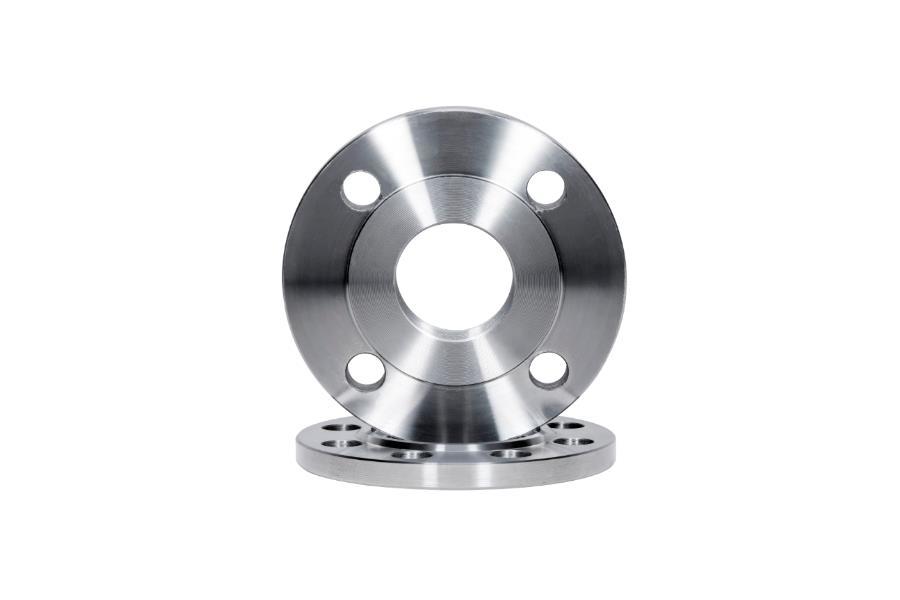
Understanding Flanged Connections in Construction and Decoration Materials
Flanged connections refer to the method of joining two sections of piping or equipment using flanges, which are flat pieces of metal or plastic that create a seal when bolted together. This type of connection is commonly employed in various industries including construction, plumbing, and HVAC systems due to its efficiency and reliability. One of the primary advantages of flanged connections is th

Why Engineers Prefer Sliding Flanges for Pipe Support: The Ultimate Guide
Why Engineers Prefer Sliding Flanges for Pipe Support Table of Contents 1. Introduction to Sliding Flanges 2. What Are Sliding Flanges? 3. Key Benefits of Sliding Flanges in Pipe Support 4. Applications of Sliding Flanges in Various Industries 5. Installation Best Practices for Sliding Flanges 6. Common Issues with Sliding Flanges and Solutions 7. Sliding Flanges vs. Fixed Flanges:
Shandong Xinhao Forging Co.,Ltd.
Tel:+86-15098858482
WeChat: 543983004
Email:xinhaoflange@gmail.com
Whatsapp:8615098858482
Website:www.xhflange.com

TikTok