


Understanding Flanged Connections in Construction and Decoration Materials
Release time:
2026-06-20
Flanged connections refer to the method of joining two sections of piping or equipment using flanges, which are flat pieces of metal or plastic that create a seal when bolted together. This type of connection is commonly employed in various industries including construction, plumbing, and HVAC systems due to its efficiency and reliability. One of the primary advantages of flanged connections is th
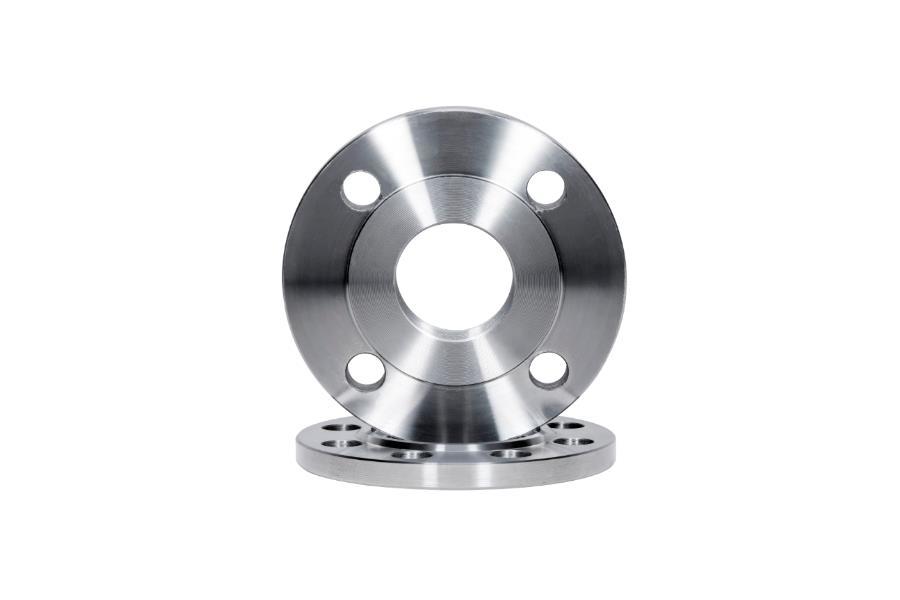
One of the primary advantages of flanged connections is their ease of assembly and disassembly. Unlike welded joints, which require specialized skills and equipment, flanged connections can be easily connected and disconnected using bolts. This feature is especially beneficial in scenarios where maintenance is required, allowing for quick access to the piping system without the need for cutting or welding.
In the context of construction and decorative materials, flanged connections are crucial for ensuring the integrity of piping systems that transport fluids or gases. They provide a robust solution for high-pressure applications, effectively managing the stresses associated with varying temperatures and pressures. This durability reduces the likelihood of leaks, which can lead to costly repairs and safety hazards.
Furthermore, flanged connections come in various designs and sizes, allowing for compatibility with different piping systems and materials. The selection of the appropriate flange type—such as weld neck, slip-on, or blind flanges—depends on the specific requirements of the installation. Each design offers unique advantages that can cater to specific operational needs, making it essential for professionals in the industry to understand these variations.
Another important aspect of flanged connections is the gasket, which is used between the flanges to ensure a tight seal. The choice of gasket material must be compatible with the media being transported and the operating conditions. Common materials include rubber, PTFE, and metal, each offering different levels of resistance to temperature, pressure, and chemical exposure.
In summary, flanged connections play a pivotal role in the effectiveness and safety of piping systems in the construction and decorative materials sector. By facilitating easy maintenance, ensuring durability, and allowing for versatile applications, flanged connections enhance the overall efficiency of various projects. Professionals in this industry should prioritize understanding these connections to optimize their designs and fulfill client requirements effectively.
Latest developments
Understanding Flanged Connections in Construction and Decoration Materials
Flanged connections refer to the method of joining two sections of piping or equipment using flanges, which are flat pieces of metal or plastic that create a seal when bolted together. This type of connection is commonly employed in various industries including construction, plumbing, and HVAC systems due to its efficiency and reliability. One of the primary advantages of flanged connections is th

Why Engineers Prefer Sliding Flanges for Pipe Support: The Ultimate Guide
Why Engineers Prefer Sliding Flanges for Pipe Support Table of Contents 1. Introduction to Sliding Flanges 2. What Are Sliding Flanges? 3. Key Benefits of Sliding Flanges in Pipe Support 4. Applications of Sliding Flanges in Various Industries 5. Installation Best Practices for Sliding Flanges 6. Common Issues with Sliding Flanges and Solutions 7. Sliding Flanges vs. Fixed Flanges:
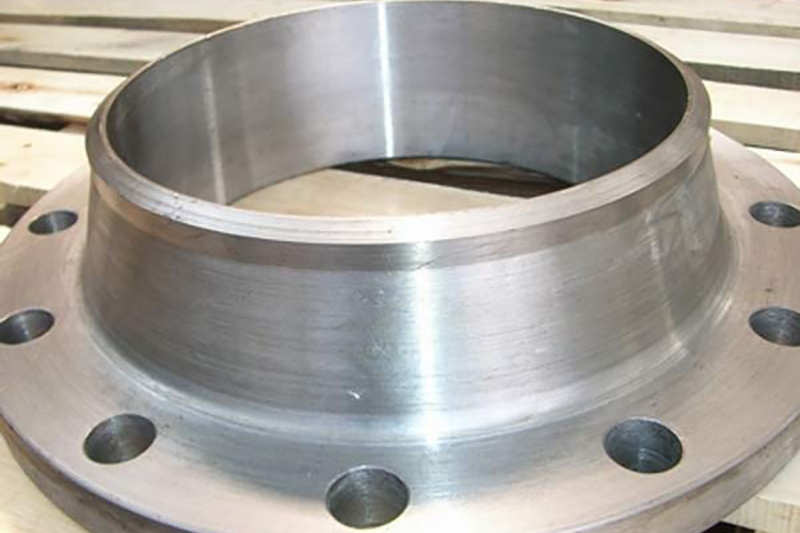
Understanding High Neck Flanges in Construction and Decoration Materials
High neck flanges are crucial components in piping systems, particularly in construction and decoration materials. These flanges are characterized by their extended neck, which provides added strength and stability when connecting pipes or fittings. Understanding the design, applications, and advantages of high neck flanges can help industry professionals make informed decisions that enhance syste
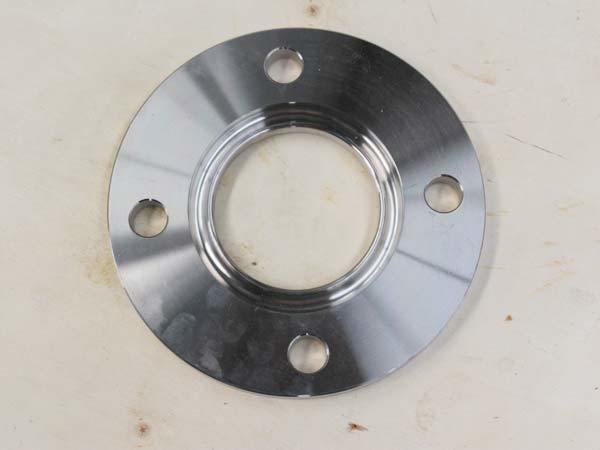
The Compatibility of Flat Flanges with Various Pipe Types: A Comprehensive Guide
The Compatibility of Flat Flanges with Various Pipe Types Introduction: Understanding Flat Flanges in Piping Systems In the realm of construction and decorative materials, particularly in the piping industry, **flat flanges** play a pivotal role. These essential components facilitate connections between various pipe types, ensuring a secure and leak-free performance. However, understanding the com

The Role of Forgings in the Steel Industry: A Comprehensive Overview
In the realm of steel industries, forgings play a crucial role that often goes unnoticed. Forging is a manufacturing process that involves shaping metal using compressive forces, which can be applied through hammering, pressing, or rolling. This method is particularly important for creating strong and durable components used in various applications, including construction and decorative materials.
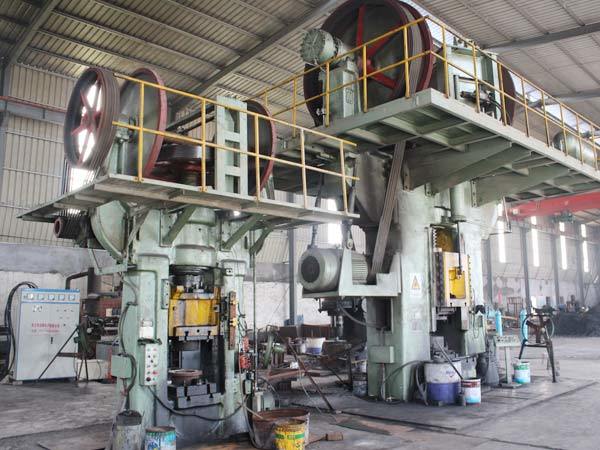
Key Considerations in the Forging of Stainless Steel Parts: A Comprehensive Guide
Key Considerations in the Forging of Stainless Steel Parts Table of Contents 1. Introduction to Stainless Steel Forging 2. Understanding Stainless Steel: Composition and Properties 3. Benefits of Forging Stainless Steel Parts 4. The Forging Process: Step-by-Step Breakdown 5. Key Considerations in Designing Forged Parts 6. Quality Control in Forging Stainless Steel 7. C
Shandong Xinhao Forging Co.,Ltd.
Tel:+86-15098858482
WeChat: 543983004
Email:xinhaoflange@gmail.com
Whatsapp:8615098858482
Website:www.xhflange.com

TikTok