

Why Engineers Prefer Sliding Flanges for Pipe Support: The Ultimate Guide
Release time:
2026-06-17
Why Engineers Prefer Sliding Flanges for Pipe Support Table of Contents 1. Introduction to Sliding Flanges 2. What Are Sliding Flanges? 3. Key Benefits of Sliding Flanges in Pipe Support 4. Applications of Sliding Flanges in Various Industries 5. Installation Best Practices for Sliding Flanges 6. Common Issues with Sliding Flanges and Solutions 7. Sliding Flanges vs. Fixed Flanges:

Why Engineers Prefer Sliding Flanges for Pipe Support
Table of Contents
- 1. Introduction to Sliding Flanges
- 2. What Are Sliding Flanges?
- 3. Key Benefits of Sliding Flanges in Pipe Support
- 4. Applications of Sliding Flanges in Various Industries
- 5. Installation Best Practices for Sliding Flanges
- 6. Common Issues with Sliding Flanges and Solutions
- 7. Sliding Flanges vs. Fixed Flanges: A Comparative Analysis
- 8. Conclusion
- 9. Frequently Asked Questions
1. Introduction to Sliding Flanges
Sliding flanges are essential components in piping systems, particularly in industrial applications. As engineers face challenges related to thermal expansion, vibration, and movement, sliding flanges present a favorable solution due to their unique design and functionality. By allowing for controlled movement within the pipe system, they help maintain integrity and performance while ensuring efficiency.
2. What Are Sliding Flanges?
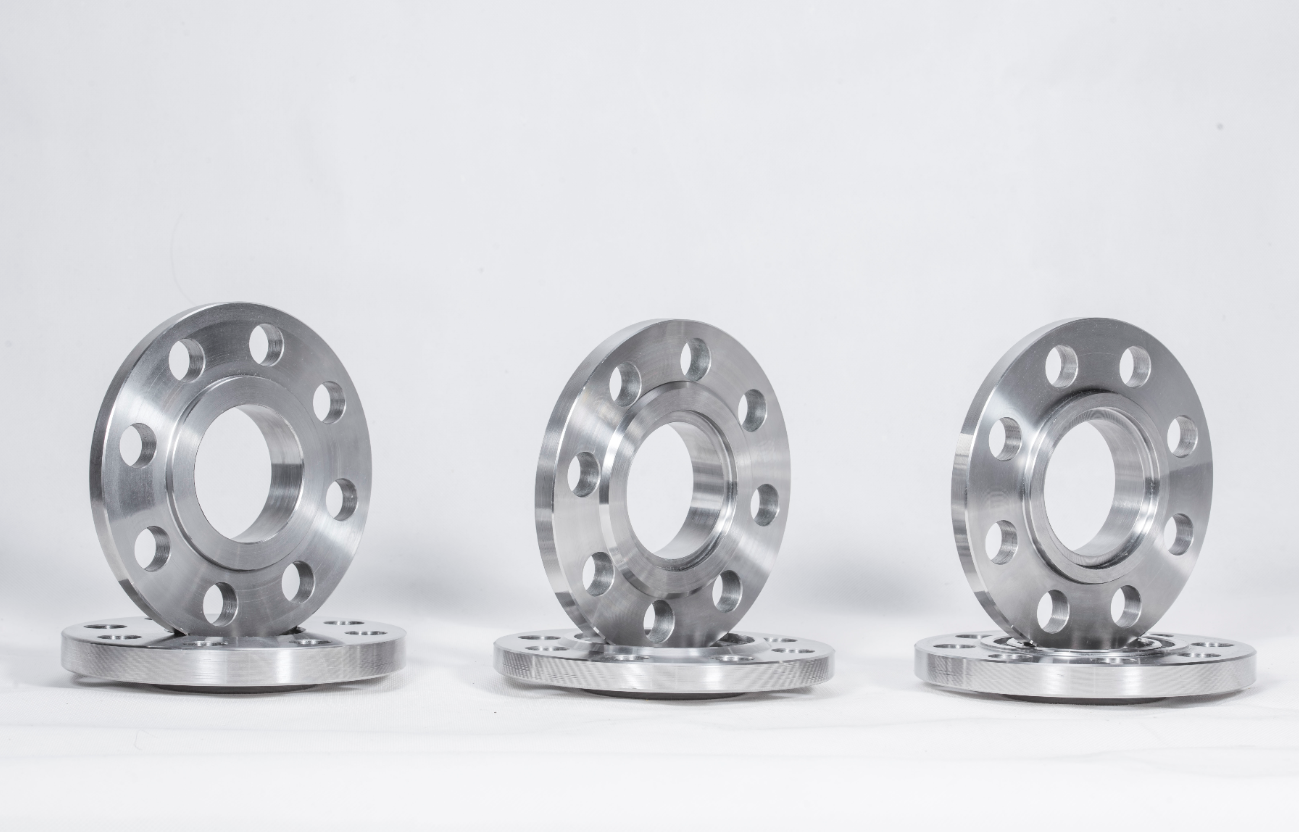
Sliding flanges, also known as slip-on flanges, are a type of flange that allows pipes to slide through them. This design accommodates thermal expansion and contractions, making them ideal for systems where temperature fluctuations are common. Sliding flanges come in various materials, including carbon steel, stainless steel, and plastic, and can be used in different applications, including water, gas, and chemical transport.
Design and Structure of Sliding Flanges
Sliding flanges typically feature a flat surface designed to fit over a pipe end. They are secured in place using bolts and nuts, allowing for easy alignment and installation. The flanges are often manufactured according to specific standards, ensuring compatibility with various pipe diameters and types.
3. Key Benefits of Sliding Flanges in Pipe Support
Engineers prefer sliding flanges for several compelling reasons:
Enhanced Flexibility
One of the primary advantages of sliding flanges is their flexibility in accommodating pipe movement due to thermal expansion or external forces. This flexibility minimizes the risk of stress fractures and leaks in the piping system.
Cost-Effectiveness
Sliding flanges often require less material and installation complexity than fixed flanges, making them a more cost-effective option for many projects. Their simpler assembly and disassembly save time during construction and maintenance.
Ease of Installation
Installing sliding flanges is straightforward. Their design allows for easy alignment with the pipe, and their lightweight nature makes them easier to handle during installation.
Reduced Vibration Transmission
Sliding flanges help reduce the transmission of vibrations and shocks through the piping system. This characteristic is particularly beneficial in industries such as oil and gas, where vibration management is critical to system longevity.
4. Applications of Sliding Flanges in Various Industries
Sliding flanges are widely used across multiple industries due to their unique characteristics.
Oil and Gas Industry
In the oil and gas sector, sliding flanges are crucial for connecting various components of piping systems. Their ability to handle thermal expansion and vibrations makes them suitable for high-pressure environments.
Water Treatment Facilities
Water treatment plants utilize sliding flanges to connect pipes carrying water at varying temperatures. The flexibility of these flanges ensures that the piping system remains intact during temperature fluctuations.
HVAC Systems
In heating, ventilation, and air conditioning (HVAC) systems, sliding flanges are used to connect ducts and piping. They facilitate easy maintenance and allow for the necessary adjustments during installation.
5. Installation Best Practices for Sliding Flanges
Proper installation of sliding flanges is crucial for optimal performance. Here are best practices to consider:
1. Surface Preparation
Ensure that the surfaces of both the pipe and the sliding flange are clean and free of contaminants. This preparation helps achieve a secure fit and prevents leaks.
2. Correct Alignment
Align the sliding flange with the pipe end accurately. Misalignment can lead to stress and potential failure in the system.
3. Use of Gaskets
Employ appropriate gaskets to ensure a leak-proof seal between the sliding flange and the pipe. This step is vital for maintaining system integrity.
4. Tightening Bolts
Tighten the bolts evenly, following a crisscross pattern to distribute pressure uniformly. Over-tightening can cause damage to the flange or pipe.
5. Regular Inspections
Conduct regular inspections of sliding flanges to identify any wear or potential issues. Early detection can prevent significant problems down the line.
6. Common Issues with Sliding Flanges and Solutions
While sliding flanges are reliable, they can encounter specific issues. Here are some common problems and their solutions:
Leakage
Leaks can occur due to improper installation or wear and tear on the gaskets. To address this, ensure proper installation and regularly inspect and replace gaskets as necessary.
Creep and Movement
Sliding flanges can experience creep over time, leading to alignment issues. Regular inspections and readjustments can help maintain proper alignment and prevent this problem.
Corrosion
Corrosion can occur, especially in harsh environments. Selecting corrosion-resistant materials and applying protective coatings can mitigate this issue.
7. Sliding Flanges vs. Fixed Flanges: A Comparative Analysis
Understanding the differences between sliding and fixed flanges can help engineers make informed decisions.
Flexibility and Movement
Sliding flanges offer greater flexibility and movement compared to fixed flanges. Fixed flanges are rigid and designed for static applications, making them less suitable for systems subject to thermal expansion.
Installation Complexity
Sliding flanges are easier to install than fixed flanges, which require precise alignment. The simpler installation process for sliding flanges can save time and reduce labor costs.
Cost Considerations
Generally, sliding flanges are more cost-effective due to their material efficiency and simplified installation processes. This cost-effectiveness can be a significant factor in large-scale projects.
8. Conclusion
Sliding flanges represent a practical and efficient solution for pipe support in various industries. Their flexibility, ease of installation, and cost-effectiveness make them a preferred choice for engineers. By understanding the benefits, applications, and best practices associated with sliding flanges, professionals can enhance the reliability and longevity of their piping systems.
9. Frequently Asked Questions
What materials are sliding flanges made from?
Sliding flanges can be made from various materials, including carbon steel, stainless steel, and plastic, depending on the application's requirements.
Can sliding flanges be used in high-temperature applications?
Yes, sliding flanges are designed to accommodate thermal expansion, making them suitable for high-temperature applications when made from appropriate materials.
How do I know if my sliding flange installation is correct?
Proper installation involves clean surfaces, correct alignment, and even tightening of bolts. Regular inspections will also help ensure the installation remains secure.
What are the signs of a failing sliding flange?
Signs of failure may include visible leaks, misalignment, or unusual vibrations in the piping system. Regular inspections can help identify these issues early.
Are sliding flanges suitable for all types of piping systems?
While sliding flanges are versatile, they may not be suitable for every piping system. Engineers should assess the specific needs and conditions of the application before choosing a flange type.
Latest developments
Sliding Flanges: Essential Components for Pipe Expansion and Contraction
Sliding Flanges: Essential Components for Pipe Expansion and Contraction Understanding Sliding Flanges: An Overview Sliding flanges are crucial components in piping systems, specifically designed to accommodate the expansion and contraction of pipes. These specialized flanges enable pipes to maintain a secure connection even when subjected to thermal changes. Expansion and contraction are natura
Understanding High Neck Flanges: Essential Components in Construction and Decorative Materials
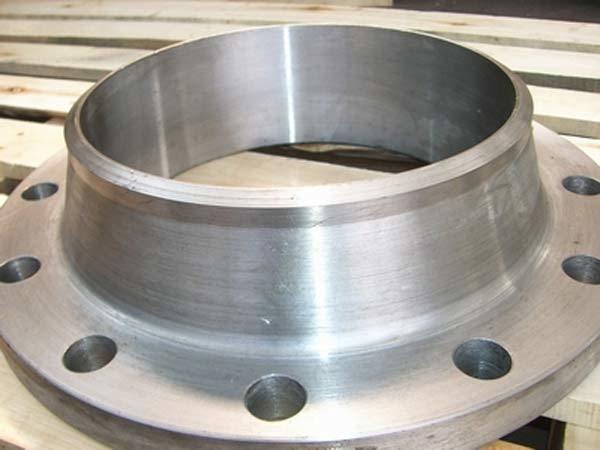
High neck flanges are vital components in various piping systems, particularly within the construction and decorative materials sectors. These flanges are characterized by their elongated neck, which serves several important functions in ensuring system integrity and performance. Understanding high neck flanges’ design and application can significantly benefit professionals involved in piping inst
The Science Behind Flat Flange Designs: Understanding Functionality
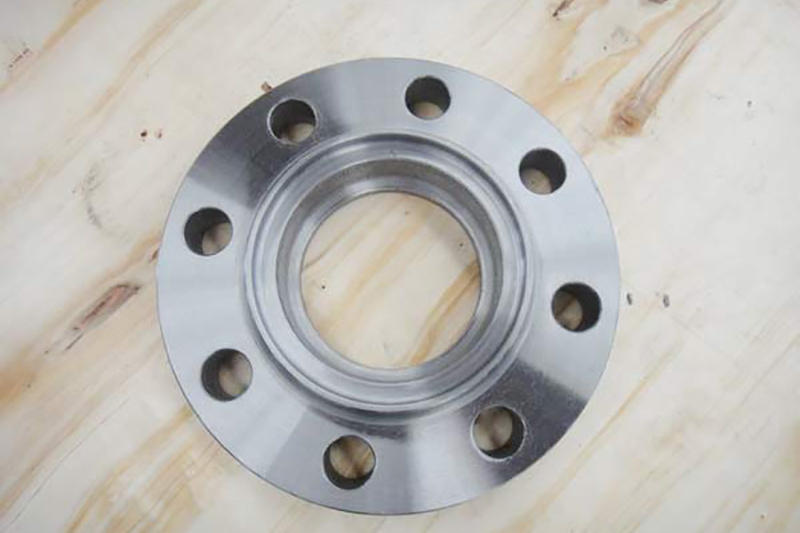
The Science Behind Flat Flange Designs: Understanding Functionality In the world of construction and decorative materials, **flat flanges** serve as crucial components that ensure the stability and integrity of various structures. Understanding the science behind flat flange designs can significantly enhance our appreciation of their functionality and application. This article delves deeply into t
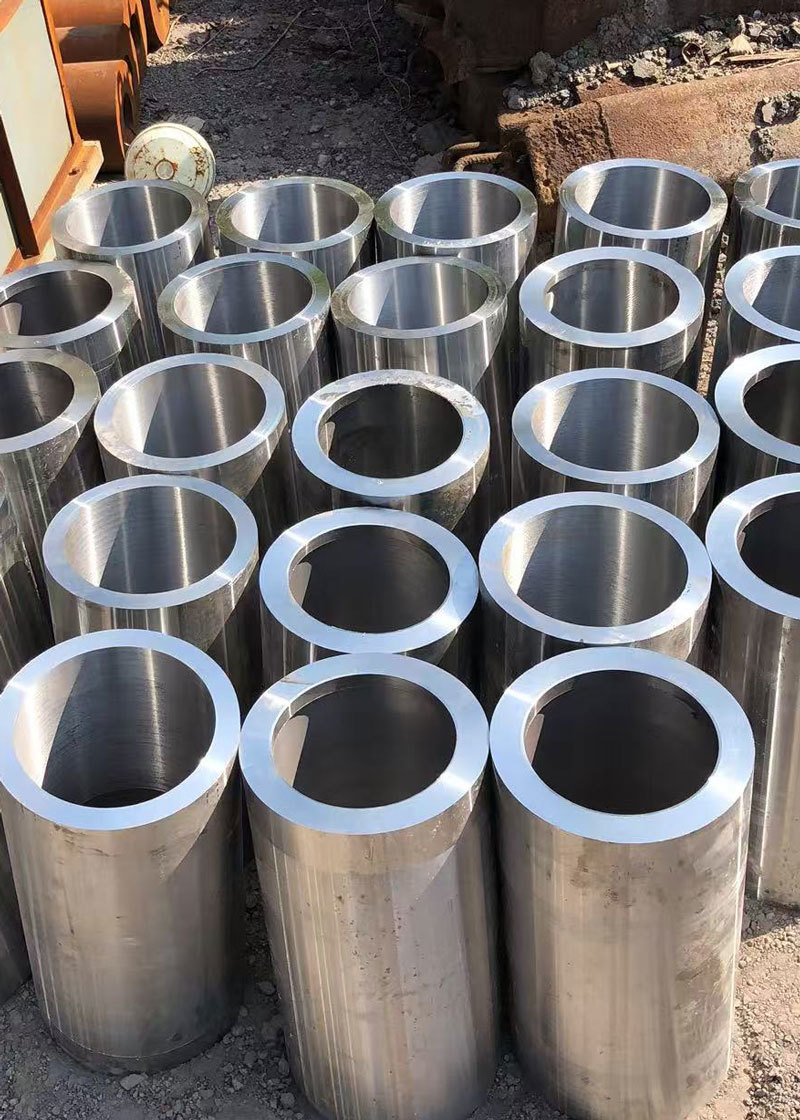
Exploring the Role of Forgings in the Steel Industries
Forgings play a pivotal role in the steel industries, particularly in the manufacturing of components utilized in construction and decorative materials. This process involves shaping steel through deformation, which significantly enhances its mechanical properties compared to other manufacturing techniques such as casting. By understanding the benefits and applications of forgings, professionals c

The Historical Evolution of Stainless Steel Forging Methods: A Comprehensive Analysis
The Historical Evolution of Stainless Steel Forging Methods Introduction to Stainless Steel Forging Stainless steel forging has come a long way since its inception in the early 20th century. This process involves shaping stainless steel through the application of compressive forces, resulting in enhanced mechanical properties and durability. Understanding the evolution of these forging methods is

Understanding Non-Standard Flanges: Essential Insights for the Construction and Decoration Industry
Non-standard flanges are integral components in piping systems, primarily used to connect pipes, valves, and other equipment. Unlike standard flanges, which adhere to widely accepted dimensions and specifications, non-standard flanges are custom-made to fit specific project requirements. This customization is often necessary when dealing with unique designs, unusual materials, or specific pressure
Shandong Xinhao Forging Co.,Ltd.
Tel:+86-15098858482
WeChat: 543983004
Email:xinhaoflange@gmail.com
Whatsapp:8615098858482
Website:www.xhflange.com

TikTok