

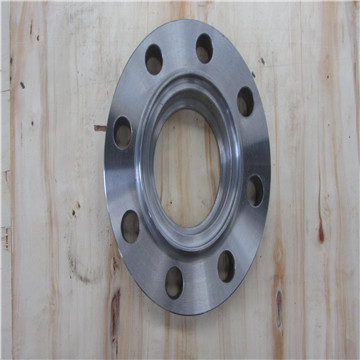
Leveraging Threaded Flanges for Enhanced Safety in Structural Engineering
Release time:
2026-06-23
Leveraging Threaded Flanges for Enhanced Safety in Structures Table of Contents 1. Introduction to Threaded Flanges 2. Importance of Safety in Structural Engineering 3. What are Threaded Flanges? 4. Benefits of Using Threaded Flanges 4.1 Enhanced Safety Standards 4.2 Cost-Effectiveness and Efficiency 4.3 Versatility in Applications 5. Applications of Threaded Flanges in Construction 5.1 Industrial
Leveraging Threaded Flanges for Enhanced Safety in Structures
Table of Contents
1. Introduction to Threaded Flanges
2. Importance of Safety in Structural Engineering
3. What are Threaded Flanges?
4. Benefits of Using Threaded Flanges
4.1 Enhanced Safety Standards
4.2 Cost-Effectiveness and Efficiency
4.3 Versatility in Applications
5. Applications of Threaded Flanges in Construction
5.1 Industrial Applications
5.2 Residential Projects
6. Installation Techniques for Threaded Flanges
7. Maintenance and Inspection of Threaded Flanges
8. Common FAQs about Threaded Flanges
9. Conclusion
1. Introduction to Threaded Flanges
In the realm of structural engineering, safety is paramount. Every component of a structure must work harmoniously to ensure stability and durability. **Threaded flanges** play a crucial role in this equation. These specialized fittings not only connect pipes or equipment but also contribute significantly to the overall safety of a structure. By understanding the unique characteristics and advantages of threaded flanges, engineers can enhance the performance and reliability of their projects.
2. Importance of Safety in Structural Engineering
Safety in structural engineering cannot be overstated. Engineers are tasked with designing structures that can withstand various forces, including wind, seismic activity, and even human interaction. The failure of any component can lead to catastrophic consequences. This is where **threaded flanges** come into play. Their reliable connection points ensure that the structural integrity is maintained, ultimately safeguarding lives and property.
3. What are Threaded Flanges?
Threaded flanges are circular fittings that are designed to connect pipes and equipment. Unlike their welded counterparts, threaded flanges feature internal threads that allow them to easily screw onto the corresponding pipe or fitting. This design not only simplifies installation but also makes it easier to disassemble for maintenance and repairs. They are available in various materials, including stainless steel, carbon steel, and plastic, depending on the intended application.
4. Benefits of Using Threaded Flanges
4.1 Enhanced Safety Standards
One of the primary advantages of using threaded flanges is their role in enhancing safety. These flanges provide a tight and secure connection, preventing leaks and potential failures. In high-pressure applications, threaded flanges can withstand substantial force, making them ideal for critical systems where safety is non-negotiable.
4.2 Cost-Effectiveness and Efficiency
Threaded flanges offer a cost-effective solution for various applications. Their ease of installation reduces labor costs, and the ability to disassemble them without damaging the components ensures that replacements can be made quickly and efficiently. This efficiency translates into significant cost savings over time, making threaded flanges a smart choice for budget-conscious projects.
4.3 Versatility in Applications
The versatility of threaded flanges cannot be overlooked. They are suitable for a wide range of applications, from low-pressure systems to high-temperature environments. Their adaptability makes them a preferred choice across different industries, including oil and gas, petrochemical, and even residential plumbing.
5. Applications of Threaded Flanges in Construction
Threaded flanges find extensive applications in various construction projects. Understanding their uses can provide insight into their critical role in ensuring safety and functionality.
5.1 Industrial Applications
In industrial settings, threaded flanges are often used to connect pipes transporting gases, liquids, and other materials. Their ability to maintain a secure seal under pressure makes them essential in preventing leaks, which can be hazardous in environments dealing with volatile substances.
5.2 Residential Projects
In residential construction, threaded flanges are commonly employed in plumbing systems. They provide robust connections for water supply lines and drainage systems, ensuring that households function safely and efficiently. Their ease of installation also makes them popular among DIY enthusiasts.
6. Installation Techniques for Threaded Flanges
Proper installation of threaded flanges is critical to ensure safety and functionality. Here are some key techniques to follow:
- **Surface Preparation:** Ensure that the surfaces of the pipe and flange are clean and free from contaminants. This prevents any issues during installation.
- **Alignment:** Align the flange with the pipe threads accurately. Misalignment can lead to stress and potential failure.
- **Thread Lubrication:** Apply a suitable thread lubricant to facilitate easier installation and prevent galling or damage to the threads.
- **Tightening:** Use a torque wrench to tighten the flange to the manufacturer’s specifications. Over-tightening can lead to damage, while under-tightening can compromise the seal.
7. Maintenance and Inspection of Threaded Flanges
Regular maintenance and inspection of threaded flanges are vital for ensuring their longevity and safety. Here are some essential practices:
- **Visual Inspections:** Regularly check for signs of wear, corrosion, or leaks. Promptly addressing issues can prevent larger problems down the line.
- **Tightness Check:** Periodically verify that the flanges remain tight. Vibrations and thermal expansion can loosen connections over time.
- **Replacement of Damaged Components:** If any part of the flange or pipe shows significant wear or damage, replace them immediately to maintain system integrity.
8. Common FAQs about Threaded Flanges
What materials are threaded flanges made from?
Threaded flanges can be constructed from various materials, including stainless steel, carbon steel, and plastic, depending on the intended application and environmental conditions.
Are threaded flanges suitable for high-pressure applications?
Yes, threaded flanges can be designed to withstand high-pressure applications. It's crucial to select the appropriate material and flange design for such uses.
How do I know if my threaded flanges need to be replaced?
Signs of wear, corrosion, or leaks indicate that a threaded flange may need replacement. Regular inspections can help identify these issues early.
Can threaded flanges be reused?
Threaded flanges can often be reused if they are in good condition and have not been damaged during disassembly. Ensure to inspect them thoroughly before reinstallation.
What is the difference between welded and threaded flanges?
Welded flanges require welding for installation, providing a permanent connection, while threaded flanges can be easily screwed on and off, allowing for disassembly and maintenance.
9. Conclusion
Threaded flanges are indispensable components in structural engineering, providing enhanced safety, cost-effectiveness, and versatility across various applications. By understanding their benefits, installation techniques, and maintenance needs, engineers can leverage threaded flanges to ensure the integrity and reliability of their structures. Investing in quality threaded flanges not only promotes safety but also contributes to the long-term success of construction projects. Embrace the advantages of threaded flanges and elevate your structures to new heights of safety and durability.
Latest developments
Leveraging Threaded Flanges for Enhanced Safety in Structural Engineering
Leveraging Threaded Flanges for Enhanced Safety in Structures Table of Contents 1. Introduction to Threaded Flanges 2. Importance of Safety in Structural Engineering 3. What are Threaded Flanges? 4. Benefits of Using Threaded Flanges 4.1 Enhanced Safety Standards 4.2 Cost-Effectiveness and Efficiency 4.3 Versatility in Applications 5. Applications of Threaded Flanges in Construction 5.1 Industrial
Understanding Flanged Connections in Construction and Decoration Materials
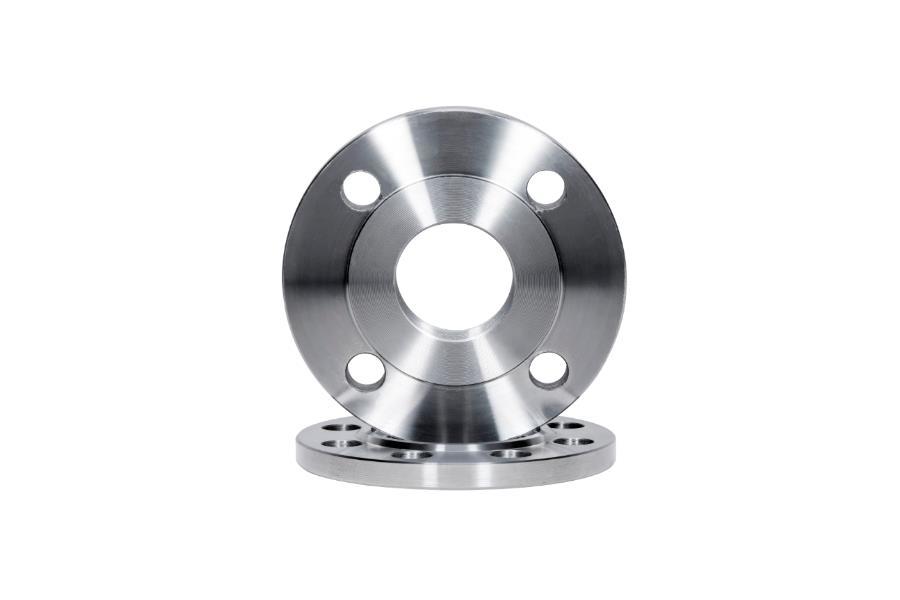
Flanged connections refer to the method of joining two sections of piping or equipment using flanges, which are flat pieces of metal or plastic that create a seal when bolted together. This type of connection is commonly employed in various industries including construction, plumbing, and HVAC systems due to its efficiency and reliability. One of the primary advantages of flanged connections is th

Why Engineers Prefer Sliding Flanges for Pipe Support: The Ultimate Guide
Why Engineers Prefer Sliding Flanges for Pipe Support Table of Contents 1. Introduction to Sliding Flanges 2. What Are Sliding Flanges? 3. Key Benefits of Sliding Flanges in Pipe Support 4. Applications of Sliding Flanges in Various Industries 5. Installation Best Practices for Sliding Flanges 6. Common Issues with Sliding Flanges and Solutions 7. Sliding Flanges vs. Fixed Flanges:
Understanding High Neck Flanges in Construction and Decoration Materials
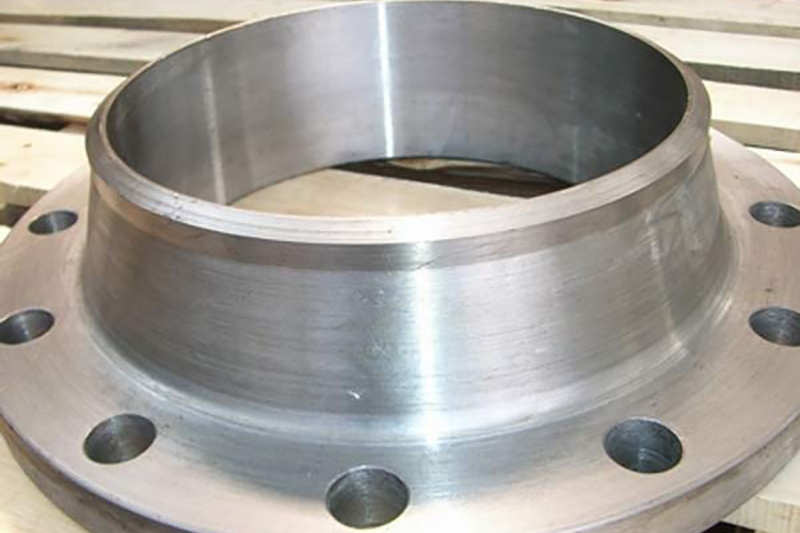
High neck flanges are crucial components in piping systems, particularly in construction and decoration materials. These flanges are characterized by their extended neck, which provides added strength and stability when connecting pipes or fittings. Understanding the design, applications, and advantages of high neck flanges can help industry professionals make informed decisions that enhance syste
The Compatibility of Flat Flanges with Various Pipe Types: A Comprehensive Guide
The Compatibility of Flat Flanges with Various Pipe Types Introduction: Understanding Flat Flanges in Piping Systems In the realm of construction and decorative materials, particularly in the piping industry, **flat flanges** play a pivotal role. These essential components facilitate connections between various pipe types, ensuring a secure and leak-free performance. However, understanding the com

The Role of Forgings in the Steel Industry: A Comprehensive Overview
In the realm of steel industries, forgings play a crucial role that often goes unnoticed. Forging is a manufacturing process that involves shaping metal using compressive forces, which can be applied through hammering, pressing, or rolling. This method is particularly important for creating strong and durable components used in various applications, including construction and decorative materials.
Shandong Xinhao Forging Co.,Ltd.
Tel:+86-15098858482
WeChat: 543983004
Email:xinhaoflange@gmail.com
Whatsapp:8615098858482
Website:www.xhflange.com

TikTok