


Using Flat Flanges for Decorative Purposes in Architecture: A Comprehensive Guide
Release time:
2026-11-27
Using Flat Flanges for Decorative Purposes in Architecture Table of Contents 1. Introduction to Flat Flanges in Architecture 2. Understanding Flat Flanges: Definition and Types 3. Aesthetic Appeal of Flat Flanges in Design 4. Functional Benefits of Using Flat Flanges 5. Applications of Flat Flanges in Architectural Design 6. Design Considerations for Using Flat Flanges
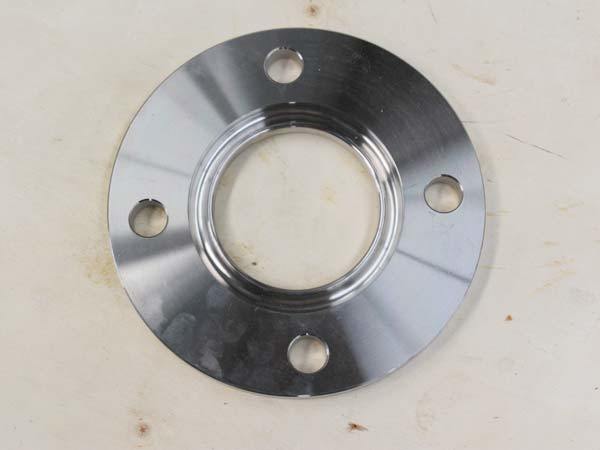
Using Flat Flanges for Decorative Purposes in Architecture
Table of Contents
- 1. Introduction to Flat Flanges in Architecture
- 2. Understanding Flat Flanges: Definition and Types
- 3. Aesthetic Appeal of Flat Flanges in Design
- 4. Functional Benefits of Using Flat Flanges
- 5. Applications of Flat Flanges in Architectural Design
- 6. Design Considerations for Using Flat Flanges
- 7. Maintenance and Care of Flat Flanges in Decor
- 8. Future Trends in Decorative Use of Flat Flanges
- 9. Conclusion
- 10. Frequently Asked Questions (FAQs)
1. Introduction to Flat Flanges in Architecture
The world of architecture constantly evolves, incorporating new materials and design concepts that enhance both function and beauty. One such element garnering attention is the **flat flange**. These versatile components, typically used in piping and construction, have found their way into decorative applications, showcasing their unique potential in architectural design. This article delves into the multifaceted uses of flat flanges, highlighting their aesthetic qualities and functional advantages while providing practical insights for architects and designers.
2. Understanding Flat Flanges: Definition and Types
Flat flanges are circular plates with holes around their perimeter, used to connect pipes, valves, and other equipment. They come in various types, including **slip-on, weld neck**, and **blind flanges**, each catering to specific requirements. In architecture, the focus primarily lies on their aesthetic and decorative qualities, enabling designers to explore innovative applications beyond their traditional industrial uses.
2.1 Types of Flat Flanges
- **Slip-On Flanges**: These flanges slide over the pipe and are welded both inside and outside for a secure fit.
- **Weld Neck Flanges**: Designed for high-pressure applications, these flanges offer superior strength and are welded to the pipe's neck.
- **Blind Flanges**: Used to seal off the end of a pipe, these flanges serve as a decorative element while maintaining the system's integrity.
3. Aesthetic Appeal of Flat Flanges in Design
Flat flanges possess a simple yet striking geometric form, making them an excellent choice for modern and industrial design themes. Their ability to complement various materials such as wood, glass, and metal allows for creative integration into architectural projects.
3.1 Creating Visual Interest
Incorporating flat flanges into building designs can create focal points that enhance the overall aesthetic. Their unique shapes can be used in **ceiling fixtures**, **wall decorations**, and **furniture**, providing a touch of industrial elegance.
3.2 Textural Contrast
The smooth surface of flat flanges contrasts beautifully with rougher materials, adding depth and character to any space. Designers can experiment with finishes—matte, polished, or coated—to achieve the desired look.
4. Functional Benefits of Using Flat Flanges
While the artistic potential of flat flanges is significant, their functional benefits further solidify their place in architectural design.
4.1 Structural Support
Flat flanges can enhance the structural integrity of various installations. When used to connect elements, they provide essential support, ensuring stability and longevity.
4.2 Versatile Applications
From **suspension systems** for lighting to decorative brackets for shelving, flat flanges can adapt to multiple applications, proving their versatility in architectural contexts.
5. Applications of Flat Flanges in Architectural Design
The applications of flat flanges in architecture are vast, encompassing various design facets.
5.1 Interior Design Elements
Architects and interior designers often incorporate flat flanges into room designs. They can serve as hooks for hanging artwork, supports for shelves, or even as part of unique furniture designs.
5.2 Outdoor Structures
Flat flanges are ideal for outdoor structures such as pergolas or decorative fences. Their durability against the elements makes them suitable for exterior applications.
6. Design Considerations for Using Flat Flanges
When integrating flat flanges into architectural designs, several considerations should be taken into account.
6.1 Material Selection
Choosing the right materials is crucial. Options range from stainless steel and brass to painted finishes. The material will affect not only the visual outcome but also durability and maintenance requirements.
6.2 Scale and Proportion
Designers should consider the scale and proportion of flat flanges in relation to surrounding elements. Oversized flanges can create dramatic focal points, while smaller ones can add subtlety to design.
6.3 Coordination with Other Elements
Flanges should harmonize with other architectural components, including lighting fixtures, furniture, and wall finishes. A cohesive design will ensure the flat flanges enhance the overall aesthetic.
7. Maintenance and Care of Flat Flanges in Decor
To maintain the visual appeal and functionality of flat flanges in architectural applications, regular care is essential.
7.1 Cleaning Techniques
Different materials require specific cleaning methods. For metal flanges, a gentle detergent and soft cloth are often sufficient. Avoid abrasive materials that could scratch the surface.
7.2 Regular Inspections
Inspecting flanges for signs of wear or damage is essential, particularly in outdoor applications. Early detection can prevent more significant issues down the line.
8. Future Trends in Decorative Use of Flat Flanges
As architectural practices continue to evolve, the use of flat flanges is likely to expand. Emerging trends include:
8.1 Sustainable Materials
Sustainability is a growing priority in architecture. Designers are exploring eco-friendly materials for flat flanges, aligning with the broader trend toward sustainable design.
8.2 Innovative Designs
As technology advances, the design possibilities for flat flanges will increase. Custom fabrication methods, including 3D printing, enable architects to create unique shapes tailored to specific projects.
9. Conclusion
Flat flanges represent a unique intersection of functionality and aesthetic appeal in architectural design. Their versatility allows for a range of applications, from structural support to decorative elements. By understanding how to effectively incorporate flat flanges into designs, architects and designers can enhance the visual and functional quality of their projects. As trends evolve, the potential for innovative uses of flat flanges will only grow, offering exciting opportunities for creative expression in architecture.
10. Frequently Asked Questions (FAQs)
What are flat flanges used for in architecture?
Flat flanges are used as decorative elements, structural supports, and connectors in various architectural applications, enhancing both aesthetics and functionality.
Can flat flanges be customized for specific designs?
Yes, flat flanges can be customized in terms of size, material, and finish to suit specific architectural needs and design preferences.
How do I maintain flat flanges in my building design?
Regular cleaning with appropriate materials and inspecting for damage can help maintain flat flanges' appearance and functionality.
Are flat flanges suitable for outdoor use?
Yes, flat flanges can be used in outdoor applications, provided they are made from durable materials that can withstand the elements.
What design styles work best with flat flanges?
Flat flanges complement a variety of design styles, particularly modern, industrial, and minimalist aesthetics, due to their clean lines and geometric forms.
Previous
Latest developments
Using Flat Flanges for Decorative Purposes in Architecture: A Comprehensive Guide
Using Flat Flanges for Decorative Purposes in Architecture Table of Contents 1. Introduction to Flat Flanges in Architecture 2. Understanding Flat Flanges: Definition and Types 3. Aesthetic Appeal of Flat Flanges in Design 4. Functional Benefits of Using Flat Flanges 5. Applications of Flat Flanges in Architectural Design 6. Design Considerations for Using Flat Flanges
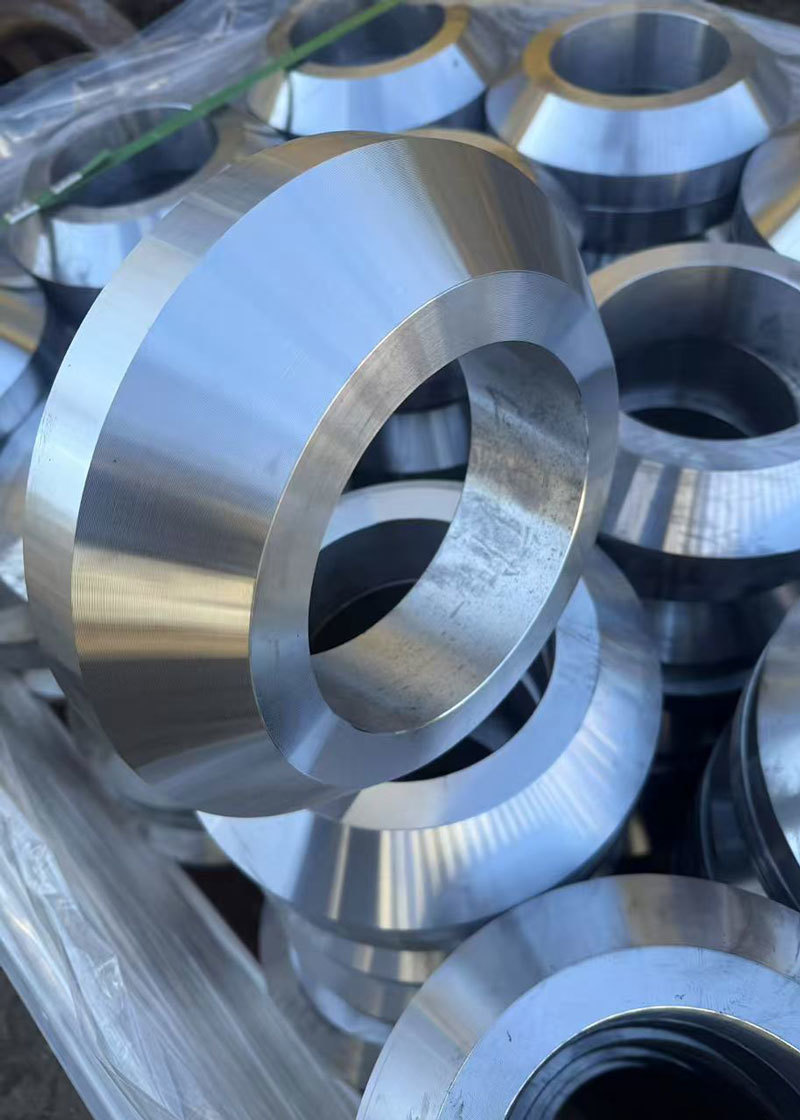
Exploring the Role of Forgings in the Steel Industry: Innovations and Applications
Forgings play a crucial role in the steel industry, particularly in the realm of construction and decorative materials. The process of forging involves shaping metal through compressive forces, resulting in a material that is not only stronger but also more resilient than its cast counterparts. This is particularly important in the construction sector, where durability and reliability are paramoun
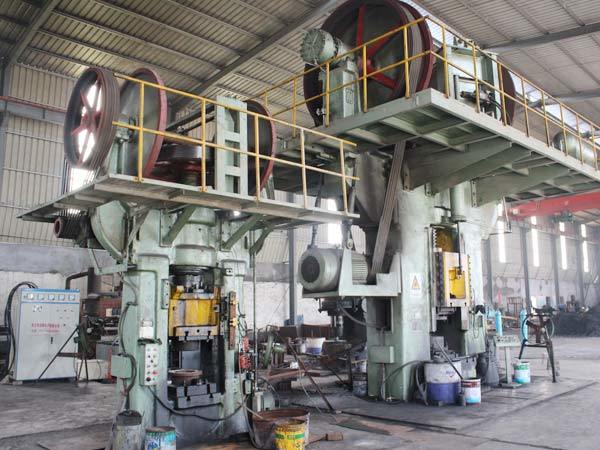
The Environmental Impact of Forging Stainless Steel: Myths vs. Facts
The Environmental Impact of Forging Stainless Steel: Myths vs. Facts Table of Contents Introduction Understanding Stainless Steel and Its Applications The Forging Process Explained Common Myths Surrounding Environmental Impact Myth 1: Forging Stainless Steel is Extremely Polluting Myth 2: Recycling Stainless Steel is Ineffective Myth 3: All Stain
Understanding Non-Standard Flanges: Key Considerations for Your Projects
Non-standard flanges play a crucial role in various piping systems, offering flexibility and adaptability in construction projects. These flanges deviate from the standard dimensions and specifications set by organizations such as the American National Standards Institute (ANSI) or the International Organization for Standardization (ISO). Instead, non-standard flanges are custom-made to meet speci

How Japanese Standard Flanges Influence Construction Costs
How Japanese Standard Flanges Influence Construction Costs Understanding Japanese Standard Flanges Japanese standard flanges are critical components in piping systems used across various construction projects. They ensure the secure connection of pipes, valves, fittings, and other equipment. These flanges adhere to specific Japanese Industrial Standards (JIS), which dictate their dimensions, mat

--- In the realm of construction and decorative materials, American Standard flanges serve as fundamental components in piping systems. Flanges are essential for connecting pipes, valves, pumps, and other equipment, ensuring the integrity and reliability of plumbing and industrial systems. Understanding the specifications and applications of American Standard flanges can significantly enhance your
Shandong Xinhao Forging Co.,Ltd.
Tel:+86-15098858482
WeChat: 543983004
Email:xinhaoflange@gmail.com
Whatsapp:8615098858482
Website:www.xhflange.com

TikTok