

What are the process flows of marine flanges described by aluminum alloy flanges?
Release time:
2020-09-09
The heat treatment process of marine flanges mainly includes three processes: heating, insulation, and cooling.
The heat treatment process of marine flanges mainly includes three processes: heating, holding, and cooling. Let's follow along.Aluminum alloy flange plateLet's learn about it together!
There are many heating methods for metal heat treatment. First, charcoal and coal are used as heat sources, followed by liquid and gas fuels. The application of electricity makes heating easy to control and avoids environmental pollution. Using these heat sources, marine stainless steel flanges can be directly heated, or indirect heating can be done using molten salts or metals, and floating particles. Choosing and controlling the heating temperature is the main issue to ensure the quality of heat treatment. The heating temperature of marine flanges is one of the important process parameters in the heat treatment process. Metals should generally be heated in a controlled atmosphere, or in molten salts in a protective atmosphere and vacuum, and can also be heated through coatings or packaging. The heating temperature varies with the metal material to be treated and the heat treatment objectives, but it is usually heated to a temperature above the phase transition temperature to obtain a high-temperature structure. Heating of welded flanges is one of the important processes in heat treatment. When metals are heated, oxidation and decarburization often occur when the workpiece is exposed to air, which negatively affects the surface performance of the parts after heat treatment.
When the surface of the marine flange cover reaches the required heating temperature, the temperature must be maintained for a period of time to ensure that the internal and external temperatures are consistent, completing the transformation of the microstructure. This period is called the holding time. When using high energy density heating and surface heat treatment, the heating speed is very fast. Generally, there is no holding time, while the holding time for chemical heat treatment is usually longer.
Heating and cooling are two essential processes in the heat treatment process of marine stainless steel flanges. The cooling method varies depending on the process, mainly controlling the cooling speed. Additionally, the transformation requires a certain amount of time. Generally, the cooling speed of quenching is faster than that of normalizing, while the cooling speed of annealing is slower. However, there are different requirements depending on the type of steel; for example, air-hardening steel can be quenched at the same cooling speed as normalizing.
That's all.Aluminum alloy flange plateThe editor has shared relevant knowledge about the processing technology of marine flanges, hoping it can help you.

Latest developments
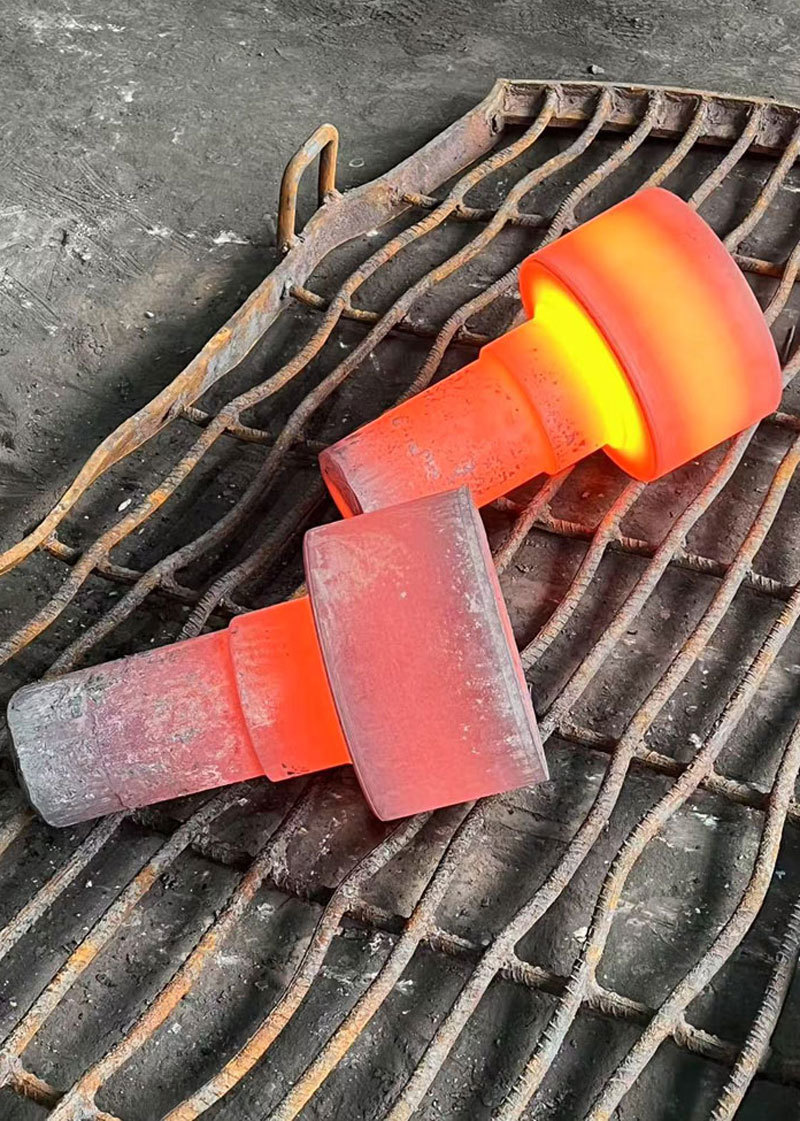
Quality Standards in the Forging of Stainless Steel Products: Ensuring Excellence in Metallurgy
Quality Standards in the Forging of Stainless Steel Products Table of Contents Introduction to Stainless Steel Forging The Importance of Quality Standards in Forging Types of Stainless Steel Used in Forging Common Forging Processes in Stainless Steel Manufacturing Quality Assurance Methodologies in Stainless Steel Forging Testing and Certification of Stainless Steel Products Global
Understanding Non-Standard Flanges: A Key Component in Architectural Applications
Non-standard flanges are specialized components that deviate from conventional sizing and design specifications. Unlike standard flanges, which adhere to established dimensions and pressure ratings, non-standard flanges are custom-made to meet unique project requirements. These flanges are crucial in various architectural and construction applications, particularly when dealing with unconventional
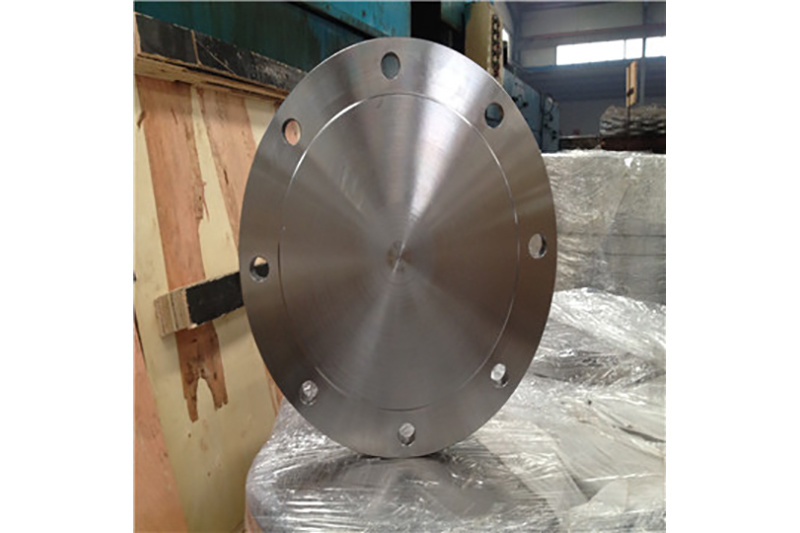
The Importance of Quality Control for Japanese Standard Flanges: Ensuring Durability and Reliability
The Importance of Quality Control for Japanese Standard Flanges In the construction and manufacturing sectors, the significance of quality control cannot be overstated, especially for components as crucial as flanges. Japanese standard flanges, known for their precision and durability, require stringent quality control measures to meet the demands of various applications. This article delves into
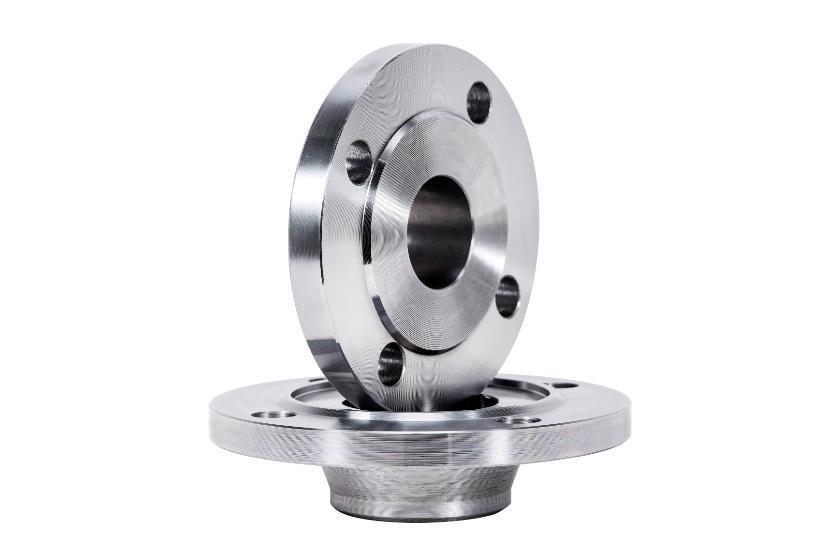
Understanding American Standard Flange in Construction and Decoration Materials
American standard flanges are critical components in the field of construction and decorative materials, particularly in piping systems. These flanges adhere to specific standards established by organizations such as the American National Standards Institute (ANSI) and the American Society of Mechanical Engineers (ASME). Their design and specifications are essential for ensuring compatibility and
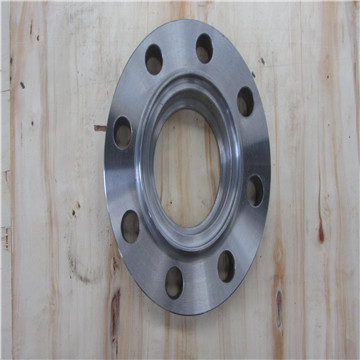
Exploring the Advantages of Using Threaded Flanges in HVAC Systems
Exploring the Advantages of Using Threaded Flanges in HVAC Systems Table of Contents 1. Introduction to Threaded Flanges in HVAC 2. Understanding Threaded Flanges 3. Benefits of Using Threaded Flanges in HVAC Systems 3.1 Superior Sealing Capability 3.2 Ease of Installation and Maintenance 3.3 Cost-Effectiveness 3.4 Versatility i

The Essential Guide to Flanged Connections in Building and Decorative Materials
Flanged connections are vital components in the construction and decorative materials sector, especially in the context of piping systems and fittings. Understanding their function, design, and application can significantly enhance the efficiency and reliability of installations. A flanged connection involves two flanges, which are flat pieces of material with holes for bolts. These flanges are bo
Shandong Xinhao Forging Co.,Ltd.
Tel:+86-15098858482
WeChat: 543983004
Email:xinhaoflange@gmail.com
Whatsapp:8615098858482
Website:www.xhflange.com

TikTok