

Production methods of large flange ring components
Release time:
2020-11-13
In the processing and production of large flange ring parts, the adoption of new technologies and methods to reduce production costs, save energy, and improve material utilization has responded to the national policy of vigorously developing energy conservation and emission reduction. The progress of our country's equipment manufacturing industry relies on continuous technological innovation. Large flange ring parts are increasingly used in many industrial fields such as wind power generation, machinery, shipbuilding, petrochemicals, and aerospace. Today, the production of large flange ring parts mainly includes the following methods:
In the processing and production of large flange ring parts, new technologies and methods are adopted to reduce production costs, save energy, and improve material utilization, which has responded to the national policy of vigorously developing energy conservation and emission reduction. The progress of China's equipment manufacturing industry relies on continuous technological innovation.
Large flange ring parts are increasingly used in many industrial fields such as wind power generation, machinery, shipbuilding, petrochemicals, and aerospace. Today, the production of large flange ring parts mainly includes the following methods:
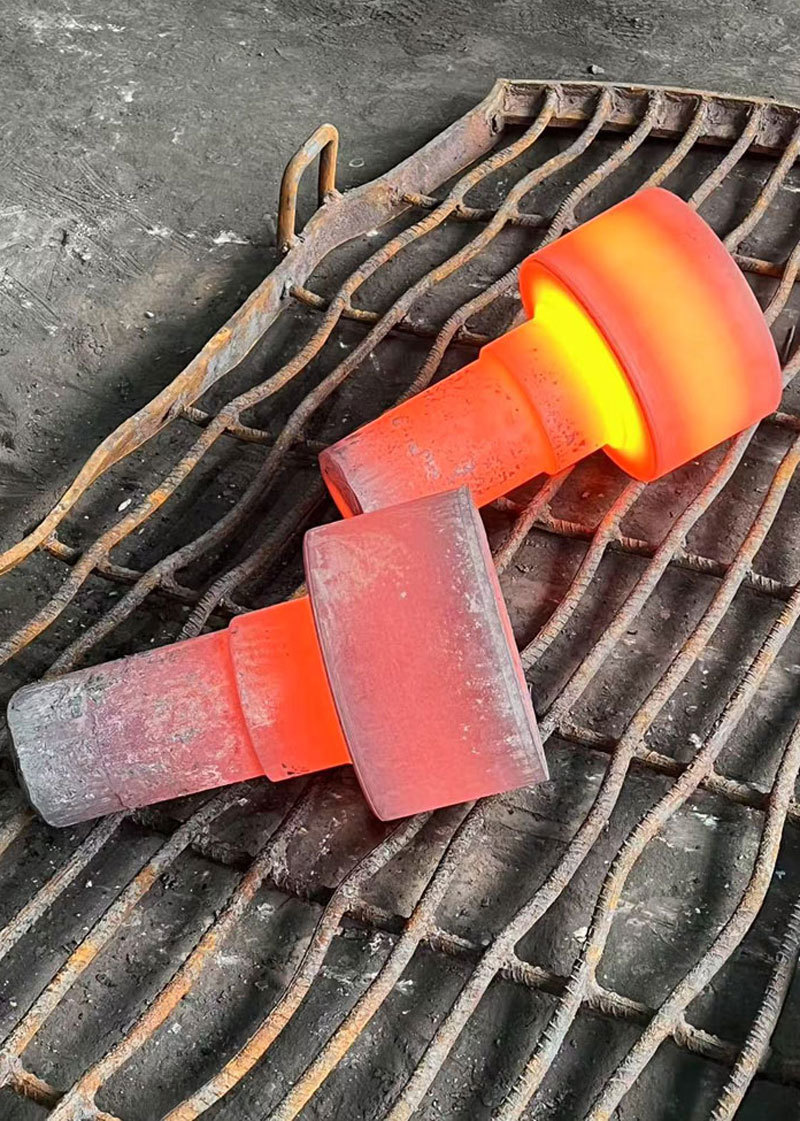
1.Overall forging forming method. The blank is forged into a disc shape at high temperature, the middle part is punched, and then forged into a ring shape. This method not only has low material utilization, long processing cycle, but also the processed ring blank often cannot meet precision requirements. With the advancement and development of technology, this method has gradually become a reality for processing large rings.
2.Ring rolling method. Ring rolling, also known as ring rolling or hole expansion, involves sending the forged ring blank into a ring rolling machine at high temperature. After multiple rolling processes, the wall thickness of the ring decreases and the diameter increases. This method requires a complete set of large forging and rolling equipment, and the rolling process is affected by the coupling of statics, kinematics, dynamics, and other factors. The rolling deformation of the ring is highly complex, but it also has disadvantages such as difficult equipment operation, large footprint, and high energy consumption.
Rolling has become the main production method for large ring parts, and foreign scholars have conducted extensive research on this production process from many aspects. Research on rolling and forming in China has become increasingly in-depth, achieving certain results. The first domestically developed axial CNC ring rolling machine with a diameter by Xi'an Heavy Machinery Research Institute,5000mmfeatures the ability to roll large aluminum alloy rings, with high precision, high efficiency, large diameter, and high torque.
3.The method of precise bending and forming. The main process of this method is precise bending, end removal, welding groove, and custom welding to form a circular flange. Due to the large size of super flange rings, difficulties may arise in overall processing and transportation. Therefore, it must be processed in sections.
Compared with the process of producing rolled and other ring-shaped parts, using bending forming technology to process flanges has the advantages of high production efficiency, small processing volume, simple equipment, and low energy consumption. Applying the bending process to the production of large flange ring parts is of great significance.

Latest developments
Quality Standards in the Forging of Stainless Steel Products: Ensuring Excellence in Metallurgy
Quality Standards in the Forging of Stainless Steel Products Table of Contents Introduction to Stainless Steel Forging The Importance of Quality Standards in Forging Types of Stainless Steel Used in Forging Common Forging Processes in Stainless Steel Manufacturing Quality Assurance Methodologies in Stainless Steel Forging Testing and Certification of Stainless Steel Products Global
Understanding Non-Standard Flanges: A Key Component in Architectural Applications
Non-standard flanges are specialized components that deviate from conventional sizing and design specifications. Unlike standard flanges, which adhere to established dimensions and pressure ratings, non-standard flanges are custom-made to meet unique project requirements. These flanges are crucial in various architectural and construction applications, particularly when dealing with unconventional
The Importance of Quality Control for Japanese Standard Flanges: Ensuring Durability and Reliability
The Importance of Quality Control for Japanese Standard Flanges In the construction and manufacturing sectors, the significance of quality control cannot be overstated, especially for components as crucial as flanges. Japanese standard flanges, known for their precision and durability, require stringent quality control measures to meet the demands of various applications. This article delves into
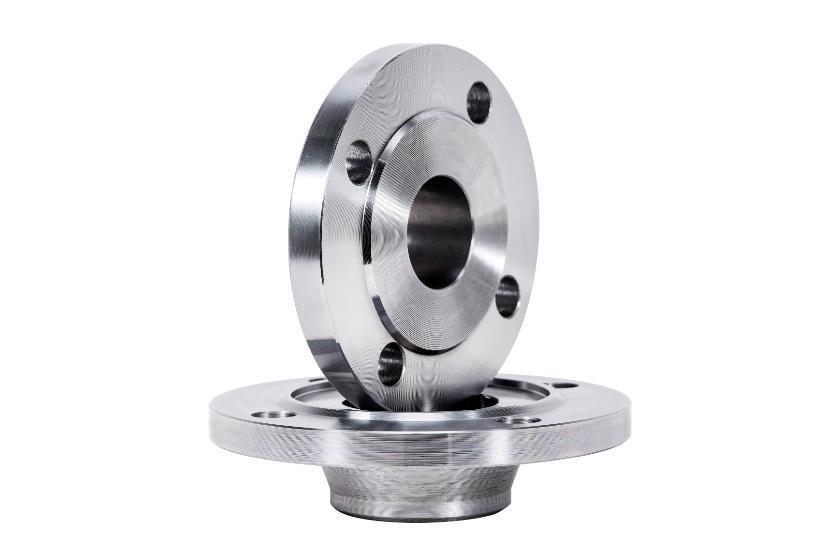
Understanding American Standard Flange in Construction and Decoration Materials
American standard flanges are critical components in the field of construction and decorative materials, particularly in piping systems. These flanges adhere to specific standards established by organizations such as the American National Standards Institute (ANSI) and the American Society of Mechanical Engineers (ASME). Their design and specifications are essential for ensuring compatibility and
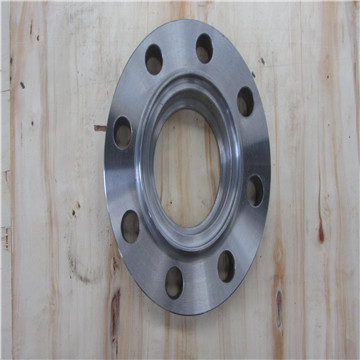
Exploring the Advantages of Using Threaded Flanges in HVAC Systems
Exploring the Advantages of Using Threaded Flanges in HVAC Systems Table of Contents 1. Introduction to Threaded Flanges in HVAC 2. Understanding Threaded Flanges 3. Benefits of Using Threaded Flanges in HVAC Systems 3.1 Superior Sealing Capability 3.2 Ease of Installation and Maintenance 3.3 Cost-Effectiveness 3.4 Versatility i

The Essential Guide to Flanged Connections in Building and Decorative Materials
Flanged connections are vital components in the construction and decorative materials sector, especially in the context of piping systems and fittings. Understanding their function, design, and application can significantly enhance the efficiency and reliability of installations. A flanged connection involves two flanges, which are flat pieces of material with holes for bolts. These flanges are bo
Shandong Xinhao Forging Co.,Ltd.
Tel:+86-15098858482
WeChat: 543983004
Email:xinhaoflange@gmail.com
Whatsapp:8615098858482
Website:www.xhflange.com

TikTok