

Advantages of Carbon Steel Flanges
Release time:
2020-12-04
When welding carbon steel flanges, it is necessary to repeatedly heat to separate carbides, which reduces their corrosion resistance and mechanical properties. The welding rod should be monotonic in application; the titanium-calcium type should be monotonic at 150°C for 1 hour, and the low-hydrogen type should be monotonic at 200-250°C for 1 hour (do not dry repeatedly, otherwise the coating will crack and fall off), to prevent the electrode flux from sticking to oil and other dirt, which could increase the carbon content of the weld and affect the quality of the weld.
When welding carbon steel flanges, repeated heating is required to separate carbides and reduce their corrosion resistance and mechanical properties. The welding rod should be monotonic in application, with the titanium-calcium type at150℃ monotonic1hours, and the low-hydrogen type at200-250℃ monotonic1hours (do not dry repeatedly, otherwise the coating will crack and fall off), to prevent the electrode flux skin from sticking to oil and other dirt, to prevent the weld seam from increasing carbon content and affecting weld quality.
In the mechanical industry, carbon steel flanges have a significant impact and contribute greatly to economic growth. The forging process of carbon steel flange manufacturers can be divided into phase change forging, roll forging, rotary forging, and forging. Therefore, the development of carbon steel flanges has promoted the development of the industrial and global carbon steel flange forging industry. Carbon steel flange manufacturers may forge through deformation, and deformation forging and ring rolling may undergo careful forging processes. To improve material utilization, rolling and cross-rolling can be used for processing long materials, making it difficult to ensure the precision of forging.
Producing carbon steel flange blanks in cold forging can cause deformation and work hardening, resulting in high loads on the forging die. Therefore, high-strength forging dies need to be used during the forging process to avoid wear and adhesion. A hard lubricating film must be processed. Additionally, to avoid cracks in the blanks of carbon steel flanges, a core annealing process is also required. This improves the deformation resistance of carbon steel flanges. Carbon steel flanges are flanges with steel rings set at the pipe ends, and the flanges can be free at the pipe ends. Therefore, it is necessary to use computers to control the target of the forging die and change the forging process, allowing for the production of shaped and high-precision forged products with lower forging forces.

Previous
Latest developments
Understanding Flanged Connections in Building and Decoration Materials
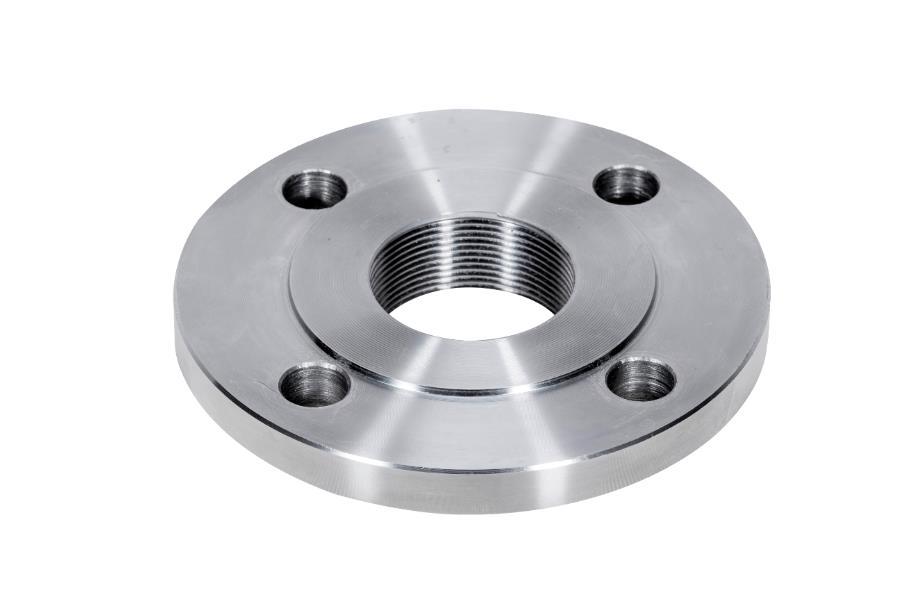
Flanged connections are a fundamental component in piping systems within the construction and decoration materials sector. These connections consist of two flanges, which are typically flat pieces of metal that are bolted together, creating a secure joint. This method of joining pipes, valves, and fittings is favored due to its reliability, ease of maintenance, and ability to handle high pressure
The Advantages of Sliding Flanges in High-Pressure Applications
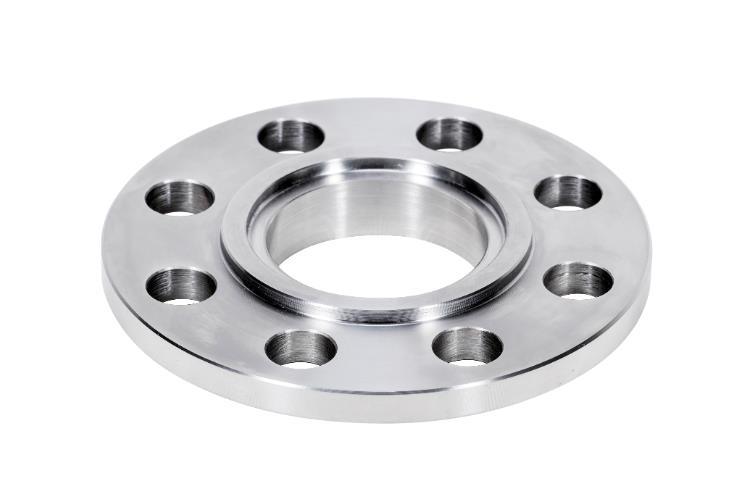
The Advantages of Sliding Flanges in High-Pressure Applications Table of Contents 1. Understanding Sliding Flanges 2. Importance of Sliding Flanges in High-Pressure Systems 3. Key Benefits of Sliding Flanges 3.1 Flexibility and Adjustability 3.2 Stress Reduction on Piping 3.3 Enhanced Sealing Capabilities 4. Applications of Sliding Flanges 5. Installation

Understanding High Neck Flanges: Essential Components for Construction and Decorative Materials
High neck flanges are critical components in various piping systems used in the construction and decorative materials industry. They are designed to connect pipes, valves, pumps, and other equipment, ensuring a secure and leak-proof seal. The high neck design distinguishes them from standard flanges, as they feature a longer neck that helps to accommodate thicker materials and provides additional
How to Maintain Your Flat Flanges for Longevity: Essential Tips for Optimal Performance
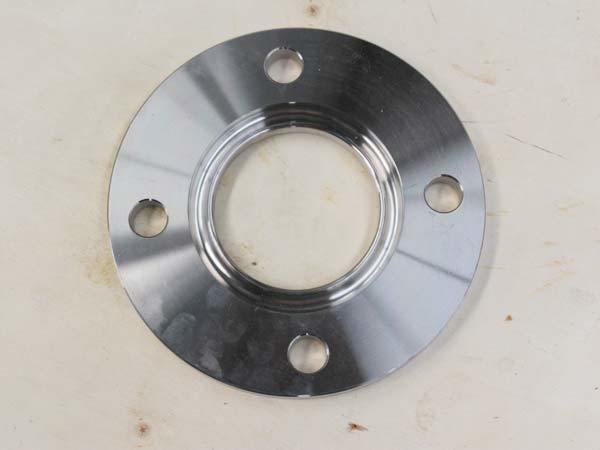
How to Maintain Your Flat Flanges for Longevity Flanges are essential components in piping and plumbing systems, facilitating connections in various applications. Among these, **flat flanges** are widely used due to their ease of installation and maintenance. However, to ensure their longevity and optimal performance, proper care and maintenance are paramount. In this article, we will delve into e

The Role of Steel Industries Forgings in Construction and Decorative Materials
In the construction and decorative materials sector, the importance of steel industries forgings cannot be overstated. Forging is a manufacturing process that involves shaping metal using localized compressive forces, which results in products that boast enhanced mechanical properties. This method is particularly relevant for the steel industry, where forgings are integral in creating components u

Forging Stainless Steel: Techniques for Optimal Quality
Forging Stainless Steel: Techniques for Optimal Quality Table of Contents 1. Introduction to Forging Stainless Steel 2. What is Stainless Steel? 3. The Importance of Forging in Stainless Steel 4. Key Forging Techniques for Stainless Steel 4.1 Open Die Forging 4.2 Closed Die Forging 4.3 Upset Forging 4.4 Swaging 5. The Forging P
Shandong Xinhao Forging Co.,Ltd.
Tel:+86-15098858482
WeChat: 543983004
Email:xinhaoflange@gmail.com
Whatsapp:8615098858482
Website:www.xhflange.com

TikTok