

Flange Manufacturer: Introduction to Flanges
Release time:
2020-12-24
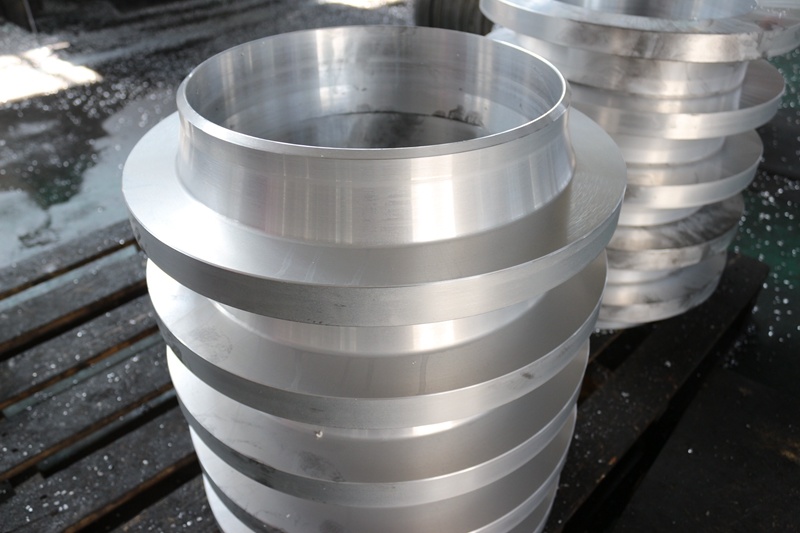
Flanges are common products in the mechanical industry, also known as flange plates. Flange manufacturers produce flanges as interconnecting components between pipes and pipelines, used for connections between the ends of pipes. The inlet and outlet of equipment also use flanges to connect two devices. Therefore, it is also referred to as a fastener.
Flanges are common products in the mechanical industry, also known as flange plates. Flange manufacturers produce flanges as interconnecting components between pipelines, used for connections between the ends of pipes. The inlet and outlet of equipment also use flanges to connect two devices. Therefore, it is also referred to as a fastener.
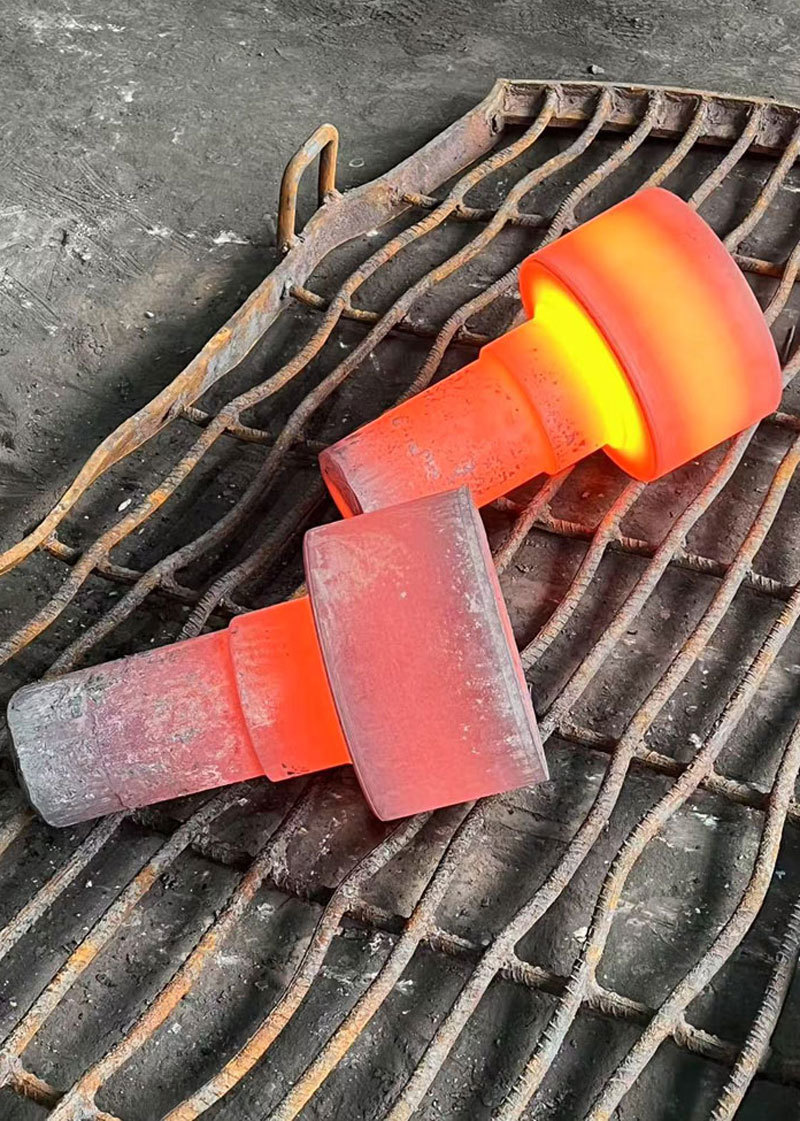
There are two forging processes for neck butt welding flanges:
1: Die forging; that is, heating the steel in a heating furnace to 1200℃, and then placing it into a forging die with the corresponding specifications. 2" -10" (DN50-DN250) requires a special punch to punch the inner hole.
2: Free forging. The raw material is heated in a heating furnace to 1200℃, then the square raw material is forged into a round cake shape, punched, and then expanded to the required size using special equipment (rollers and horse frames). Suitable for the above specifications (DN300-DN3000).
The necks of the American standard butt welding flanges and the German standard butt welding flanges from flange manufacturers can be pressed into shape during the forging process. The neck of the pressure vessel butt welding flange II can also be pressed out.
The flange interface of the pressure vessel is used for transporting materials and docking with other facilities. The tightness of the seal at the pressure vessel butt joint is a long-term guarantee for each flange joint. The degree of compression between the sealing groove of the flange end face and the gasket during the compression process, as well as the uniformity of circumferential compression, directly affects the sealing performance. An important factor affecting the sealing effect is the loading process of the bolt preload and the magnitude of the preload.
Flange manufacturers' flange preload bolts connect the gasket and the flange. For flange sealing situations using octagonal gaskets or oval gaskets, technically, the general requirement for flange preload bolts is to gradually load around the circumference so that the gasket gradually and evenly embeds into the flange sealing groove, ensuring that the gasket does not deform locally; the preload of each bolt reaches the specified value. For the tightening process of such bolts, the current process is to use a torque wrench to achieve loading, and the torque value displayed by the torque wrench is indirectly converted into the corresponding bolt preload.
This torque method can intuitively achieve control objectives, is simple to measure, has a simple operating process, and a simple control program, but does not consider the friction resistance between components, and the friction resistance in the bolt assembly is not completely consistent, causing the preload to be dispersed. It cannot reliably guarantee the process requirements for large, uniform preloading. Therefore, the control accuracy is low, significantly affecting the sealing effect of the butt flange, directly impacting the long-term, reliable, and stable operation of the equipment.
Latest developments
Quality Standards in the Forging of Stainless Steel Products: Ensuring Excellence in Metallurgy
Quality Standards in the Forging of Stainless Steel Products Table of Contents Introduction to Stainless Steel Forging The Importance of Quality Standards in Forging Types of Stainless Steel Used in Forging Common Forging Processes in Stainless Steel Manufacturing Quality Assurance Methodologies in Stainless Steel Forging Testing and Certification of Stainless Steel Products Global
Understanding Non-Standard Flanges: A Key Component in Architectural Applications
Non-standard flanges are specialized components that deviate from conventional sizing and design specifications. Unlike standard flanges, which adhere to established dimensions and pressure ratings, non-standard flanges are custom-made to meet unique project requirements. These flanges are crucial in various architectural and construction applications, particularly when dealing with unconventional
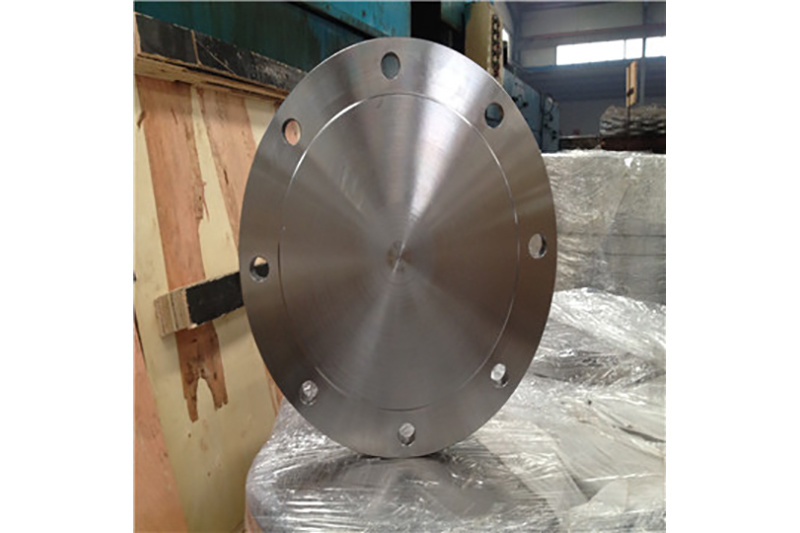
The Importance of Quality Control for Japanese Standard Flanges: Ensuring Durability and Reliability
The Importance of Quality Control for Japanese Standard Flanges In the construction and manufacturing sectors, the significance of quality control cannot be overstated, especially for components as crucial as flanges. Japanese standard flanges, known for their precision and durability, require stringent quality control measures to meet the demands of various applications. This article delves into
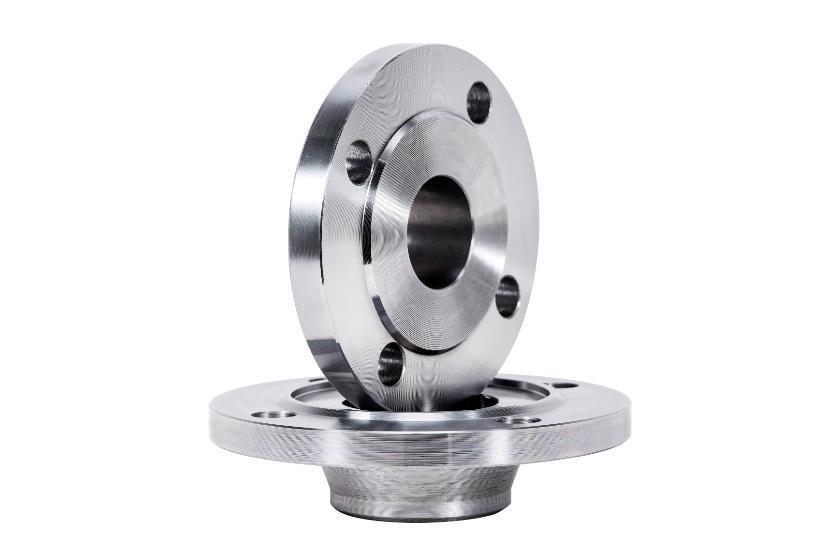
Understanding American Standard Flange in Construction and Decoration Materials
American standard flanges are critical components in the field of construction and decorative materials, particularly in piping systems. These flanges adhere to specific standards established by organizations such as the American National Standards Institute (ANSI) and the American Society of Mechanical Engineers (ASME). Their design and specifications are essential for ensuring compatibility and
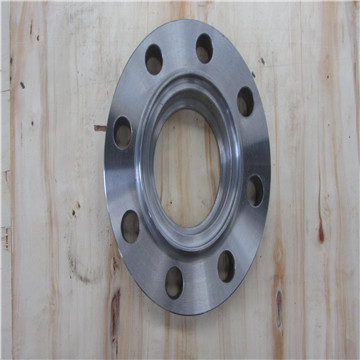
Exploring the Advantages of Using Threaded Flanges in HVAC Systems
Exploring the Advantages of Using Threaded Flanges in HVAC Systems Table of Contents 1. Introduction to Threaded Flanges in HVAC 2. Understanding Threaded Flanges 3. Benefits of Using Threaded Flanges in HVAC Systems 3.1 Superior Sealing Capability 3.2 Ease of Installation and Maintenance 3.3 Cost-Effectiveness 3.4 Versatility i

The Essential Guide to Flanged Connections in Building and Decorative Materials
Flanged connections are vital components in the construction and decorative materials sector, especially in the context of piping systems and fittings. Understanding their function, design, and application can significantly enhance the efficiency and reliability of installations. A flanged connection involves two flanges, which are flat pieces of material with holes for bolts. These flanges are bo
Shandong Xinhao Forging Co.,Ltd.
Tel:+86-15098858482
WeChat: 543983004
Email:xinhaoflange@gmail.com
Whatsapp:8615098858482
Website:www.xhflange.com

TikTok