

Classification of Marine Flanges
Release time:
2021-01-03
Marine flanges are flanges used on ships, which are parts that connect pipes to each other. They are connected to the ends of the pipes. Connection of marine flanges The flanges have holes that can be used with bolts to tightly connect two flanges. The flanges are sealed with gaskets.
Marine flanges are flanges used on ships, which are parts that connect pipes to each other. They are connected to the ends of the pipes.
Connection of marine flanges
Flanges have holes that can be used with bolts to tightly connect two flanges. Flanges are sealed with gaskets.
Flange connection is the process of fixing two pipes, pipe fittings, or equipment to a flange plate, adding flange gaskets between the two flange plates, and then securing them together with bolts to complete the connection. Some pipe fittings and equipment have their own flanges, which is also a flange connection.
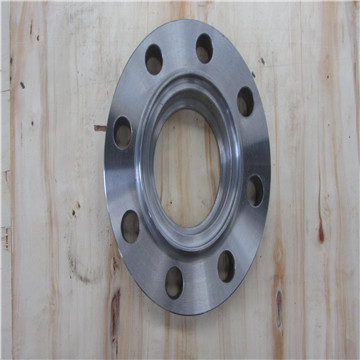
Marine flat welding flange
It is a flange welded by inserting the pipe into the inner circle of the flange, with two types being neck flat welding flange and flat plate lap welding flange.
The advantages of flat welding flanges are low production costs and simple manufacturing, but they are not resistant to high temperatures and high pressures. Flat welding flanges are used for pipelines with pressures below 2.5 MPa at room temperature, and they are commonly used flanges on ships.
Marine butt welding flange
Also known as high-neck flanges, they refer to flanges with a neck that have a circular pipe transition section and butt against the pipe.
Butt welding flanges have high rigidity, are not easily deformed, have good sealing properties, and are widely used. They are suitable for high temperature and high pressure situations. The nominal pressure PN is about 16 MPa. They are mainly used in compressed air pipeline systems and carbon dioxide pipeline systems.
Marine loose sleeve flange
Also known as a loose flange, it is usually made of high-cost materials. To reduce costs, internal connections made of the same material as the pipe are used, as well as flanges made of different materials, such as flanges, steel rings, etc. At the pipe end, the flange can move at the pipe end.
Loose sleeve flanges are usually used for copper-nickel alloy pipes and expansion joints.
Marine hydraulic flange
The pressure in the hydraulic pipeline system of ships is very high, so special socket-type high-pressure method flanges are used, depending on the pipe diameter, with flange thicknesses of about 30mm-45mm. This type of flange generally uses concave and convex flange connection methods, with O-rings as sealing materials.

Latest developments
The Importance of Quality Control in Stainless Steel Forging: Ensuring Excellence and Reliability
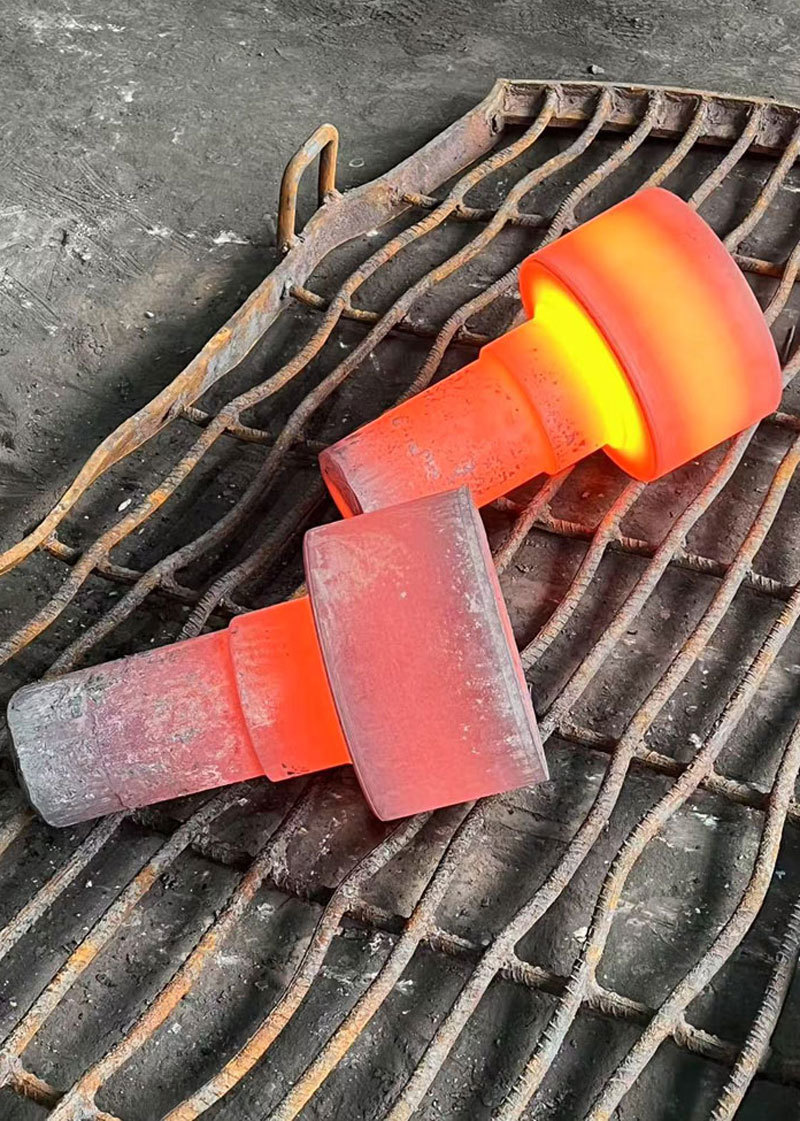
The Importance of Quality Control in Stainless Steel Forging Stainless steel forging is a pivotal process in the metallurgical industry, widely recognized for its strength, durability, and resistance to corrosion. The demand for high-quality stainless steel products continues to rise across various sectors, including automotive, aerospace, medical, and construction. In this article, we will explor
Understanding Non-Standard Flanges: A Key Component in Building and Decorative Materials
Non-standard flanges are crucial components used in piping systems that do not conform to commonly accepted dimensions or specifications. These flanges are often tailored to meet unique project requirements, making them essential in various applications within the construction and decorative materials sectors. Unlike standard flanges, which are manufactured according to established norms, non-stan

Japanese Standard Flanges: The Backbone of Reliable Pipeline Networks
Introduction to Japanese Standard Flanges In the world of construction and pipeline systems, **Japanese standard flanges** serve as a fundamental component for achieving secure and leak-proof connections. These flanges, known for their high-quality manufacturing standards and precision, are vital for a variety of industries, including oil and gas, water management, and various industrial applicati
Understanding American Standard Flanges: Essential Components for Reliable Pipe Connections
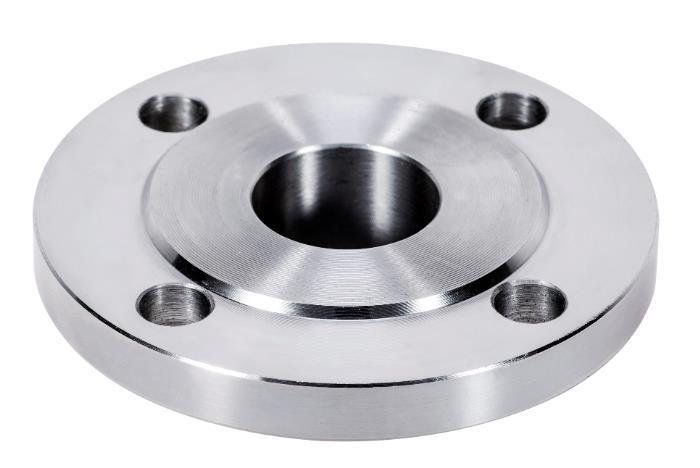
--- American standard flanges are critical components in the construction and decorative materials sector, particularly in the realm of piping systems. These flanges serve as connectors that allow for the joining of pipes, valves, and other equipment, ensuring a secure and leak-proof interface. Understanding the characteristics and applications of American standard flanges can greatly enhance the
Leveraging Threaded Flanges for Enhanced Safety in Structural Engineering
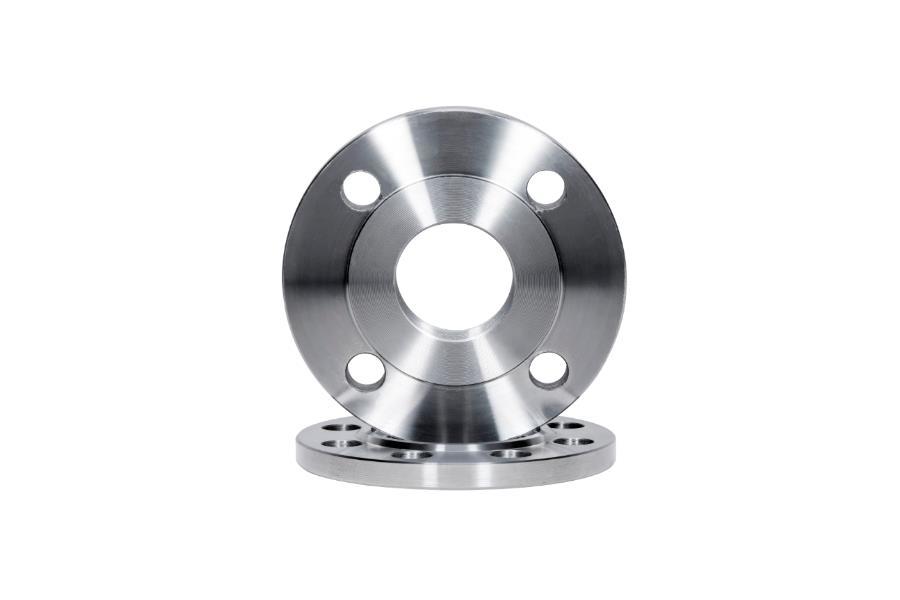
Leveraging Threaded Flanges for Enhanced Safety in Structures Table of Contents 1. Introduction to Threaded Flanges 2. Importance of Safety in Structural Engineering 3. What are Threaded Flanges? 4. Benefits of Using Threaded Flanges 4.1 Enhanced Safety Standards 4.2 Cost-Effectiveness and Efficiency 4.3 Versatility in Applications 5. Applications of Threaded Flanges in Construction 5.1 Industrial
Understanding Flanged Connections in Construction and Decoration Materials
Flanged connections refer to the method of joining two sections of piping or equipment using flanges, which are flat pieces of metal or plastic that create a seal when bolted together. This type of connection is commonly employed in various industries including construction, plumbing, and HVAC systems due to its efficiency and reliability. One of the primary advantages of flanged connections is th
Shandong Xinhao Forging Co.,Ltd.
Tel:+86-15098858482
WeChat: 543983004
Email:xinhaoflange@gmail.com
Whatsapp:8615098858482
Website:www.xhflange.com

TikTok