

Technical conditions and characteristics of carbon steel flanges!
Release time:
2021-07-07
The other meaning of carbon steel flange is: a flange plate produced according to the size, tolerance range, and other requirements of national standards, distinguished from flanges produced without standard sizes, also known as secondary standard flanges (it is incorrect for some to call them non-standard flanges). Usually, some unscrupulous merchants will reduce the thickness and outer diameter of the flange plate to save materials, and they also use waste steel or scrap steel to process flanges.
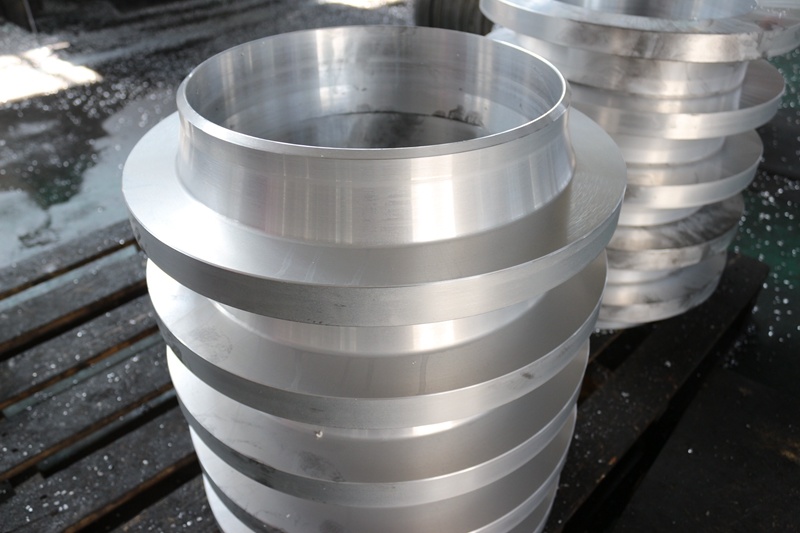
Another meaning of carbon steel flange is: a flange plate produced according to the size, tolerance range, etc. required by national standards, distinguished from flanges produced without standard sizes, also known as second standard flanges (it is incorrect to call them non-standard flanges). Usually, some unscrupulous merchants will reduce the thickness and outer diameter of the flange plate to save materials, and also use waste steel or scrap steel to process flanges.
Typically, this type of steel is substandard scrap with inadequate chemical composition and mechanical properties. Even worse, some black steel mills produce flanges using privately smelted steel, which employs outdated steelmaking techniques that cannot guarantee mechanical and welding properties. When used, it may not weld properly with steel pipes, or the steel itself may have cracks, pores, etc., leading to leaks after welding. Therefore, when purchasing flange plates, it is advisable to choose carbon steel flanges.
Carbon steel flanges are tight and reliable. They have two sealing surfaces, and the sealing surface material of the ball valve widely uses various plastics, ensuring good sealing and achieving complete sealing. Due to the wiping nature of carbon steel flanges during opening and closing, they can be used in media containing suspended solid particles. Model Q41F--16C Q41F--25C American standard A105 is approximately 0.9% (the standard is 1.05Max, which can decrease to 1.65%Max as carbon content decreases), while the national standard 16Mn content is about 1.3% (standard 1.2%~1.6%). The Japanese standard S25C is relatively low, below 0.6%.
The production processes for carbon steel flanges include forging, casting, plate rolling, and plate cutting, among others. Among these, forging is the most expensive, followed by plate products, and casting products are the least expensive. In terms of quality, forging is the best, rolling is second, and casting is third. However, the caliber of forged products is generally smaller.
Latest developments
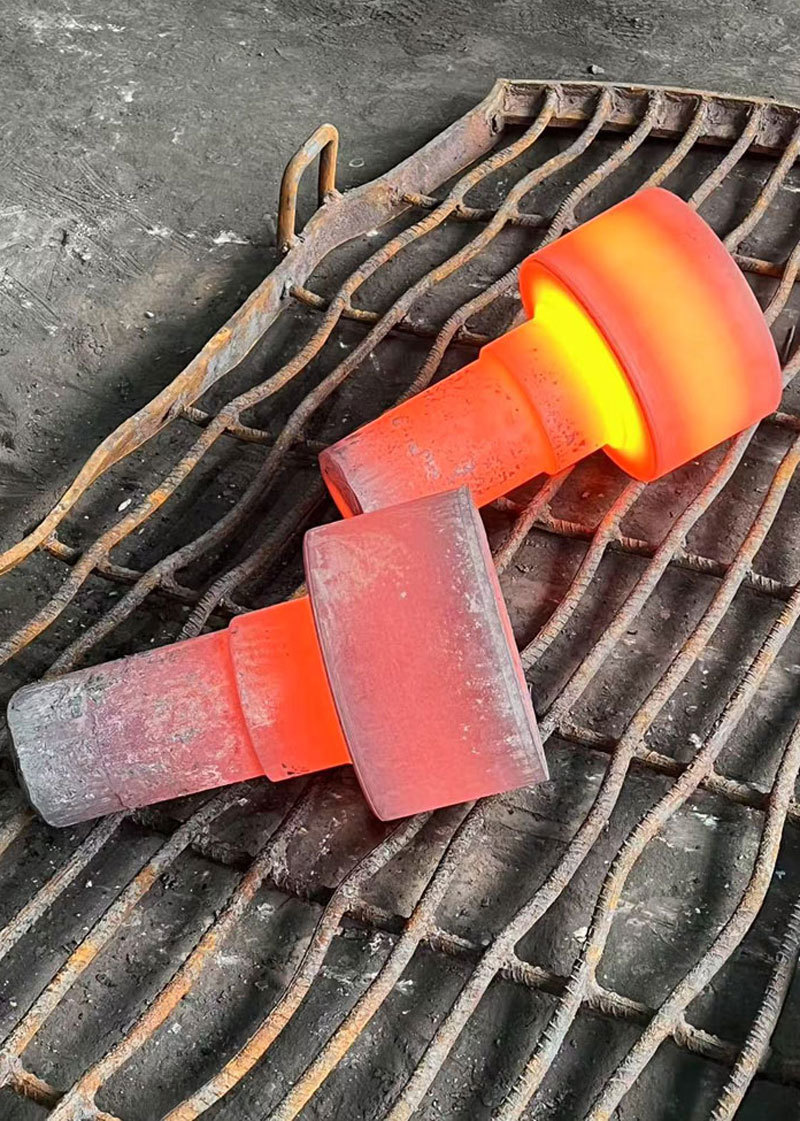
Quality Standards in the Forging of Stainless Steel Products: Ensuring Excellence in Metallurgy
Quality Standards in the Forging of Stainless Steel Products Table of Contents Introduction to Stainless Steel Forging The Importance of Quality Standards in Forging Types of Stainless Steel Used in Forging Common Forging Processes in Stainless Steel Manufacturing Quality Assurance Methodologies in Stainless Steel Forging Testing and Certification of Stainless Steel Products Global
Understanding Non-Standard Flanges: A Key Component in Architectural Applications
Non-standard flanges are specialized components that deviate from conventional sizing and design specifications. Unlike standard flanges, which adhere to established dimensions and pressure ratings, non-standard flanges are custom-made to meet unique project requirements. These flanges are crucial in various architectural and construction applications, particularly when dealing with unconventional
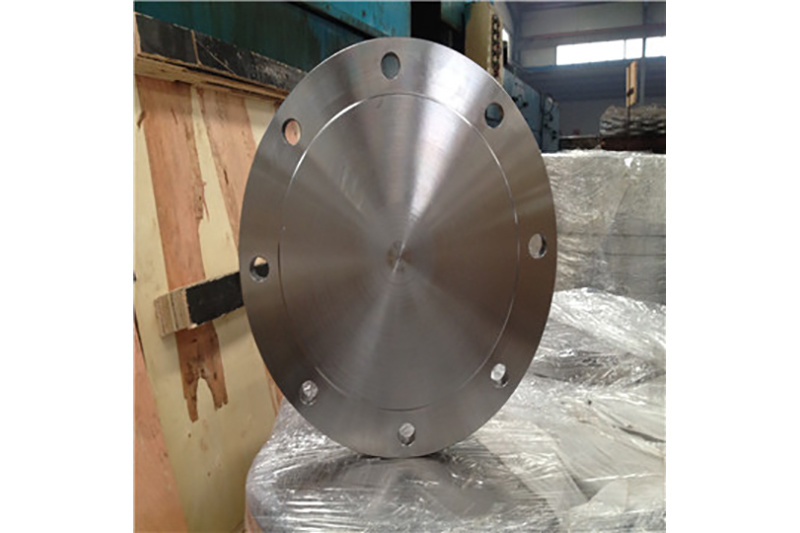
The Importance of Quality Control for Japanese Standard Flanges: Ensuring Durability and Reliability
The Importance of Quality Control for Japanese Standard Flanges In the construction and manufacturing sectors, the significance of quality control cannot be overstated, especially for components as crucial as flanges. Japanese standard flanges, known for their precision and durability, require stringent quality control measures to meet the demands of various applications. This article delves into
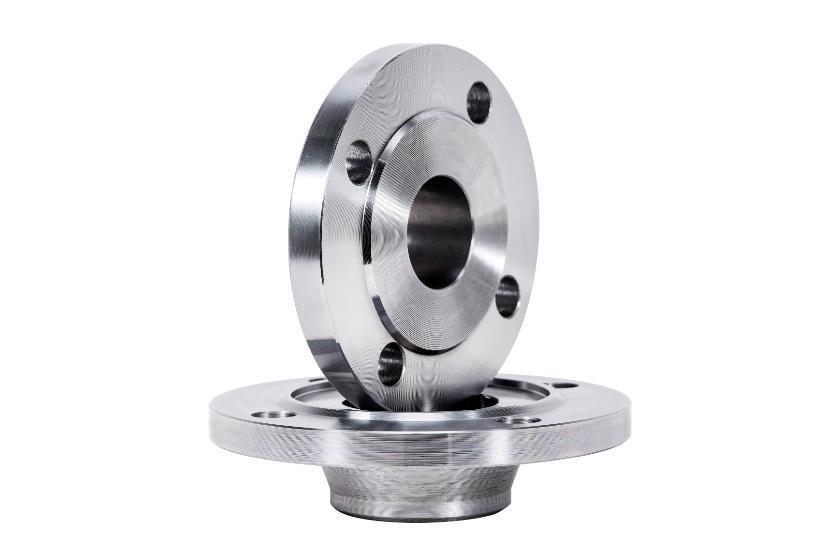
Understanding American Standard Flange in Construction and Decoration Materials
American standard flanges are critical components in the field of construction and decorative materials, particularly in piping systems. These flanges adhere to specific standards established by organizations such as the American National Standards Institute (ANSI) and the American Society of Mechanical Engineers (ASME). Their design and specifications are essential for ensuring compatibility and
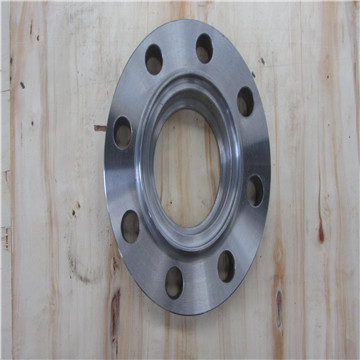
Exploring the Advantages of Using Threaded Flanges in HVAC Systems
Exploring the Advantages of Using Threaded Flanges in HVAC Systems Table of Contents 1. Introduction to Threaded Flanges in HVAC 2. Understanding Threaded Flanges 3. Benefits of Using Threaded Flanges in HVAC Systems 3.1 Superior Sealing Capability 3.2 Ease of Installation and Maintenance 3.3 Cost-Effectiveness 3.4 Versatility i

The Essential Guide to Flanged Connections in Building and Decorative Materials
Flanged connections are vital components in the construction and decorative materials sector, especially in the context of piping systems and fittings. Understanding their function, design, and application can significantly enhance the efficiency and reliability of installations. A flanged connection involves two flanges, which are flat pieces of material with holes for bolts. These flanges are bo
Shandong Xinhao Forging Co.,Ltd.
Tel:+86-15098858482
WeChat: 543983004
Email:xinhaoflange@gmail.com
Whatsapp:8615098858482
Website:www.xhflange.com

TikTok