

Standards and requirements for carbon steel flanges!
Release time:
2021-09-15
Shandong Ruiye Flange Co., Ltd. specializes in carbon steel flanges and magnesium-aluminum alloy flanges, automotive aluminum alloy flanges, marine flanges, flange nets, aluminum alloy flanges, export flanges, chemical flanges, etc., mainly used for pipeline connections. They are also widely used in industries such as aerospace, military, high-speed rail, shipping, electricity, and automobiles.
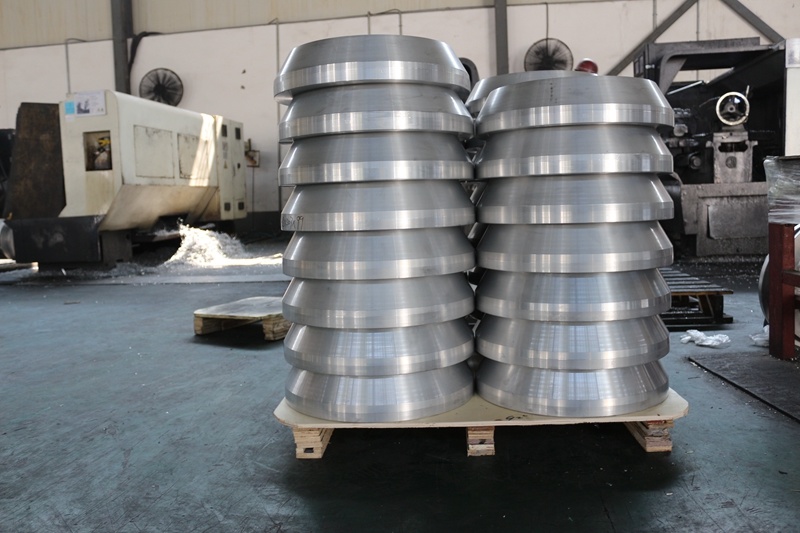
Shandong Ruiye Flange Co., Ltd.'s main products are carbon steel flange plates and magnesium-aluminum alloy flange plates, automotive aluminum alloy flange plates, marine flanges, flange nets, aluminum alloy flange plates, export flanges, chemical flanges, etc., mainly used for pipeline connections. They are also widely used in aerospace, military industry, high-speed rail, shipping, electricity, automotive, and other industries.
Carbon steel flanges are produced according to the size, tolerance range, and other requirements of national standards, distinguished from flanges produced without standard sizes, also known as secondary standard flanges (it is incorrect to call them non-standard flanges). Usually, some unscrupulous merchants will reduce the thickness and outer diameter of the flange plate to save materials, and some will use scrap steel or leftover steel materials to process flanges.
Typically, this type of steel is waste material that does not meet the chemical composition and mechanical performance standards. Even worse, some use privately smelted steel from black steel mills to produce flanges. The smelting technology used for this privately smelted steel is outdated and cannot guarantee mechanical performance and welding performance. When used, it may not be able to weld with steel pipes, or the steel itself may have cracks, pores, etc., which can lead to water leakage after welding. Therefore, when purchasing flange plates, it is advisable to choose carbon steel flanges.
Shandong Ruiye Flange Co., Ltd.'s main products are carbon steel flange plates and magnesium-aluminum alloy flange plates, automotive aluminum alloy flange plates, marine flanges, flange nets, aluminum alloy flange plates, export flanges, chemical flanges, etc., mainly used for pipeline connections. They are also widely used in aerospace, military industry, high-speed rail, shipping, electricity, automotive, and other industries.
Latest developments
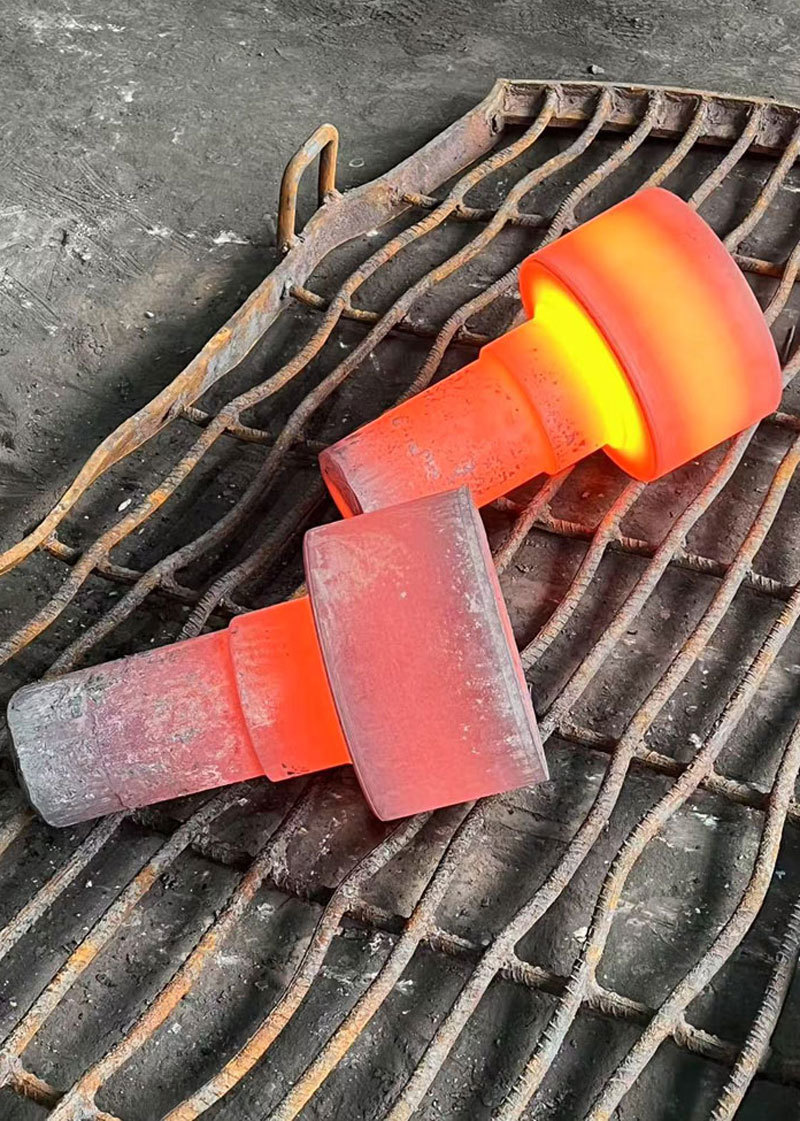
Quality Standards in the Forging of Stainless Steel Products: Ensuring Excellence in Metallurgy
Quality Standards in the Forging of Stainless Steel Products Table of Contents Introduction to Stainless Steel Forging The Importance of Quality Standards in Forging Types of Stainless Steel Used in Forging Common Forging Processes in Stainless Steel Manufacturing Quality Assurance Methodologies in Stainless Steel Forging Testing and Certification of Stainless Steel Products Global
Understanding Non-Standard Flanges: A Key Component in Architectural Applications
Non-standard flanges are specialized components that deviate from conventional sizing and design specifications. Unlike standard flanges, which adhere to established dimensions and pressure ratings, non-standard flanges are custom-made to meet unique project requirements. These flanges are crucial in various architectural and construction applications, particularly when dealing with unconventional
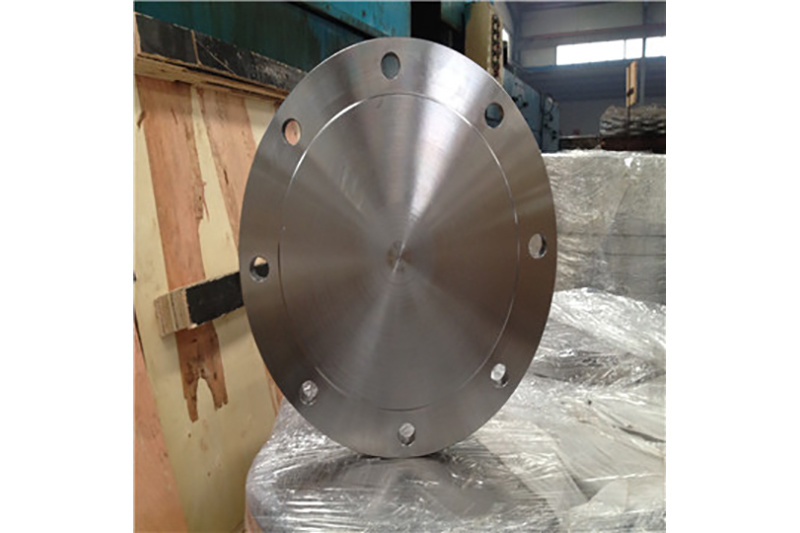
The Importance of Quality Control for Japanese Standard Flanges: Ensuring Durability and Reliability
The Importance of Quality Control for Japanese Standard Flanges In the construction and manufacturing sectors, the significance of quality control cannot be overstated, especially for components as crucial as flanges. Japanese standard flanges, known for their precision and durability, require stringent quality control measures to meet the demands of various applications. This article delves into
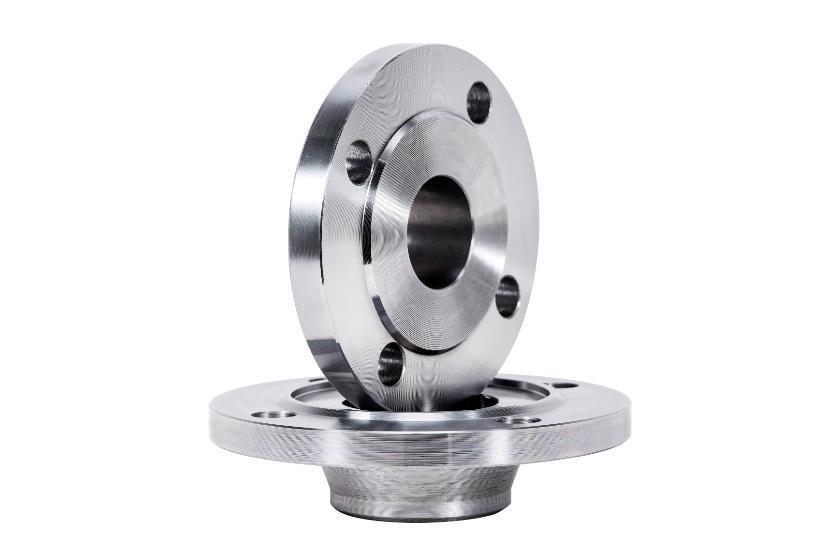
Understanding American Standard Flange in Construction and Decoration Materials
American standard flanges are critical components in the field of construction and decorative materials, particularly in piping systems. These flanges adhere to specific standards established by organizations such as the American National Standards Institute (ANSI) and the American Society of Mechanical Engineers (ASME). Their design and specifications are essential for ensuring compatibility and
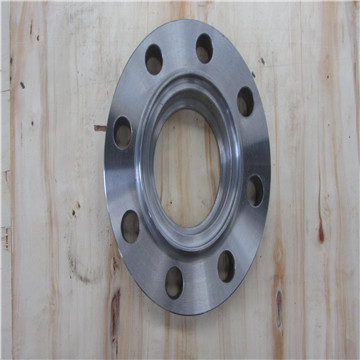
Exploring the Advantages of Using Threaded Flanges in HVAC Systems
Exploring the Advantages of Using Threaded Flanges in HVAC Systems Table of Contents 1. Introduction to Threaded Flanges in HVAC 2. Understanding Threaded Flanges 3. Benefits of Using Threaded Flanges in HVAC Systems 3.1 Superior Sealing Capability 3.2 Ease of Installation and Maintenance 3.3 Cost-Effectiveness 3.4 Versatility i

The Essential Guide to Flanged Connections in Building and Decorative Materials
Flanged connections are vital components in the construction and decorative materials sector, especially in the context of piping systems and fittings. Understanding their function, design, and application can significantly enhance the efficiency and reliability of installations. A flanged connection involves two flanges, which are flat pieces of material with holes for bolts. These flanges are bo
Shandong Xinhao Forging Co.,Ltd.
Tel:+86-15098858482
WeChat: 543983004
Email:xinhaoflange@gmail.com
Whatsapp:8615098858482
Website:www.xhflange.com

TikTok