


Why Threaded Flanges Are Revolutionizing Modern Architectural Designs
Release time:
2025-04-17
Introduction to Threaded Flanges in Modern Architecture In the ever-evolving world of construction, **architectural design** has seen a remarkable transformation. Among the essential components that facilitate this change are threaded flanges. These fittings play a crucial role in connecting pipes and other parts of a structure, making them indispensable in both utility and aesthetics. This arti
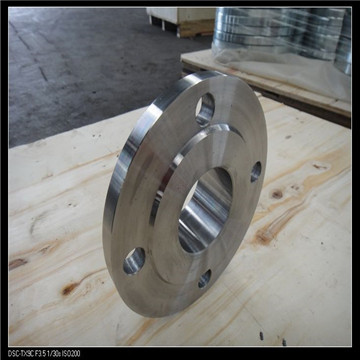
Introduction to Threaded Flanges in Modern Architecture
In the ever-evolving world of construction, **architectural design** has seen a remarkable transformation. Among the essential components that facilitate this change are threaded flanges. These fittings play a crucial role in connecting pipes and other parts of a structure, making them indispensable in both utility and aesthetics. This article explores why threaded flanges have garnered popularity in modern architectural designs, highlighting their advantages, applications, and impact on the industry.
Understanding Threaded Flanges: A Comprehensive Overview
Threaded flanges are circular plates with a hole in the center, designed to connect pipes or other components. They feature internal threads that allow them to be screwed onto a pipe, providing a tight seal without the need for welding. This unique characteristic makes them particularly valuable in various architectural applications.
The Structure and Design of Threaded Flanges
Threaded flanges are typically made from materials such as **stainless steel**, **carbon steel**, or **alloys**, which ensure durability and resistance to environmental factors. Their design often includes various shapes—such as **slip-on**, **weld-neck**, and **blind flanges**—to cater to specific structural requirements.
Key Features of Threaded Flanges
- **Ease of Installation**: Threaded flanges are user-friendly, enabling quick and efficient assembly without specialized tools.
- **Versatility**: Suitable for various applications, from plumbing and HVAC systems to intricate architectural designs.
- **Cost-Effectiveness**: Their installation process reduces labor costs, making them a budget-friendly option for architects and builders.
- **Leak Prevention**: The threaded connection provides a secure seal, minimizing the risk of leaks compared to traditional methods.
Why Architects Prefer Threaded Flanges in Modern Designs
The architectural community has increasingly embraced threaded flanges for their unique benefits and versatility. Here are several reasons why they are a popular choice.
1. Structural Integrity and Safety
Safety is paramount in any construction project. Threaded flanges provide robust connections that can withstand significant pressure and environmental stressors. Their ability to maintain structural integrity under extreme conditions makes them a preferred option for architects focused on safety and durability.
2. Aesthetic Appeal in Architectural Design
Beyond functionality, aesthetics play a vital role in architectural design. Threaded flanges can be finished in various styles and coatings, allowing architects to incorporate them into the visual aspects of a building seamlessly. This flexibility enables designers to combine industrial elements with modern architecture, creating unique and appealing structures.
3. Adaptability to Various Environments
Modern architecture often requires materials that can adapt to different environmental conditions. Threaded flanges are available in corrosion-resistant materials, making them suitable for both indoor and outdoor use. Their ability to perform well in diverse climates adds to their appeal among architects.
4. Ease of Maintenance and Replacement
One of the significant advantages of threaded flanges is their ease of replacement. Should a flange wear out or become damaged, it can be easily unscrewed and replaced without significant downtime or labor costs. This feature is particularly advantageous for large commercial projects where maintenance efficiency is critical.
Applications of Threaded Flanges in Architectural Projects
Threaded flanges find numerous applications across various sectors in modern architecture. Their versatility makes them suitable for various projects, including residential, commercial, and industrial buildings.
1. Plumbing Systems
Threaded flanges are extensively used in plumbing systems, ensuring secure connections between pipes. They facilitate easy assembly and disassembly, which is essential for maintenance tasks.
2. HVAC Systems
In heating, ventilation, and air conditioning (HVAC) systems, threaded flanges are crucial for connecting ductwork and ensuring optimal airflow. Their reliability minimizes leaks, enhancing overall system efficiency.
3. Structural Components
Architects utilize threaded flanges to connect various structural elements, such as beams and columns. Their strength and reliability contribute to the overall stability of the building.
4. Decorative Elements in Modern Design
In contemporary architecture, threaded flanges are often used as decorative features. Their industrial look can complement various design styles, making them an attractive choice for creative architects.
The Future of Threaded Flanges in Architectural Innovations
As architectural trends continue to evolve, threaded flanges are likely to play a significant role in future innovations. Their adaptability, aesthetic appeal, and cost-effectiveness position them as a go-to choice for architects seeking modern solutions.
1. Integration with Smart Technologies
With the rise of smart buildings, threaded flanges may evolve to integrate with advanced technologies. Innovations may include sensors that monitor pressure and flow, providing valuable data for maintenance and efficiency.
2. Sustainable Materials
Future designs may see threaded flanges made from sustainable or recycled materials, aligning with the growing emphasis on eco-friendly construction practices. This shift will enhance their appeal among environmentally conscious architects.
3. Customization Options
As design preferences diversify, manufacturers may offer more customization options for threaded flanges, allowing architects to tailor their designs to specific project requirements while maintaining functionality.
Common Challenges and Solutions in Using Threaded Flanges
While threaded flanges offer numerous advantages, some challenges may arise during their application in architectural projects.
1. Misalignment Issues
Misalignment during installation can lead to leaks or structural weaknesses. Ensuring precise measurements and using proper tools can mitigate this risk.
2. Material Selection
Choosing the right material for threaded flanges is crucial. Architects must consider factors like corrosion resistance and strength to ensure longevity and safety.
3. Vibration and Pressure Concerns
In high-pressure systems, vibrations may loosen threaded connections over time. Utilizing thread sealants or locking mechanisms can enhance connection security.
FAQs About Threaded Flanges in Architectural Designs
1. What are the main advantages of using threaded flanges in architecture?
Threaded flanges offer benefits like ease of installation, structural integrity, aesthetic appeal, and cost-effectiveness, making them a preferred choice for many architects.
2. Can threaded flanges be used in outdoor applications?
Yes, threaded flanges are suitable for outdoor applications, especially when made from corrosion-resistant materials.
3. How do I ensure a proper seal with threaded flanges?
Using thread sealants and ensuring precise alignment during installation can help achieve a secure and leak-proof connection.
4. Are there limitations to using threaded flanges?
While threaded flanges are versatile, they may not be suitable for high-pressure applications without additional reinforcement.
5. Can threaded flanges be customized for specific designs?
Yes, many manufacturers provide customization options to suit specific architectural requirements and aesthetic preferences.
Conclusion
Threaded flanges have become a cornerstone in modern architectural designs, thanks to their unique combination of functionality, aesthetics, and adaptability. As the construction industry continues to evolve, the demand for innovative solutions like threaded flanges will grow. Their role in enhancing structural integrity and offering aesthetic versatility positions them as a favored choice for architects and builders. By understanding their benefits and applications, professionals in the architectural field can leverage threaded flanges to create safe, efficient, and visually appealing designs, ensuring their projects stand the test of time.
Latest developments
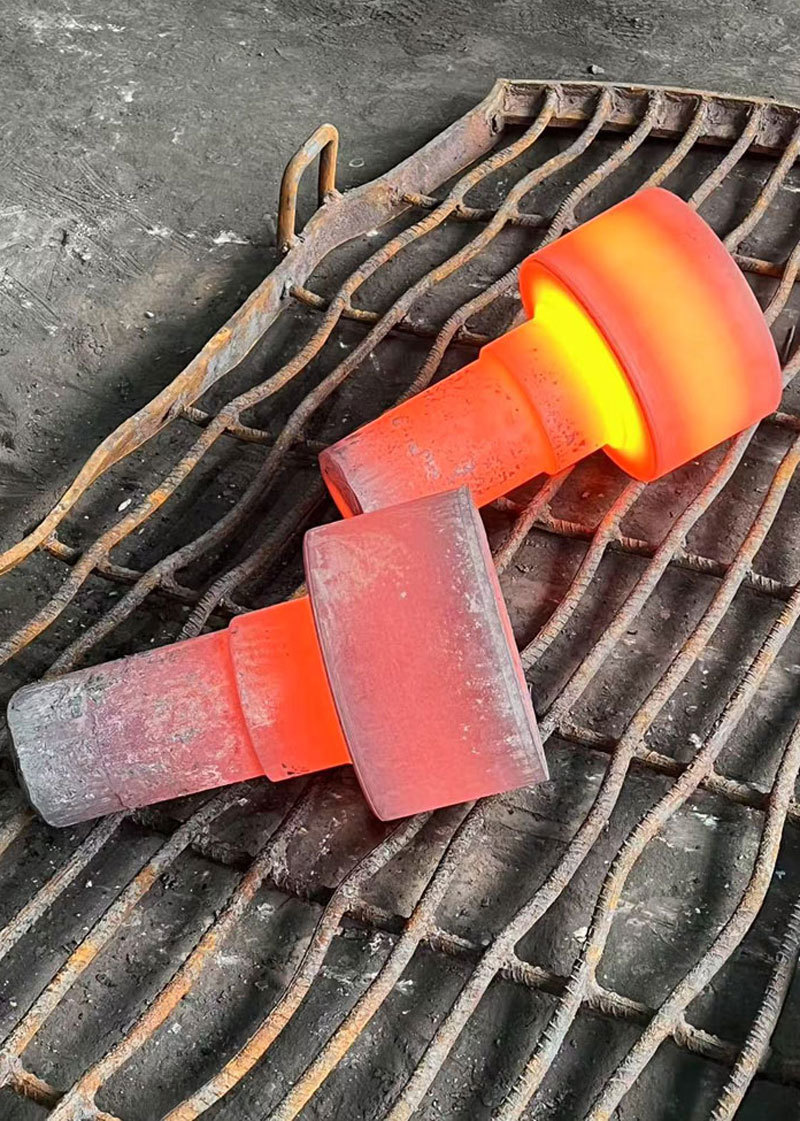
Quality Standards in the Forging of Stainless Steel Products: Ensuring Excellence in Metallurgy
Quality Standards in the Forging of Stainless Steel Products Table of Contents Introduction to Stainless Steel Forging The Importance of Quality Standards in Forging Types of Stainless Steel Used in Forging Common Forging Processes in Stainless Steel Manufacturing Quality Assurance Methodologies in Stainless Steel Forging Testing and Certification of Stainless Steel Products Global
Understanding Non-Standard Flanges: A Key Component in Architectural Applications
Non-standard flanges are specialized components that deviate from conventional sizing and design specifications. Unlike standard flanges, which adhere to established dimensions and pressure ratings, non-standard flanges are custom-made to meet unique project requirements. These flanges are crucial in various architectural and construction applications, particularly when dealing with unconventional
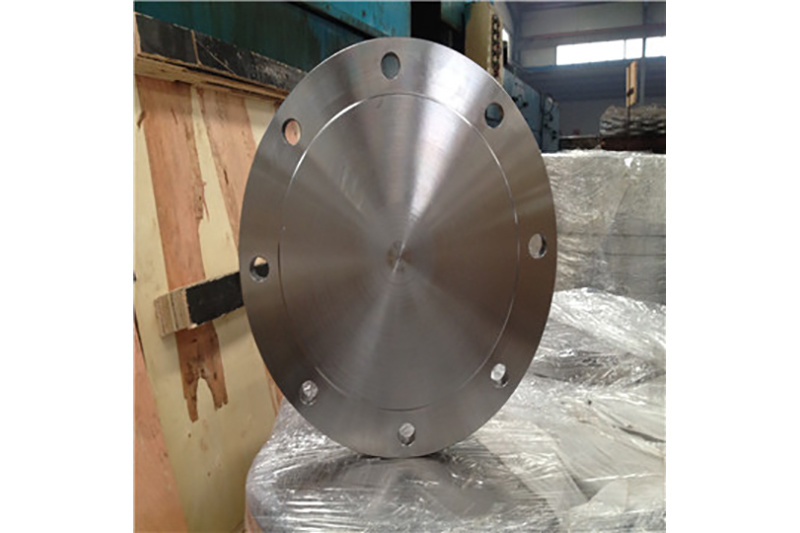
The Importance of Quality Control for Japanese Standard Flanges: Ensuring Durability and Reliability
The Importance of Quality Control for Japanese Standard Flanges In the construction and manufacturing sectors, the significance of quality control cannot be overstated, especially for components as crucial as flanges. Japanese standard flanges, known for their precision and durability, require stringent quality control measures to meet the demands of various applications. This article delves into
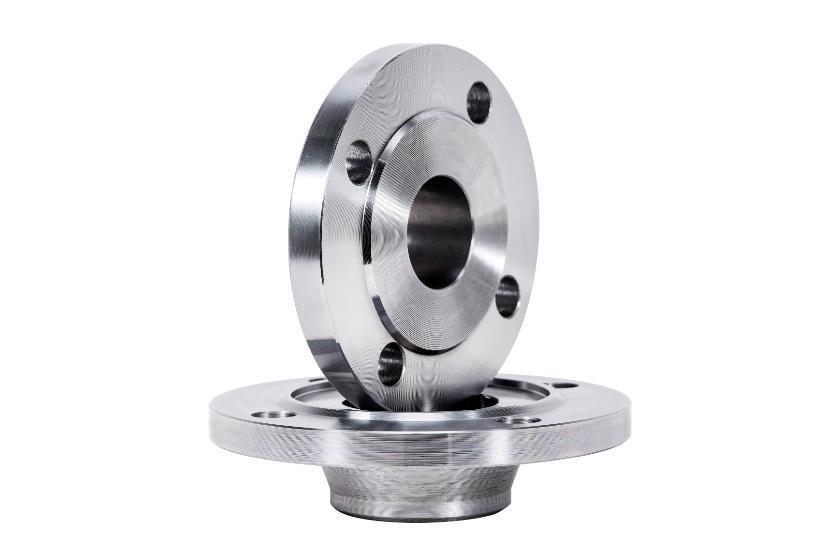
Understanding American Standard Flange in Construction and Decoration Materials
American standard flanges are critical components in the field of construction and decorative materials, particularly in piping systems. These flanges adhere to specific standards established by organizations such as the American National Standards Institute (ANSI) and the American Society of Mechanical Engineers (ASME). Their design and specifications are essential for ensuring compatibility and
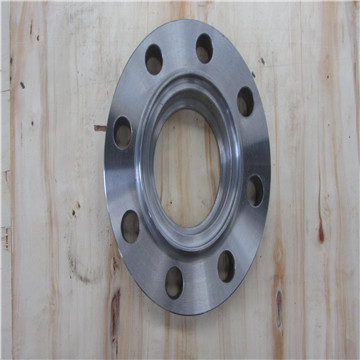
Exploring the Advantages of Using Threaded Flanges in HVAC Systems
Exploring the Advantages of Using Threaded Flanges in HVAC Systems Table of Contents 1. Introduction to Threaded Flanges in HVAC 2. Understanding Threaded Flanges 3. Benefits of Using Threaded Flanges in HVAC Systems 3.1 Superior Sealing Capability 3.2 Ease of Installation and Maintenance 3.3 Cost-Effectiveness 3.4 Versatility i

The Essential Guide to Flanged Connections in Building and Decorative Materials
Flanged connections are vital components in the construction and decorative materials sector, especially in the context of piping systems and fittings. Understanding their function, design, and application can significantly enhance the efficiency and reliability of installations. A flanged connection involves two flanges, which are flat pieces of material with holes for bolts. These flanges are bo
Shandong Xinhao Forging Co.,Ltd.
Tel:+86-15098858482
WeChat: 543983004
Email:xinhaoflange@gmail.com
Whatsapp:8615098858482
Website:www.xhflange.com

TikTok