

Understanding American Standard Flanges: A Comprehensive Guide for Professionals
Release time:
2025-04-18
--- American Standard flanges are integral components used in construction and decorative materials, particularly within piping systems. These flanges serve as critical connection points that facilitate the joining of pipes, valves, pumps, and other equipment. Understanding the specifications, types, and applications of American Standard flanges can significantly enhance the efficiency and reliabi

American Standard flanges are integral components used in construction and decorative materials, particularly within piping systems. These flanges serve as critical connection points that facilitate the joining of pipes, valves, pumps, and other equipment. Understanding the specifications, types, and applications of American Standard flanges can significantly enhance the efficiency and reliability of any piping system.
**Specifications of American Standard Flanges**
American Standard flanges are generally manufactured according to strict adherence to dimensional standards set by organizations like the American National Standards Institute (ANSI) and the American Society of Mechanical Engineers (ASME). The most common types of American Standard flanges include weld neck, slip-on, blind, and threaded flanges. Each type has unique characteristics suited to specific applications. For instance, weld neck flanges are ideal for high-pressure situations due to their ability to distribute stress evenly, while slip-on flanges are often used in lower-pressure applications due to their ease of installation.
**Applications in Construction and Decorative Industries**
These flanges are used extensively in various sectors, including water treatment, chemical processing, oil and gas, and HVAC systems. In construction, American Standard flanges are vital for creating secure connections within piping systems, ensuring that they can withstand pressure and temperature fluctuations. Additionally, in the decorative materials sector, these flanges can contribute to the aesthetic appeal of exposed piping in industrial-chic designs, combining functionality with style.
**Benefits of Using American Standard Flanges**
One of the primary benefits of American Standard flanges is their compatibility with a wide range of materials, including carbon steel, stainless steel, and alloy materials. This versatility allows engineers and designers to select the appropriate flange type and material based on specific project requirements, enhancing both safety and performance. Moreover, the standardized dimensions simplify the procurement process, enabling quicker project timelines and reducing the likelihood of installation errors.
In terms of maintenance, American Standard flanges are designed for longevity. Regular inspection and appropriate sealing practices can prevent leaks and ensure the integrity of the piping system. The ability to replace individual flanges rather than entire sections of piping also contributes to cost-effectiveness and ease of maintenance.
In conclusion, American Standard flanges are vital elements in the construction and decorative materials industry. Their proper understanding and application can lead to improved project outcomes, enhanced safety, and increased efficiency. As professionals navigate the complexities of piping systems, a thorough knowledge of American Standard flanges will serve as a valuable asset in their toolkit, ensuring that they can effectively meet industry standards and client expectations.
Latest developments
Quality Standards in the Forging of Stainless Steel Products: Ensuring Excellence in Metallurgy
Quality Standards in the Forging of Stainless Steel Products Table of Contents Introduction to Stainless Steel Forging The Importance of Quality Standards in Forging Types of Stainless Steel Used in Forging Common Forging Processes in Stainless Steel Manufacturing Quality Assurance Methodologies in Stainless Steel Forging Testing and Certification of Stainless Steel Products Global
Understanding Non-Standard Flanges: A Key Component in Architectural Applications
Non-standard flanges are specialized components that deviate from conventional sizing and design specifications. Unlike standard flanges, which adhere to established dimensions and pressure ratings, non-standard flanges are custom-made to meet unique project requirements. These flanges are crucial in various architectural and construction applications, particularly when dealing with unconventional
The Importance of Quality Control for Japanese Standard Flanges: Ensuring Durability and Reliability
The Importance of Quality Control for Japanese Standard Flanges In the construction and manufacturing sectors, the significance of quality control cannot be overstated, especially for components as crucial as flanges. Japanese standard flanges, known for their precision and durability, require stringent quality control measures to meet the demands of various applications. This article delves into
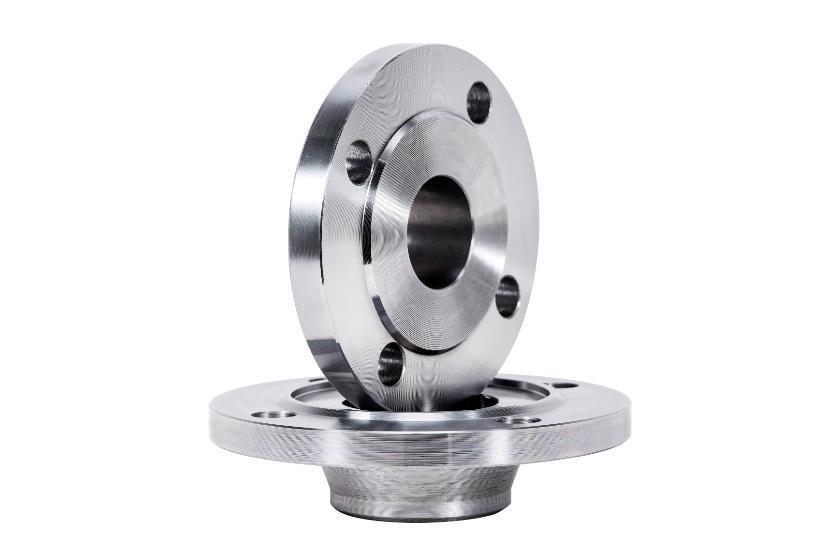
Understanding American Standard Flange in Construction and Decoration Materials
American standard flanges are critical components in the field of construction and decorative materials, particularly in piping systems. These flanges adhere to specific standards established by organizations such as the American National Standards Institute (ANSI) and the American Society of Mechanical Engineers (ASME). Their design and specifications are essential for ensuring compatibility and
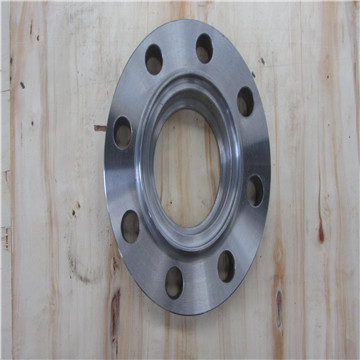
Exploring the Advantages of Using Threaded Flanges in HVAC Systems
Exploring the Advantages of Using Threaded Flanges in HVAC Systems Table of Contents 1. Introduction to Threaded Flanges in HVAC 2. Understanding Threaded Flanges 3. Benefits of Using Threaded Flanges in HVAC Systems 3.1 Superior Sealing Capability 3.2 Ease of Installation and Maintenance 3.3 Cost-Effectiveness 3.4 Versatility i

The Essential Guide to Flanged Connections in Building and Decorative Materials
Flanged connections are vital components in the construction and decorative materials sector, especially in the context of piping systems and fittings. Understanding their function, design, and application can significantly enhance the efficiency and reliability of installations. A flanged connection involves two flanges, which are flat pieces of material with holes for bolts. These flanges are bo
Shandong Xinhao Forging Co.,Ltd.
Tel:+86-15098858482
WeChat: 543983004
Email:xinhaoflange@gmail.com
Whatsapp:8615098858482
Website:www.xhflange.com

TikTok