

Why Japanese Standard Flanges Are Essential for Long-Lasting Piping Systems
Release time:
2025-04-19
Understanding Japanese Standard Flanges: A Key Component in Piping Systems Piping systems are the backbone of many industries, including construction, manufacturing, and chemical processing. The choice of components, particularly flanges, significantly influences the efficiency and longevity of these systems. **Japanese standard flanges** have emerged as a preferred choice due to their exceptional

Understanding Japanese Standard Flanges: A Key Component in Piping Systems
Piping systems are the backbone of many industries, including construction, manufacturing, and chemical processing. The choice of components, particularly flanges, significantly influences the efficiency and longevity of these systems. **Japanese standard flanges** have emerged as a preferred choice due to their exceptional craftsmanship, quality assurance, and performance under pressure. This article delves into the reasons why these flanges are indispensable for creating **durable piping systems**.
What Are Japanese Standard Flanges?
Japanese standard flanges refer to a specific type of flange designed according to Japanese Industrial Standards (JIS). These flanges are known for their precise dimensions, robust materials, and superior performance metrics. They play a critical role in connecting pipes, valves, pumps, and other equipment in piping systems. Understanding their specifications, materials, and applications is essential for making informed decisions about system design and maintenance.
The Importance of Quality in Piping Components
When it comes to piping systems, quality cannot be compromised. The components used directly impact the system's strength, leak resistance, and overall operational efficiency. **Japanese standard flanges** stand out due to rigorous testing and quality control processes. This ensures that they can withstand various environmental conditions and mechanical stresses, making them a reliable choice for industrial applications.
Benefits of Using Japanese Standard Flanges
1. Superior Mechanical Properties
Japanese standard flanges are typically made from high-quality materials such as carbon steel, stainless steel, and alloy steel. These materials offer excellent tensile strength, corrosion resistance, and durability. As a result, they can handle high pressures and temperatures, making them suitable for demanding applications.
2. Precision Engineering
The manufacturing process of Japanese standard flanges involves advanced techniques and strict adherence to tolerances. This precision engineering ensures a perfect fit with other piping components, minimizing the risk of leaks and system failures. Proper alignment and fitting are crucial for maintaining the integrity of piping systems.
3. Versatility in Applications
Japanese standard flanges are versatile and can be used in various industries, including oil and gas, water treatment, and HVAC systems. Their adaptability to different environments and conditions makes them an ideal choice for multiple applications, ensuring that they meet industry-specific requirements.
4. Easy Installation and Maintenance
Installation of Japanese standard flanges is straightforward due to their standardized dimensions. This uniformity allows for faster assembly and disassembly, reducing downtime during maintenance. When repairs or replacements are needed, the availability of standard sizes simplifies the process, enhancing system reliability.
5. Cost-Effectiveness in the Long Run
While the initial investment in Japanese standard flanges may be higher than non-standard alternatives, their durability and reliability yield significant long-term savings. Fewer repairs, lower maintenance costs, and increased system efficiency contribute to overall cost-effectiveness.
How to Choose the Right Japanese Standard Flange
Selecting the right flange for your piping system is crucial. Consider the following factors when making your choice:
1. Material Compatibility
Ensure that the flange material is compatible with the fluid being transported. For corrosive substances, stainless steel flanges may be more suitable, while carbon steel flanges are ideal for less aggressive environments.
2. Pressure and Temperature Ratings
Assess the pressure and temperature requirements of your system. Japanese standard flanges come in various ratings, so it’s essential to choose one that meets or exceeds your operational requirements.
3. Size and Standardization
Select the appropriate size based on your piping system. Japanese standard flanges are available in various diameters and thicknesses, ensuring that you can find the right fit for your installation.
4. Industry Compliance
Verify that the flanges meet the specific standards and regulations applicable to your industry. Adherence to these standards ensures safety and compliance with local laws.
Common Applications of Japanese Standard Flanges
Japanese standard flanges are used in a wide array of applications. Some of the most common include:
1. Oil and Gas Industry
In the oil and gas sector, flanges are essential for connecting pipeline segments, valves, and other equipment. The reliable performance of Japanese standard flanges under extreme conditions makes them a preferred choice for projects involving high pressures.
2. Water Treatment Facilities
In water treatment plants, flanges are used to connect various components of the system. The durability and corrosion resistance of Japanese standard flanges ensure longevity in environments subject to harsh chemicals and fluctuating temperatures.
3. Chemical Processing Plants
Japanese standard flanges are ideal for chemical processing facilities where corrosive materials are transported. Their ability to withstand aggressive conditions makes them indispensable in this industry.
4. HVAC Systems
In heating, ventilation, and air conditioning (HVAC) systems, flanges are used to connect ducts and piping. The reliability of Japanese standard flanges ensures optimal operation and efficiency of HVAC systems.
Maintenance Tips for Piping Systems with Japanese Standard Flanges
To maximize the lifespan and performance of your piping systems, regular maintenance is essential. Here are some tips for maintaining systems with Japanese standard flanges:
1. Regular Inspections
Conduct routine inspections to identify signs of wear, corrosion, or leaks. Early detection of issues can prevent costly repairs and system failures.
2. Proper Installation Techniques
Ensure that flanges are installed correctly, following industry best practices. Misalignment can cause leaks and compromise system integrity.
3. Use of Gaskets
Always use appropriate gaskets when installing flanges. Gaskets provide a tight seal and prevent leaks, enhancing the overall reliability of the piping system.
4. Monitor Operating Conditions
Keep track of pressure and temperature conditions within the system. Any significant changes may indicate underlying issues that need to be addressed promptly.
5. Schedule Maintenance Downtime
Plan for regular maintenance downtime to perform necessary checks and repairs. This proactive approach helps ensure that your piping systems operate smoothly and efficiently.
Frequently Asked Questions (FAQs)
1. What makes Japanese standard flanges superior to others?
Japanese standard flanges are known for their precision manufacturing, high-quality materials, and rigorous testing. This combination results in superior performance, durability, and reliability.
2. Are Japanese standard flanges compliant with international standards?
Yes, Japanese standard flanges adhere to the Japanese Industrial Standards (JIS) and are often designed to meet or exceed international standards, making them globally accepted.
3. Can I use Japanese standard flanges in high-pressure applications?
Absolutely. Many Japanese standard flanges are specifically designed for high-pressure applications, providing reliable performance even in demanding environments.
4. How do I know which flange size to choose?
The flange size should match the diameter of the pipes and components in your system. Always refer to specifications and consult with suppliers to ensure compatibility.
5. What maintenance do Japanese standard flanges require?
Regular inspections, proper installation, and monitoring of operating conditions are essential for maintaining flanges. Using appropriate gaskets and scheduling maintenance downtime also help ensure optimal performance.
Conclusion
In conclusion, **Japanese standard flanges** play a pivotal role in the durability and efficiency of piping systems across various industries. Their superior mechanical properties, precision engineering, and compliance with international standards make them a must-have for any durable piping installation. By choosing the right flanges and adhering to best maintenance practices, industries can ensure the long-term reliability of their piping systems. Investing in quality components like Japanese standard flanges is not just a choice; it's a commitment to operational excellence and safety.
Latest developments
Quality Standards in the Forging of Stainless Steel Products: Ensuring Excellence in Metallurgy
Quality Standards in the Forging of Stainless Steel Products Table of Contents Introduction to Stainless Steel Forging The Importance of Quality Standards in Forging Types of Stainless Steel Used in Forging Common Forging Processes in Stainless Steel Manufacturing Quality Assurance Methodologies in Stainless Steel Forging Testing and Certification of Stainless Steel Products Global
Understanding Non-Standard Flanges: A Key Component in Architectural Applications
Non-standard flanges are specialized components that deviate from conventional sizing and design specifications. Unlike standard flanges, which adhere to established dimensions and pressure ratings, non-standard flanges are custom-made to meet unique project requirements. These flanges are crucial in various architectural and construction applications, particularly when dealing with unconventional
The Importance of Quality Control for Japanese Standard Flanges: Ensuring Durability and Reliability
The Importance of Quality Control for Japanese Standard Flanges In the construction and manufacturing sectors, the significance of quality control cannot be overstated, especially for components as crucial as flanges. Japanese standard flanges, known for their precision and durability, require stringent quality control measures to meet the demands of various applications. This article delves into
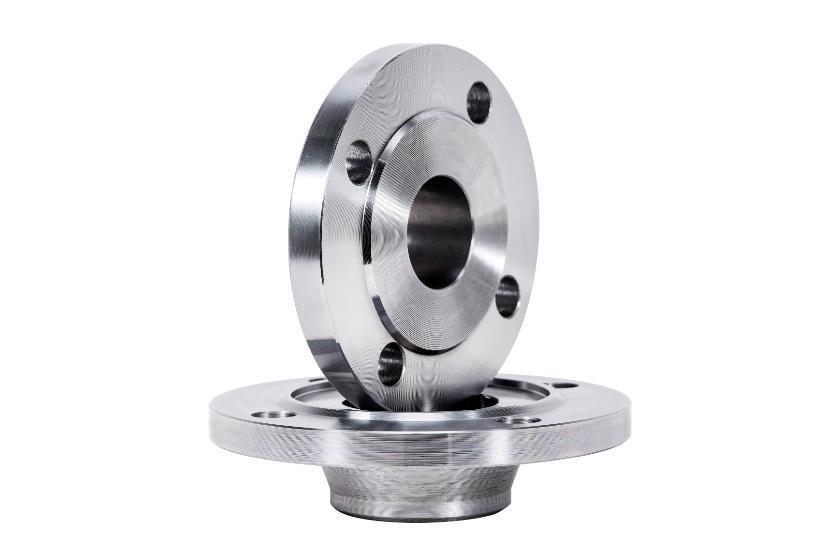
Understanding American Standard Flange in Construction and Decoration Materials
American standard flanges are critical components in the field of construction and decorative materials, particularly in piping systems. These flanges adhere to specific standards established by organizations such as the American National Standards Institute (ANSI) and the American Society of Mechanical Engineers (ASME). Their design and specifications are essential for ensuring compatibility and
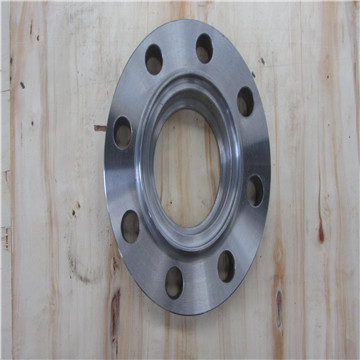
Exploring the Advantages of Using Threaded Flanges in HVAC Systems
Exploring the Advantages of Using Threaded Flanges in HVAC Systems Table of Contents 1. Introduction to Threaded Flanges in HVAC 2. Understanding Threaded Flanges 3. Benefits of Using Threaded Flanges in HVAC Systems 3.1 Superior Sealing Capability 3.2 Ease of Installation and Maintenance 3.3 Cost-Effectiveness 3.4 Versatility i

The Essential Guide to Flanged Connections in Building and Decorative Materials
Flanged connections are vital components in the construction and decorative materials sector, especially in the context of piping systems and fittings. Understanding their function, design, and application can significantly enhance the efficiency and reliability of installations. A flanged connection involves two flanges, which are flat pieces of material with holes for bolts. These flanges are bo
Shandong Xinhao Forging Co.,Ltd.
Tel:+86-15098858482
WeChat: 543983004
Email:xinhaoflange@gmail.com
Whatsapp:8615098858482
Website:www.xhflange.com

TikTok