

Forging vs. Casting: Which Method is Superior for Stainless Steel Production?
Release time:
2025-06-10
Forging vs. Casting: Which Method is Superior for Stainless Steel Production? Table of Contents 1. Introduction to Stainless Steel Production 2. Understanding Forging in Stainless Steel Production 3. Advantages of Forging Stainless Steel 4. Disadvantages of Forging Stainless Steel 5. Understanding Casting in Stainless Steel Production 6. Advantages of Casting Stainless Steel 7. Disa
Forging vs. Casting: Which Method is Superior for Stainless Steel Production?
Table of Contents
- 1. Introduction to Stainless Steel Production
- 2. Understanding Forging in Stainless Steel Production
- 3. Advantages of Forging Stainless Steel
- 4. Disadvantages of Forging Stainless Steel
- 5. Understanding Casting in Stainless Steel Production
- 6. Advantages of Casting Stainless Steel
- 7. Disadvantages of Casting Stainless Steel
- 8. Forging vs. Casting: A Detailed Comparison
- 9. Conclusion: Choosing the Right Method for Your Needs
- 10. Frequently Asked Questions (FAQs)
1. Introduction to Stainless Steel Production
Stainless steel is a versatile material commonly used across various industries, from automotive to aerospace. Its corrosion resistance, strength, and aesthetic appeal make it a popular choice for manufacturers. However, the production process is critical in determining the quality and properties of the final product. Two predominant methods, **forging** and **casting**, play vital roles in shaping stainless steel. In this article, we will delve into these two manufacturing techniques, exploring their respective advantages and disadvantages to help you decide which method is superior for your specific needs.
2. Understanding Forging in Stainless Steel Production
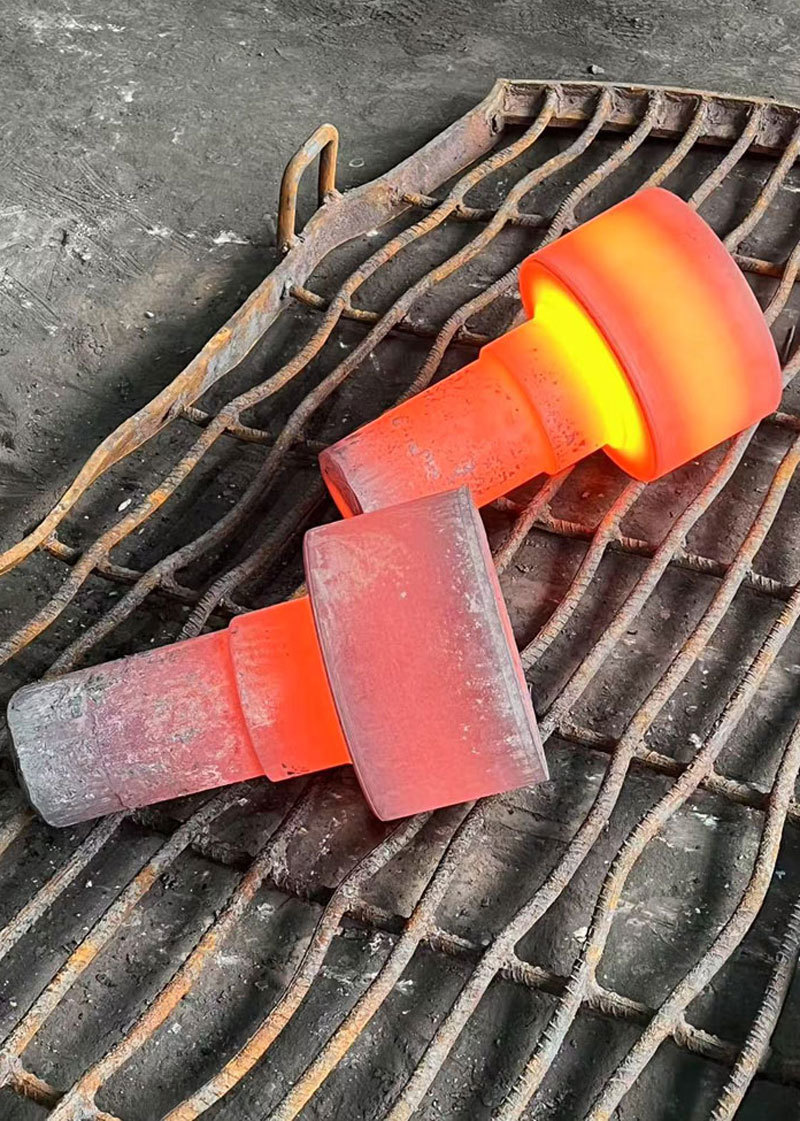
Forging is a manufacturing process that involves shaping metal using localized compressive forces. This method can be performed hot or cold, depending on the desired final properties of the stainless steel. Hot forging typically occurs at elevated temperatures, allowing the metal to deform more easily, whereas cold forging is performed at or near room temperature, leading to greater strength and hardness in the final product.
How Forging Works
The forging process begins with a heated piece of stainless steel, which is then hammered or pressed into the desired shape. This technique aligns the metal's grain structure, enhancing its mechanical properties and overall durability. Forged stainless steel components are known for their strength and resilience, making them suitable for demanding applications.
3. Advantages of Forging Stainless Steel
Forging offers several compelling benefits that make it a preferred choice for many manufacturers:
Enhanced Strength and Durability
Forged stainless steel components possess superior strength compared to cast products. The forging process refines the internal grain structure, resulting in improved toughness and resistance to fatigue, making them ideal for high-stress applications.
Better Dimensional Accuracy
Forging allows for tighter tolerances, reducing the need for extensive machining and ensuring that components fit precisely in their applications.
Improved Surface Finish
The forging process typically results in a smoother surface finish, which can enhance the aesthetic appeal of stainless steel products and reduce the need for additional finishing processes.
Reduced Porosity
Unlike casting, which can trap gases and create voids within the metal, forging eliminates porosity, leading to a more homogeneous material with consistent properties throughout.
4. Disadvantages of Forging Stainless Steel
While forging presents numerous advantages, there are also some drawbacks to consider:
Higher Production Costs
The initial investment in forging equipment and the energy required for heating materials can result in higher costs compared to casting.
Limited Complexity of Shapes
Forging is more suitable for simpler geometric shapes. Complex designs may require multiple forging operations, increasing production time and costs.
Increased Lead Time
The setup and preparation time for forging can be lengthy, which may not align with fast-paced production schedules.
5. Understanding Casting in Stainless Steel Production
Casting is a manufacturing process in which liquid metal is poured into a mold to solidify into a desired shape. Various casting methods exist, including sand casting, investment casting, and die casting, each with unique characteristics and applications.
How Casting Works
In casting, stainless steel is melted and poured into molds that define the shape of the final product. Once cooled, the material solidifies, taking on the mold's shape. This process allows for intricate designs and complex geometries that may be challenging to achieve through forging.
6. Advantages of Casting Stainless Steel
Casting offers distinct advantages that cater to specific manufacturing needs:
Design Flexibility
One of the most significant benefits of casting is its ability to create intricate shapes and designs that would be impractical or impossible to forge. This flexibility allows manufacturers to produce complex components without extensive machining.
Lower Production Costs
Casting typically requires lower initial investments compared to forging, making it a more cost-effective choice for producing large quantities of parts, especially for lower-stress applications.
Shorter Lead Times for Certain Products
The ability to create molds ahead of time can lead to reduced lead times for casting production, especially for large runs of identical parts.
7. Disadvantages of Casting Stainless Steel
Despite its advantages, casting also has drawbacks that may impact its suitability for certain applications:
Weaker Material Properties
Cast stainless steel generally exhibits lower mechanical properties compared to forged materials. The potential for porosity and inclusions can compromise strength and durability.
Surface Finish Challenges
The surface finish of cast products may not be as smooth as forged items, often necessitating additional finishing processes to achieve the desired aesthetic quality.
Longer Cooling Times
The cooling process for cast components can take longer, which may delay production schedules for time-sensitive projects.
8. Forging vs. Casting: A Detailed Comparison
When evaluating forging and casting for stainless steel production, several factors come into play:
Strength and Durability
Forged stainless steel components typically exhibit superior strength and durability, making them suitable for applications that demand high performance. Cast components, while adequate for many uses, may not withstand extreme conditions as effectively.
Complexity of Design
Casting excels in producing intricate and complex shapes, which can significantly reduce machining time. In contrast, forging is better suited for simpler designs but ensures higher strength.
Cost and Production Time
Casting generally incurs lower costs and faster production times for large quantities of parts, while forging may require a more substantial investment but yields stronger components.
Quality Control
Forging tends to offer better quality control due to lesser porosity and inclusions, which can be critical in industries where reliability is paramount, such as aerospace and automotive.
9. Conclusion: Choosing the Right Method for Your Needs
Ultimately, the choice between forging and casting for stainless steel production hinges on several factors, including the specific requirements of your project, desired properties of the final product, and budget constraints. Forging stands out for applications requiring high strength and durability, while casting is advantageous for producing intricate designs at lower costs.
By carefully considering these variables and understanding the strengths and weaknesses of each method, manufacturers can make informed decisions that align with their production goals and ensure the success of their stainless steel products.
10. Frequently Asked Questions (FAQs)
1. What are the key differences between forging and casting?
The primary differences lie in the manufacturing techniques. Forging involves shaping metal using compressive forces, resulting in superior strength and durability. Casting involves pouring liquid metal into molds, allowing for complex shapes but potentially weaker material properties.
2. Which method is more cost-effective for large production runs?
Casting is generally more cost-effective for large production runs due to lower initial investments and reduced lead times. However, the choice should be based on the specific requirements of the parts being produced.
3. Can forged stainless steel components be more aesthetically pleasing than cast ones?
Yes, forged components often have a smoother surface finish and can be more aesthetically pleasing compared to cast items, which may require additional finishing processes.
4. Are there any industries where forging is preferred over casting?
Yes, industries such as aerospace, automotive, and oil and gas often prefer forging due to the high strength and durability required for critical applications.
5. How do I decide which method is best for my project?
Consider factors such as the required strength and durability of the final product, design complexity, budget constraints, and production timelines to determine which method aligns best with your project's needs.
Latest developments
Quality Standards in the Forging of Stainless Steel Products: Ensuring Excellence in Metallurgy
Quality Standards in the Forging of Stainless Steel Products Table of Contents Introduction to Stainless Steel Forging The Importance of Quality Standards in Forging Types of Stainless Steel Used in Forging Common Forging Processes in Stainless Steel Manufacturing Quality Assurance Methodologies in Stainless Steel Forging Testing and Certification of Stainless Steel Products Global
Understanding Non-Standard Flanges: A Key Component in Architectural Applications
Non-standard flanges are specialized components that deviate from conventional sizing and design specifications. Unlike standard flanges, which adhere to established dimensions and pressure ratings, non-standard flanges are custom-made to meet unique project requirements. These flanges are crucial in various architectural and construction applications, particularly when dealing with unconventional
The Importance of Quality Control for Japanese Standard Flanges: Ensuring Durability and Reliability
The Importance of Quality Control for Japanese Standard Flanges In the construction and manufacturing sectors, the significance of quality control cannot be overstated, especially for components as crucial as flanges. Japanese standard flanges, known for their precision and durability, require stringent quality control measures to meet the demands of various applications. This article delves into
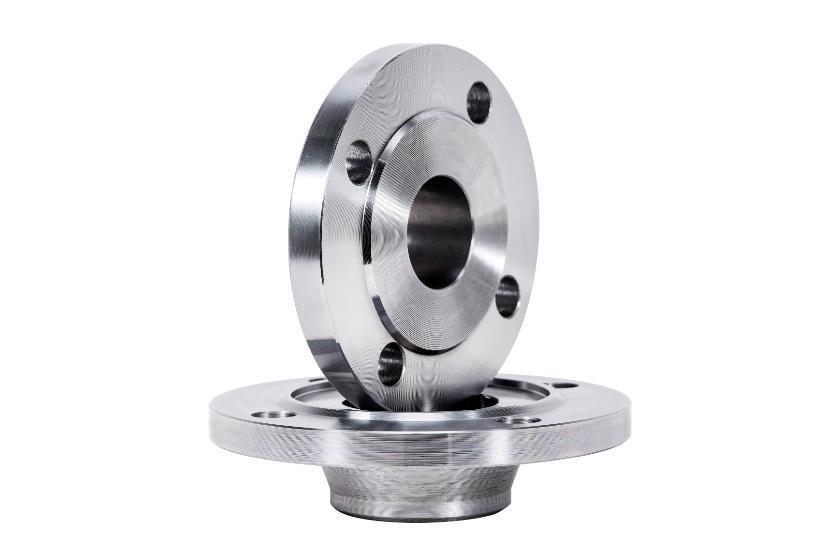
Understanding American Standard Flange in Construction and Decoration Materials
American standard flanges are critical components in the field of construction and decorative materials, particularly in piping systems. These flanges adhere to specific standards established by organizations such as the American National Standards Institute (ANSI) and the American Society of Mechanical Engineers (ASME). Their design and specifications are essential for ensuring compatibility and
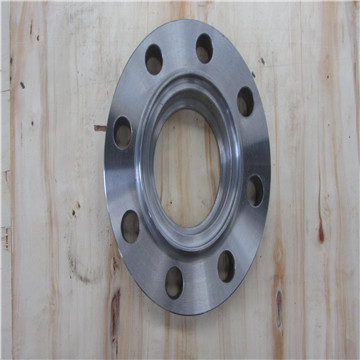
Exploring the Advantages of Using Threaded Flanges in HVAC Systems
Exploring the Advantages of Using Threaded Flanges in HVAC Systems Table of Contents 1. Introduction to Threaded Flanges in HVAC 2. Understanding Threaded Flanges 3. Benefits of Using Threaded Flanges in HVAC Systems 3.1 Superior Sealing Capability 3.2 Ease of Installation and Maintenance 3.3 Cost-Effectiveness 3.4 Versatility i

The Essential Guide to Flanged Connections in Building and Decorative Materials
Flanged connections are vital components in the construction and decorative materials sector, especially in the context of piping systems and fittings. Understanding their function, design, and application can significantly enhance the efficiency and reliability of installations. A flanged connection involves two flanges, which are flat pieces of material with holes for bolts. These flanges are bo
Shandong Xinhao Forging Co.,Ltd.
Tel:+86-15098858482
WeChat: 543983004
Email:xinhaoflange@gmail.com
Whatsapp:8615098858482
Website:www.xhflange.com

TikTok