

Understanding Forgings in the Steel Industry: Essential Insights for Construction and Decorative Materials
Release time:
2025-06-11
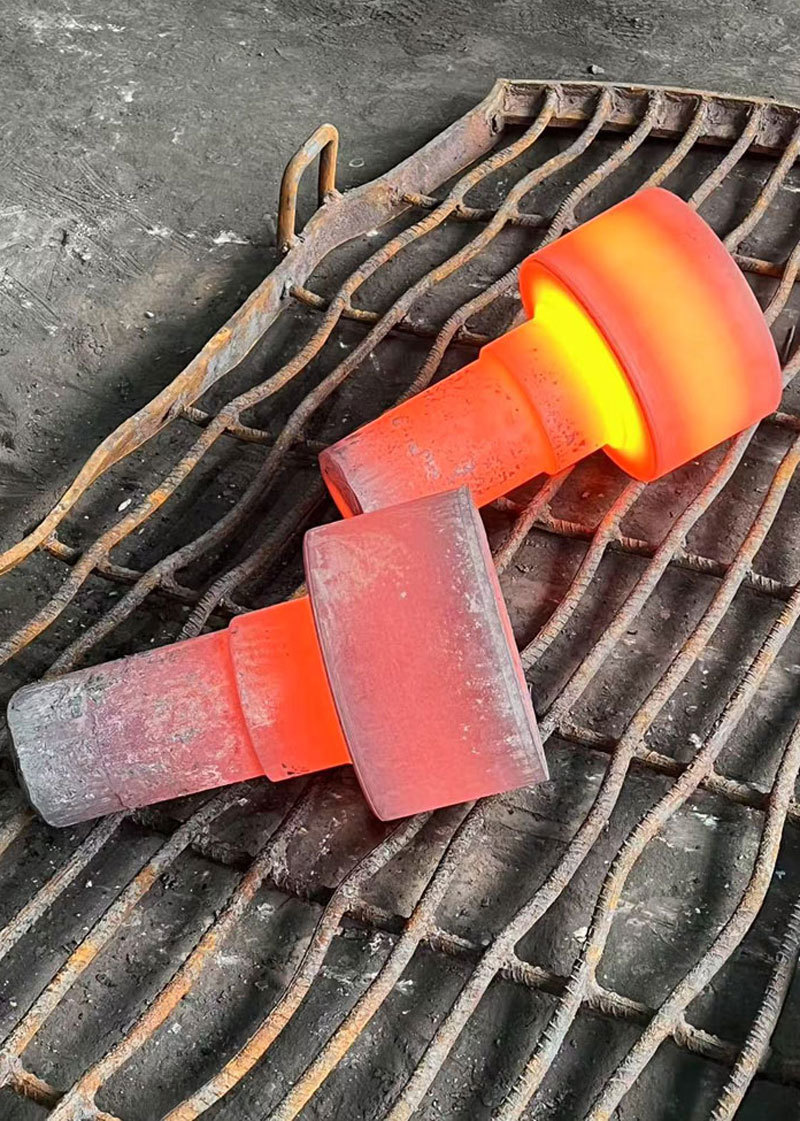
Steel industries forgings play a vital role in the production of high-quality components essential for various applications in construction and decorative materials. Forging is a manufacturing process that involves shaping metal through compressive forces, which makes it stronger and more durable than many other forms of steel processing. The process can be conducted at different temperatures; hot
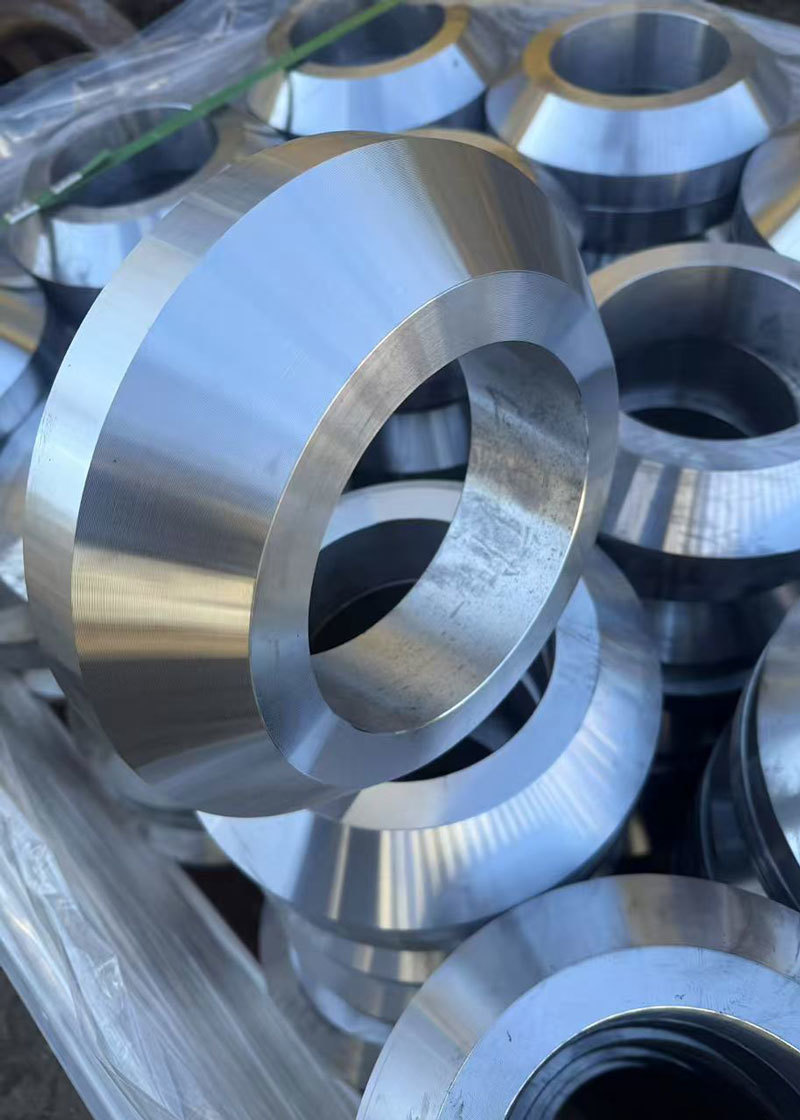
In the construction sector, steel forgings are commonly utilized due to their superior mechanical properties. They provide excellent strength-to-weight ratios, making them ideal for structural components such as beams, columns, and frames. The forging process aligns the grain structure of the steel, enhancing its toughness and resistance to fatigue. This is particularly important in construction where structural integrity is paramount.
Moreover, steel forgings are often used in decorative applications. Items like custom railings, gates, and artistic metalwork benefit from the aesthetic flexibility that forging provides. The process allows for intricate designs that can enhance the visual appeal of a space, making them a favored choice for architects and designers who seek both functionality and beauty in their projects.
One of the significant advantages of steel forgings is their ability to be tailored to specific requirements. Unlike cast components, which can have inherent weaknesses, forgings can be produced to meet stringent specifications while minimizing material waste. This adaptability not only improves overall efficiency but also contributes to sustainability efforts within the steel industry.
Quality control is essential in the forging process. Manufacturers often perform rigorous testing, including tensile tests and impact tests, to ensure that the final products meet industry standards. This commitment to quality is crucial for applications in construction and decorative materials, where safety and durability are non-negotiable.
In conclusion, understanding the significance of steel industries forgings is essential for professionals in the construction and decorative materials sectors. Their strength, versatility, and aesthetic potential make them indispensable in various applications, from structural integrity to artistic design. By considering steel forgings, stakeholders can enhance the quality and durability of their projects, ensuring lasting satisfaction for clients and end-users alike.
Latest developments
Quality Standards in the Forging of Stainless Steel Products: Ensuring Excellence in Metallurgy
Quality Standards in the Forging of Stainless Steel Products Table of Contents Introduction to Stainless Steel Forging The Importance of Quality Standards in Forging Types of Stainless Steel Used in Forging Common Forging Processes in Stainless Steel Manufacturing Quality Assurance Methodologies in Stainless Steel Forging Testing and Certification of Stainless Steel Products Global
Understanding Non-Standard Flanges: A Key Component in Architectural Applications
Non-standard flanges are specialized components that deviate from conventional sizing and design specifications. Unlike standard flanges, which adhere to established dimensions and pressure ratings, non-standard flanges are custom-made to meet unique project requirements. These flanges are crucial in various architectural and construction applications, particularly when dealing with unconventional
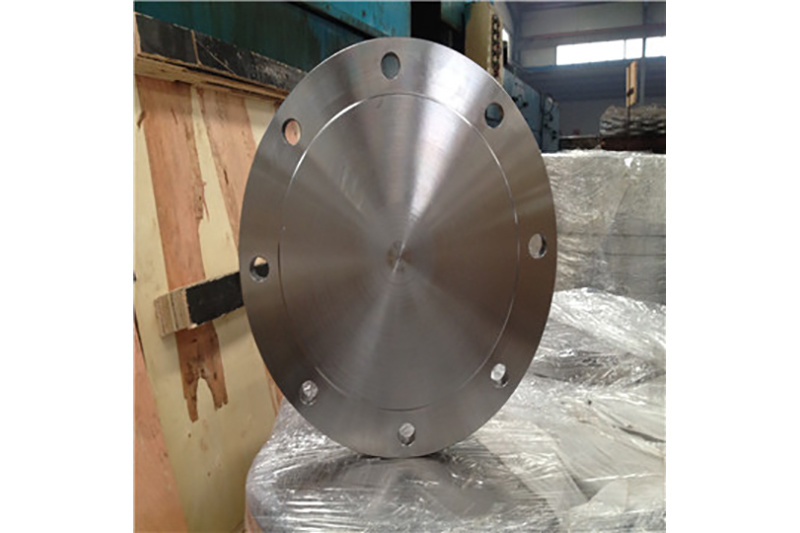
The Importance of Quality Control for Japanese Standard Flanges: Ensuring Durability and Reliability
The Importance of Quality Control for Japanese Standard Flanges In the construction and manufacturing sectors, the significance of quality control cannot be overstated, especially for components as crucial as flanges. Japanese standard flanges, known for their precision and durability, require stringent quality control measures to meet the demands of various applications. This article delves into
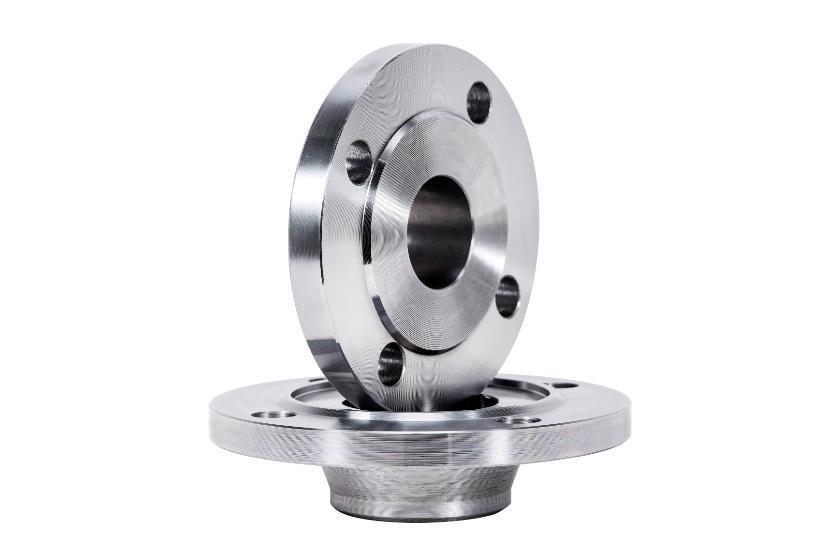
Understanding American Standard Flange in Construction and Decoration Materials
American standard flanges are critical components in the field of construction and decorative materials, particularly in piping systems. These flanges adhere to specific standards established by organizations such as the American National Standards Institute (ANSI) and the American Society of Mechanical Engineers (ASME). Their design and specifications are essential for ensuring compatibility and
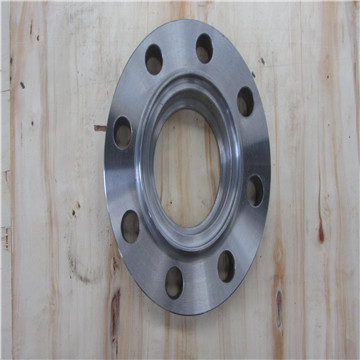
Exploring the Advantages of Using Threaded Flanges in HVAC Systems
Exploring the Advantages of Using Threaded Flanges in HVAC Systems Table of Contents 1. Introduction to Threaded Flanges in HVAC 2. Understanding Threaded Flanges 3. Benefits of Using Threaded Flanges in HVAC Systems 3.1 Superior Sealing Capability 3.2 Ease of Installation and Maintenance 3.3 Cost-Effectiveness 3.4 Versatility i

The Essential Guide to Flanged Connections in Building and Decorative Materials
Flanged connections are vital components in the construction and decorative materials sector, especially in the context of piping systems and fittings. Understanding their function, design, and application can significantly enhance the efficiency and reliability of installations. A flanged connection involves two flanges, which are flat pieces of material with holes for bolts. These flanges are bo
Shandong Xinhao Forging Co.,Ltd.
Tel:+86-15098858482
WeChat: 543983004
Email:xinhaoflange@gmail.com
Whatsapp:8615098858482
Website:www.xhflange.com

TikTok