

Common Mistakes When Using Flat Flanges and How to Avoid Them
Release time:
2025-06-12
Common Mistakes When Using Flat Flanges and How to Avoid Them Flat flanges play a vital role in various industrial applications, especially in construction and plumbing. These components are crucial for connecting pipes, valves, and other equipment, ensuring a leak-proof and secure assembly. However, improper usage can lead to significant issues, such as leaks, equipment failure, and costly repair
Common Mistakes When Using Flat Flanges and How to Avoid Them
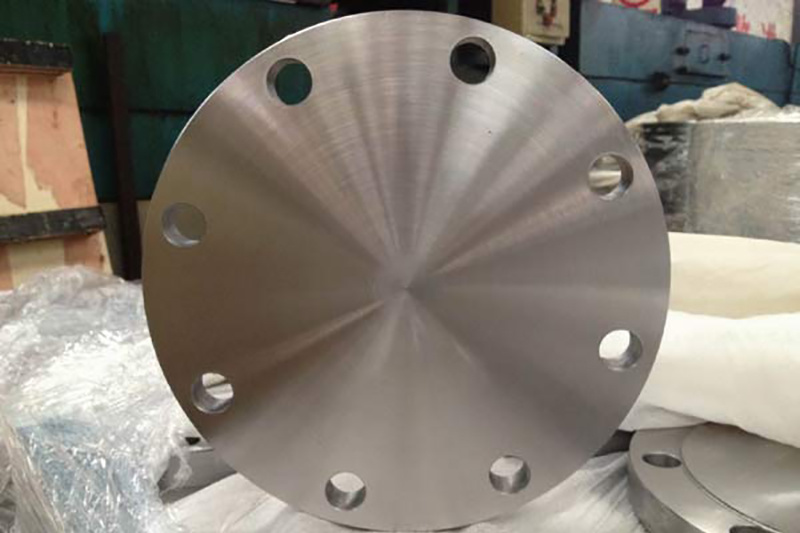
Flat flanges play a vital role in various industrial applications, especially in construction and plumbing. These components are crucial for connecting pipes, valves, and other equipment, ensuring a leak-proof and secure assembly. However, improper usage can lead to significant issues, such as leaks, equipment failure, and costly repairs. In this article, we will delve into common mistakes associated with flat flanges and provide actionable strategies to avoid them.
Table of Contents
1. Understanding Flat Flanges
2. Importance of Proper Installation Techniques
2.1. The Role of Gaskets
2.2. Torque Specifications
3. Material Compatibility and Selection
4. Common Mistakes in Flat Flange Applications
4.1. Inadequate Surface Preparation
4.2. Misalignment Issues
4.3. Over-tightening or Under-tightening Bolts
5. Maintenance Best Practices
6. Troubleshooting Common Problems
7. Frequently Asked Questions (FAQs)
8. Conclusion
1. Understanding Flat Flanges
Flat flanges are mechanical components used to connect various piping systems. They come in different grades, sizes, and materials, making them versatile for numerous applications. Understanding the specifications and functionalities of flat flanges is paramount for successful implementation. These components can handle various pressures and temperatures, contributing to their widespread use in industries such as oil and gas, water treatment, and construction.
2. Importance of Proper Installation Techniques
Correct installation is essential to ensure that flat flanges perform effectively. Any oversight during installation can lead to severe repercussions, including leaks and structural failures.
2.1. The Role of Gaskets
Gaskets are critical in flat flange assemblies. They serve as a sealing mechanism, preventing leaks between the joints. When selecting gaskets, always ensure they are compatible with the fluid being transported and can withstand the operating temperature and pressure.
2.2. Torque Specifications
Following accurate torque specifications is essential. Insufficient torque can lead to joint loosening, while excessive torque can warp the flanges or damage the gaskets. Always consult the manufacturer's guidelines to determine the appropriate torque settings.
3. Material Compatibility and Selection
Choosing the right materials for flat flanges is vital. Different materials have varying properties and applications. For instance, stainless steel flanges are ideal for corrosive environments, while carbon steel flanges are suitable for non-corrosive applications. Always evaluate the working environment and media to select the best material.
4. Common Mistakes in Flat Flange Applications
Numerous errors can occur when working with flat flanges. Recognizing these mistakes can help prevent future complications.
4.1. Inadequate Surface Preparation
One of the most significant mistakes is failing to prepare the surfaces properly. Dirty, uneven, or corroded surfaces can compromise the integrity of the joint. Always clean and inspect the surfaces before installation to ensure a secure seal.
4.2. Misalignment Issues
Flange misalignment is another common problem. Misaligned flanges can lead to uneven pressure distribution, resulting in leaks or even catastrophic failures. Use alignment tools and techniques to ensure the flanges are properly positioned before tightening.
4.3. Over-tightening or Under-tightening Bolts
Improperly torqued bolts can create significant problems. Over-tightening can cause flange deformation, while under-tightening can lead to joint failure due to leaks. Always adhere to the recommended torque values and use a torque wrench for accuracy.
5. Maintenance Best Practices
Regular maintenance is crucial for ensuring the longevity and functionality of flat flanges. Implementing a structured maintenance routine can help identify potential issues before they escalate.
1. **Regular Inspections**: Conduct frequent inspections to check for signs of wear, corrosion, or leaks. Early detection can prevent more significant problems later on.
2. **Cleaning**: Keep the flanges clean and free from debris. Accumulation of dirt can lead to corrosion and affect the joint's integrity.
3. **Re-torquing**: Periodically check the torque on the bolts, especially after initial installation. Vibrations and temperature changes can cause bolts to loosen over time.
6. Troubleshooting Common Problems
Despite following best practices, issues can still arise. Knowing how to troubleshoot common problems can save time and resources.
- **Leakage**: If you notice leaks, first check the torque and surface preparation. If the issue persists, inspect the gasket for damage and replace it if necessary.
- **Corrosion**: In cases of corrosion, evaluate the material compatibility. Consider applying protective coatings or switching to a more suitable material for corrosive environments.
- **Unusual Noises or Vibrations**: These could indicate misalignment or improper tightening. Re-assess the installation and adjust accordingly.
7. Frequently Asked Questions (FAQs)
**Q1: What materials are best for flat flanges?**
A1: Stainless steel and carbon steel are commonly used. The choice depends on the specific application and environmental conditions.
**Q2: How often should flat flanges be inspected?**
A2: Regular inspections should be conducted at least quarterly or more frequently in critical applications.
**Q3: Can I use any gasket with flat flanges?**
A3: No, always select a gasket that is compatible with the fluid being transported and can withstand the operating conditions.
**Q4: What are the signs of flange misalignment?**
A4: Signs include uneven wear, leaks, and unusual vibrations during operation.
**Q5: How can I improve the sealing of flat flanges?**
A5: Proper surface preparation, the correct gasket selection, and accurate torque application are essential for effective sealing.
8. Conclusion
Understanding and avoiding common mistakes when using flat flanges is essential for ensuring safe and effective operations. By focusing on proper installation techniques, selecting the right materials, and adhering to maintenance best practices, users can enhance the longevity and performance of their flange connections. Implementing the strategies outlined in this article will help prevent costly errors and ensure the integrity of your piping systems. By remaining vigilant and proactive, we can avoid the pitfalls commonly associated with flat flanges, ultimately achieving success in our construction and plumbing projects.
Latest developments
Quality Standards in the Forging of Stainless Steel Products: Ensuring Excellence in Metallurgy
Quality Standards in the Forging of Stainless Steel Products Table of Contents Introduction to Stainless Steel Forging The Importance of Quality Standards in Forging Types of Stainless Steel Used in Forging Common Forging Processes in Stainless Steel Manufacturing Quality Assurance Methodologies in Stainless Steel Forging Testing and Certification of Stainless Steel Products Global
Understanding Non-Standard Flanges: A Key Component in Architectural Applications
Non-standard flanges are specialized components that deviate from conventional sizing and design specifications. Unlike standard flanges, which adhere to established dimensions and pressure ratings, non-standard flanges are custom-made to meet unique project requirements. These flanges are crucial in various architectural and construction applications, particularly when dealing with unconventional
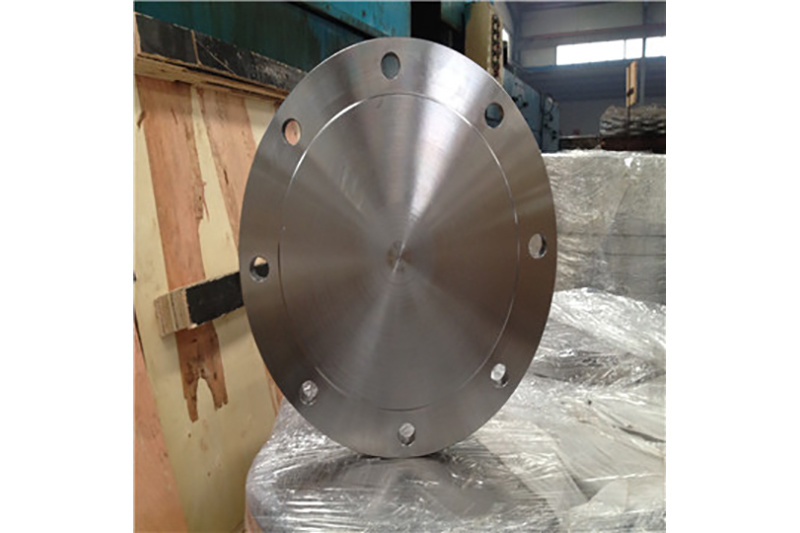
The Importance of Quality Control for Japanese Standard Flanges: Ensuring Durability and Reliability
The Importance of Quality Control for Japanese Standard Flanges In the construction and manufacturing sectors, the significance of quality control cannot be overstated, especially for components as crucial as flanges. Japanese standard flanges, known for their precision and durability, require stringent quality control measures to meet the demands of various applications. This article delves into
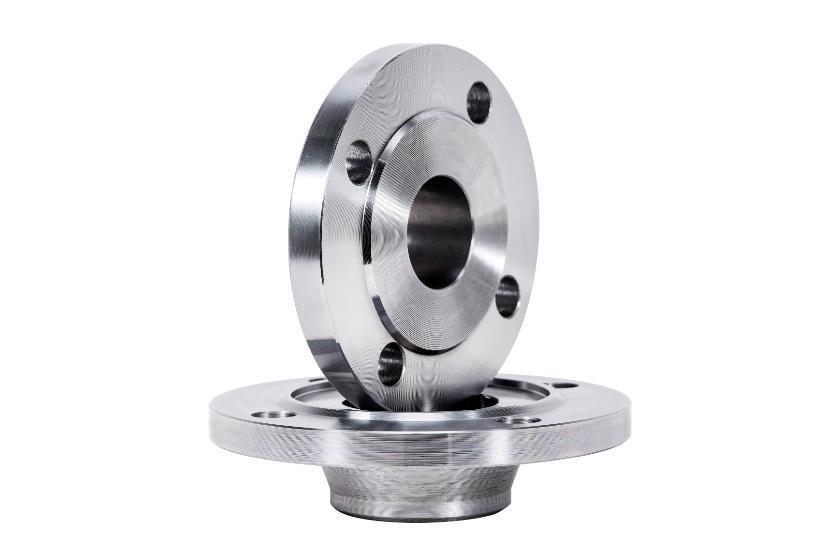
Understanding American Standard Flange in Construction and Decoration Materials
American standard flanges are critical components in the field of construction and decorative materials, particularly in piping systems. These flanges adhere to specific standards established by organizations such as the American National Standards Institute (ANSI) and the American Society of Mechanical Engineers (ASME). Their design and specifications are essential for ensuring compatibility and
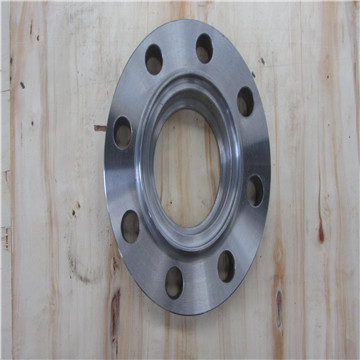
Exploring the Advantages of Using Threaded Flanges in HVAC Systems
Exploring the Advantages of Using Threaded Flanges in HVAC Systems Table of Contents 1. Introduction to Threaded Flanges in HVAC 2. Understanding Threaded Flanges 3. Benefits of Using Threaded Flanges in HVAC Systems 3.1 Superior Sealing Capability 3.2 Ease of Installation and Maintenance 3.3 Cost-Effectiveness 3.4 Versatility i

The Essential Guide to Flanged Connections in Building and Decorative Materials
Flanged connections are vital components in the construction and decorative materials sector, especially in the context of piping systems and fittings. Understanding their function, design, and application can significantly enhance the efficiency and reliability of installations. A flanged connection involves two flanges, which are flat pieces of material with holes for bolts. These flanges are bo
Shandong Xinhao Forging Co.,Ltd.
Tel:+86-15098858482
WeChat: 543983004
Email:xinhaoflange@gmail.com
Whatsapp:8615098858482
Website:www.xhflange.com

TikTok