

Understanding Flanged Connections: A Key Component in Building and Decorative Materials
Release time:
2025-07-05
Flanged connections are integral components widely used in piping systems, particularly within the construction and decorative materials sector. These connections enable the joining of pipes, valves, pumps, and other equipment, ensuring a reliable and leak-proof assembly. The design of a flanged connection typically consists of two flanges facing each other, which are bolted together with a gasket
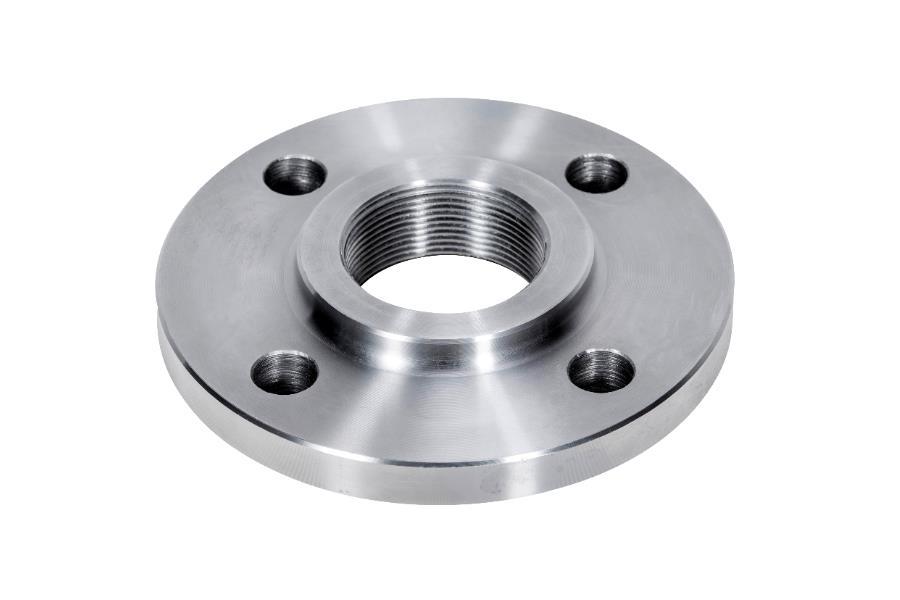
One of the primary advantages of flanged connections is their ease of assembly and disassembly. This feature is particularly beneficial in environments where maintenance and inspection are frequent. Unlike welded connections, flanged joints can be easily unbolted, allowing for quick access to piping systems without the need for specialized tools or skills. This not only saves time but also reduces labor costs during maintenance.
Flanged connections are available in various designs, including raised face, flat face, and tongue and groove types, catering to different application requirements. The choice of flange type often depends on the pressure and temperature conditions of the system, as well as the nature of the fluids being transported. For example, raised face flanges are commonly used in high-pressure systems, where a more reliable seal is necessary.
Another significant aspect of flanged connections is the importance of gasket selection. The gasket material must be compatible with the fluid being transported to prevent chemical reactions that could compromise the seal. Common gasket materials include rubber, PTFE, and metal, each offering unique properties that enhance the performance of the flanged connection in specific applications.
In addition to their practical benefits, flanged connections also contribute to the overall aesthetics of a system. In decorative material applications, visible flanges can be designed to complement the architectural style of a building or space. This versatility allows engineers and architects to incorporate functional components into their designs without sacrificing visual appeal.
Furthermore, proper installation and torqueing of bolts in flanged connections are critical to ensure long-lasting performance. Over-tightening can lead to flange warping or damage, while under-tightening may result in leaks. It is essential for professionals to follow manufacturer guidelines and industry standards when installing these connections.
In conclusion, flanged connections are vital elements in the realm of building and decorative materials, particularly in piping systems. Their ease of use, variety of designs, and importance in maintenance make them a preferred choice for professionals in the industry. Understanding the nuances of flanged connections, including gasket selection and installation practices, can significantly enhance system reliability and efficiency.
Latest developments
Quality Standards in the Forging of Stainless Steel Products: Ensuring Excellence in Metallurgy
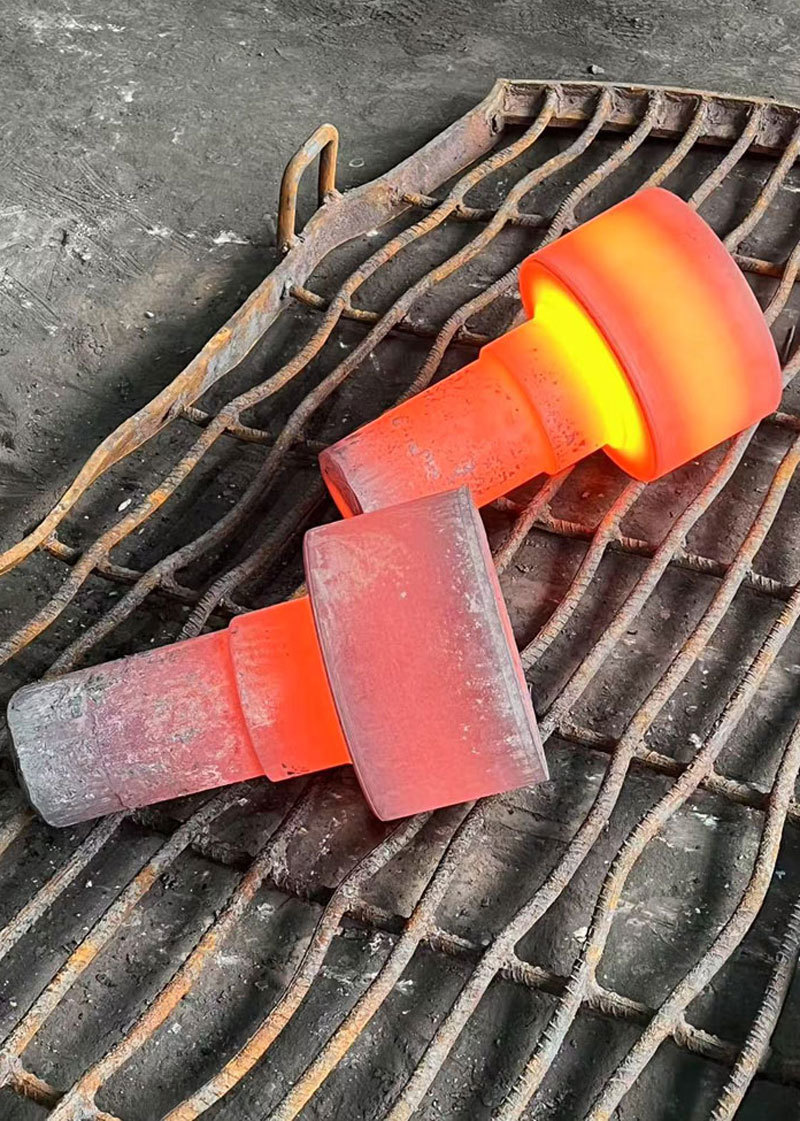
Quality Standards in the Forging of Stainless Steel Products Table of Contents Introduction to Stainless Steel Forging The Importance of Quality Standards in Forging Types of Stainless Steel Used in Forging Common Forging Processes in Stainless Steel Manufacturing Quality Assurance Methodologies in Stainless Steel Forging Testing and Certification of Stainless Steel Products Global
Understanding Non-Standard Flanges: A Key Component in Architectural Applications
Non-standard flanges are specialized components that deviate from conventional sizing and design specifications. Unlike standard flanges, which adhere to established dimensions and pressure ratings, non-standard flanges are custom-made to meet unique project requirements. These flanges are crucial in various architectural and construction applications, particularly when dealing with unconventional
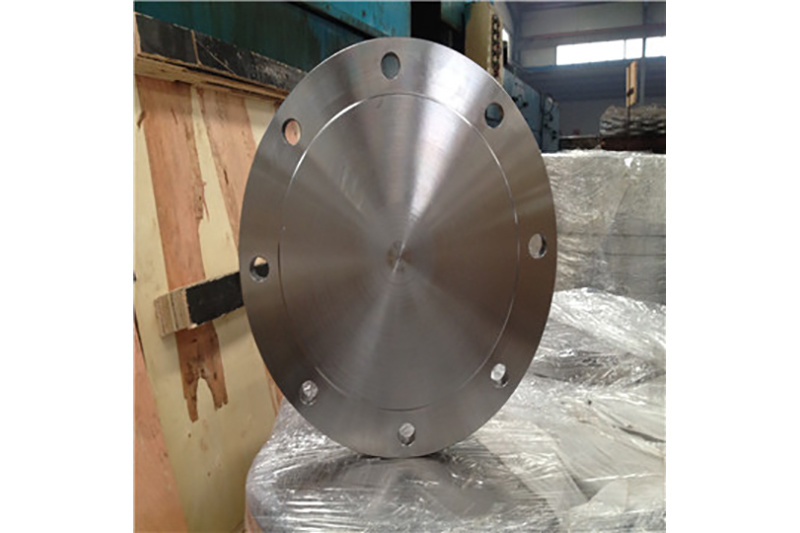
The Importance of Quality Control for Japanese Standard Flanges: Ensuring Durability and Reliability
The Importance of Quality Control for Japanese Standard Flanges In the construction and manufacturing sectors, the significance of quality control cannot be overstated, especially for components as crucial as flanges. Japanese standard flanges, known for their precision and durability, require stringent quality control measures to meet the demands of various applications. This article delves into
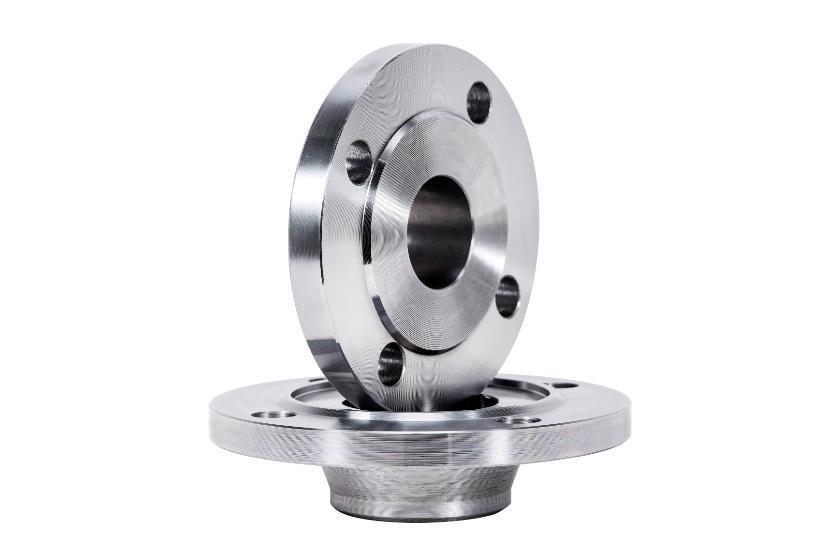
Understanding American Standard Flange in Construction and Decoration Materials
American standard flanges are critical components in the field of construction and decorative materials, particularly in piping systems. These flanges adhere to specific standards established by organizations such as the American National Standards Institute (ANSI) and the American Society of Mechanical Engineers (ASME). Their design and specifications are essential for ensuring compatibility and
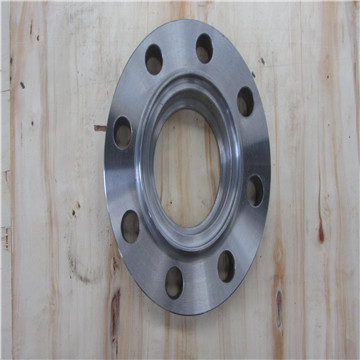
Exploring the Advantages of Using Threaded Flanges in HVAC Systems
Exploring the Advantages of Using Threaded Flanges in HVAC Systems Table of Contents 1. Introduction to Threaded Flanges in HVAC 2. Understanding Threaded Flanges 3. Benefits of Using Threaded Flanges in HVAC Systems 3.1 Superior Sealing Capability 3.2 Ease of Installation and Maintenance 3.3 Cost-Effectiveness 3.4 Versatility i

The Essential Guide to Flanged Connections in Building and Decorative Materials
Flanged connections are vital components in the construction and decorative materials sector, especially in the context of piping systems and fittings. Understanding their function, design, and application can significantly enhance the efficiency and reliability of installations. A flanged connection involves two flanges, which are flat pieces of material with holes for bolts. These flanges are bo
Shandong Xinhao Forging Co.,Ltd.
Tel:+86-15098858482
WeChat: 543983004
Email:xinhaoflange@gmail.com
Whatsapp:8615098858482
Website:www.xhflange.com

TikTok