

Mastering Installation Techniques for Sliding Flanges in the Field
Release time:
2025-07-04
Mastering Installation Techniques for Sliding Flanges in the Field Table of Contents Introduction to Sliding Flanges Understanding Sliding Flanges and Their Applications Essential Tools for Sliding Flange Installation Preparation Steps for Flange Installation Step-by-Step Installation Process for Sliding Flanges Common Mistakes to Avoid During Installation Maintenance
Mastering Installation Techniques for Sliding Flanges in the Field
Table of Contents
- Introduction to Sliding Flanges
- Understanding Sliding Flanges and Their Applications
- Essential Tools for Sliding Flange Installation
- Preparation Steps for Flange Installation
- Step-by-Step Installation Process for Sliding Flanges
- Common Mistakes to Avoid During Installation
- Maintenance Tips for Sliding Flanges
- Conclusion
- Frequently Asked Questions
Introduction to Sliding Flanges
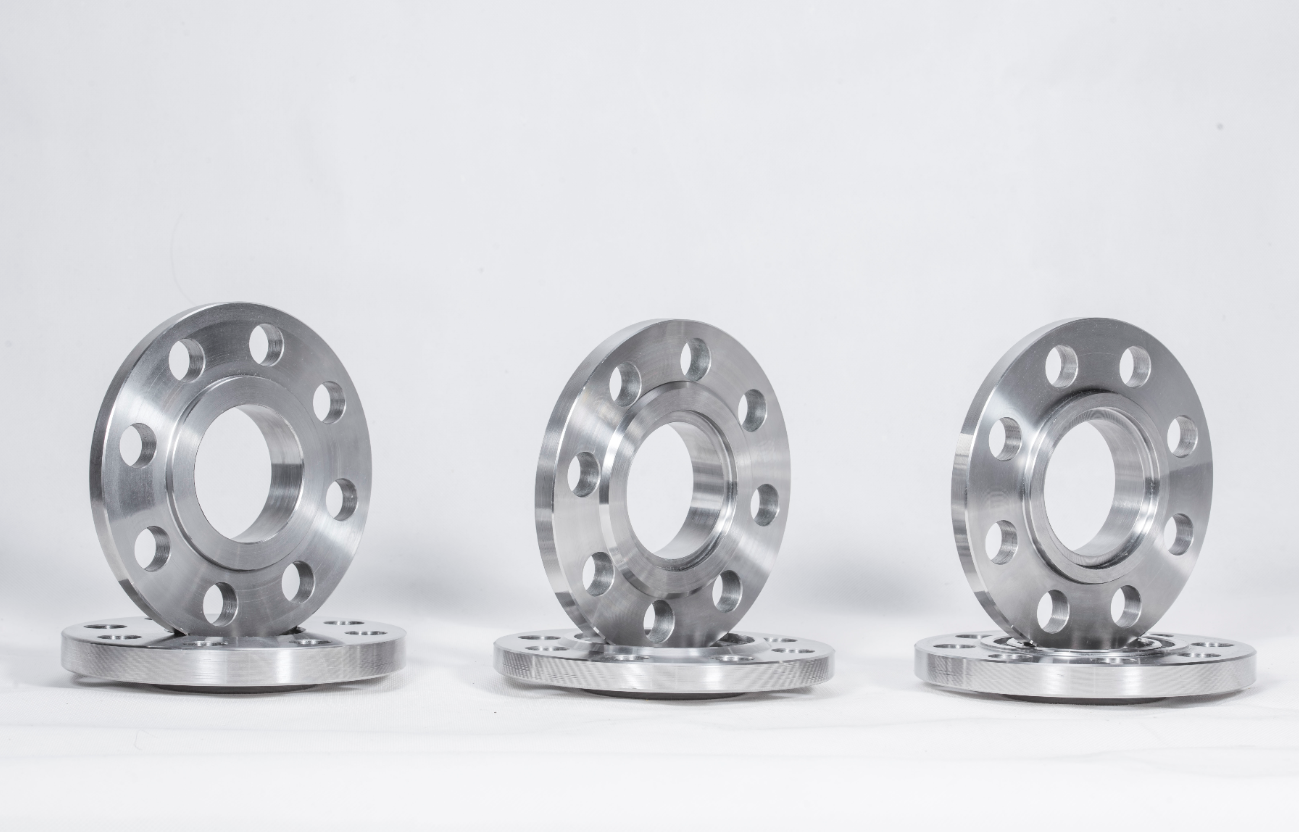
Sliding flanges are crucial components in various piping systems, providing a reliable sealing solution for high-pressure and high-temperature applications. They allow for easy assembly and disassembly of piping sections, making maintenance and repairs significantly more manageable. In this article, we will guide you through the essential techniques and best practices for installing sliding flanges effectively in the field.
Understanding Sliding Flanges and Their Applications
Sliding flanges, often referred to as slip-on flanges, differ from standard flanges in that they slide onto the pipe and are welded in place. This feature allows for a bit of flexibility in alignment, which is particularly beneficial in complex piping systems. Common applications include:
Industrial Applications
- **Chemical Processing**: Used to handle corrosive materials.
- **Oil and Gas**: Ideal for pipeline systems due to their ease of installation and maintenance.
Water Treatment Facilities
- **Wastewater Management**: Provides secure connections for pipes transporting treated and untreated water.
Understanding these applications will help you appreciate the importance of proper installation techniques.
Essential Tools for Sliding Flange Installation
Before you start the installation process, gather the following tools to ensure a smooth installation:
1. Welding Equipment
- **MMA Welder**: For arc welding the flanges onto pipes.
- **Protective Gear**: Safety glasses, gloves, and welding helmets to ensure safety during the process.
2. Measuring Tools
- **Tape Measure**: To measure the length of the pipe and the flange.
- **Calipers**: For precise measurements of the flange and pipe diameters.
3. Cutting Tools
- **Pipe Cutter or Saw**: To prepare the pipe ends for flange attachment.
4. Cleaning Supplies
- **Wire Brush and Cloth**: To clean the pipe surfaces before installation.
Having the right tools on hand will streamline the installation process and contribute to a successful outcome.
Preparation Steps for Flange Installation
Proper preparation is key to a successful sliding flange installation. Follow these steps to ensure the job is done right:
1. Inspect the Pipe and Flange
Begin by thoroughly inspecting both the pipe and the sliding flange for any signs of damage, rust, or contamination. Ensure that the surfaces are clean and free from any debris.
2. Measure and Cut the Pipe
Using a tape measure, mark the pipe where the flange will be installed. Ensure the cut is straight and smooth, as this will facilitate a better seal. Use a pipe cutter or saw to achieve a clean cut.
3. Clean the Installation Area
Utilize a wire brush to remove any rust or oxidation from the pipe ends. Follow this by wiping the area with a clean cloth to ensure a smooth surface for welding.
Step-by-Step Installation Process for Sliding Flanges
Now that you have prepared the pipe and flange, it’s time to install the sliding flange. Follow these detailed steps:
1. Position the Flange
Slide the flange onto the pipe until it reaches the desired position. Ensure it is aligned correctly with any adjacent components in the system.
2. Tack Welding
Using your MMA welder, apply a tack weld at several points around the flange to secure it temporarily. This will prevent movement during the final welding phase.
3. Full Welding
Proceed to weld around the entire circumference of the flange. Make sure to maintain a consistent weld bead to ensure a strong bond. Let the weld cool completely before proceeding.
4. Final Inspection
After the weld has cooled, inspect the connection for any gaps or imperfections. A proper seal is essential to prevent leaks during operation.
Common Mistakes to Avoid During Installation
Even experienced professionals can make errors. Here are some common mistakes to be cautious of:
1. Inadequate Cleaning
Failure to thoroughly clean the surfaces can lead to poor weld quality and potential leaks. Always prioritize cleanliness.
2. Misalignment
Ensure that the flange is aligned correctly before welding. Misalignment can cause undue stress on the flange and result in failure.
3. Overheating
Overheating during welding can weaken the flange material. Use appropriate heat settings and allow for cooling periods as needed.
Maintenance Tips for Sliding Flanges
Maintaining sliding flanges is crucial for the longevity of the piping system. Consider these maintenance tips:
1. Regular Inspections
Conduct regular inspections to check for signs of wear, corrosion, or leaks. Early detection can prevent larger issues down the line.
2. Cleaning
Keep the flanges clean. Regular washing can help prevent corrosion and maintain the integrity of the flange.
3. Tightening Bolts
If the sliding flange is bolted, check the tightness of the bolts periodically to ensure a secure connection.
Conclusion
Mastering the installation techniques for sliding flanges is vital for anyone involved in piping systems. By understanding the components, utilizing the right tools, preparing adequately, and following a detailed installation process, we can ensure strong, reliable joints that stand the test of time. Remember to avoid common pitfalls and prioritize maintenance to prolong the lifespan of your installations. With these techniques, you'll be well-equipped to handle any sliding flange installation with confidence.
Frequently Asked Questions
1. What is a sliding flange?
A sliding flange, or slip-on flange, is a type of flange that slides onto the pipe and is welded in place, allowing for easy alignment and installation.
2. What are the main benefits of using sliding flanges?
Sliding flanges provide flexibility in alignment, ease of installation, and the ability to easily disassemble piping sections for maintenance.
3. How do I ensure a proper seal when welding sliding flanges?
Ensure that both the pipe and flange surfaces are clean and free from oxidation. Use consistent welding techniques to create a strong bond.
4. What materials are sliding flanges typically made from?
Sliding flanges are commonly made from carbon steel, stainless steel, and alloys, depending on the application and environmental conditions.
5. Can sliding flanges be reused?
Yes, sliding flanges can often be reused if they are inspected for damage and properly cleaned before reinstallation. However, it's important to evaluate their condition thoroughly.
Latest developments
Quality Standards in the Forging of Stainless Steel Products: Ensuring Excellence in Metallurgy
Quality Standards in the Forging of Stainless Steel Products Table of Contents Introduction to Stainless Steel Forging The Importance of Quality Standards in Forging Types of Stainless Steel Used in Forging Common Forging Processes in Stainless Steel Manufacturing Quality Assurance Methodologies in Stainless Steel Forging Testing and Certification of Stainless Steel Products Global
Understanding Non-Standard Flanges: A Key Component in Architectural Applications
Non-standard flanges are specialized components that deviate from conventional sizing and design specifications. Unlike standard flanges, which adhere to established dimensions and pressure ratings, non-standard flanges are custom-made to meet unique project requirements. These flanges are crucial in various architectural and construction applications, particularly when dealing with unconventional
The Importance of Quality Control for Japanese Standard Flanges: Ensuring Durability and Reliability
The Importance of Quality Control for Japanese Standard Flanges In the construction and manufacturing sectors, the significance of quality control cannot be overstated, especially for components as crucial as flanges. Japanese standard flanges, known for their precision and durability, require stringent quality control measures to meet the demands of various applications. This article delves into
Understanding American Standard Flange in Construction and Decoration Materials
American standard flanges are critical components in the field of construction and decorative materials, particularly in piping systems. These flanges adhere to specific standards established by organizations such as the American National Standards Institute (ANSI) and the American Society of Mechanical Engineers (ASME). Their design and specifications are essential for ensuring compatibility and
Exploring the Advantages of Using Threaded Flanges in HVAC Systems
Exploring the Advantages of Using Threaded Flanges in HVAC Systems Table of Contents 1. Introduction to Threaded Flanges in HVAC 2. Understanding Threaded Flanges 3. Benefits of Using Threaded Flanges in HVAC Systems 3.1 Superior Sealing Capability 3.2 Ease of Installation and Maintenance 3.3 Cost-Effectiveness 3.4 Versatility i

The Essential Guide to Flanged Connections in Building and Decorative Materials
Flanged connections are vital components in the construction and decorative materials sector, especially in the context of piping systems and fittings. Understanding their function, design, and application can significantly enhance the efficiency and reliability of installations. A flanged connection involves two flanges, which are flat pieces of material with holes for bolts. These flanges are bo
Shandong Xinhao Forging Co.,Ltd.
Tel:+86-15098858482
WeChat: 543983004
Email:xinhaoflange@gmail.com
Whatsapp:8615098858482
Website:www.xhflange.com

TikTok