

Forging Stainless Steel: Meeting the High Demands of Aerospace
Release time:
2025-09-06
Forging Stainless Steel: Meeting the High Demands of Aerospace Introduction to Forging in Aerospace Applications The aerospace industry is synonymous with precision, safety, and innovation. As technology advances, the demand for materials that can withstand extreme environments while ensuring structural integrity has never been higher. **Forged stainless steel** has emerged as a pivotal material

Forging Stainless Steel: Meeting the High Demands of Aerospace
Introduction to Forging in Aerospace Applications
The aerospace industry is synonymous with precision, safety, and innovation. As technology advances, the demand for materials that can withstand extreme environments while ensuring structural integrity has never been higher. **Forged stainless steel** has emerged as a pivotal material in this domain, owing to its remarkable properties and versatility. In this article, we will delve deep into the world of forging stainless steel, exploring its significance in meeting the rigorous demands of aerospace applications.
The Unique Properties of Stainless Steel
Stainless steel is known for its excellent corrosion resistance, high tensile strength, and ability to withstand high temperatures. These properties are crucial for aerospace components that face harsh conditions during flight. The following characteristics make stainless steel an ideal choice for aerospace applications:
Corrosion Resistance
Corrosion resistance is vital in aerospace components due to exposure to moisture, chemicals, and extreme temperatures. The chromium content in stainless steel forms a protective oxide layer, preventing rust and degradation over time.
High Strength-to-Weight Ratio
Stainless steel maintains a high strength-to-weight ratio, making it suitable for aircraft structures that require lightweight materials without compromising strength. This feature is particularly essential in improving fuel efficiency and overall aircraft performance.
Thermal Stability
The ability of stainless steel to retain its mechanical properties at elevated temperatures is critical in aerospace applications, especially near engines and other heat-producing components. This stability ensures durability and reliability in extreme conditions.
The Forging Process: A Step-by-Step Guide
Forging stainless steel involves a series of processes that enhance its mechanical properties and shape it into desired forms. The following steps outline the typical forging process used in aerospace applications:
1. Material Selection
Choosing the right grade of stainless steel is the first step in the forging process. Various grades, such as 304, 316, and 17-4 PH, are selected based on their specific properties suited for different aerospace applications.
2. Heating
The selected stainless steel is heated to a temperature range between 1,600°F and 2,400°F (870°C to 1,315°C). This heating allows the material to become malleable and easier to shape during the forging process.
3. Forging
Once heated, the stainless steel is subjected to mechanical forces through various methods, such as open-die forging or closed-die forging. This process shapes the metal while enhancing its structural integrity.
4. Cooling
After forging, the stainless steel is allowed to cool gradually. Controlled cooling helps reduce residual stresses, enhancing the material's mechanical properties.
5. Heat Treatment
Heat treatment processes, such as quenching and tempering, can further refine the mechanical properties of the forged stainless steel, tailoring it to meet specific aerospace requirements.
Applications of Forged Stainless Steel in Aerospace
The application of forged stainless steel in the aerospace industry spans a wide range of components, each requiring a unique blend of properties to ensure optimal performance. Here are some critical applications:
1. Aircraft Structural Components
Forged stainless steel is commonly used in aircraft structural components, including frames, ribs, and bulkheads. These parts must endure significant stress and strain during flight, making the strength and durability of forged stainless steel essential.
2. Engine Components
The aerospace engines demand materials that can withstand extreme heat and corrosive environments. Forged stainless steel components, such as turbine blades, casings, and exhaust components, are designed to perform reliably under these conditions.
3. Fasteners and Fittings
Fasteners, such as bolts, nuts, and screws, made from forged stainless steel provide the necessary strength and corrosion resistance required in assembling various aircraft parts. These critical components ensure the integrity of the entire aircraft structure.
4. Landing Gear Components
Landing gear is subjected to immense stress during takeoff and landing. Forged stainless steel is used in landing gear components, including struts and brackets, to ensure safety and performance.
5. Hydraulic Systems
Stainless steel is commonly utilized in hydraulic systems within aircraft due to its corrosion resistance and strength. Forged fittings and connectors play a crucial role in ensuring the reliability of these systems.
Challenges and Innovations in Forged Stainless Steel Production
Despite the advantages of forged stainless steel, manufacturers face several challenges in producing high-quality components for aerospace applications. Continuous innovation is required to address these challenges effectively.
1. Material Limitations
Different grades of stainless steel have varying properties, which can limit their application. Research and development into new alloy compositions are ongoing to create specialty grades that meet specific aerospace requirements.
2. Cost Considerations
The cost of forging stainless steel can be higher than other materials due to the complex processes involved. Manufacturers must balance the need for high-quality materials with cost-effectiveness to remain competitive.
3. Quality Assurance
Maintaining consistent quality in forged components is vital for safety in aerospace applications. Advanced inspection techniques, such as non-destructive testing, are employed to ensure that all forged parts meet stringent regulatory standards.
Future Trends in Forging Stainless Steel for Aerospace
As the aerospace industry evolves, so does the demand for innovative materials and processes. Here are some emerging trends in the field of forging stainless steel:
1. Advanced Alloys and Composites
The development of advanced stainless steel alloys and composite materials is on the rise. These materials may offer improved properties, leading to lighter, stronger, and more efficient aerospace components.
2. Automation and Robotics
The integration of automation and robotics in the forging process can enhance efficiency and precision, reducing manufacturing costs while improving product quality.
3. Sustainable Practices
As environmental concerns grow, the aerospace industry is seeking sustainable practices in material production. Using recycled stainless steel and energy-efficient forging techniques can significantly reduce the industry's carbon footprint.
FAQs about Forging Stainless Steel in Aerospace
1. What are the benefits of using forged stainless steel in aerospace applications?
Forged stainless steel offers high strength, excellent corrosion resistance, and thermal stability, making it ideal for critical aerospace components.
2. How does the forging process enhance the properties of stainless steel?
The forging process aligns the grain structure of the metal, resulting in improved mechanical properties, such as strength and toughness.
3. What types of stainless steel are commonly used in aerospace?
Common grades include 304, 316, and 17-4 PH, each offering specific properties suited to different applications within the aerospace industry.
4. What challenges do manufacturers face in producing forged stainless steel?
Manufacturers encounter material limitations, cost considerations, and the need for stringent quality assurance to meet aerospace standards.
5. What is the future of forged stainless steel in aerospace?
The future includes the development of advanced alloys, increased automation in manufacturing, and a focus on sustainable practices in production.
Conclusion
The significance of forged stainless steel in the aerospace industry cannot be overstated. With its ability to meet high demands for strength, corrosion resistance, and thermal stability, it serves as a critical material in ensuring the safety and performance of aircraft. As the industry continues to evolve, ongoing innovations in forging processes and materials will play a pivotal role in shaping the future of aerospace engineering. By understanding the complexities of forged stainless steel and its applications, we can appreciate the vital role it plays in the advancement of aviation technology.
Latest developments
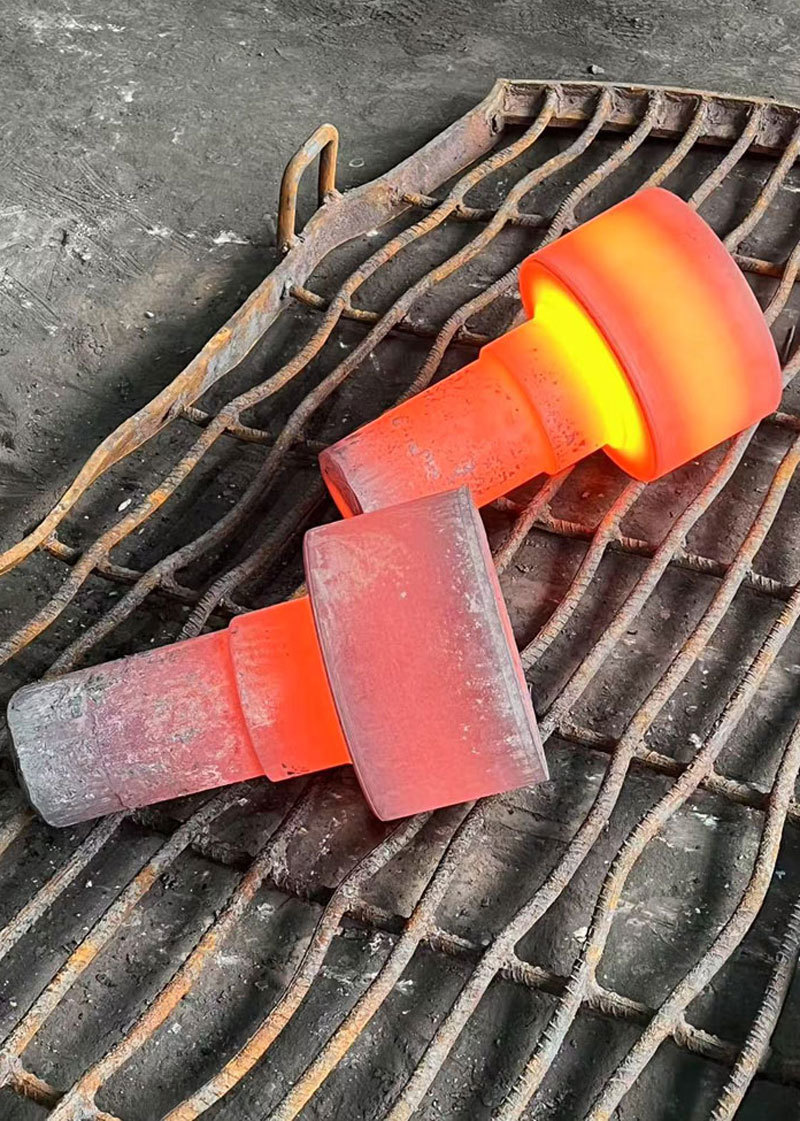
Quality Standards in the Forging of Stainless Steel Products: Ensuring Excellence in Metallurgy
Quality Standards in the Forging of Stainless Steel Products Table of Contents Introduction to Stainless Steel Forging The Importance of Quality Standards in Forging Types of Stainless Steel Used in Forging Common Forging Processes in Stainless Steel Manufacturing Quality Assurance Methodologies in Stainless Steel Forging Testing and Certification of Stainless Steel Products Global
Understanding Non-Standard Flanges: A Key Component in Architectural Applications
Non-standard flanges are specialized components that deviate from conventional sizing and design specifications. Unlike standard flanges, which adhere to established dimensions and pressure ratings, non-standard flanges are custom-made to meet unique project requirements. These flanges are crucial in various architectural and construction applications, particularly when dealing with unconventional
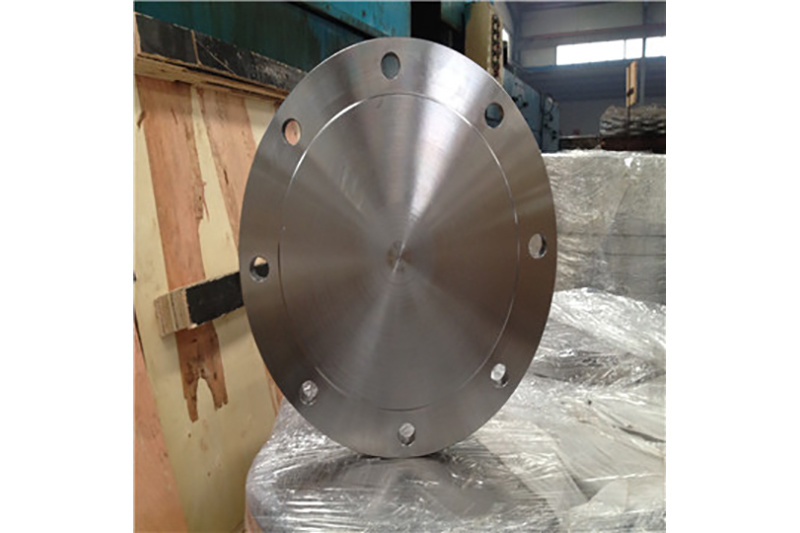
The Importance of Quality Control for Japanese Standard Flanges: Ensuring Durability and Reliability
The Importance of Quality Control for Japanese Standard Flanges In the construction and manufacturing sectors, the significance of quality control cannot be overstated, especially for components as crucial as flanges. Japanese standard flanges, known for their precision and durability, require stringent quality control measures to meet the demands of various applications. This article delves into
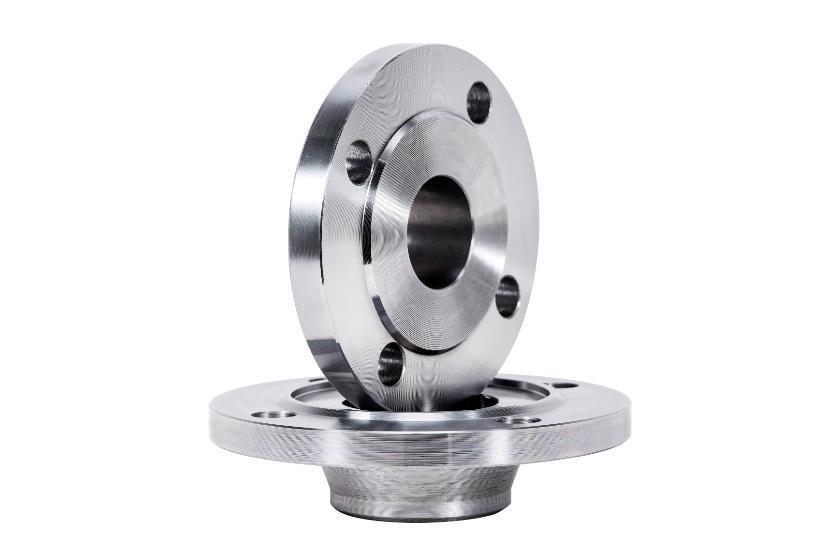
Understanding American Standard Flange in Construction and Decoration Materials
American standard flanges are critical components in the field of construction and decorative materials, particularly in piping systems. These flanges adhere to specific standards established by organizations such as the American National Standards Institute (ANSI) and the American Society of Mechanical Engineers (ASME). Their design and specifications are essential for ensuring compatibility and
Exploring the Advantages of Using Threaded Flanges in HVAC Systems
Exploring the Advantages of Using Threaded Flanges in HVAC Systems Table of Contents 1. Introduction to Threaded Flanges in HVAC 2. Understanding Threaded Flanges 3. Benefits of Using Threaded Flanges in HVAC Systems 3.1 Superior Sealing Capability 3.2 Ease of Installation and Maintenance 3.3 Cost-Effectiveness 3.4 Versatility i

The Essential Guide to Flanged Connections in Building and Decorative Materials
Flanged connections are vital components in the construction and decorative materials sector, especially in the context of piping systems and fittings. Understanding their function, design, and application can significantly enhance the efficiency and reliability of installations. A flanged connection involves two flanges, which are flat pieces of material with holes for bolts. These flanges are bo
Shandong Xinhao Forging Co.,Ltd.
Tel:+86-15098858482
WeChat: 543983004
Email:xinhaoflange@gmail.com
Whatsapp:8615098858482
Website:www.xhflange.com

TikTok