

Exploring the Role of Steel Industries Forgings in Construction and Decorative Materials
Release time:
2025-09-09
--- Steel industries forgings play a critical role in the manufacturing of construction and decorative materials, providing essential components that are both functional and visually appealing. By understanding the process and advantages of forgings, professionals in the architecture and design sectors can make informed decisions that enhance their projects. Forging is a manufacturing process that
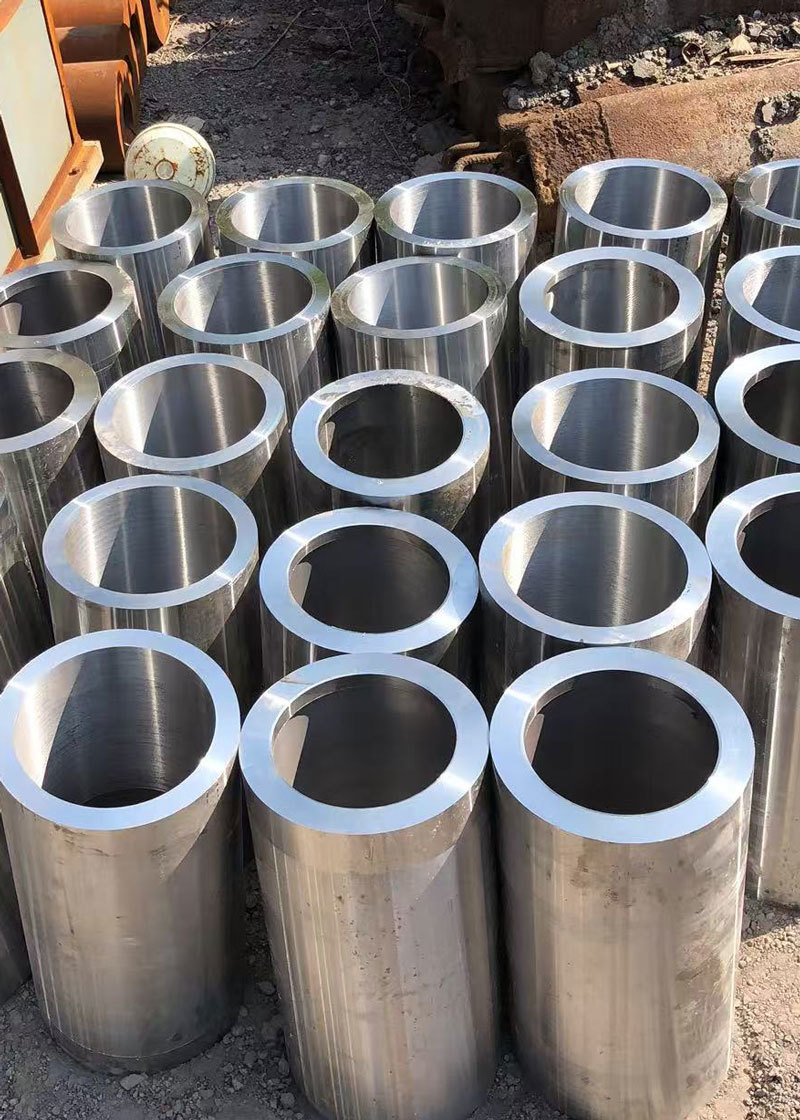
Steel industries forgings play a critical role in the manufacturing of construction and decorative materials, providing essential components that are both functional and visually appealing. By understanding the process and advantages of forgings, professionals in the architecture and design sectors can make informed decisions that enhance their projects.
Forging is a manufacturing process that involves shaping metal using compressive forces. This technique can be applied to various types of steel, resulting in components that are not only stronger but also possess a superior structural integrity compared to their cast counterparts. Steel industries forgings are particularly prized for their ability to withstand high loads and resist fatigue, making them ideal for use in demanding environments such as construction sites.
One of the primary benefits of steel forgings is their versatility. They can be produced in a multitude of sizes and shapes to meet the specific needs of a project. From beams and columns to intricate decorative elements, the adaptability of forgings makes them suitable for a wide array of applications, including residential, commercial, and industrial construction. Furthermore, the process allows for the integration of complex geometries that can enhance the aesthetic quality of structures.
In addition to their mechanical properties, steel industries forgings offer significant advantages in terms of sustainability. Forged steel components typically have a lower lifecycle impact compared to alternative materials. They can be recycled repeatedly without losing their inherent properties, contributing to a more sustainable approach in construction practices. As the building industry moves toward greener solutions, utilizing recycled materials such as forged steel aligns with broader environmental goals.
Moreover, the precision achieved through forging processes allows for tighter tolerances and better fitment between parts, reducing the need for extensive machining and finishing operations. This efficiency not only saves time during assembly but also results in a reduction of waste material, further enhancing the sustainability of the construction process.
When considering steel industries forgings for your projects, it is essential to collaborate with reputable suppliers who understand the specific requirements of your applications. Engaging with experienced professionals can help ensure that you select the appropriate grades and specifications that align with your structural and decorative needs.
In summary, steel industries forgings are an invaluable asset in the field of construction and decorative materials. Their strength, versatility, and sustainability make them a top choice for industry professionals looking to achieve both functionality and aesthetic excellence in their projects. By incorporating forged steel components, you can elevate the quality and durability of your constructions, ensuring they stand the test of time while also contributing to a more sustainable future.
Latest developments
Quality Standards in the Forging of Stainless Steel Products: Ensuring Excellence in Metallurgy
Quality Standards in the Forging of Stainless Steel Products Table of Contents Introduction to Stainless Steel Forging The Importance of Quality Standards in Forging Types of Stainless Steel Used in Forging Common Forging Processes in Stainless Steel Manufacturing Quality Assurance Methodologies in Stainless Steel Forging Testing and Certification of Stainless Steel Products Global
Understanding Non-Standard Flanges: A Key Component in Architectural Applications
Non-standard flanges are specialized components that deviate from conventional sizing and design specifications. Unlike standard flanges, which adhere to established dimensions and pressure ratings, non-standard flanges are custom-made to meet unique project requirements. These flanges are crucial in various architectural and construction applications, particularly when dealing with unconventional
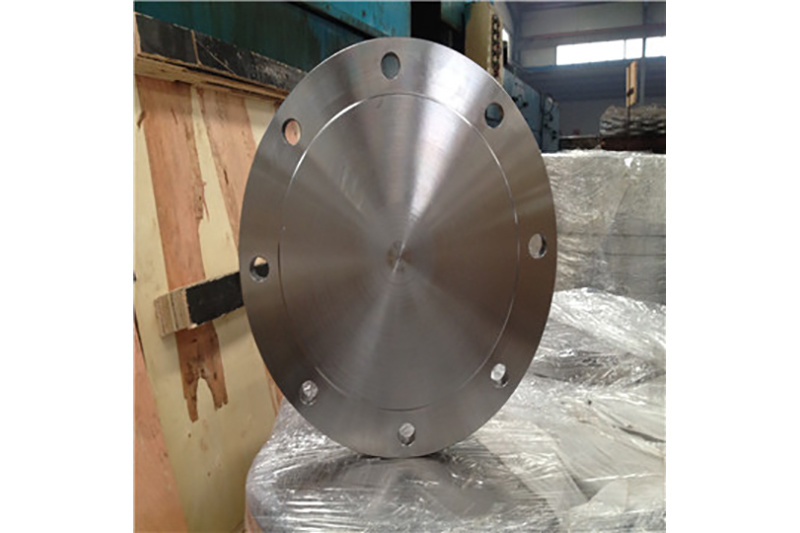
The Importance of Quality Control for Japanese Standard Flanges: Ensuring Durability and Reliability
The Importance of Quality Control for Japanese Standard Flanges In the construction and manufacturing sectors, the significance of quality control cannot be overstated, especially for components as crucial as flanges. Japanese standard flanges, known for their precision and durability, require stringent quality control measures to meet the demands of various applications. This article delves into
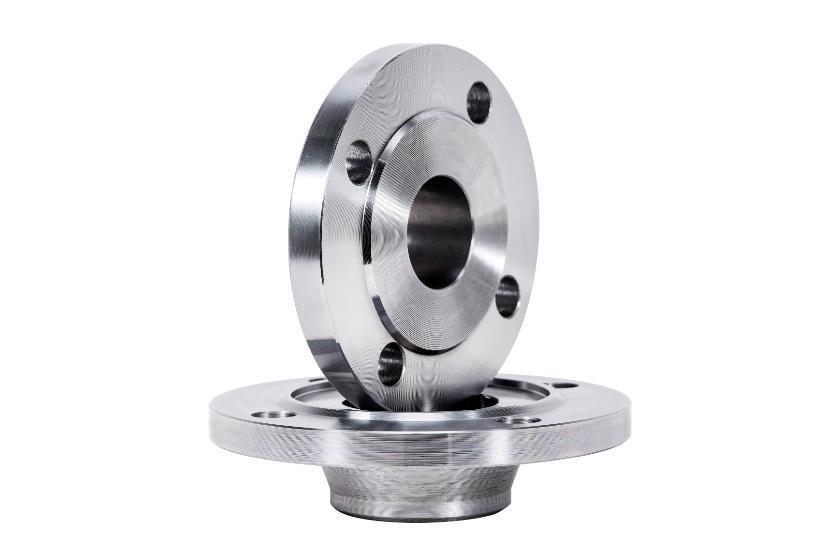
Understanding American Standard Flange in Construction and Decoration Materials
American standard flanges are critical components in the field of construction and decorative materials, particularly in piping systems. These flanges adhere to specific standards established by organizations such as the American National Standards Institute (ANSI) and the American Society of Mechanical Engineers (ASME). Their design and specifications are essential for ensuring compatibility and
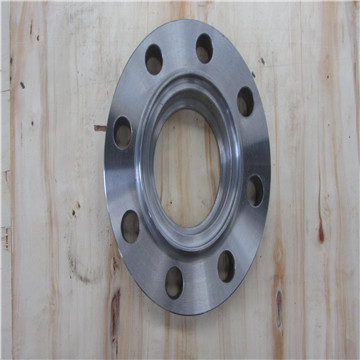
Exploring the Advantages of Using Threaded Flanges in HVAC Systems
Exploring the Advantages of Using Threaded Flanges in HVAC Systems Table of Contents 1. Introduction to Threaded Flanges in HVAC 2. Understanding Threaded Flanges 3. Benefits of Using Threaded Flanges in HVAC Systems 3.1 Superior Sealing Capability 3.2 Ease of Installation and Maintenance 3.3 Cost-Effectiveness 3.4 Versatility i

The Essential Guide to Flanged Connections in Building and Decorative Materials
Flanged connections are vital components in the construction and decorative materials sector, especially in the context of piping systems and fittings. Understanding their function, design, and application can significantly enhance the efficiency and reliability of installations. A flanged connection involves two flanges, which are flat pieces of material with holes for bolts. These flanges are bo
Shandong Xinhao Forging Co.,Ltd.
Tel:+86-15098858482
WeChat: 543983004
Email:xinhaoflange@gmail.com
Whatsapp:8615098858482
Website:www.xhflange.com

TikTok