

Flat Flanges: Key Considerations for Structural Engineers
Release time:
2025-09-12
Flat Flanges: Key Considerations for Structural Engineers Understanding Flat Flanges and Their Applications Flat flanges are integral components in various engineering applications, primarily in the construction and manufacturing industries. These components facilitate the connection of pipes, valves, pumps, and other equipment, ensuring robust and leak-proof assemblies. As structural engineers, u
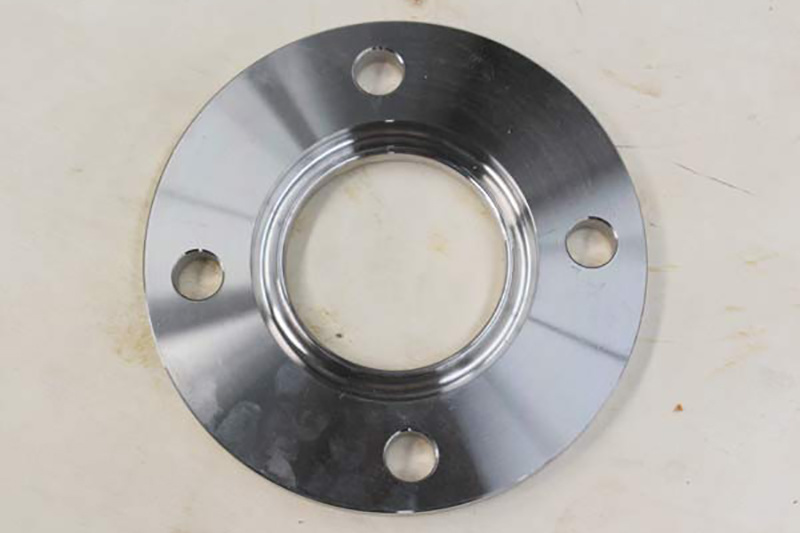
Flat Flanges: Key Considerations for Structural Engineers
Understanding Flat Flanges and Their Applications
Flat flanges are integral components in various engineering applications, primarily in the construction and manufacturing industries. These components facilitate the connection of pipes, valves, pumps, and other equipment, ensuring robust and leak-proof assemblies. As structural engineers, understanding the nuances of flat flanges is crucial for optimal design and performance.
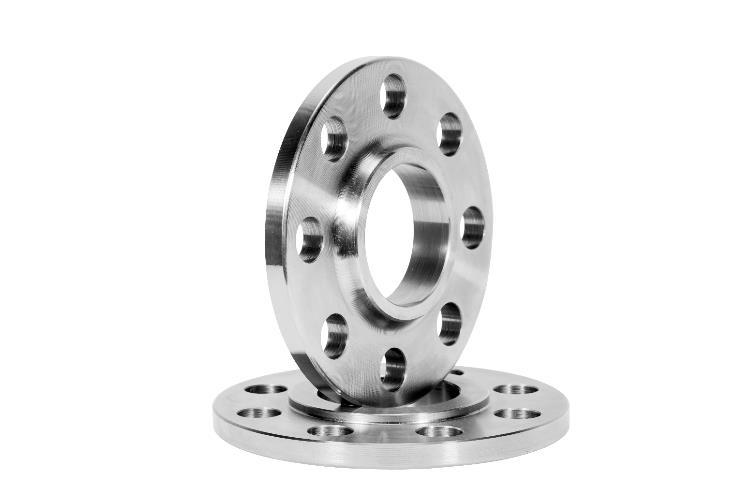
Flat flanges are typically circular pieces of metal featuring holes for bolts, allowing secure attachment to other components. They come in various sizes and thicknesses, making them versatile for different applications. Their ability to create a tight seal makes them essential in high-pressure and high-temperature environments, such as pipelines and hydraulic systems.
The Importance of Material Selection for Flat Flanges
Common Materials Used for Flat Flanges
Choosing the right material for flat flanges is vital for ensuring their durability and performance. Here are some of the most commonly used materials:
- **Carbon Steel**: Known for its strength and toughness, carbon steel is often used in construction applications. It offers good weldability and is cost-effective, making it a popular choice for structural engineers.
- **Stainless Steel**: This material is highly resistant to corrosion, making it ideal for flanges used in harsh environments. Stainless steel flanges are often used in chemical processing, food processing, and marine applications due to their longevity and hygiene properties.
- **Aluminum**: Lightweight and corrosion-resistant, aluminum flanges are suitable for applications where weight reduction is a priority. They are commonly used in aerospace and automotive industries.
- **Plastic**: While not as common, plastic flanges are utilized in scenarios where chemical resistance is necessary. They are often employed in wastewater treatment and chemical processing industries.
Factors Influencing Material Choice
When selecting materials for flat flanges, engineers must consider several factors:
- **Environmental Conditions**: Exposure to moisture, chemicals, and extreme temperatures can significantly impact the material's performance.
- **Mechanical Stress**: The expected loads and stresses can dictate the choice of material, with stronger materials being necessary for high-stress applications.
- **Cost Considerations**: Budget constraints can also play a role in material selection. Engineers must balance performance with cost to achieve optimal results.
Design Standards and Specifications for Flat Flanges
International Standards and Codes
Flat flanges must adhere to specific design standards and codes to ensure safety and reliability. The most recognized standards include:
- **ASME B16.5**: This standard covers flanges and fittings for piping systems up to 24 inches in diameter. It includes specifications for materials, dimensions, and tolerances.
- **ANSI/ASME B16.47**: This standard is applicable for larger flanges, offering guidelines for various flange types and sizes.
- **API 605**: This specification is relevant for flanges used in the oil and gas industry, focusing on design, testing, and quality control.
Understanding and complying with these standards is crucial for structural engineers to ensure that flat flanges meet safety and performance requirements.
Design Considerations for Flat Flanges
When designing flat flanges, several factors must be taken into account:
- **Bolt Pattern and Size**: The number and size of bolt holes directly influence the flange's strength and the ability to withstand pressure.
- **Thickness and Diameter**: Engineers must calculate the appropriate thickness and diameter for the flange based on the intended application and load requirements.
- **Gasket Selection**: The choice of gasket material affects the seal’s effectiveness. Engineers should select gaskets compatible with the fluids transported through the pipes.
Installation Techniques for Flat Flanges
Preparation for Installation
Before installing flat flanges, it's essential to ensure that all surfaces are clean and free from debris. Proper preparation helps achieve a tight seal and prevents leaks. Additionally, engineers should inspect flange faces for any damage or irregularities that could compromise performance.
Installation Process
1. **Align the Flanges**: Position the flanges so that their bolt holes align perfectly. Misalignment can lead to uneven loading and potential failure.
2. **Insert Bolts**: Place bolts through the aligned holes and secure them with nuts.
3. **Tightening Sequence**: Tighten the bolts in a criss-cross pattern to ensure even distribution of pressure across the flange. This method minimizes the risk of warping and ensures a reliable seal.
4. **Final Inspection**: After installation, conduct a thorough inspection to confirm that all bolts are tightened to the specified torque and that there are no visible gaps between the flanges.
Common Issues and Troubleshooting in Flat Flanges
Identifying Potential Problems
Even with proper installation, flat flanges can encounter issues over time. Common problems include:
- **Leakage**: Often caused by insufficient tightening or degraded gaskets, leaks can compromise system integrity.
- **Corrosion**: Exposure to harsh environments can lead to corrosion, particularly in metal flanges. Regular inspection and maintenance can mitigate this risk.
- **Fatigue and Failure**: Repeated loading and unloading can cause wear and eventual failure of flanges. Engineers should monitor load conditions and replace flanges as needed.
Preventative Measures
To prevent issues:
- Regularly inspect flanges for signs of wear or damage.
- Conduct maintenance checks on gaskets and bolts.
- Implement a proactive replacement schedule based on the expected lifespan of the materials.
Best Practices for Structural Engineers Working with Flat Flanges
Documentation and Record Keeping
Maintaining detailed records of flange specifications, installation procedures, and inspection results is essential for quality control. This documentation helps track performance over time and provides valuable data for future projects.
Continuous Learning and Training
The engineering field is constantly evolving, with new materials and technologies emerging regularly. Structural engineers should engage in continuous learning and training to stay updated on the latest trends and best practices related to flat flanges.
Conclusion
Flat flanges play a pivotal role in structural engineering, serving as crucial components for connecting various systems. By understanding the material selection, design specifications, installation techniques, and potential issues related to flat flanges, engineers can enhance the safety and efficiency of their projects. Adhering to industry standards and best practices will further ensure optimal performance and longevity of these essential components. As we move forward, continuous education and adherence to best practices will empower structural engineers to make informed decisions regarding flat flanges, ultimately leading to safer and more reliable construction projects.
FAQs About Flat Flanges
What are flat flanges used for in construction?
Flat flanges are primarily used to connect pipes, valves, pumps, and other equipment securely. They help create a leak-proof seal in various systems.
How do you select the right material for flat flanges?
Material selection depends on environmental conditions, mechanical stresses, and cost considerations. Common materials include carbon steel, stainless steel, aluminum, and plastic.
What standards should engineers consider for flat flanges?
Engineers should adhere to standards such as ASME B16.5, ANSI/ASME B16.47, and API 605 to ensure safety and performance.
How can I prevent leakage in flat flange installations?
To prevent leakage, ensure proper tightening of bolts, select appropriate gaskets, and conduct regular inspections and maintenance.
What common issues arise with flat flanges?
Common issues include leakage, corrosion, and fatigue. Regular inspections can help identify and mitigate these problems early.
How often should flat flanges be inspected?
Inspection frequency depends on the application and environmental conditions. However, regular checks are advisable, especially in high-stress or corrosive environments.
Latest developments
Understanding Non-Standard Flanges: Key Considerations for Your Projects
Non-standard flanges play a crucial role in various piping systems, offering flexibility and adaptability in construction projects. These flanges deviate from the standard dimensions and specifications set by organizations such as the American National Standards Institute (ANSI) or the International Organization for Standardization (ISO). Instead, non-standard flanges are custom-made to meet speci

How Japanese Standard Flanges Influence Construction Costs
How Japanese Standard Flanges Influence Construction Costs Understanding Japanese Standard Flanges Japanese standard flanges are critical components in piping systems used across various construction projects. They ensure the secure connection of pipes, valves, fittings, and other equipment. These flanges adhere to specific Japanese Industrial Standards (JIS), which dictate their dimensions, mat

--- In the realm of construction and decorative materials, American Standard flanges serve as fundamental components in piping systems. Flanges are essential for connecting pipes, valves, pumps, and other equipment, ensuring the integrity and reliability of plumbing and industrial systems. Understanding the specifications and applications of American Standard flanges can significantly enhance your
Threaded Flanges: Essential Components for Fire Protection Systems
Threaded Flanges: Essential Components for Fire Protection Systems Table of Contents 1. Introduction to Threaded Flanges 2. What Are Threaded Flanges? 3. Types of Threaded Flanges 3.1 Standard Threaded Flanges 3.2 Specialty Threaded Flanges 4. Applications of Threaded Flanges in Fire Protection Systems 4.1 Fire Sprinkl

Understanding Flanged Connections: Key Considerations for Construction and Decorative Materials
Flanged connections play a pivotal role in the construction and decorative materials industry, particularly when it comes to piping systems. These connections are used to join pipes, valves, pumps, and other equipment, allowing for easy assembly, disassembly, and maintenance. Understanding the intricacies of flanged connections is essential for professionals involved in design and installation pro
A Beginner's Comprehensive Guide to Understanding Sliding Flanges in Plumbing
A Beginner's Comprehensive Guide to Understanding Sliding Flanges in Plumbing Table of Contents What Are Sliding Flanges? The Importance of Sliding Flanges in Plumbing Systems Design and Structure of Sliding Flanges Types of Sliding Flanges Used in Plumbing Advantages of Using Sliding Flanges Installation Process for Sliding Flanges Maintenance Tips for Sliding Flanges Common Misc
Shandong Xinhao Forging Co.,Ltd.
Tel:+86-15098858482
WeChat: 543983004
Email:xinhaoflange@gmail.com
Whatsapp:8615098858482
Website:www.xhflange.com

TikTok