

How to Properly Install Japanese Standard Flanges for Maximum Efficiency
Release time:
2026-01-29
How to Properly Install Japanese Standard Flanges for Maximum Efficiency Table of Contents 1. Introduction to Japanese Standard Flanges 2. Understanding Flange Types and Standards 2.1 Overview of Japanese Industrial Standards (JIS) 2.2 Common Types of Japanese Flanges 3. Preparing for Installation 3.1 Selecting the Right Flange 3.2 Essential Tools and Equipment 3.3 Safety Precautions 4. Step-by-St

How to Properly Install Japanese Standard Flanges for Maximum Efficiency
Table of Contents
1. Introduction to Japanese Standard Flanges
2. Understanding Flange Types and Standards
2.1 Overview of Japanese Industrial Standards (JIS)
2.2 Common Types of Japanese Flanges
3. Preparing for Installation
3.1 Selecting the Right Flange
3.2 Essential Tools and Equipment
3.3 Safety Precautions
4. Step-by-Step Installation Process
4.1 Cleaning the Flange Surfaces
4.2 Aligning the Flanges
4.3 Using Gaskets Properly
4.4 Tightening Bolts Correctly
5. Common Challenges and Solutions
5.1 Misalignment Issues
5.2 Over-Tightening and Its Consequences
5.3 Leak Prevention Strategies
6. Maintenance Tips for Long-Term Efficiency
7. Conclusion
8. Frequently Asked Questions (FAQs)
1. Introduction to Japanese Standard Flanges
In the world of piping systems, **flanges** play a critical role in connecting pipes, valves, and equipment. Japanese standard flanges, governed by the Japanese Industrial Standards (JIS), are recognized for their precision and reliability in various applications. Proper installation of these flanges not only ensures structural integrity but also enhances the overall efficiency of your piping system.
2. Understanding Flange Types and Standards
To effectively install Japanese standard flanges, it is essential to understand the various types available and the standards that govern them.
2.1 Overview of Japanese Industrial Standards (JIS)
The Japanese Industrial Standards (JIS) provide specific guidelines for the manufacturing and testing of flanges. These standards ensure consistency and quality across different applications, making it imperative for professionals to familiarize themselves with these specifications before proceeding with installation.
2.2 Common Types of Japanese Flanges
Japanese flanges are categorized into several types based on their design and application. The most common include:
- **Slip-on Flanges**: Easy to install, these flanges slide over the pipe and are welded at the top and bottom.
- **Blind Flanges**: Used to close off the end of a piping system, blind flanges do not have a bore.
- **Weld Neck Flanges**: Ideal for high-pressure applications, featuring a long neck that provides reinforcement.
Understanding the type of flange suitable for your application is crucial for effective installation.
3. Preparing for Installation
Preparation is key to a successful flange installation. This phase involves selecting the right flange, gathering necessary tools, and adhering to safety measures.
3.1 Selecting the Right Flange
Choosing the appropriate flange involves considering factors such as pressure ratings, temperature tolerances, and material compatibility. Ensure that the selected flange meets the requirements of your specific application.
3.2 Essential Tools and Equipment
Having the right tools on hand can significantly streamline the installation process. Essential tools include:
- Torque wrench
- Gasket scraper
- Pipe alignment tools
- Safety gear (gloves, goggles, etc.)
3.3 Safety Precautions
Safety should always be a priority during installation. Always wear protective gear and ensure that the workspace is clear of hazards. Familiarize yourself with emergency procedures in case of accidents.
4. Step-by-Step Installation Process
The following section breaks down the installation of Japanese standard flanges into manageable steps.
4.1 Cleaning the Flange Surfaces
Before installation, thoroughly clean the mating surfaces of both flanges. Remove any dirt, debris, or old gasket material to prevent leaks and ensure a solid connection.
4.2 Aligning the Flanges
Proper alignment is critical. Ensure that the flanges are aligned perfectly to avoid undue stress on the piping system. Use alignment tools to achieve a precise fit.
4.3 Using Gaskets Properly
Gaskets serve as a seal between flanges to prevent leaks. Select a gasket that is compatible with the fluid being transported and place it between the flanges, ensuring even distribution.
4.4 Tightening Bolts Correctly
Using a torque wrench, tighten the bolts in a crisscross pattern to ensure even pressure distribution. Follow the manufacturer's specifications for torque settings to prevent over-tightening, which can damage the flange.
5. Common Challenges and Solutions
Even with the best preparation, challenges can arise during flange installation. Here are some common issues and their solutions.
5.1 Misalignment Issues
Misalignment can lead to leaks and structural failure. If misalignment occurs, loosen the bolts and readjust the flanges before re-tightening.
5.2 Over-Tightening and Its Consequences
Over-tightening can result in flange damage or gasket failure. Always adhere to recommended torque specifications and use a torque wrench for accuracy.
5.3 Leak Prevention Strategies
To prevent leaks, regularly inspect the flanges and gaskets. Consider using thread sealant or gasket sealants for added security.
6. Maintenance Tips for Long-Term Efficiency
Once installed, maintaining Japanese standard flanges is essential for their longevity and efficiency. Regular inspections and prompt repairs can prevent costly downtime and repairs.
- Schedule routine inspections to identify wear and tear.
- Clean the flanges and surrounding areas to prevent corrosion.
- Replace gaskets and seals at the first sign of wear.
7. Conclusion
Installing Japanese standard flanges correctly is critical for ensuring the safety and efficiency of any piping system. By following the outlined steps and recommendations, you can achieve a secure and effective installation that meets industry standards. Proper preparation, execution, and maintenance are the keys to unlocking the full potential of your flanged connections.
8. Frequently Asked Questions (FAQs)
Q1: What is the difference between JIS and other flange standards?
A1: JIS standards are unique to Japan and focus on specific design and testing criteria, ensuring consistency and reliability in applications within Japanese industries.
Q2: How do I know which type of flange to use?
A2: The selection of flange type depends on the application, pressure requirements, and material compatibility. Consult industry guidelines or a professional for advice.
Q3: What tools are essential for flange installation?
A3: Key tools include a torque wrench, gasket scraper, pipe alignment tools, and personal protective equipment.
Q4: How often should I inspect installed flanges?
A4: Regular inspections are recommended, ideally on a quarterly basis, to identify potential issues early and maintain optimal performance.
Q5: Can I reuse gaskets during flange installation?
A5: It's best to use new gaskets for each installation to ensure a proper seal. Reused gaskets may not provide the same level of sealing performance.
By adhering to these guidelines, you can ensure the proper installation and maintenance of Japanese standard flanges, leading to increased efficiency and durability in your piping systems.
Latest developments
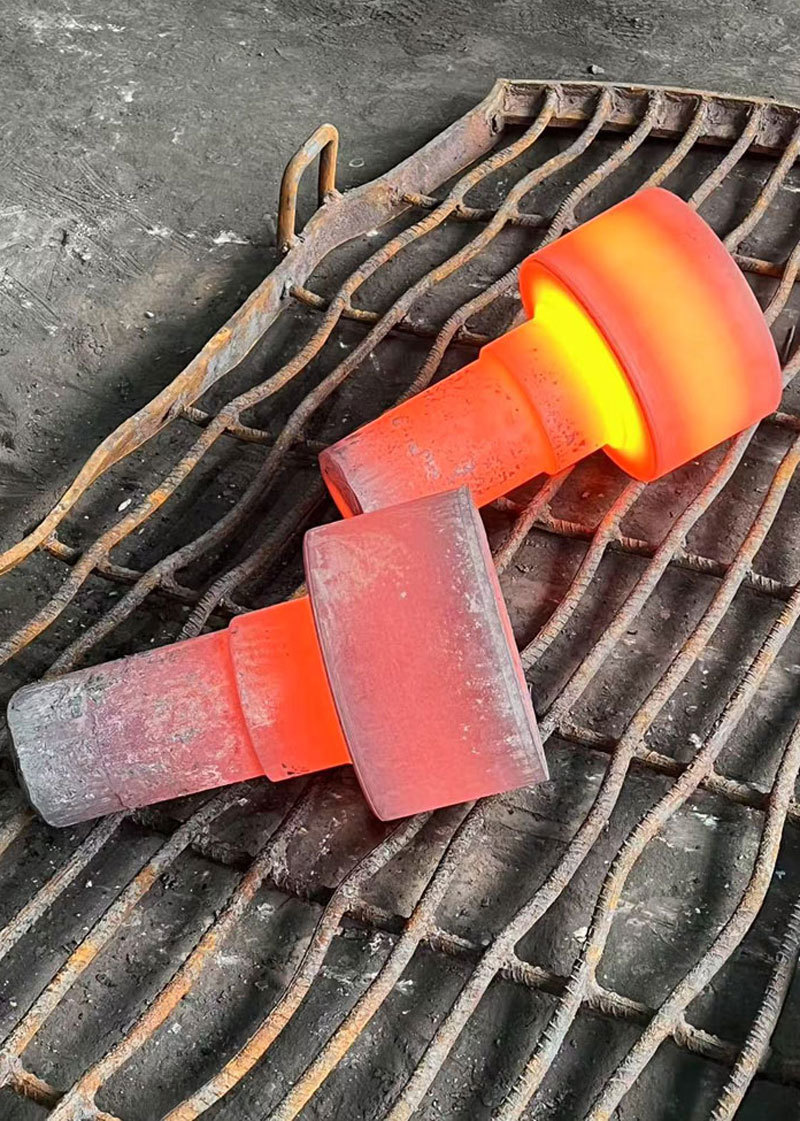
Quality Standards in the Forging of Stainless Steel Products: Ensuring Excellence in Metallurgy
Quality Standards in the Forging of Stainless Steel Products Table of Contents Introduction to Stainless Steel Forging The Importance of Quality Standards in Forging Types of Stainless Steel Used in Forging Common Forging Processes in Stainless Steel Manufacturing Quality Assurance Methodologies in Stainless Steel Forging Testing and Certification of Stainless Steel Products Global
Understanding Non-Standard Flanges: A Key Component in Architectural Applications
Non-standard flanges are specialized components that deviate from conventional sizing and design specifications. Unlike standard flanges, which adhere to established dimensions and pressure ratings, non-standard flanges are custom-made to meet unique project requirements. These flanges are crucial in various architectural and construction applications, particularly when dealing with unconventional
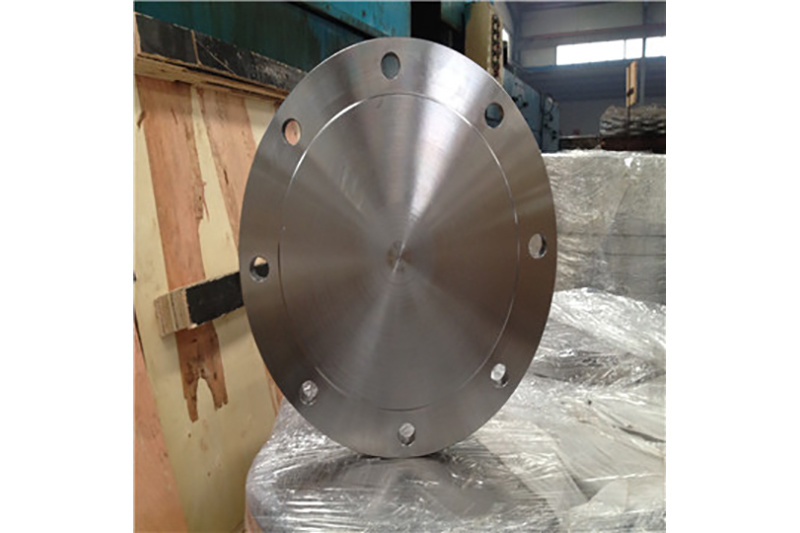
The Importance of Quality Control for Japanese Standard Flanges: Ensuring Durability and Reliability
The Importance of Quality Control for Japanese Standard Flanges In the construction and manufacturing sectors, the significance of quality control cannot be overstated, especially for components as crucial as flanges. Japanese standard flanges, known for their precision and durability, require stringent quality control measures to meet the demands of various applications. This article delves into
Understanding American Standard Flange in Construction and Decoration Materials
American standard flanges are critical components in the field of construction and decorative materials, particularly in piping systems. These flanges adhere to specific standards established by organizations such as the American National Standards Institute (ANSI) and the American Society of Mechanical Engineers (ASME). Their design and specifications are essential for ensuring compatibility and
Exploring the Advantages of Using Threaded Flanges in HVAC Systems
Exploring the Advantages of Using Threaded Flanges in HVAC Systems Table of Contents 1. Introduction to Threaded Flanges in HVAC 2. Understanding Threaded Flanges 3. Benefits of Using Threaded Flanges in HVAC Systems 3.1 Superior Sealing Capability 3.2 Ease of Installation and Maintenance 3.3 Cost-Effectiveness 3.4 Versatility i

The Essential Guide to Flanged Connections in Building and Decorative Materials
Flanged connections are vital components in the construction and decorative materials sector, especially in the context of piping systems and fittings. Understanding their function, design, and application can significantly enhance the efficiency and reliability of installations. A flanged connection involves two flanges, which are flat pieces of material with holes for bolts. These flanges are bo
Shandong Xinhao Forging Co.,Ltd.
Tel:+86-15098858482
WeChat: 543983004
Email:xinhaoflange@gmail.com
Whatsapp:8615098858482
Website:www.xhflange.com

TikTok