

Understanding Non-Standard Flanges: Essential Insights for Construction Professionals
Release time:
2026-02-01
Non-standard flanges are essential components that deviate from the typical specifications or dimensions proposed by established standards such as ASME, ANSI, or DIN. These flanges are often custom-made to meet unique project requirements that standard flanges cannot satisfy. In the construction and piping industry, the utilization of non-standard flanges is becoming increasingly prominent due to
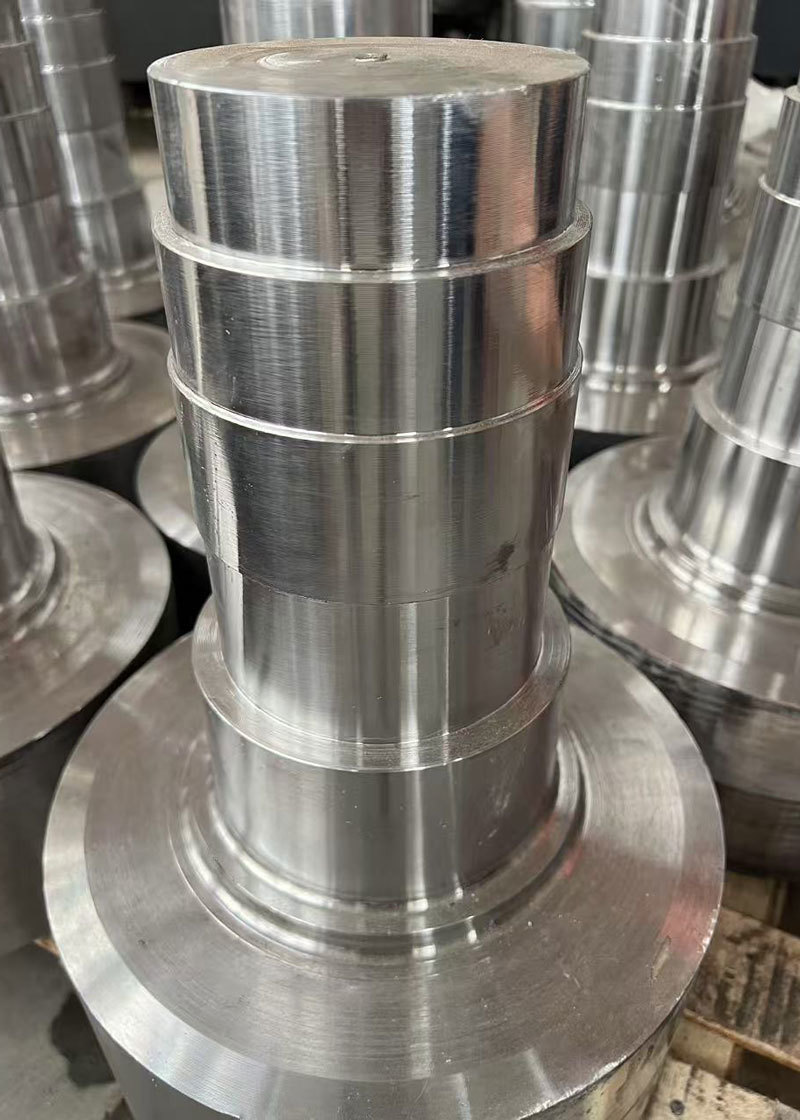
One of the key advantages of non-standard flanges is their ability to accommodate specific design constraints. In large-scale architectural projects or specialized industrial applications, standard flanges may not fit seamlessly into the overall design due to space limitations, unusual pipe diameters, or unique connection angles. Non-standard flanges can be tailored to fit these distinct requirements, ensuring a secure and leak-proof connection.
Moreover, non-standard flanges can improve the overall performance of piping systems. By customizing the flange design, engineers can optimize flow characteristics and reduce turbulence, which is crucial for maintaining system efficiency. This optimization can lead to reduced energy consumption, prolonged equipment life, and enhanced operational performance, all of which are vital considerations for construction managers and engineers.
However, when considering the use of non-standard flanges, it is important to keep in mind the implications for manufacturing and installation. Custom flanges may require longer lead times, and their design must be carefully coordinated with other piping components to ensure compatibility. Collaboration between engineers, designers, and manufacturers is essential to achieve the desired outcomes without compromising on quality or performance.
Another aspect to consider is the material selection for non-standard flanges. The choice of material should be based on the specific environment in which the flange will operate, including factors such as temperature, pressure, and exposure to corrosive substances. This attention to detail helps to ensure that the non-standard flanges will perform reliably throughout their intended lifespan.
In summary, non-standard flanges are a vital consideration in the construction and decoration of piping systems. They offer tailored solutions that can significantly enhance the functionality and efficiency of projects. As the demand for customized piping solutions continues to rise, understanding the role of non-standard flanges is crucial for professionals in the construction industry. By leveraging their advantages while being mindful of potential challenges, engineers and designers can ensure successful project outcomes that meet the unique needs of each application.
Latest developments
Understanding Non-Standard Flanges: Key Considerations for Your Projects
Non-standard flanges play a crucial role in various piping systems, offering flexibility and adaptability in construction projects. These flanges deviate from the standard dimensions and specifications set by organizations such as the American National Standards Institute (ANSI) or the International Organization for Standardization (ISO). Instead, non-standard flanges are custom-made to meet speci

How Japanese Standard Flanges Influence Construction Costs
How Japanese Standard Flanges Influence Construction Costs Understanding Japanese Standard Flanges Japanese standard flanges are critical components in piping systems used across various construction projects. They ensure the secure connection of pipes, valves, fittings, and other equipment. These flanges adhere to specific Japanese Industrial Standards (JIS), which dictate their dimensions, mat

--- In the realm of construction and decorative materials, American Standard flanges serve as fundamental components in piping systems. Flanges are essential for connecting pipes, valves, pumps, and other equipment, ensuring the integrity and reliability of plumbing and industrial systems. Understanding the specifications and applications of American Standard flanges can significantly enhance your
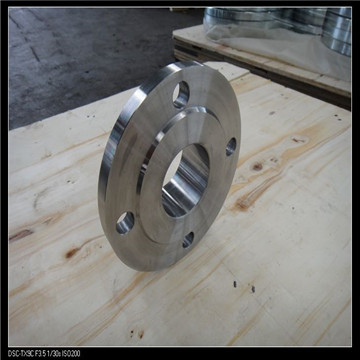
Threaded Flanges: Essential Components for Fire Protection Systems
Threaded Flanges: Essential Components for Fire Protection Systems Table of Contents 1. Introduction to Threaded Flanges 2. What Are Threaded Flanges? 3. Types of Threaded Flanges 3.1 Standard Threaded Flanges 3.2 Specialty Threaded Flanges 4. Applications of Threaded Flanges in Fire Protection Systems 4.1 Fire Sprinkl

Understanding Flanged Connections: Key Considerations for Construction and Decorative Materials
Flanged connections play a pivotal role in the construction and decorative materials industry, particularly when it comes to piping systems. These connections are used to join pipes, valves, pumps, and other equipment, allowing for easy assembly, disassembly, and maintenance. Understanding the intricacies of flanged connections is essential for professionals involved in design and installation pro
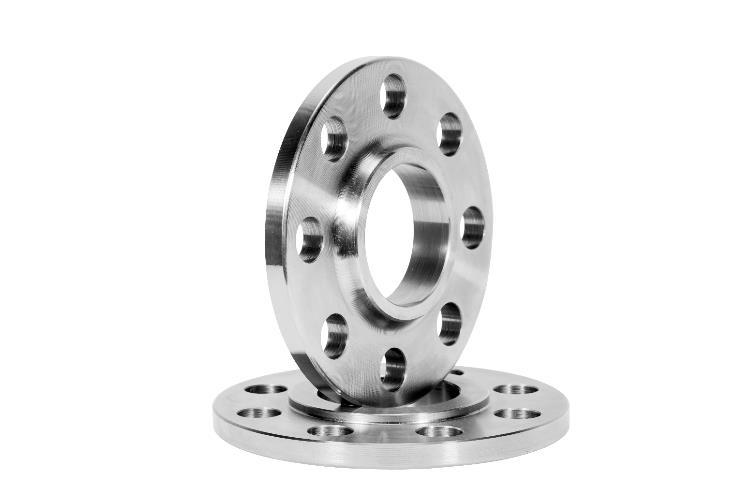
A Beginner's Comprehensive Guide to Understanding Sliding Flanges in Plumbing
A Beginner's Comprehensive Guide to Understanding Sliding Flanges in Plumbing Table of Contents What Are Sliding Flanges? The Importance of Sliding Flanges in Plumbing Systems Design and Structure of Sliding Flanges Types of Sliding Flanges Used in Plumbing Advantages of Using Sliding Flanges Installation Process for Sliding Flanges Maintenance Tips for Sliding Flanges Common Misc
Shandong Xinhao Forging Co.,Ltd.
Tel:+86-15098858482
WeChat: 543983004
Email:xinhaoflange@gmail.com
Whatsapp:8615098858482
Website:www.xhflange.com

TikTok