

Top Industries Benefiting from Forged Stainless Steel Products
Release time:
2026-02-04
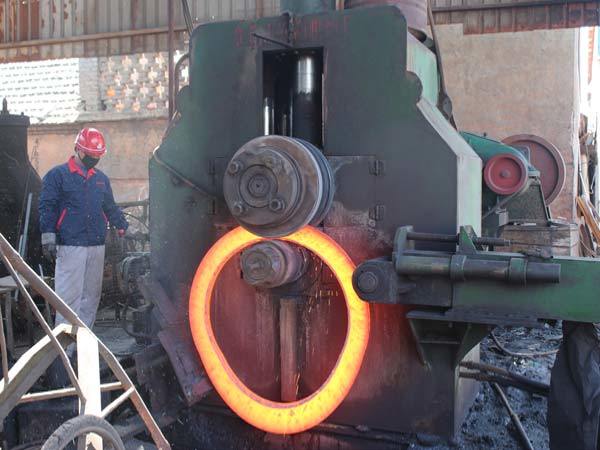
Top Industries Benefiting from Forged Stainless Steel Products Introduction to Forged Stainless Steel Forged stainless steel is a high-performance material that offers exceptional strength, corrosion resistance, and durability. Through a process of shaping metal using localized compressive forces, forged stainless steel products boast higher tensile strength compared to their cast counterparts.
Top Industries Benefiting from Forged Stainless Steel Products
Introduction to Forged Stainless Steel
Forged stainless steel is a high-performance material that offers exceptional strength, corrosion resistance, and durability. Through a process of shaping metal using localized compressive forces, forged stainless steel products boast higher tensile strength compared to their cast counterparts. This unique combination of characteristics makes them invaluable across various industries.
In this article, we will explore the **top industries benefiting from forged stainless steel products**, shedding light on their applications, advantages, and future trends.
Table of Contents
- 1. Aerospace Industry: Elevating Safety and Efficiency
- 2. Automotive Sector: Enhancing Performance and Reliability
- 3. Oil and Gas Industry: Ensuring Durability Under Pressure
- 4. Chemical and Pharmaceutical Industries: Maintaining Purity
- 5. Food and Beverage Sector: Upholding Hygiene Standards
- 6. Construction and Infrastructure: Building with Strength
- 7. Marine Industry: Battling Harsh Environments
- 8. Future Trends in Forged Stainless Steel Applications
- 9. Frequently Asked Questions
- 10. Conclusion
1. Aerospace Industry: Elevating Safety and Efficiency
The aerospace industry demands materials that can withstand extreme conditions while ensuring the safety of passengers and cargo. **Forged stainless steel** plays a pivotal role here due to its high strength-to-weight ratio and ability to resist fatigue and thermal stress. Components such as engine parts, landing gear, and structural frames utilize forged stainless steel to enhance performance and reliability.
The stringent regulations governing aerospace manufacturing necessitate materials that meet rigorous safety standards. Using forged stainless steel not only adheres to these standards but also contributes to innovations like lightweight structures and fuel-efficient designs.
2. Automotive Sector: Enhancing Performance and Reliability
In the automotive sector, forged stainless steel is a game-changer. From high-performance sports cars to heavy-duty trucks, the demand for durable components is paramount. Forged stainless steel components, including crankshafts, suspension parts, and transmission gears, provide the strength required for optimal performance.
Moreover, the corrosion resistance of forged stainless steel is particularly beneficial for vehicles exposed to extreme weather conditions. This durability reduces maintenance costs and extends the lifespan of automotive components, providing manufacturers with a competitive edge in the market.
3. Oil and Gas Industry: Ensuring Durability Under Pressure
The oil and gas industry operates in some of the most challenging environments on Earth. Forged stainless steel is essential in this sector for its ability to withstand extreme temperatures, pressures, and corrosive environments. Applications include valves, pumps, and piping systems.
As the industry shifts towards more sustainable practices, forged stainless steel products are increasingly being used in offshore drilling and extraction processes. Their durability and longevity reduce downtime and maintenance costs, making them a preferred choice for operators worldwide.
4. Chemical and Pharmaceutical Industries: Maintaining Purity
In the chemical and pharmaceutical industries, maintaining product purity is crucial. Forged stainless steel is non-reactive and easy to clean, making it an ideal choice for manufacturing equipment such as reactors, vessels, and piping systems. These materials prevent contamination and ensure compliance with stringent regulatory requirements.
Furthermore, the ability to withstand high temperatures and pressures without compromising structural integrity makes forged stainless steel invaluable in these sectors. Manufacturers can rely on these materials to produce consistent, high-quality products.
5. Food and Beverage Sector: Upholding Hygiene Standards
The food and beverage industry prioritizes hygiene and safety. Forged stainless steel is widely used in this sector due to its non-porous surface, which prevents bacterial growth and simplifies cleaning. Equipment such as mixers, conveyors, and storage tanks made from forged stainless steel help maintain the highest hygiene standards.
Additionally, the durability and corrosion resistance of forged stainless steel ensure that food processing equipment remains functional and safe over extended periods, thereby enhancing production efficiency.
6. Construction and Infrastructure: Building with Strength
In construction and infrastructure, forged stainless steel is increasingly used in structural components, fasteners, and reinforcements. Its strength and resistance to environmental factors make it a preferred choice for building bridges, skyscrapers, and other critical structures.
The versatility of forged stainless steel allows for innovative designs while ensuring that safety and integrity are not compromised. As urbanization continues to rise, the demand for robust construction materials like forged stainless steel will only increase.
7. Marine Industry: Battling Harsh Environments
The marine industry faces unique challenges, including exposure to saltwater, high humidity, and extreme weather conditions. Forged stainless steel provides the necessary resistance to corrosion, making it an essential material for shipbuilding, offshore platforms, and marine equipment.
Applications include propeller shafts, hull fittings, and structural components. The longevity and durability of forged stainless steel ensure that vessels can withstand the harsh marine environment, reducing maintenance costs and improving safety.
8. Future Trends in Forged Stainless Steel Applications
As technology advances, the applications of forged stainless steel are expected to expand significantly. Innovations in manufacturing processes, such as additive manufacturing and advanced forging techniques, will lead to the development of even stronger and lighter materials.
Additionally, the growing focus on sustainability will drive the demand for forged stainless steel products that reduce energy consumption and carbon footprints. Industries will increasingly prioritize materials that contribute to eco-friendly practices while maintaining performance and safety.
9. Frequently Asked Questions
What are the benefits of using forged stainless steel products?
Forged stainless steel products offer high tensile strength, corrosion resistance, durability, and the ability to withstand extreme conditions, making them suitable for various applications across multiple industries.
How does forged stainless steel differ from cast stainless steel?
Forged stainless steel is shaped using compressive forces, resulting in a denser and stronger material compared to cast stainless steel, which is poured into molds and may contain imperfections.
In what industries is forged stainless steel most commonly used?
Forged stainless steel is commonly used in the aerospace, automotive, oil and gas, chemical, pharmaceutical, food and beverage, construction, and marine industries.
Are forged stainless steel products environmentally friendly?
Yes, forged stainless steel products can be considered environmentally friendly due to their durability, which reduces waste, and their recyclability, contributing to sustainable manufacturing practices.
What future trends can we expect in forged stainless steel applications?
Future trends include advancements in manufacturing techniques, increased emphasis on sustainability, and the development of lighter and stronger forged stainless steel products to meet the evolving needs of various industries.
10. Conclusion
Forged stainless steel products play a critical role in many industries, providing strength, durability, and corrosion resistance that are essential for modern applications. From aerospace to marine, the advantages of using forged stainless steel are clear, making it a preferred choice for manufacturers worldwide.
As industries continue to evolve and face new challenges, the future of forged stainless steel looks promising. Innovations in manufacturing processes and a focus on sustainability will further enhance the relevance of this material in the years to come. By understanding the benefits and applications of forged stainless steel, businesses can make informed decisions that optimize performance and efficiency across their operations.
Latest developments
Understanding Non-Standard Flanges: Key Considerations for Your Projects
Non-standard flanges play a crucial role in various piping systems, offering flexibility and adaptability in construction projects. These flanges deviate from the standard dimensions and specifications set by organizations such as the American National Standards Institute (ANSI) or the International Organization for Standardization (ISO). Instead, non-standard flanges are custom-made to meet speci

How Japanese Standard Flanges Influence Construction Costs
How Japanese Standard Flanges Influence Construction Costs Understanding Japanese Standard Flanges Japanese standard flanges are critical components in piping systems used across various construction projects. They ensure the secure connection of pipes, valves, fittings, and other equipment. These flanges adhere to specific Japanese Industrial Standards (JIS), which dictate their dimensions, mat

--- In the realm of construction and decorative materials, American Standard flanges serve as fundamental components in piping systems. Flanges are essential for connecting pipes, valves, pumps, and other equipment, ensuring the integrity and reliability of plumbing and industrial systems. Understanding the specifications and applications of American Standard flanges can significantly enhance your
Threaded Flanges: Essential Components for Fire Protection Systems
Threaded Flanges: Essential Components for Fire Protection Systems Table of Contents 1. Introduction to Threaded Flanges 2. What Are Threaded Flanges? 3. Types of Threaded Flanges 3.1 Standard Threaded Flanges 3.2 Specialty Threaded Flanges 4. Applications of Threaded Flanges in Fire Protection Systems 4.1 Fire Sprinkl

Understanding Flanged Connections: Key Considerations for Construction and Decorative Materials
Flanged connections play a pivotal role in the construction and decorative materials industry, particularly when it comes to piping systems. These connections are used to join pipes, valves, pumps, and other equipment, allowing for easy assembly, disassembly, and maintenance. Understanding the intricacies of flanged connections is essential for professionals involved in design and installation pro
A Beginner's Comprehensive Guide to Understanding Sliding Flanges in Plumbing
A Beginner's Comprehensive Guide to Understanding Sliding Flanges in Plumbing Table of Contents What Are Sliding Flanges? The Importance of Sliding Flanges in Plumbing Systems Design and Structure of Sliding Flanges Types of Sliding Flanges Used in Plumbing Advantages of Using Sliding Flanges Installation Process for Sliding Flanges Maintenance Tips for Sliding Flanges Common Misc
Shandong Xinhao Forging Co.,Ltd.
Tel:+86-15098858482
WeChat: 543983004
Email:xinhaoflange@gmail.com
Whatsapp:8615098858482
Website:www.xhflange.com

TikTok