

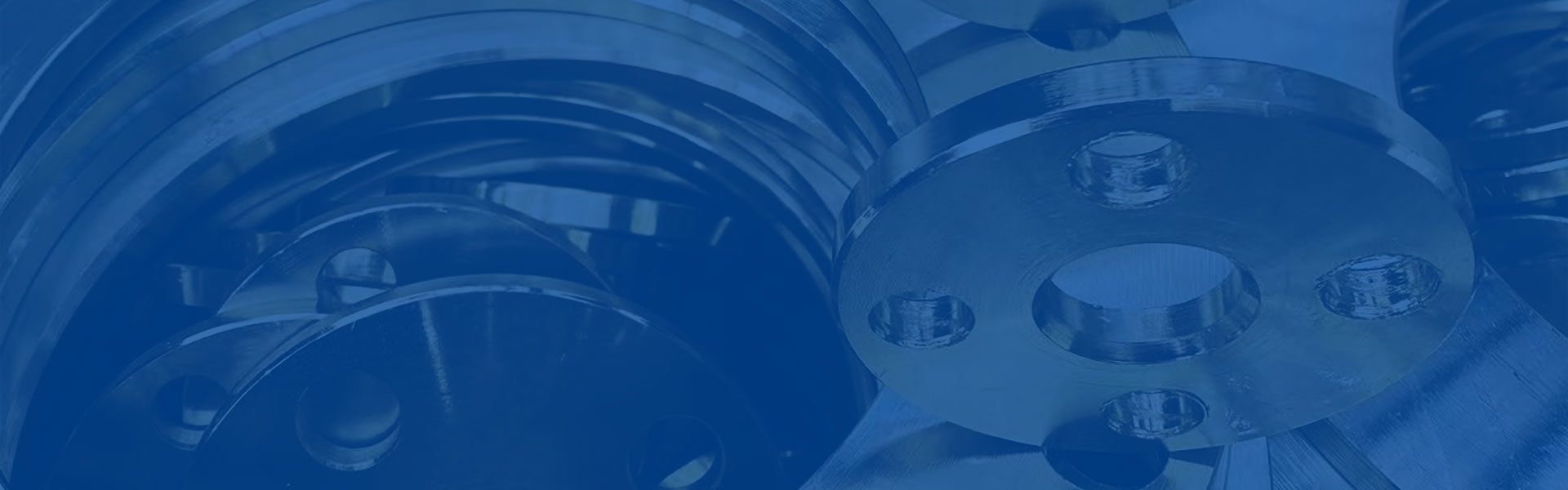
How Flat Flanges Contribute to Energy Efficiency in Modern Systems
Release time:
2026-02-10
How Flat Flanges Contribute to Energy Efficiency in Modern Systems Table of Contents 1. Introduction to Flat Flanges 2. What Are Flat Flanges? 3. The Importance of Energy Efficiency in Modern Systems 4. The Mechanics of Flat Flanges 5. Energy-Saving Attributes of Flat Flanges 6. Applications of Flat Flanges in Various Industries 7. Best Practices for Implementation

How Flat Flanges Contribute to Energy Efficiency in Modern Systems
Table of Contents
- 1. Introduction to Flat Flanges
- 2. What Are Flat Flanges?
- 3. The Importance of Energy Efficiency in Modern Systems
- 4. The Mechanics of Flat Flanges
- 5. Energy-Saving Attributes of Flat Flanges
- 6. Applications of Flat Flanges in Various Industries
- 7. Best Practices for Implementation and Maintenance
- 8. Future Trends in Flange Technology
- 9. Conclusion
- 10. FAQs
1. Introduction to Flat Flanges
In today’s competitive industrial landscape, **energy efficiency** is a paramount concern. Flat flanges, integral components in piping and mechanical systems, play a critical role in enhancing energy efficiency. Their design, functionality, and material selection can significantly influence operational performance and energy consumption. This article delves into how flat flanges contribute to energy efficiency and why their proper implementation is essential for modern systems.
2. What Are Flat Flanges?
Flat flanges are circular pieces often made from metals such as steel, aluminum, or plastic. They serve as connectors between two sections of piping or equipment, enabling the seamless transfer of fluids and gases. The flat design provides a large surface area that ensures a secure and leak-free connection, making them suitable for various applications, from plumbing to industrial manufacturing. Their straightforward design facilitates easy installation, maintenance, and replacement, making them a popular choice among engineers and contractors.
3. The Importance of Energy Efficiency in Modern Systems
Energy efficiency is not just a buzzword; it is a necessity in today’s world, where energy costs continue to rise, and sustainability is at the forefront of corporate responsibility. Efficient systems reduce operational costs and environmental impact. With increasing regulations and consumer demand for sustainable practices, industries are compelled to adopt technologies that minimize energy consumption. Flanges, being vital in system integrity, directly impact the energy efficiency of pipelines and machinery.
4. The Mechanics of Flat Flanges
Flat flanges function by creating a stable connection between separate pipeline sections. They are fastened using bolts around the perimeter, which provides the necessary pressure to maintain a tight seal. This design prevents leaks, which can lead to energy loss in systems transporting gases or liquids. The surface of the flange, often machined to specific tolerances, ensures that the connection is not only secure but also minimizes friction during flow. The reduced friction leads to lower energy consumption, as pumps and compressors do not have to work harder to maintain flow rates.
5. Energy-Saving Attributes of Flat Flanges
Flat flanges offer several energy-saving attributes that contribute to overall system efficiency:
5.1 Leak Prevention
One of the primary benefits of flat flanges is their ability to prevent leaks. Leaks in piping systems can lead to significant energy losses and environmental hazards. A well-installed flat flange connection reduces the chance of leaks, ensuring that all energy expended in pumping or compressing is effectively utilized.
5.2 Reduced Friction Losses
The smooth surface of flat flanges minimizes friction losses, which is crucial in fluid dynamics. Lower friction translates to less energy required to maintain fluid flow, resulting in energy savings for the entire system.
5.3 Material Efficiency
Flat flanges can be manufactured from a variety of materials that optimize performance. Using lightweight materials can reduce the overall weight of the system, requiring less energy to transport and install. Additionally, advanced materials can withstand higher pressures and temperatures, enhancing durability and reducing maintenance costs.
5.4 Versatility in Design
Flat flanges can be designed to fit various specifications, allowing for compatibility with different systems. This versatility means that industries can utilize flat flanges in multiple applications, from water treatment to oil and gas, all while achieving energy efficiency.
6. Applications of Flat Flanges in Various Industries
Flat flanges are utilized across numerous industries, proving their versatility and effectiveness:
6.1 Oil and Gas
In the oil and gas industry, flat flanges play a critical role in pipeline systems. They ensure secure connections that withstand high pressures, minimizing leaks and optimizing energy use during extraction and transportation.
6.2 Water Treatment
In water treatment facilities, flat flanges are essential for maintaining the integrity of piping systems. Their leak-proof design helps in conserving water and energy, as well as reducing operational costs.
6.3 HVAC Systems
In HVAC (Heating, Ventilation, and Air Conditioning) systems, flat flanges connect ductwork and piping. A well-sealed connection minimizes energy loss, ensuring that heating and cooling systems operate efficiently.
6.4 Chemical Processing
Chemical processing industries rely heavily on flat flanges for safe and efficient transport of corrosive chemicals. Their ability to maintain integrity under extreme conditions is crucial for energy efficiency and safety.
7. Best Practices for Implementation and Maintenance
To maximize the energy efficiency benefits of flat flanges, it’s essential to follow best practices during installation and maintenance:
7.1 Proper Installation Techniques
Ensure that flanges are aligned correctly before fastening. Misalignment can cause uneven pressure, leading to leaks. Utilizing torque wrenches for precise bolt tension is critical for maintaining a secure seal.
7.2 Regular Inspections
Regular inspections of flange connections can help identify wear and tear before they become significant issues. Look for signs of corrosion, misalignment, or leaks, and address them promptly to maintain energy efficiency.
7.3 Use of Gaskets
Incorporating high-quality gaskets between flat flanges can enhance the seal and prevent leaks. Ensure that gaskets are compatible with the materials and conditions of the application.
7.4 Training and Education
Training personnel on best practices for installing and maintaining flat flanges can improve overall system efficiency. Knowledgeable staff can identify potential issues before they escalate, preserving energy resources.
8. Future Trends in Flange Technology
The future of flat flanges is promising, with innovations continually emerging:
8.1 Smart Flange Technologies
The integration of sensors in flat flanges could lead to smart flange technologies that monitor pressure, temperature, and leak detection in real-time. These advancements can enhance energy efficiency by enabling proactive maintenance strategies.
8.2 Eco-friendly Materials
As industries strive for sustainability, the development of eco-friendly materials for flat flanges will become a priority. Materials that reduce environmental impact yet maintain functionality will be essential.
8.3 Enhanced Manufacturing Techniques
Advancements in manufacturing techniques, such as 3D printing, could allow for more intricate designs that optimize performance while reducing material waste. This approach would further enhance the energy efficiency of systems utilizing flat flanges.
9. Conclusion
Flat flanges are more than just simple mechanical components; they are vital to achieving energy efficiency in various industrial applications. By ensuring leak prevention, minimizing friction losses, and providing versatile solutions, flat flanges contribute significantly to lower operational costs and enhanced sustainability. As industries continue to prioritize energy efficiency, the role of flat flanges will only grow, paving the way for innovative practices that balance performance and environmental responsibility.
10. FAQs
What is a flat flange?
A flat flange is a circular component used to connect two sections of piping or equipment, ensuring a secure and leak-proof connection.
How do flat flanges improve energy efficiency?
Flat flanges improve energy efficiency by preventing leaks, reducing friction losses, and enabling compatibility with various materials, leading to optimized system performance.
What industries use flat flanges?
Flat flanges are utilized in many industries, including oil and gas, water treatment, HVAC systems, and chemical processing.
What are the best practices for maintaining flat flanges?
Best practices include proper installation techniques, regular inspections, the use of quality gaskets, and staff training.
What future trends are expected in flat flange technology?
Future trends may include smart flange technologies with integrated sensors, eco-friendly materials, and advanced manufacturing techniques like 3D printing to optimize performance and reduce waste.
Latest developments
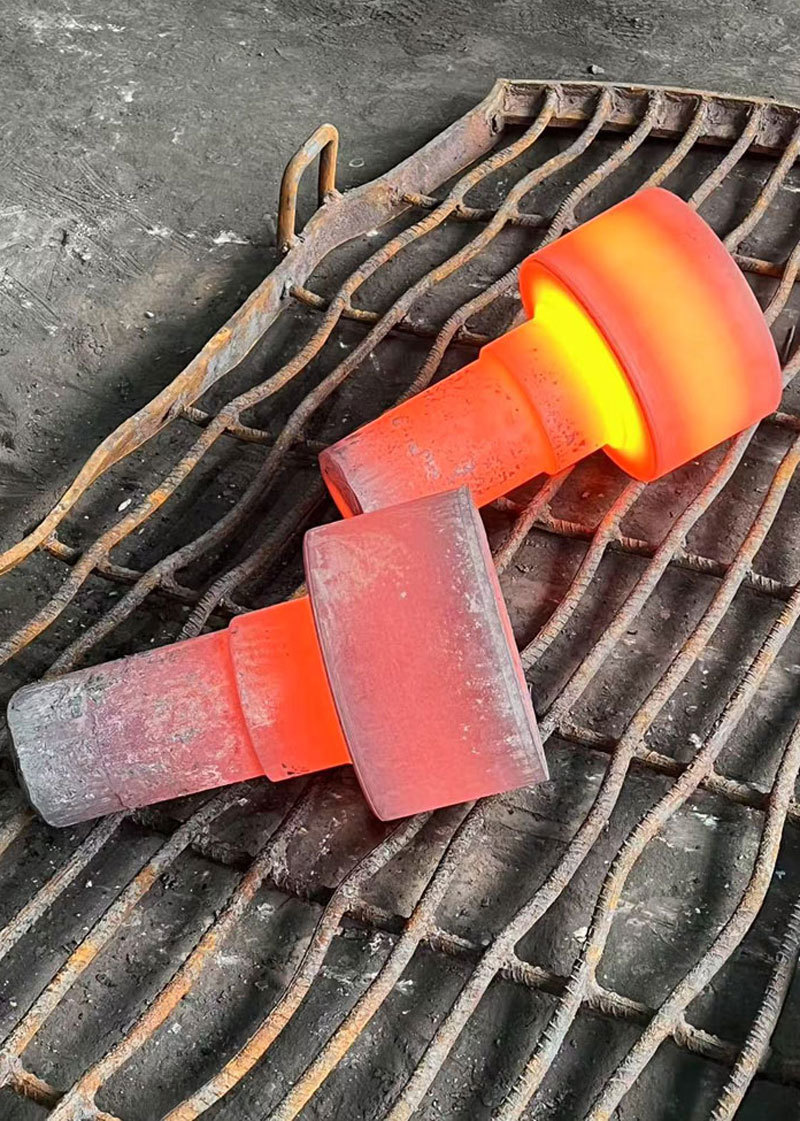
Quality Standards in the Forging of Stainless Steel Products: Ensuring Excellence in Metallurgy
Quality Standards in the Forging of Stainless Steel Products Table of Contents Introduction to Stainless Steel Forging The Importance of Quality Standards in Forging Types of Stainless Steel Used in Forging Common Forging Processes in Stainless Steel Manufacturing Quality Assurance Methodologies in Stainless Steel Forging Testing and Certification of Stainless Steel Products Global
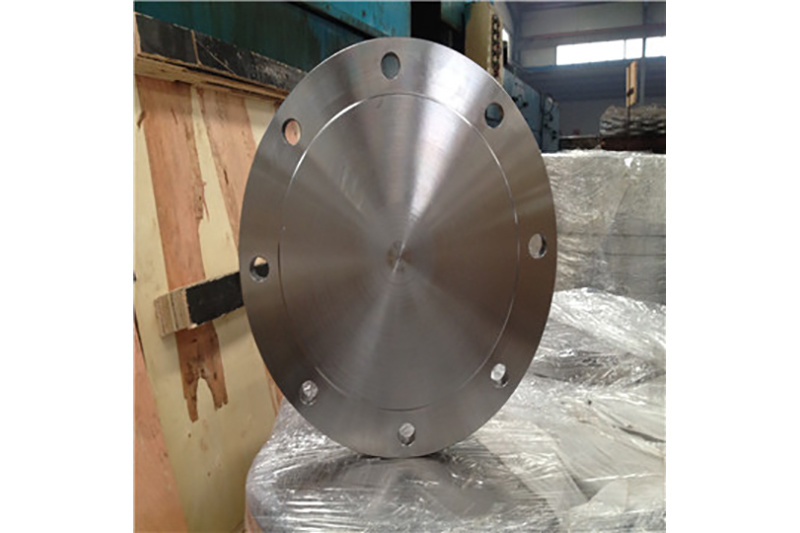
Understanding Non-Standard Flanges: A Key Component in Architectural Applications
Non-standard flanges are specialized components that deviate from conventional sizing and design specifications. Unlike standard flanges, which adhere to established dimensions and pressure ratings, non-standard flanges are custom-made to meet unique project requirements. These flanges are crucial in various architectural and construction applications, particularly when dealing with unconventional
The Importance of Quality Control for Japanese Standard Flanges: Ensuring Durability and Reliability
The Importance of Quality Control for Japanese Standard Flanges In the construction and manufacturing sectors, the significance of quality control cannot be overstated, especially for components as crucial as flanges. Japanese standard flanges, known for their precision and durability, require stringent quality control measures to meet the demands of various applications. This article delves into
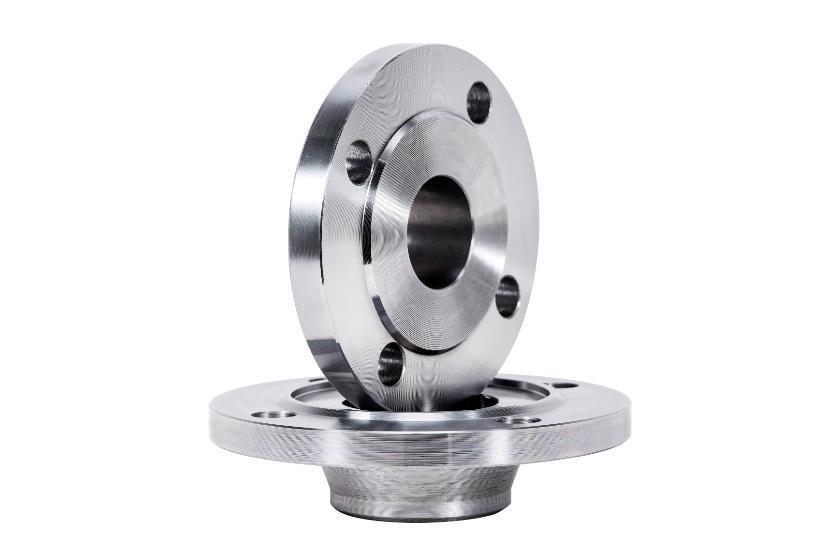
Understanding American Standard Flange in Construction and Decoration Materials
American standard flanges are critical components in the field of construction and decorative materials, particularly in piping systems. These flanges adhere to specific standards established by organizations such as the American National Standards Institute (ANSI) and the American Society of Mechanical Engineers (ASME). Their design and specifications are essential for ensuring compatibility and
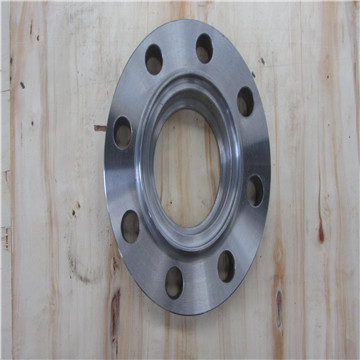
Exploring the Advantages of Using Threaded Flanges in HVAC Systems
Exploring the Advantages of Using Threaded Flanges in HVAC Systems Table of Contents 1. Introduction to Threaded Flanges in HVAC 2. Understanding Threaded Flanges 3. Benefits of Using Threaded Flanges in HVAC Systems 3.1 Superior Sealing Capability 3.2 Ease of Installation and Maintenance 3.3 Cost-Effectiveness 3.4 Versatility i

The Essential Guide to Flanged Connections in Building and Decorative Materials
Flanged connections are vital components in the construction and decorative materials sector, especially in the context of piping systems and fittings. Understanding their function, design, and application can significantly enhance the efficiency and reliability of installations. A flanged connection involves two flanges, which are flat pieces of material with holes for bolts. These flanges are bo
Shandong Xinhao Forging Co.,Ltd.
Tel:+86-15098858482
WeChat: 543983004
Email:xinhaoflange@gmail.com
Whatsapp:8615098858482
Website:www.xhflange.com

TikTok