

Understanding High Neck Flanges: Key Features and Applications in Construction
Release time:
2026-02-13
High neck flanges are critical components in piping systems, particularly in construction and decorative materials. These specialized flanges feature an extended neck that provides enhanced sealing capabilities and better alignment for connecting pipes. Their design not only enhances the structural integrity of piping but also contributes to the overall efficiency of fluid transfer systems. One of
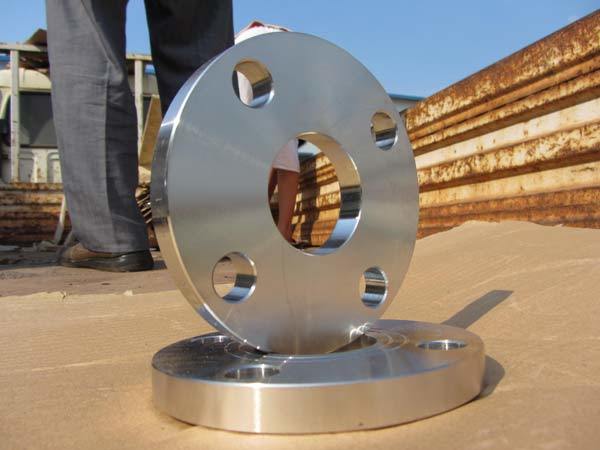
One of the primary advantages of high neck flanges is their ability to accommodate thermal expansion and contraction. In environments where temperature fluctuations are common, the extended neck allows for flexibility, minimizing the risk of stress and potential leaks. This characteristic makes high neck flanges particularly valuable in systems that transport hot liquids or gases, where thermal dynamics play a significant role.
Additionally, the configuration of high neck flanges aids in uniform load distribution. This ensures that the flange connection remains secure under varying pressure conditions, reducing the likelihood of mechanical failure. When selecting high neck flanges for a project, it is essential to consider factors such as pipe size, material compatibility, and pressure ratings to ensure optimal performance.
High neck flanges are commonly used in several applications, including water and wastewater management, chemical processing, and HVAC systems. Their versatility also extends to decorative applications, where they can provide an aesthetic appeal while maintaining functionality. The use of high neck flanges in decorative projects often enhances the visual aspects of the installation, making them a preferred choice for architects and designers.
Installation of high neck flanges requires careful attention to detail. Proper alignment during the installation process is crucial to achieving a tight seal and preventing leaks. It is recommended to use gaskets appropriate for the materials involved and to follow best practices regarding torque specifications during bolt tightening. This ensures that the connection is secure and minimizes the chances of future maintenance issues.
Maintenance of high neck flanges typically involves regular inspections for signs of wear, corrosion, or damage. Implementing routine checks can help identify potential problems early on and prolong the lifespan of the piping system. Additionally, if any issues are detected, timely repairs or replacements can be executed to maintain system integrity.
In conclusion, high neck flanges are a vital component in both functional and decorative piping systems within the construction industry. Their unique design features provide flexibility, strength, and aesthetic appeal. For professionals involved in selecting and installing these flanges, understanding their characteristics and proper maintenance practices is essential for ensuring the longevity and efficiency of the piping systems they support.
Latest developments
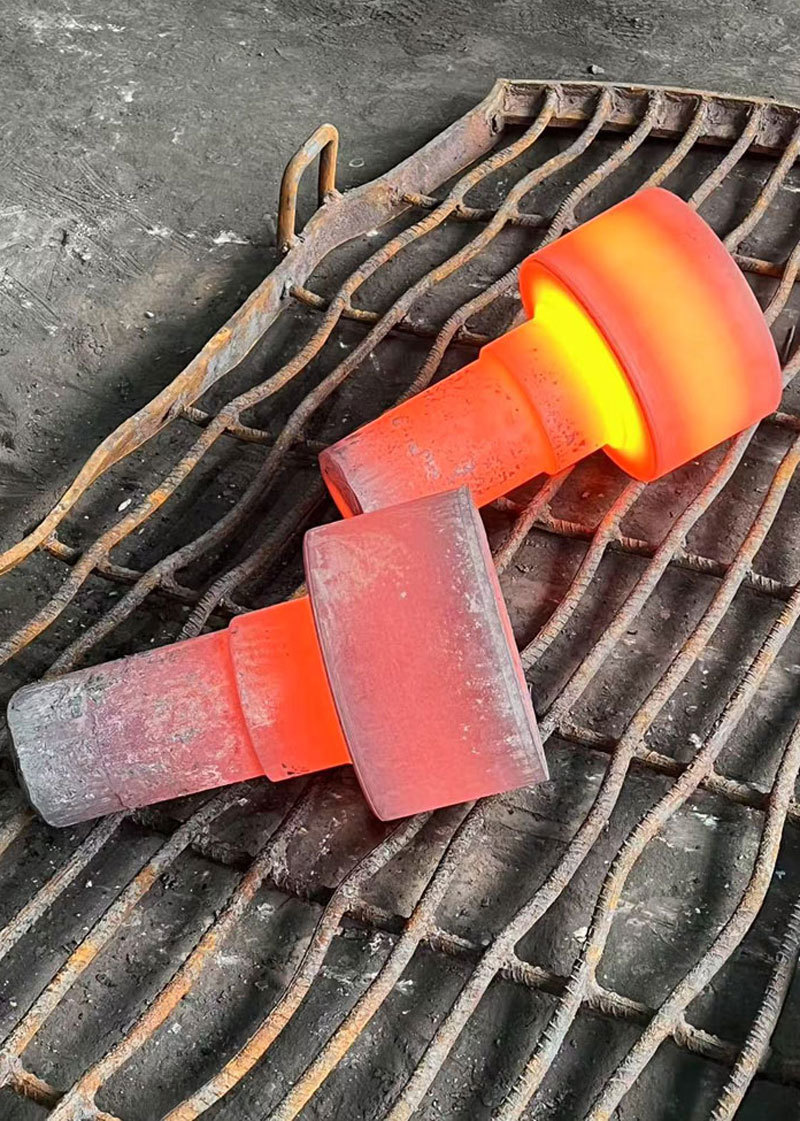
Quality Standards in the Forging of Stainless Steel Products: Ensuring Excellence in Metallurgy
Quality Standards in the Forging of Stainless Steel Products Table of Contents Introduction to Stainless Steel Forging The Importance of Quality Standards in Forging Types of Stainless Steel Used in Forging Common Forging Processes in Stainless Steel Manufacturing Quality Assurance Methodologies in Stainless Steel Forging Testing and Certification of Stainless Steel Products Global
Understanding Non-Standard Flanges: A Key Component in Architectural Applications
Non-standard flanges are specialized components that deviate from conventional sizing and design specifications. Unlike standard flanges, which adhere to established dimensions and pressure ratings, non-standard flanges are custom-made to meet unique project requirements. These flanges are crucial in various architectural and construction applications, particularly when dealing with unconventional
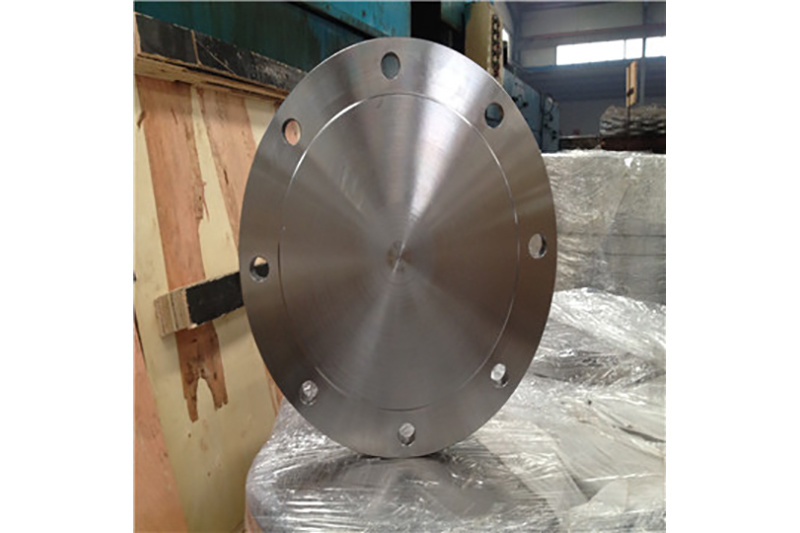
The Importance of Quality Control for Japanese Standard Flanges: Ensuring Durability and Reliability
The Importance of Quality Control for Japanese Standard Flanges In the construction and manufacturing sectors, the significance of quality control cannot be overstated, especially for components as crucial as flanges. Japanese standard flanges, known for their precision and durability, require stringent quality control measures to meet the demands of various applications. This article delves into
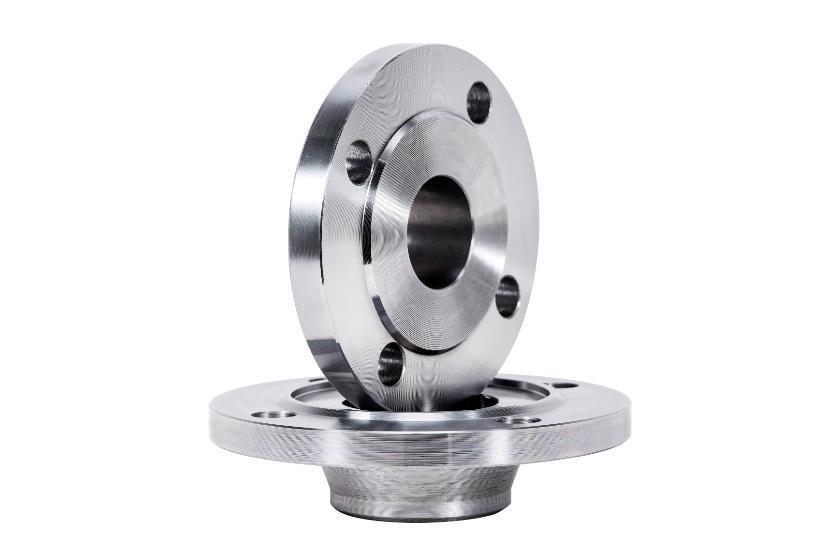
Understanding American Standard Flange in Construction and Decoration Materials
American standard flanges are critical components in the field of construction and decorative materials, particularly in piping systems. These flanges adhere to specific standards established by organizations such as the American National Standards Institute (ANSI) and the American Society of Mechanical Engineers (ASME). Their design and specifications are essential for ensuring compatibility and
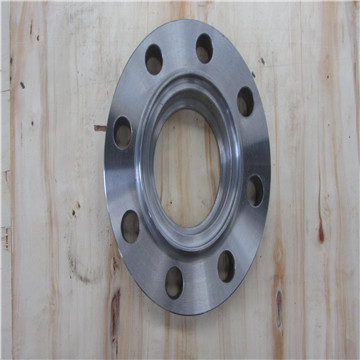
Exploring the Advantages of Using Threaded Flanges in HVAC Systems
Exploring the Advantages of Using Threaded Flanges in HVAC Systems Table of Contents 1. Introduction to Threaded Flanges in HVAC 2. Understanding Threaded Flanges 3. Benefits of Using Threaded Flanges in HVAC Systems 3.1 Superior Sealing Capability 3.2 Ease of Installation and Maintenance 3.3 Cost-Effectiveness 3.4 Versatility i

The Essential Guide to Flanged Connections in Building and Decorative Materials
Flanged connections are vital components in the construction and decorative materials sector, especially in the context of piping systems and fittings. Understanding their function, design, and application can significantly enhance the efficiency and reliability of installations. A flanged connection involves two flanges, which are flat pieces of material with holes for bolts. These flanges are bo
Shandong Xinhao Forging Co.,Ltd.
Tel:+86-15098858482
WeChat: 543983004
Email:xinhaoflange@gmail.com
Whatsapp:8615098858482
Website:www.xhflange.com

TikTok